What to Eat on GLP-1 Medications: A Physician's Nutrition Guide for Ozempic, Mounjaro, and Wegovy Users
By: Healthtime Editorial
Fact checked by: QA Team
Updated on: September 17, 2026
0
586
5 min
In this article
- Why Food Choices Change on GLP-1 Medications
- The Most Important Nutrient: Protein
- Foods That Work Well on GLP-1 Medications
- Foods to Limit or Avoid
- Meal Structure: Smaller, More Frequent Meals
- Using a Structured Tool to Stay on Track
- Key Takeaways
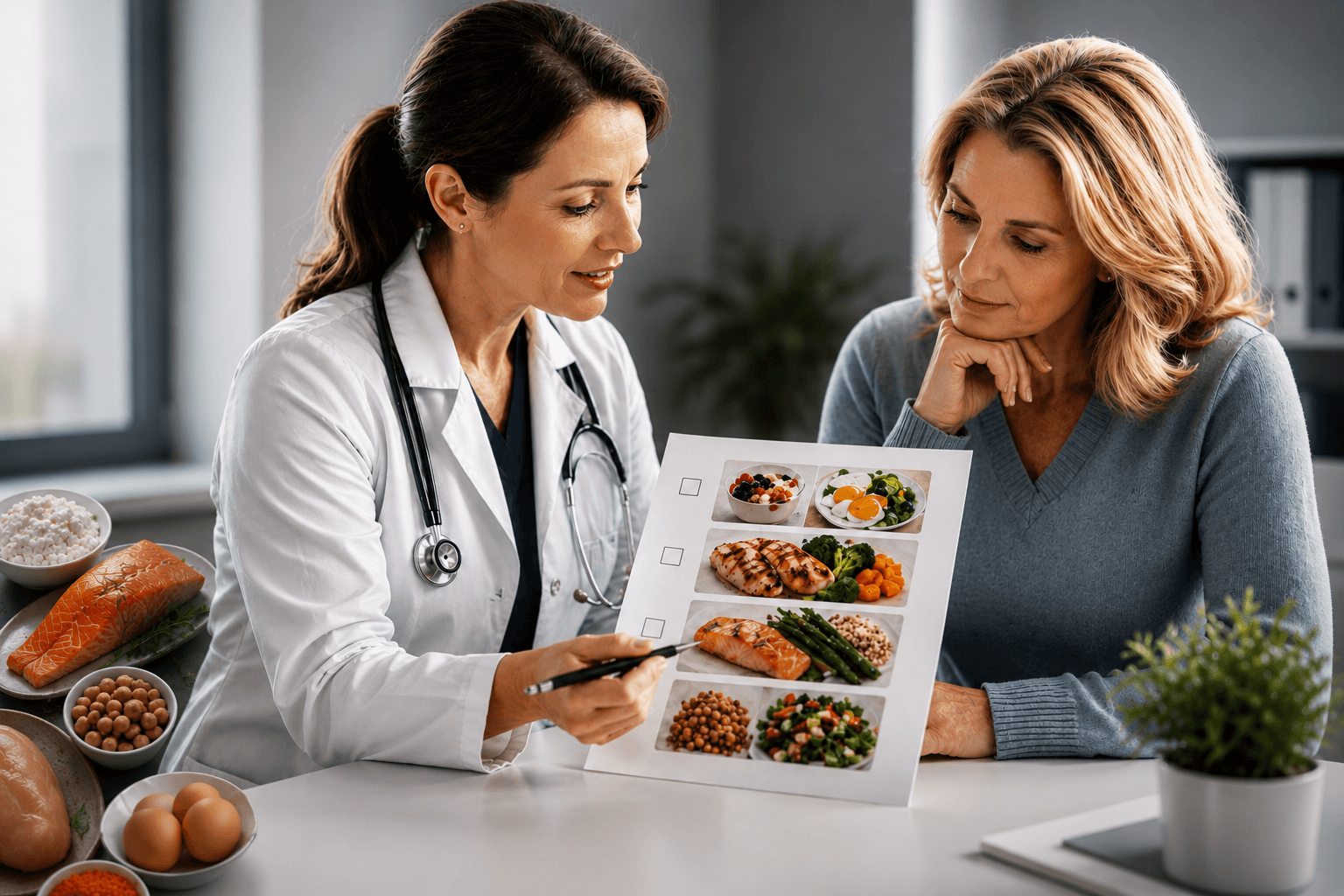
With more than 30 million Americans now using these medications, according to a 2025 Gallup poll, the question I hear most often from patients is not whether the drugs work–it is what they should eat while taking them.
And increasingly, my answer includes one practical recommendation beyond food itself: get structured support. That is exactly what GLP Diet was built to provide.
The answer matters more than most people realize. The medication suppresses appetite significantly, but it does not choose which nutrients your body loses. Without deliberate nutrition planning, patients risk inadequate protein intake, micronutrient deficiencies, and unwanted muscle loss alongside the fat.
Why Food Choices Change on GLP-1 Medications
GLP-1 drugs slow gastric emptying, meaning food stays in your stomach longer and you feel full on smaller portions.
Clinical trials of oral semaglutide showed an average weight loss of 13.6% over 64 weeks–but a meaningful portion of that can include lean muscle mass if protein intake is not carefully maintained.
This is the gap that the GLP Diet app closes: a structured nutrition and exercise system designed specifically around the realities of life on GLP-1 medication.
The Most Important Nutrient: Protein
Protein is the single most critical macronutrient for GLP-1 users. Most clinical guidelines suggest targeting between 1.2 and 1.6 grams of protein per kilogram of body weight daily to preserve lean muscle mass during caloric restriction.
For a 75-kilogram adult, that means roughly 90 to 120 grams of protein every day–spread across meals that may now be considerably smaller. GLP Diet's meal plans are built around exactly these targets, with every meal anchored by a meaningful protein source so users never have to calculate this themselves.
Practical high-protein options include eggs, Greek yogurt, skinless chicken breast or turkey, canned salmon or tuna, cottage cheese, and legumes like lentils and chickpeas for those following plant-based protocols.
GLP Diet's recipe library draws heavily from these foods–designed to be small in volume, high in protein, and easy on a GLP-1-slowed digestive system.
Foods That Work Well on GLP-1 Medications
Beyond protein, the ideal GLP-1 diet plan emphasizes nutrient density and digestive ease.
Since gastric emptying is slowed, very high-fat or very high-fiber meals can cause nausea or discomfort for some patients. A moderate, balanced approach tends to work best–and it is the approach the GLP Diet app is structured around.
- Vegetables should form the foundation of most meals. Non-starchy options like leafy greens, broccoli, courgette, and bell peppers are rich in fiber, vitamins, and minerals while adding minimal caloric load.
- Whole grains like oats, quinoa, and brown rice provide sustained energy and fiber without triggering blood sugar spikes.
- Healthy fats from avocado, olive oil, and fatty fish support hormonal health and fat-soluble vitamin absorption–improving meal satiety without requiring large food volumes.
- Whole grains like oats, quinoa, and brown rice provide sustained energy and fiber without triggering blood sugar spikes.
- Healthy fats from avocado, olive oil, and fatty fish support hormonal health and fat-soluble vitamin absorption–improving meal satiety without requiring large food volumes.
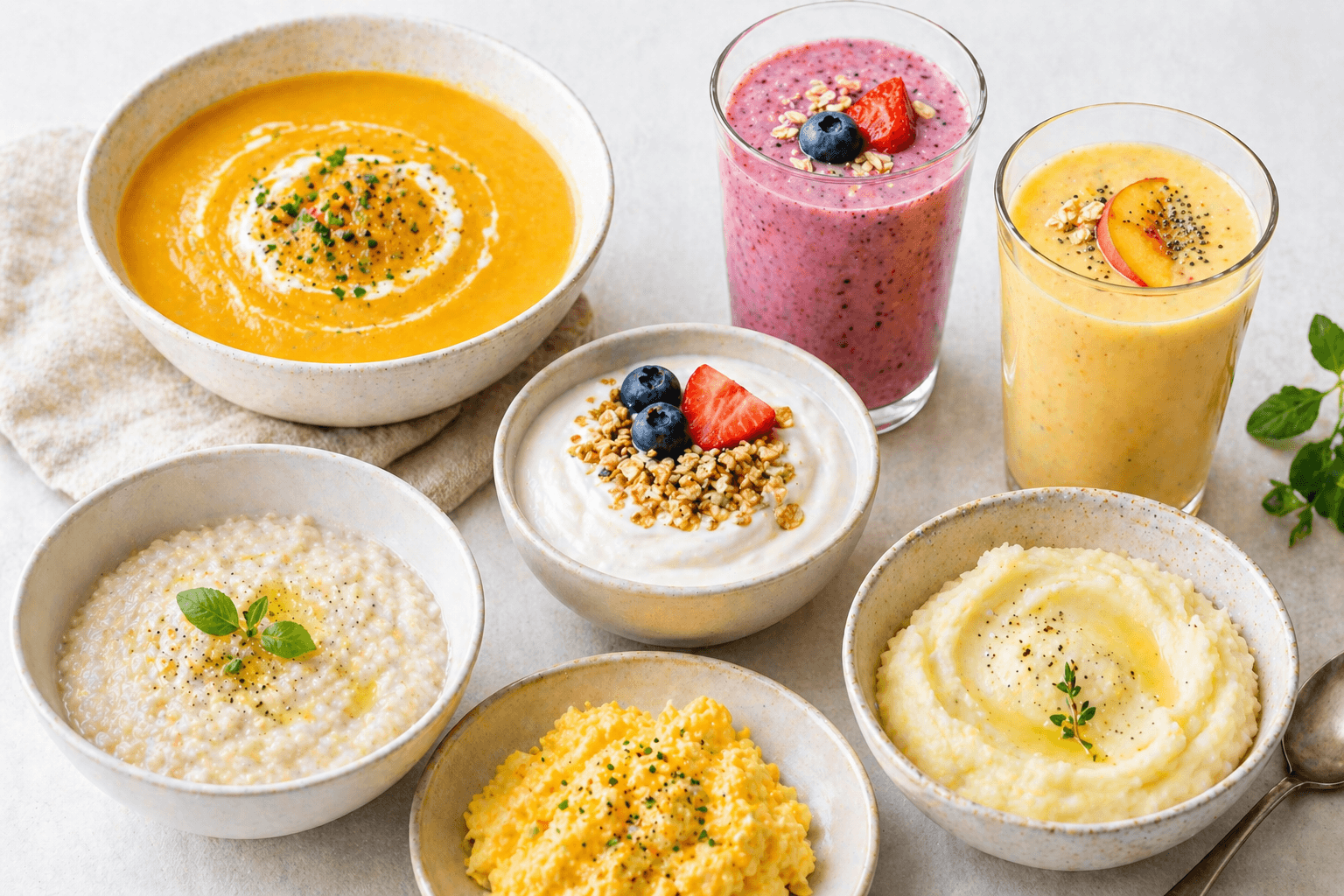
Foods to Limit or Avoid
Certain foods tend to worsen GLP-1 side effects or undermine the nutritional goals of treatment.
The most common culprits are greasy or fried foods, which slow gastric emptying further and frequently trigger nausea; sugary drinks and ultra-processed snacks, which provide calories with almost no nutritional value; large portions of refined carbohydrates like white bread and pasta; and alcohol, which many GLP-1 users find they tolerate significantly less well during treatment.
GLP Diet's meal planning framework automatically steers users away from these categories–not through restriction, but by filling the day with better alternatives before poor choices become tempting.
Meal Structure: Smaller, More Frequent Meals
Most GLP-1 users find that three large traditional meals become impractical. Shifting to smaller, nutrient-dense meals eaten three to five times throughout the day tends to be better tolerated and ensures a steadier intake of protein and micronutrients.
A practical day might look like: Greek yogurt with berries and seeds in the morning, a palm-sized portion of chicken or fish with a large salad at midday, a small handful of nuts and a boiled egg in the afternoon, and a modest portion of salmon with steamed vegetables and quinoa in the evening.
This is precisely the kind of daily structure GLP Diet generates automatically–personalized, protein-forward, and calibrated to a GLP-1 user's reduced appetite.
Using a Structured Tool to Stay on Track
The appetite suppression caused by GLP-1 medications is powerful–but it does not automatically generate a nutritionally complete eating pattern.
Many patients find that structured meal planning support makes the difference between losing weight and preserving health, versus simply eating less and feeling increasingly fatigued.
GLP Diet functions as the nutritional infrastructure that medication alone cannot provide: personalized meal plans built around smaller portions, higher protein targets, and GLP-1-friendly recipes, paired with exercise guidance tailored to users' energy levels throughout treatment.
In many ways, it works alongside your medication the way a co-pilot works alongside a pilot–the drug handles appetite, GLP Diet handles everything else.
Key Takeaways
GLP-1 medications reduce appetite but do not choose which nutrients your body gets–deliberate planning is essential.
Protein intake should be prioritized at every meal to preserve lean muscle mass. Focus on nutrient-dense, easily digestible foods: lean proteins, vegetables, whole grains, and healthy fats. Avoid greasy foods, ultra-processed snacks, and alcohol.
And use a structured tool like GLP Diet to maintain balanced nutrition despite a significantly reduced appetite–because guessing is not a strategy when every bite counts.
Related Articles
Flame Diet App Review: What You Get, What It Costs, and How To Cancel
Nutrition5 min read

Senior Diet App Review: What's Included, What It Costs, and How To Cancel
Nutrition5 min read
K-Diet App Review: What's Inside, What It Costs, and How To Manage It
Nutrition5 min read
Is It Keto: Your Guide to Checking Foods Fast and Entering Ketosis in 3-4 Days
Nutrition5 min read
.jpg&w=3840&q=75)
What Is the Healthiest Diet for Healthy Aging in 2026: A Practical Guide
Nutrition5 min read
What to Eat on Mediterranean Diet in 2026: Practical Guide for Sustainable Energy
Nutrition5 min read
Comments
(0)Leave a comment
Your email will not be published. All fields are required.