Get your personalized Mediterranean meal plan and tracking tools.
Try no.Diet today
Unlocking Mediterranean Diet Olive Oil Benefits: A Doctor's 2026 Guide
By: Healthtime Editorial
Fact checked by: QA Team
Updated on: September 15, 2026
0
321
8 min
In this article
- Why Olive Oil is the Heart of the Mediterranean Diet
- Proven Health Benefits of Mediterranean Diet Olive Oil
- How Much Olive Oil Do You Actually Need?
- Best Ways to Maximize Olive Oil Benefits Daily
- Practical Considerations and Misconceptions
- FAQ
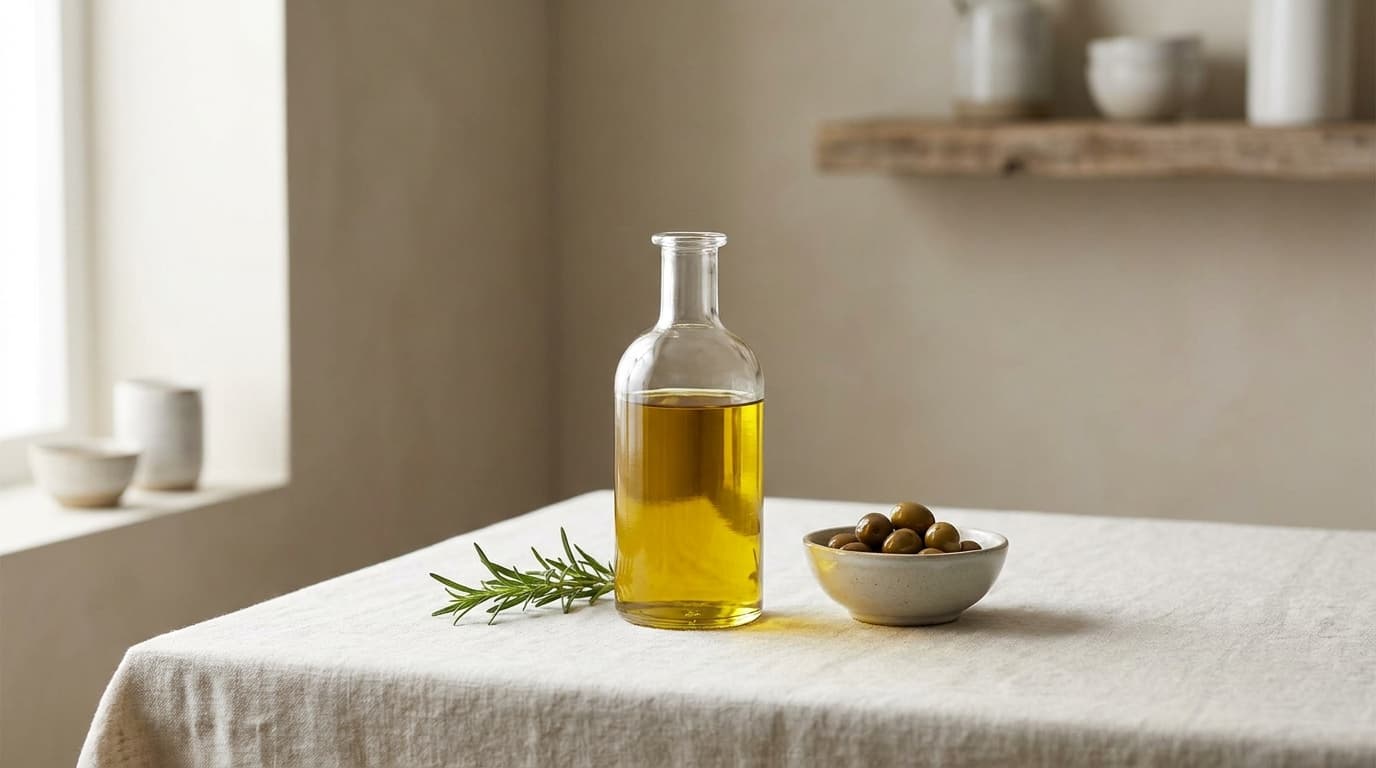
Struggling to harness the full power of your dietary choices can leave you feeling frustrated and overwhelmed. Integrating the Mediterranean diet olive oil benefits into your daily routine offers a research-backed pathway to transforming your metabolic health and vitality.
This comprehensive guide is designed for anyone looking to optimize their nutrition with evidence-based strategies. We will explore how specific compounds in olive oil function, the tangible health outcomes you can expect, and exactly how to incorporate it for maximum effect.
Why Olive Oil is the Heart of the Mediterranean Diet
Olive oil is not merely a cooking medium in the Mediterranean dietary pattern. It is the foundational lipid that makes the entire lifestyle so remarkably effective.
Replacing saturated animal fats with this plant-based powerhouse is often the most impactful dietary swap for long-term vitality. Understanding its composition reveals exactly why it is so beneficial.
The Role of Monounsaturated Fats (Oleic Acid)
To truly optimize Lipid Profiles and Cellular Integrity, we must look at the primary fat source in this diet. Oleic acid comprises up to 83% of the oil's total fat content.
This specific monounsaturated fat fundamentally changes how your body manages inflammation and energy. It promotes healthy cell membranes, making them more resilient against daily oxidative stress.
Furthermore, high oleic acid consumption triggers profound metabolic shifts that support sustained energy levels. I always recommend prioritizing this lipid to maintain cellular health over the long term.
Polyphenols: The Antioxidant Heroes
These incredible compounds neutralize free radicals to prevent oxidative stress throughout your body. Extra virgin olive oil contains over 30 distinct phenolic compounds that actively protect your tissues.
High-polyphenol oils often have a robust, peppery finish, which is a great indicator of their potency. Here is exactly how these compounds act as systemic anti-inflammatory agents:
Mechanisms of antioxidant protection
- Initial suppression — Compounds like oleocanthal inhibit inflammatory enzymes almost immediately upon consumption.
- Cellular defense — Hydroxytyrosol actively scavenges free radicals before they can damage your cellular DNA.
- Long-term protection — Consistent daily intake builds a cumulative antioxidant reserve that guards against chronic disease.
Synergistic Nutrient Absorption
You can maximize the absorption of fat-soluble vitamins simply by using the right oil. Olive oil acts as an essential carrier for vitamins A, D, E, and K when paired with other nutritious foods.
Without an adequate fat source, your body simply flushes many of these vital nutrients away. Combining olive oil with tomatoes, for example, increases lycopene absorption by up to 30%.
This synergistic effect means you get significantly more nutritional value from every vegetable you eat. It completely transforms a simple salad into a highly bioavailable superfood meal.
Extra Virgin vs. Refined Olive Oil
You must choose the most nutrient-dense oil for measurable health benefits. Refined oils lose critical medicinal properties during the harsh chemical extraction process.
Comparing the two types highlights exactly why the extra virgin classification matters so much. Ensure you are purchasing the correct variety for optimal wellness.
| Metric | Extra Virgin | Refined Oil |
|---|---|---|
Processing Method | Cold mechanical press | Chemical extraction |
Antioxidant Level | Very high | Near zero |
Anti-inflammatory | Potent systemic effects | Minimal to none |
Understanding what makes olive oil chemically unique perfectly sets the stage for the specific, disease-fighting benefits it provides to the body.
Proven Health Benefits of Mediterranean Diet Olive Oil
Decades of research, including major 2026 cardiometabolic studies, confirm that regular consumption of extra virgin olive oil drives tangible health outcomes. The systemic impact it has on the human body is remarkably protective against chronic illness.
Digital Solutions for Mediterranean Living
Adopting a new eating pattern requires consistency, which is where specialized digital tools become invaluable. I highly recommend using no.Diet to seamlessly integrate these healthy fat sources into your daily routine.
This app provides a personalized Mediterranean meal plan alongside over 500 tailored recipes that perfectly balance your macronutrients. For those who feel overwhelmed by meal prep, it automatically calculates the exact amount of olive oil needed for your specific metabolic goals.
I found that having a structured, done-for-you guide completely eliminates the guesswork of transitioning to this lifestyle. What I appreciated most was how it effortlessly adapts the recipes based on your weekly progress.
Cardiovascular Protection and Cholesterol Management
You can actively protect your heart health by preventing atherosclerosis with daily oil consumption. Severe cardiovascular event risk can decrease by up to 30% with strict Mediterranean diet adherence.
If you experience unexplained chest pain or have critically high cholesterol resistant to diet, you should consult a cardiologist. Otherwise, the polyphenols work systematically to support your heart in the following ways:
Cardiac protection mechanisms
- LDL protection — Antioxidants actively prevent low-density lipoproteins from oxidizing and sticking to arterial walls.
- HDL maintenance — The monounsaturated fats help sustain healthy levels of protective high-density lipoproteins.
- Vessel relaxation — Specific phenolic compounds improve endothelial function, helping blood vessels remain flexible.
Systemic Anti-Inflammatory Effects
Down-regulating systemic inflammation is crucial to prevent the onset of most chronic diseases. Suppressing inflammatory enzymes like COX-1 and COX-2 is a primary goal in modern preventive medicine.
Olive oil achieves this naturally without the gastrointestinal side effects of synthetic medications. Remarkably, 50ml of high-quality EVOO provides an anti-inflammatory effect comparable to about 10% of the adult ibuprofen dosage.
Consuming this regularly ensures your body maintains a calm, low-inflammation baseline year-round.

Blood Sugar Regulation and Metabolic Health
You can effectively blunt post-meal blood sugar spikes by adding this fat to your carbohydrates. Slowed Gastric Emptying supports improved Insulin Sensitivity throughout the entire day.
If you consistently experience excessive thirst or extreme post-meal fatigue, you should schedule a blood glucose screening. For daily maintenance, incorporating olive oil into a carbohydrate-heavy meal can lower post-meal blood glucose spikes by up to 20%.
This stabilizing effect keeps your energy levels consistent and prevents afternoon sugar crashes.
Brain Health and Neuroprotection
You can actively support cognitive longevity and protect vital neuronal pathways as you age. Research indicates up to a 40% reduction in Alzheimer's risk with high adherence to the Mediterranean diet.
The antioxidants cross the blood-brain barrier to provide these remarkable neuroprotective benefits.
Cognitive defense actions
- Plaque clearance — Oleocanthal enhances the brain's natural ability to clear harmful amyloid-beta plaques.
- Inflammation reduction — Powerful antioxidants reduce neuroinflammation, which preserves memory and daily cognitive function.
Gut Microbiome Support
Fostering a diverse and healthy gut microbiome is essential for total body wellness. The polyphenols act as powerful prebiotics to produce beneficial short-chain fatty acids in the colon.
These fatty acids nourish the gut lining and regulate local immune responses. Beneficial gut bacteria populations can shift positively within just 2 to 3 weeks of consistent EVOO consumption.
Knowing these systemic benefits is motivating, but translating these clinical facts into your daily routine is where the real healing happens.
How Much Olive Oil Do You Actually Need?
You need roughly 2 to 4 tablespoons daily to achieve measurable cardiometabolic health outcomes. The secret lies in consistent, moderate daily consumption integrated into meals rather than occasional large doses.
Daily Recommended Intake
Achieving the clinical polyphenol dose without excess calories requires a bit of daily planning. This intake provides optimal monounsaturated fats while fitting perfectly into most daily caloric needs.
Tracking this intake is incredibly simple if you use the water and meal trackers inside no.Diet. Breaking up your daily target across different meals ensures maximum absorption and prevents digestive discomfort.
| Meal | Amount | Application |
|---|---|---|
Breakfast | 1 tablespoon | Cooking eggs |
Lunch | 1.5 tablespoons | Salad dressing |
Dinner | 1.5 tablespoons | Finishing vegetables |
Drinking Olive Oil vs. Eating It With Food
You will maximize nutritional synergy by combining the oil with actual food rather than taking shots. Eating it with vegetables is vastly superior to taking a straight shot on an empty stomach.
Pairing olive oil with leafy greens increases fat-soluble vitamin uptake by over 50%. The food matrix slows digestion, allowing for better assimilation of the protective polyphenols.
Skip the trendy wellness shots and use EVOO to roast or dress your meals instead. Once you know your daily target, you need to ensure the oil you are using retains its medicinal qualities from the bottle to the plate.
Best Ways to Maximize Olive Oil Benefits Daily
To truly harness the full spectrum of benefits, how you store, cook with, and select your olive oil matters immensely. Heat, light, and air are the primary enemies of antioxidants, making proper handling absolutely essential.
Proper Storage for Maximum Freshness
You must prevent oxidation to preserve the delicate, health-promoting polyphenols in your oil. Oil stored correctly can retain its peak antioxidant capacity for 18 to 24 months.
Following a few basic rules ensures your oil remains potent and flavorful until the very last drop.
Essential storage rules
- Oxidation Prevention — Always purchase and store oil in a dark glass bottle or tin to block UV light.
- Temperature control — Keep the bottle in a cool, dark cupboard away from direct heat.
- Shelf Life — Never store your everyday olive oil directly next to your stove or oven.
Cooking Temperatures and Smoke Points
You can safely cook hot meals without degrading the highly beneficial antioxidants. High-quality EVOO is remarkably stable for everyday cooking, despite the common myth that it cannot be heated.
Genuine EVOO has a smoke point reaching up to 400°F (204°C), making it safe for sautéing and baking. The high concentration of antioxidants actually protects the oil from breaking down under standard cooking heat.
I regularly roast vegetables and pan-sear fish using extra virgin varieties without any negative chemical changes.
Using EVOO as a Finishing Oil
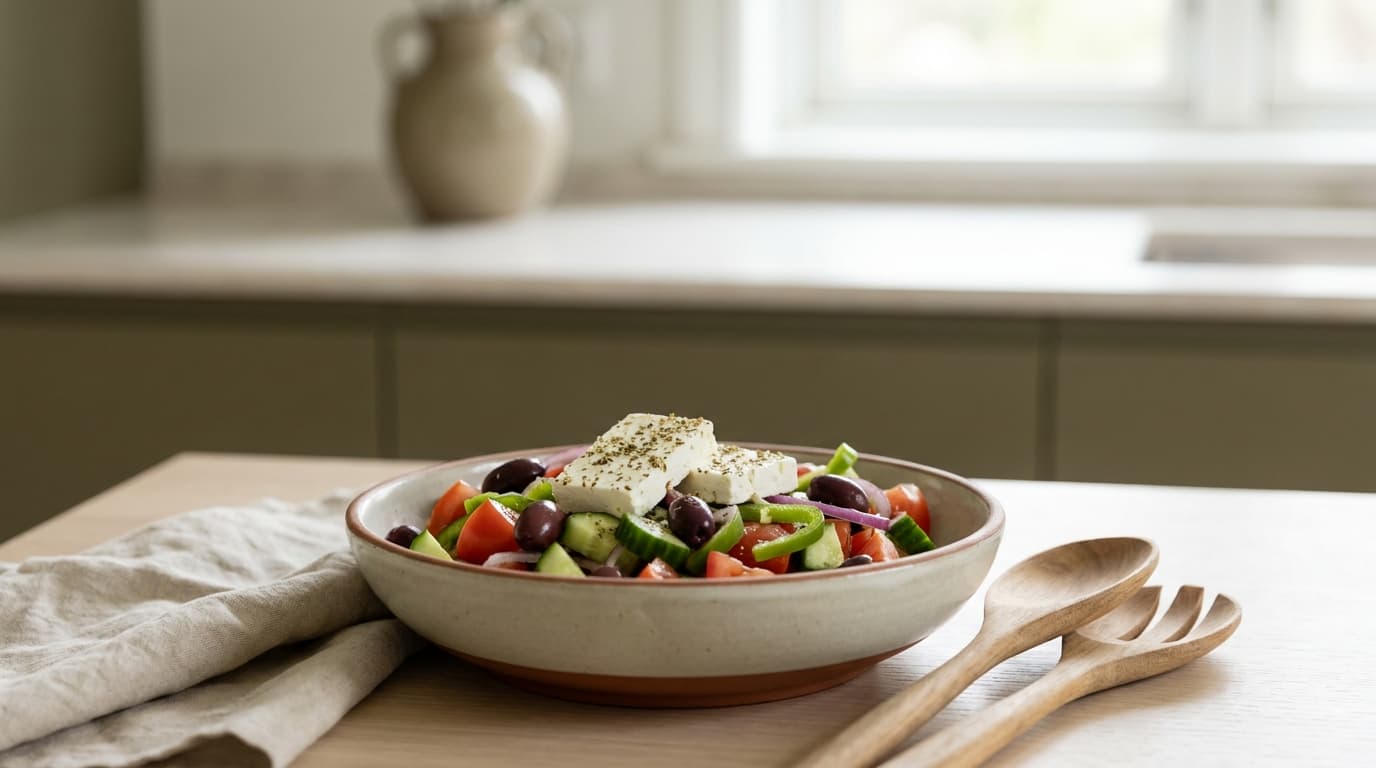
This technique delivers 100% of the raw, undamaged polyphenols directly to your body. You can easily finish hot dishes like soups or roasted vegetables with raw EVOO right before serving.
Drizzling just 1 tablespoon of raw EVOO over prepared fish amplifies both the flavor profile and the physical benefits. The gentle heat of the food releases the oil's aromatics without destroying its delicate compounds.
Identifying Authentic Extra Virgin Olive Oil
Selecting a genuine, unadulterated product is the most critical step in this entire process. Always seek a harvest date from within the last 12 to 18 months for maximum freshness.
A slight peppery burn at the back of the throat is an excellent indicator of high oleocanthal content. Use this simple checklist to guarantee you are buying the real thing:
Authenticity checklist
- Harvest date check — Look for a specific month and year of harvest printed on the back label.
- Quality certification — Find a third-party certification seal from a recognized olive oil council.
- Packaging inspection — Ensure the container is made of dark glass or opaque metal.
While extra virgin olive oil is incredibly supportive of long-term health, it is also important to understand how it fits into your broader nutritional goals.
Practical Considerations and Misconceptions
Although olive oil is exceptionally healthy, structural balance remains a cornerstone of the Mediterranean diet. I advise viewing olive oil as a powerful replacement for less healthy fats.
It should not simply be treated as an addition to an already heavy, calorie-dense diet.
Caloric Density and Mindful Portioning
You can easily maintain a healthy weight while consuming these nutrient-dense fats. The key is to swap out saturated fats, like heavy butter, for EVOO in your daily recipes.
One tablespoon contains roughly 120 calories, highlighting the strict need for mindful portioning. However, you can rest assured that these MUFAs are actively utilized by the body for cellular repair.
Metabolic Insight
Monounsaturated fats from olive oil are actively prioritized for metabolic functions and cellular repair, rather than being immediately stored as excess body fat.
Balancing with Other Healthy Fats
You need a diverse intake to achieve a complete and resilient fatty acid profile. Integrating Omega-3 sources alongside the Omega-9s found in olive oil is the optimal strategy.
I recommend consuming at least 2 servings of fatty fish like salmon or sardines per week to fully optimize the diet's anti-inflammatory power. Furthermore, no.Diet makes tracking this overall balance effortless with its integrated lifestyle challenges.
The app's light guided exercises perfectly complement this nutritional balance, supporting comprehensive cardiovascular health. Let's clear up a few final, common questions about utilizing olive oil effectively on the Mediterranean diet.
Get started with no.Diet
FAQ
Is taking a spoonful of olive oil daily better than eating it with food?
No, consuming it with food is significantly better for your overall digestion and nutrient absorption. The fat helps your body absorb vital fat-soluble vitamins from the vegetables and proteins you eat.
Taking it alone on an empty stomach can sometimes cause mild digestive discomfort.
Can I use regular olive oil on the Mediterranean diet instead of extra virgin?
You can use regular olive oil, but you will miss out on the most potent health benefits. Regular olive oil is refined, meaning it has lost almost all of its protective polyphenols and antioxidants.
Extra virgin should always be your first choice for daily consumption.
Does cooking with extra virgin olive oil destroy its health benefits?
Cooking with high-quality extra virgin olive oil does not destroy its primary health benefits. The rich antioxidant content actually protects the oil from oxidizing at standard cooking temperatures up to 400°F (204°C).
It is perfectly safe and healthy for sautéing, roasting, and baking.
How long does extra virgin olive oil last before losing its benefits?
Properly stored extra virgin olive oil typically retains its peak benefits for 12 to 18 months after the harvest date. Once opened, you should aim to consume the bottle within 60 to 90 days for maximum freshness.
Store it in a cool, dark place to slow down the degradation process.
Related Articles

Flame Diet App Review: What You Get, What It Costs, and How To Cancel
Nutrition5 min read

Senior Diet App Review: What's Included, What It Costs, and How To Cancel
Nutrition5 min read

K-Diet App Review: What's Inside, What It Costs, and How To Manage It
Nutrition5 min read

Is It Keto: Your Guide to Checking Foods Fast and Entering Ketosis in 3-4 Days
Nutrition5 min read
.jpg&w=3840&q=75)
What Is the Healthiest Diet for Healthy Aging in 2026: A Practical Guide
Nutrition5 min read

What to Eat on Mediterranean Diet in 2026: Practical Guide for Sustainable Energy
Nutrition5 min read
Comments
(0)Leave a comment
Your email will not be published. All fields are required.