Carnivore Diet for Weight Loss: What the Science Actually Says
By: Healthtime Editorial
Updated on: September 20, 2026
0
897
5 min
In this article
- The Mechanisms Behind Carnivore Diet Weight Loss
- What Observational Studies and Self-Reports Show
- How Carnivore Compares to Other Low-Carbohydrate Approaches
- Practical Considerations That Affect Outcomes
- Key Takeaways

The carnivore diet–an eating pattern restricted entirely to animal products, with zero plant foods–has generated considerable controversy and equally considerable interest.
Advocates report dramatic weight loss, resolution of chronic inflammatory conditions, and improved mental clarity. Critics point to the elimination of fiber and plant nutrients, concerns about saturated fat intake, and the absence of large long-term randomized controlled trials.
The reality, as with most nutritional science, is more nuanced than either camp typically acknowledges.
Here is what the current evidence actually shows about the carnivore diet and weight loss–without the ideology. And here is how a tool like the Carnimeat app helps translate that science into a practical, structured daily approach.
The Mechanisms Behind Carnivore Diet Weight Loss
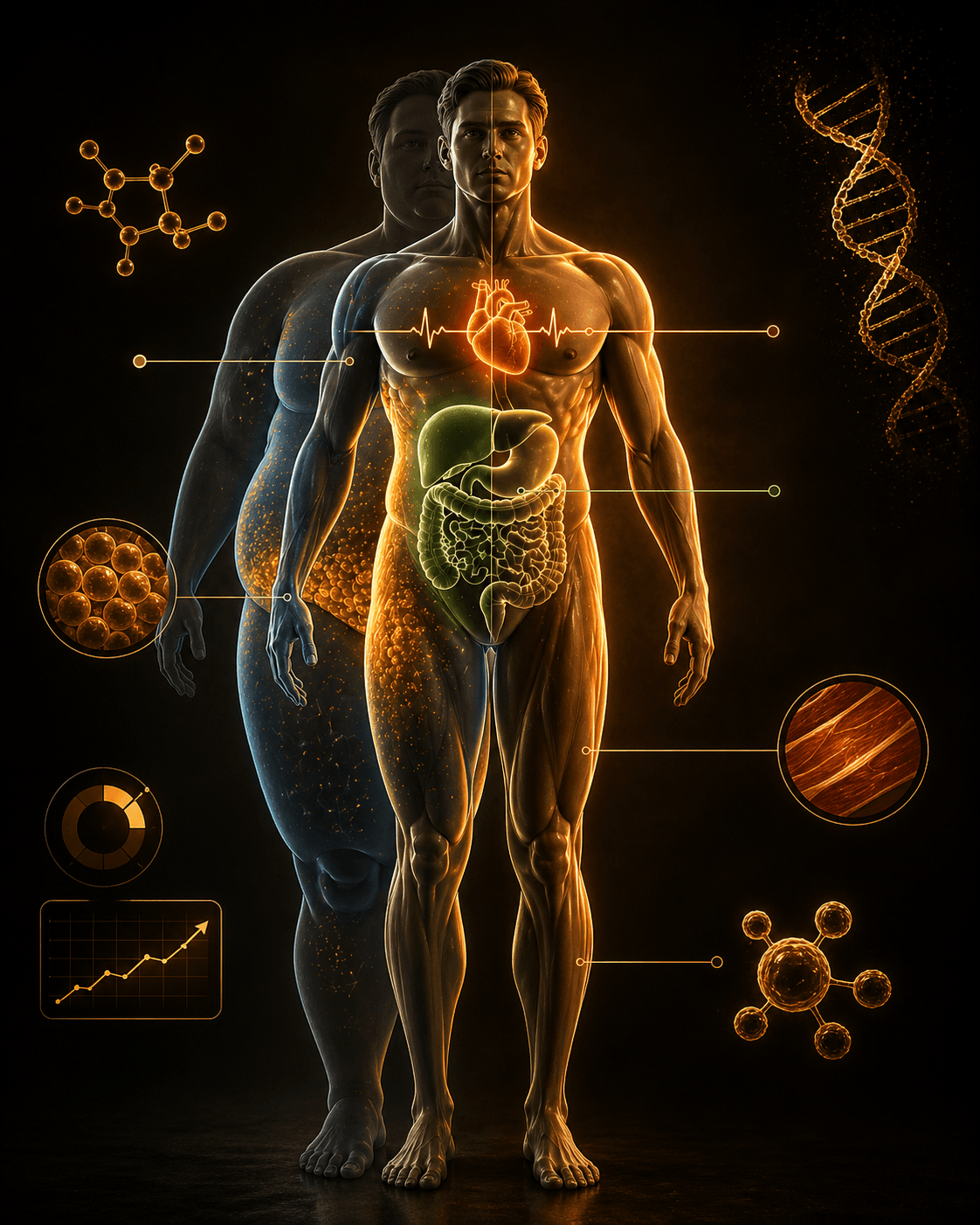
Understanding why the carnivore diet produces weight loss in many people requires understanding its primary physiological mechanisms, which are distinct from simple caloric restriction.
- Insulin suppression and fat mobilization. Dietary carbohydrates stimulate insulin secretion, which promotes fat storage and inhibits fat breakdown. The carnivore diet, which contains essentially zero carbohydrates, keeps insulin consistently low. This hormonal environment favors fat mobilization–the release of stored fatty acids from adipose tissue for use as fuel. Many people on a carnivore diet burn stored body fat more readily than on a mixed macronutrient diet, even when total caloric intake is not strictly controlled.
- Powerful satiety signaling. Animal proteins and fats are among the most satiating macronutrients available. Protein consumption stimulates the release of satiety hormones including PYY, GLP-1, and CCK, which reduce appetite and delay hunger. Dietary fat triggers cholecystokinin release, adding to the satiety signal. Many carnivore dieters report a significant reduction in hunger between meals–and consequently, a spontaneous reduction in total daily caloric intake without counting calories.
- Elimination of highly palatable, calorie-dense foods. Ultra-processed foods–chips, cookies, sugary beverages, fast food–are engineered to override normal satiety signaling. They are absent from the carnivore diet by definition. This elimination alone can produce substantial spontaneous caloric reduction in people who previously consumed significant quantities of these products.
- Initial water weight loss. Carbohydrate restriction depletes glycogen stores in the liver and muscles. Each gram of glycogen is stored with approximately three to four grams of water. As glycogen is used up in the first week of the carnivore diet, substantial water weight is released–sometimes four to six kilograms in the first two weeks. This is not fat loss, but it is real weight loss, and it provides early motivation that supports continued adherence.
What Observational Studies and Self-Reports Show
A large-scale survey study published in 2021 examined the health outcomes of 2,029 people following a carnivore diet for an average of 14 months.
Participants reported high rates of satisfaction, significant weight loss, and improvements in various health markers including energy, mental clarity, and reduction in symptoms of autoimmune and digestive conditions. Reported adverse effects were minimal, and many respondents had reversed pre-existing conditions they attributed to the dietary intervention.
The limitations of self-report surveys are acknowledged–but the consistency of outcomes across a large population provides meaningful observational evidence that the diet produces real results for real people when followed correctly.
Carnimeat app was designed with exactly this population in mind: people who are serious about the carnivore protocol and want the structural support to follow it properly rather than improvising their way through the adaptation phase.
How Carnivore Compares to Other Low-Carbohydrate Approaches
Ketogenic diets–which restrict carbohydrates to under 50 grams daily while allowing plant fats and above-ground vegetables–have a substantially larger body of clinical research behind them. Meta-analyses of ketogenic diet studies consistently show superior short-term weight loss compared to low-fat diets, with maintained advantages at 12-month follow-up in many studies.
The carnivore diet represents a more extreme version of carbohydrate restriction, eliminating all plant foods rather than merely limiting carbohydrates. Many practitioners report that full elimination is necessary for specific therapeutic purposes–particularly for autoimmune conditions, severe gut dysbiosis, or food allergy identification.
For straightforward weight loss, the incremental advantage of full carnivore over well-formulated ketogenic diets is less clearly established from available data–an honest distinction worth making, and one that Carnimeat accommodates by supporting both strict carnivore and more flexible animal-based protocols within its meal planning framework.
Practical Considerations That Affect Outcomes
The research gap in carnivore diet studies is partly offset by the specificity and consistency of user reports. Several practical factors consistently separate those who achieve significant, sustained results from those who struggle.
- Adequate fat intake–roughly one gram of fat per gram of protein by weight–is essential for satiety and sustained energy, and undereating fat is the most common mistake.
- Electrolyte management during the adaptation phase requires deliberate sodium supplementation of 3,000 to 5,000mg daily to prevent the fatigue and cramping that cause early dropout.
- Structured meal planning–rather than daily improvisation–is one of the strongest predictors of sustained adherence.
- Electrolyte management during the adaptation phase requires deliberate sodium supplementation of 3,000 to 5,000mg daily to prevent the fatigue and cramping that cause early dropout.
- Structured meal planning–rather than daily improvisation–is one of the strongest predictors of sustained adherence.
This is precisely where Carnimeat delivers its most tangible value: removing the daily planning burden, ensuring fat ratios are correct, flagging electrolyte needs during adaptation, and providing the recipe variety that keeps the protocol sustainable beyond the first enthusiastic weeks.
Time perspective matters too–the adaptation phase lasts two to four weeks and involves temporary discomfort, and Carnimeat's onboarding sets this expectation clearly so users commit to the full adaptation period rather than abandoning the protocol just before the metabolic benefits become apparent.
Key Takeaways
The carnivore diet produces weight loss through insulin suppression, enhanced satiety signaling, and elimination of highly palatable ultra-processed foods.
Initial weight loss includes water weight from glycogen depletion–real but distinct from fat loss, and best interpreted through a trend-tracking tool like Carnimeat rather than daily scale readings.
Observational data is broadly positive, but large-scale controlled trials are lacking and results should be interpreted with appropriate scientific caution.
The diet compares favorably to ketogenic approaches in theory, but the specific advantage over well-formulated keto for weight loss is not clearly established by available research.
The diet compares favorably to ketogenic approaches in theory, but the specific advantage over well-formulated keto for weight loss is not clearly established by available research.
And practical factors–fat intake adequacy, electrolyte management, and structured meal planning through Carnimeat app–are the primary determinants of whether individuals actually achieve the results the science suggests are possible.
Related Articles

Flame Diet App Review: What You Get, What It Costs, and How To Cancel
Nutrition5 min read

Senior Diet App Review: What's Included, What It Costs, and How To Cancel
Nutrition5 min read

K-Diet App Review: What's Inside, What It Costs, and How To Manage It
Nutrition5 min read

Is It Keto: Your Guide to Checking Foods Fast and Entering Ketosis in 3-4 Days
Nutrition5 min read
.jpg&w=3840&q=75)
What Is the Healthiest Diet for Healthy Aging in 2026: A Practical Guide
Nutrition5 min read

What to Eat on Mediterranean Diet in 2026: Practical Guide for Sustainable Energy
Nutrition5 min read
Comments
(0)Leave a comment
Your email will not be published. All fields are required.