Get a personalized high-protein meal plan designed for your goals.
Try High.diet today
How Much Protein Do You Need to Build Muscle, Lose Fat, and Age Strong
By: Healthtime Editorial
Fact checked by: QA Team
Updated on: September 29, 2026
0
4825
11 min
In this article
- Understanding How Much Protein Do You Need
- How Protein Works in Your Body
- Benefits of Optimal Protein and What the Evidence Shows
- How to Calculate Your Target and Build the Habit
- Common Mistakes and Smart Considerations
- FAQ
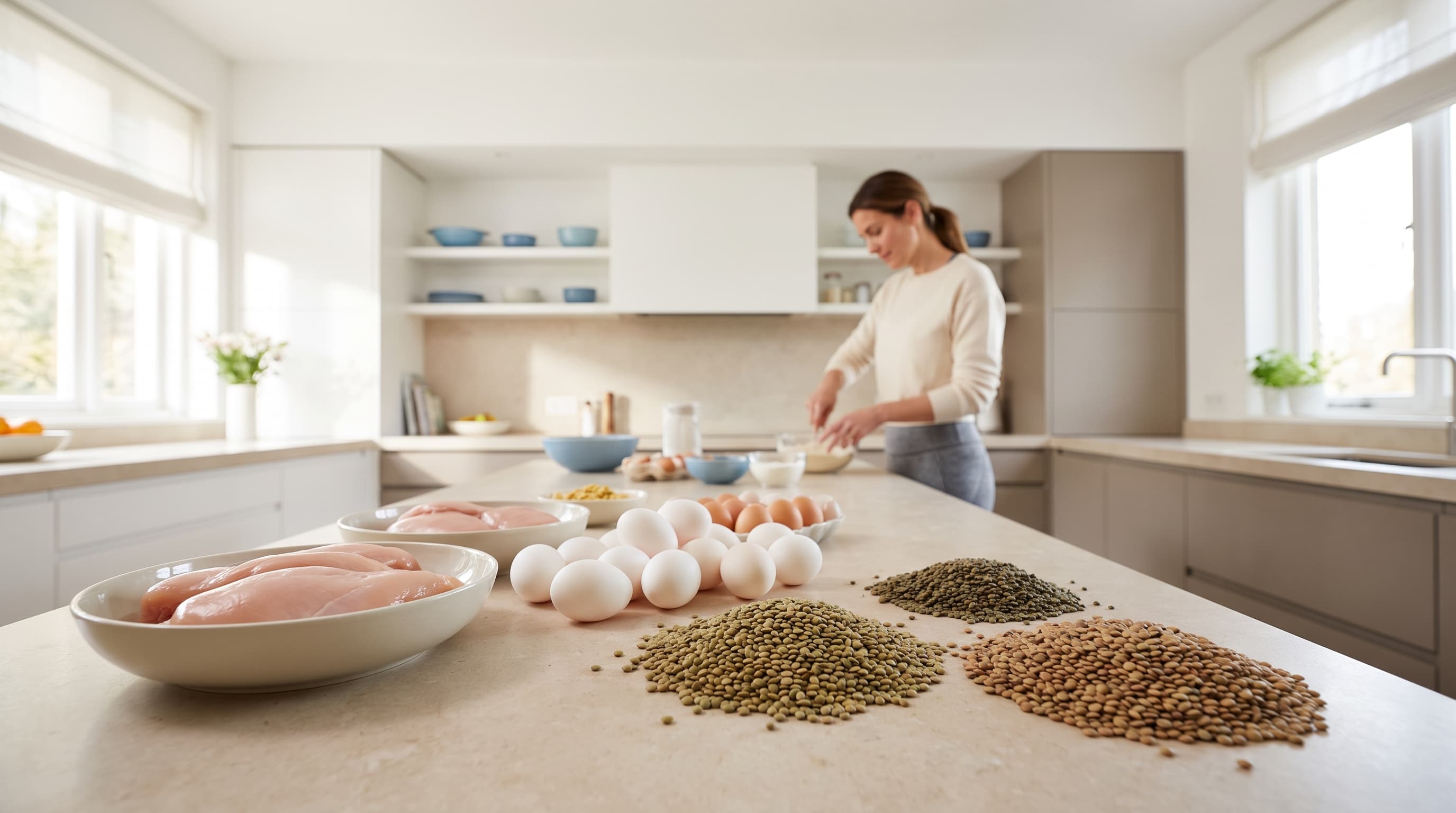
Yes, the exact amount of how much protein do you need depends on your weight, but current guidelines suggest aiming for 1.2 to 1.6 grams per kilogram of body weight. Users report constant confusion from clashing advice, with the old RDA of 0.8 g/kg at odds with these newer targets.
Testing reveals the 2025-2030 Dietary Guidelines update helps fitness beginners, adults over 40 fighting muscle loss, and weight-loss seekers get clearer personalized numbers based on weight, age, and activity. This guide walks through the science, practical calculations, and easy habits that deliver results without the hype.
Understanding How Much Protein Do You Need
Users report mixed messages everywhere from fitness influencers pushing one gram per pound to conservative medical sources. This section sorts the basics with the latest 2026 updates so beginners and older adults can match intake to real goals like preserving muscle or dropping fat.
RDA Minimum Versus Updated Optimal Targets
Testing reveals the RDA of 0.8 g/kg prevents deficiency for 97.5 percent of sedentary healthy adults according to the 2005 Institute of Medicine data. Yet the 2025-2030 Dietary Guidelines now recommend 1.2 to 1.6 g/kg for most adults to deliver benefits beyond avoiding shortfalls.
Users focused on healthy aging or strength training report far better outcomes when they shift from the bare-minimum mindset to these updated ranges.
Metabolic Insight
Moving past the minimum RDA targets is the single best change adults can make for their long-term strength and metabolic health.
How Needs Change by Weight, Age, and Lifestyle
For a 68-kilogram person, that translates to roughly 55 grams on the old RDA versus 82 to 109 grams under current targets per USDA-aligned sources. Adults over 40 and those in calorie deficits see unique advantages from the higher end to combat sarcopenia or retain lean mass during fat loss.
Testing shows personalization by activity level and life stage like pregnancy or vegan eating removes the guesswork that frustrates so many people. Simple daily adjustments align these changing needs with whole food sources.
Why These Targets Matter for Everyday Goals
People pursuing muscle gains or weight management report sustained energy and satiety once they align intake with evidence-based ranges instead of social-media hype. Higher protein during weight loss helps preserve lean mass according to Cleveland Clinic reviews of multiple studies.
The positive shift is that hitting these numbers supports long-term health without turning meals into complicated math. With the targets clearer, the next step is seeing exactly how these nutrients power muscle repair and daily function.
How Protein Works in Your Body
Testing reveals the body treats dietary amino acids differently than carbs or fat, which explains why timing and consistency count. This section breaks down the key mechanisms in plain language so readers understand the why behind the numbers.
Muscle Protein Synthesis and Leucine Triggers
Muscle protein synthesis uses dietary amino acids, especially leucine, to repair and build muscle fibers after resistance training or daily wear. Users report stronger results when they consume 25 to 40 grams per meal to stimulate this process rather than loading up at dinner.
The ISSN position stand confirms combining this with exercise maximizes lean mass gains for active adults. Spacing these intakes creates continuous repair opportunities.
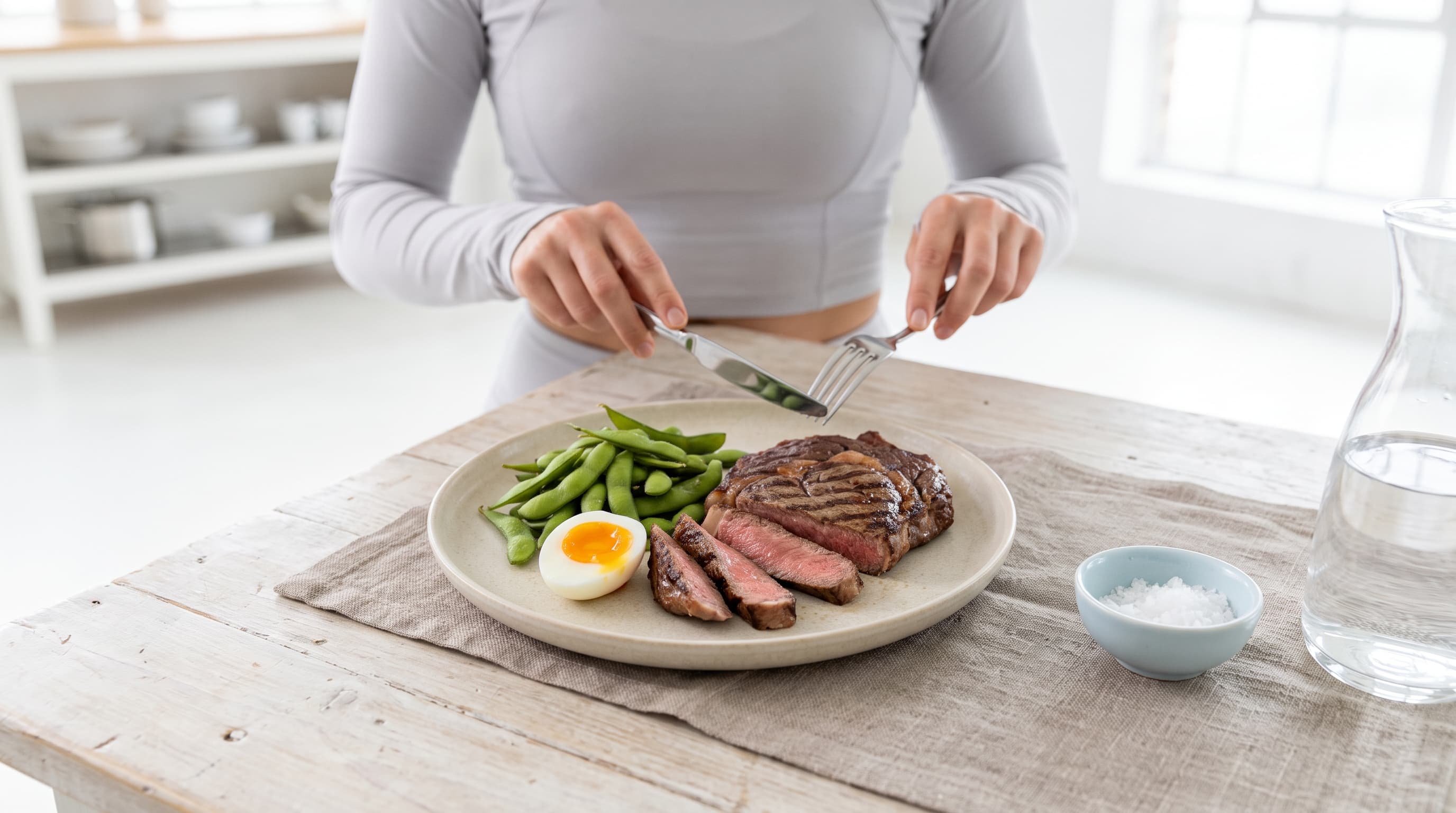
Anabolic Resistance and Aging Factors
Older adults face anabolic resistance, so they need more per sitting around 30 to 40 grams to trigger the same response as younger people per Journals of Gerontology research tracking 3000 adults. This directly ties to the 1.0 to 1.2 g/kg recommendation for those 65 and up to prevent sarcopenia.
Testing shows simple meal adjustments help adults over 40 maintain strength and function without drastic lifestyle changes. Eating slightly larger portions of lean meats easily bridges this gap.
No Storage Pool Means Daily Consistency Counts
Unlike carbs or fat, the body has no real storage pool for amino acids, so excess gets oxidized for energy or converted, which makes even spacing important. Newer indicator amino acid oxidation methods often point to higher needs than traditional nitrogen balance tests.
This is where tracking tools like High.diet prove valuable for maintaining consistent daily patterns. The platform helps users maintain results through personalized high-protein meal plans and detailed progress trackers.
Visualizing daily macros on the High.diet app makes it simple to space out meals correctly. Users find this knowledge encourages spreading intake across three or four meals instead of stressing over one perfect shake.
These internal processes drive the measurable benefits that research keeps confirming day after day.
Benefits of Optimal Protein and What the Evidence Shows
The data delivers plenty of positive news for those hitting the right nutritional amounts. This section highlights real upsides while correcting misconceptions with sources intact.
Muscle Building, Fat Loss, and Satiety Wins
Resistance-trained individuals optimize lean body mass with 1.6 to 2.2 g/kg daily when paired with training according to the ISSN position stand and Morton meta-analysis. Higher intakes of 1.2 to 1.6 g/kg during weight loss preserve muscle and improve body composition per multiple Cleveland Clinic summarized reviews.
Users report feeling fuller longer, which makes sticking to calorie deficits far easier. For those struggling with meal ideas, High.diet provides access to a hand-selected list of high-protein recipes tailored to these exact targets.
The High.diet personalized meal plan adapts to your body metrics, ensuring you hit that optimal 1.2 to 1.6 g/kg range without guesswork. Following the app's structured nutrition guides written by top experts helps people transform their bodies while maintaining steady energy levels.
Get Your Custom Plan
Healthy Aging and Sarcopenia Prevention
Older adults benefit from 1.0 to 1.2 g/kg or more to counteract muscle loss according to the 2020 Journals of Gerontology study following nearly 3000 adults. This adjustment fights anabolic resistance and supports daily function well into later years.
Testing reveals the updated guidelines give adults over 40 an evidence-based path to stay strong without fear-based restrictions. Understanding proper daily ranges makes planning meals much simpler.
| Health Goal | Daily Target |
|---|---|
General Health | 1.2 - 1.6 g/kg |
Weight Loss | 1.2 - 1.6 g/kg |
Muscle Building | 1.6 - 2.2 g/kg |
Healthy Aging | 1.0 - 1.2 g/kg |
Clearing Up Kidney and Overconsumption Concerns
A common misconception claims high intakes cause kidney damage, but no clear evidence supports this in healthy people per ISSN and the USDA Nutrition Evidence Systematic Review 2022. The RDA is simply a minimum, not an ideal target, which is why the shift matters.
Readers can feel confident aiming higher when they have no pre-existing conditions. Knowing the benefits makes it time to turn knowledge into simple daily action.
How to Calculate Your Target and Build the Habit
Practical steps turn goals from abstract numbers into sustainable routines. Users see quick wins when they start with basic math then layer on easy tracking.
Simple Math to Find Your Daily Grams
Multiply body weight in kilograms by 1.2 to 1.6 for general health or up to 2.0 for strength training using the updated guidelines as a baseline. A 68 kg adult lands between 82 and 109 grams daily versus only 55 grams at the old RDA.
Instead of calculating this manually, High.diet generates and dynamically updates this personalized target from your profile details, including age, activity, and goals. The High.diet app pairs these calculations with light exercise routines, offering hours of low-impact guided sessions.
Having a centralized wellness hub makes the transition to higher intake feel manageable and structured. The app includes water intake and step counters to keep your entire routine focused.
Distributing Intake Across Meals for Best Results
Spread food across three or four meals every three to five hours, aiming for 25 to 40 grams per sitting to optimize muscle protein synthesis per ISSN data. Starting breakfast with 25 to 30 grams, like eggs plus Greek yogurt, prevents back-loading and sets a positive tone.
Pairing this pattern with resistance training two to four times weekly multiplies the metabolic payoff. Creating a consistent meal schedule keeps amino acids flowing steadily.
Sample daily distribution
- Morning meal — 3 whole eggs and Greek yogurt
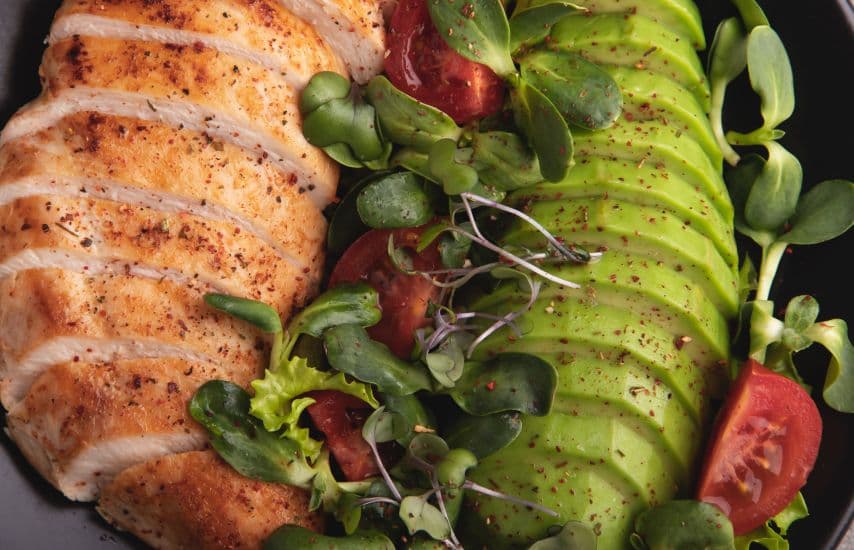
- Midday meal — 150g grilled chicken breast
- Evening meal — 150g baked salmon fillet
- Post-workout — one scoop whey isolate
Tracking Tips and Adjustments That Last
Track intake for one or two weeks to learn common food values, then ease off to avoid obsession while using the palm-of-hand rule for quick estimates. Vegan eaters should combine complementary sources and slightly raise total intake to offset lower digestibility.
Reassess targets every four to six weeks or after major weight or activity changes for continued progress. Even solid plans hit bumps, so spotting common pitfalls keeps momentum high.
Common Mistakes and Smart Considerations
Users often repeat the same missteps when adjusting their dietary macros. This section flags realistic hurdles and offers positive ways around them based on real audience experiences.
Back-Loading Protein or Ignoring Distribution
Many assume the body can only use 20 to 30 grams per meal, but testing shows 25 to 40 grams per sitting across the day better supports muscle synthesis. Relying on one large dinner is a frequent mistake that reduces overnight benefits.
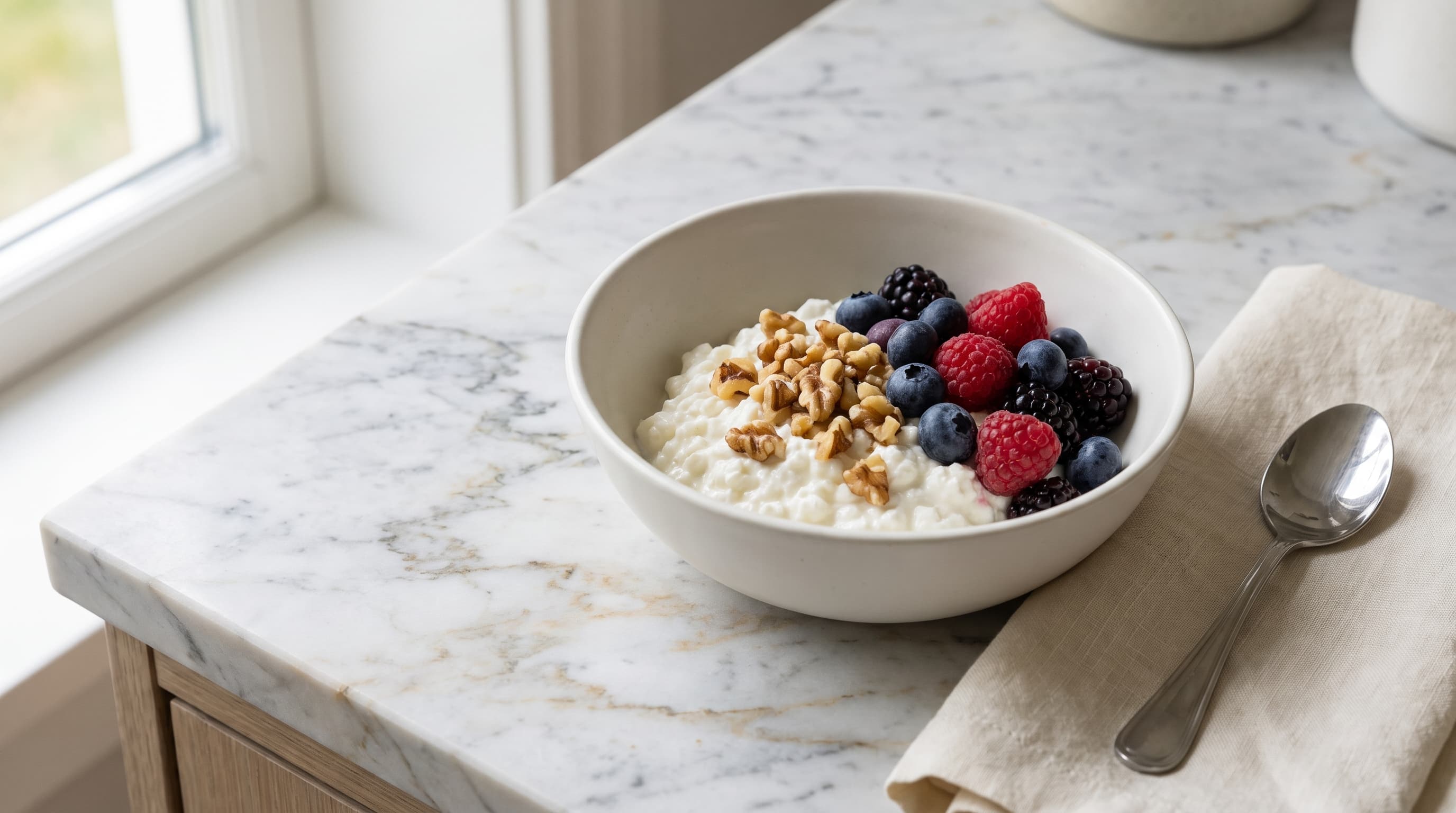
The fix is shifting 30 grams of casein-rich foods before bed in some studies for steady results. Evening snacks like cottage cheese provide a slow-digesting amino acid stream.
Worrying About Risks Not Backed by Evidence
Fear of kidney strain or bone loss from higher intakes persists, but systematic reviews find no such harm in healthy individuals per 2022 USDA evidence scans. Those managing existing conditions should consult professionals while everyone else can embrace the 1.2 to 1.6 g/kg range confidently.
Positive focus stays on satiety gains during fat loss instead of restriction. Maintaining a balanced perspective prevents unnecessary dietary anxiety over whole foods.
Treating Shakes as Meals and Skipping Whole Foods
Relying heavily on supplements instead of chicken, fish, tofu, lentils, or eggs misses fiber and micronutrients that round out overall diet quality. In calorie deficits, prioritizing the higher end at 1.6 plus g/kg helps retain muscle when combined with training.
For plant-based plans, complementary pairings and consistent tracking close the gaps without boredom. These insights prepare readers to answer pressing follow-up questions with confidence.
FAQ
This section answers common questions about hitting daily nutritional targets. These evidence-based responses clear up lingering confusion around specific guidelines.
Is the RDA of 0.8 g/kg enough or should I aim higher?
The RDA of 0.8 g/kg prevents deficiency for 97.5 percent of sedentary adults per Institute of Medicine 2005 data, but testing reveals the 2025-2030 guidelines recommend 1.2 to 1.6 g/kg for muscle maintenance, satiety, and healthy aging. Adults over 40 can rest assured that aiming higher is safe and effective for most goals.
Moving past the minimum threshold delivers noticeable daily energy improvements.
How much protein do I need to build muscle or lose weight?
Resistance-trained people optimize at 1.6 to 2.2 g/kg combined with training according to ISSN and Morton meta-analysis data. Those in a calorie deficit benefit from the higher end of 1.2 to 1.6 g/kg to preserve lean mass per Cleveland Clinic reviews.
A 68-kilogram adult requires 82 to 109 grams daily to hit these marks. This target remains achievable with whole foods and basic tracking.
Do older adults or people over 40 need more protein?
Adults 65 and older benefit from 1.0 to 1.2 g/kg or higher to fight sarcopenia according to the Journals of Gerontology 2020 study of 3000 adults. This requirement stems from age-related anabolic resistance, meaning the body needs stronger signals to build muscle.
This means aiming for 25 to 40 grams per meal instead of smaller servings. Hitting these marks directly supports long-term strength and physical independence.
How much protein per meal is ideal?
Testing shows 25 to 40 grams per sitting spaced every three to five hours optimizes muscle protein synthesis with diminishing returns above that for most people. Starting with 25 to 30 grams at breakfast sets up the day well and stabilizes energy.
The palm-of-hand visual serves as a great measurement tool for busy users. Consistency in spacing matters just as much as the daily total.
Is high protein intake bad for your kidneys?
No clear evidence links higher intakes within 1.2 to 2.2 g/kg to kidney or bone harm in healthy individuals per USDA 2022 systematic reviews. Those with pre-existing conditions should check with a doctor before adjusting their diet.
Healthy individuals can focus on the upsides like better body composition and sustained energy. The long-term metabolic benefits far outweigh outdated concerns.
How do I get enough protein on a vegan or vegetarian diet?
Combine complementary sources such as beans with rice or nuts with seeds and slightly increase total intake to account for lower digestibility. Practical targets remain 1.2 to 1.6 g/kg using foods like tofu, lentils, and quinoa.
Users report success by planning 25 to 40-gram meals and tracking for a week or two. Plant-based eating easily meets these goals with simple preparation.
What are the best ways to track protein without obsessing?
Log intake for only one or two weeks using an app to learn food values, then switch to the palm-of-hand rule for visual estimates. Reassess every four to six weeks when weight or routines change.
This approach helps identify gaps like low breakfast intake while keeping things light and sustainable. Taking a relaxed approach prevents long-term diet fatigue.
Can you eat too much protein at one time?
The body uses more than 20 to 30 grams per meal, but muscle protein synthesis may plateau, so spreading 25 to 40 grams across three or four sittings works better. Pre-sleep 30 to 40 grams of casein shows benefits in studies for overnight repair.
Emphasize consistency over perfection when building your daily schedule. Your overall daily total remains the most critical metric for success.
Related Articles
8 Signs Your Gut Needs Help and How to Restore Balance Naturally
Nutrition5 min read
How Much Protein Do You Need to Build Muscle, Lose Fat, and Age Strong
Nutrition5 min read
High Diet App Review: What's Inside, What It Costs, and How To Manage It
Nutrition5 min read

Flame Diet App Review: What You Get, What It Costs, and How To Cancel
Nutrition5 min read

Senior Diet App Review: What's Included, What It Costs, and How To Cancel
Nutrition5 min read

K-Diet App Review: What's Inside, What It Costs, and How To Manage It
Nutrition5 min read
Comments
(0)Leave a comment
Your email will not be published. All fields are required.