Discover personalized meal plans to balance daily stress and energy.
Explore Cortisol Detox plans
Caffeine Levels in Your Favorite Drinks: The Guide to All-Day Energy Without Crashes
By: Healthtime Editorial
Fact checked by: QA Team
Updated on: October 21, 2026
0
496
10 min
In this article
- What You Should Know About Caffeine Levels in Your Favorite Drinks
- How Caffeine Works in the Brain and Body
- Benefits and What the Evidence Shows
- How to Optimize Your Daily Sip Routine
- Common Pitfalls and Considerations
- FAQ

Daily sips often fuel modern routines, giving many people the boost they need to conquer busy schedules. It is common to consume multiple beverages throughout the day without realizing the cumulative stimulant intake adding up.
Understanding caffeine levels in your favorite drinks allows for a strategic approach to hydration and alertness. Knowing exact milligram counts lets drinkers enjoy morning brews and afternoon pick-me-ups with steady focus.
This calculated approach prevents sudden jitters and protects against evening sleep debt. Managing these levels transforms random energy spikes into a dependable, all-day rhythm.
What You Should Know About Caffeine Levels in Your Favorite Drinks
Navigating daily beverages is much easier when breaking down the numbers behind common cups. Let's look at how typical orders stack up across popular categories.
The Daily Milligram Reality Check
There is a stark contrast between home brews and commercial chain offerings. Establishing this baseline helps consumers monitor their true daily intake.
An 8 oz home-brewed cup of Arabica delivers an average of 96 mg of caffeine. However, a 16 oz commercial medium roast can easily surge between 310 mg and 390 mg.
Serving sizes quietly double or triple baseline intake before lunchtime arrives. Checking the menu volume prevents accidental overconsumption.
| Beverage Type | Estimated Caffeine |
|---|---|
Home Drip (8 oz) | 96 mg |
Chain Roast (16 oz) | 310-390 mg |
Energy Drink (16 oz) | 160-300 mg |
Espresso Density Versus Cup Volume
Widespread confusion exists between stimulant concentration and total container volume. Density does not always equal a higher overall dose.
A single 1 oz espresso shot delivers a concentrated 63 mg of caffeine. Meanwhile, a standard 8 oz mug of drip coffee provides more total stimulant at 95 mg to 165 mg.
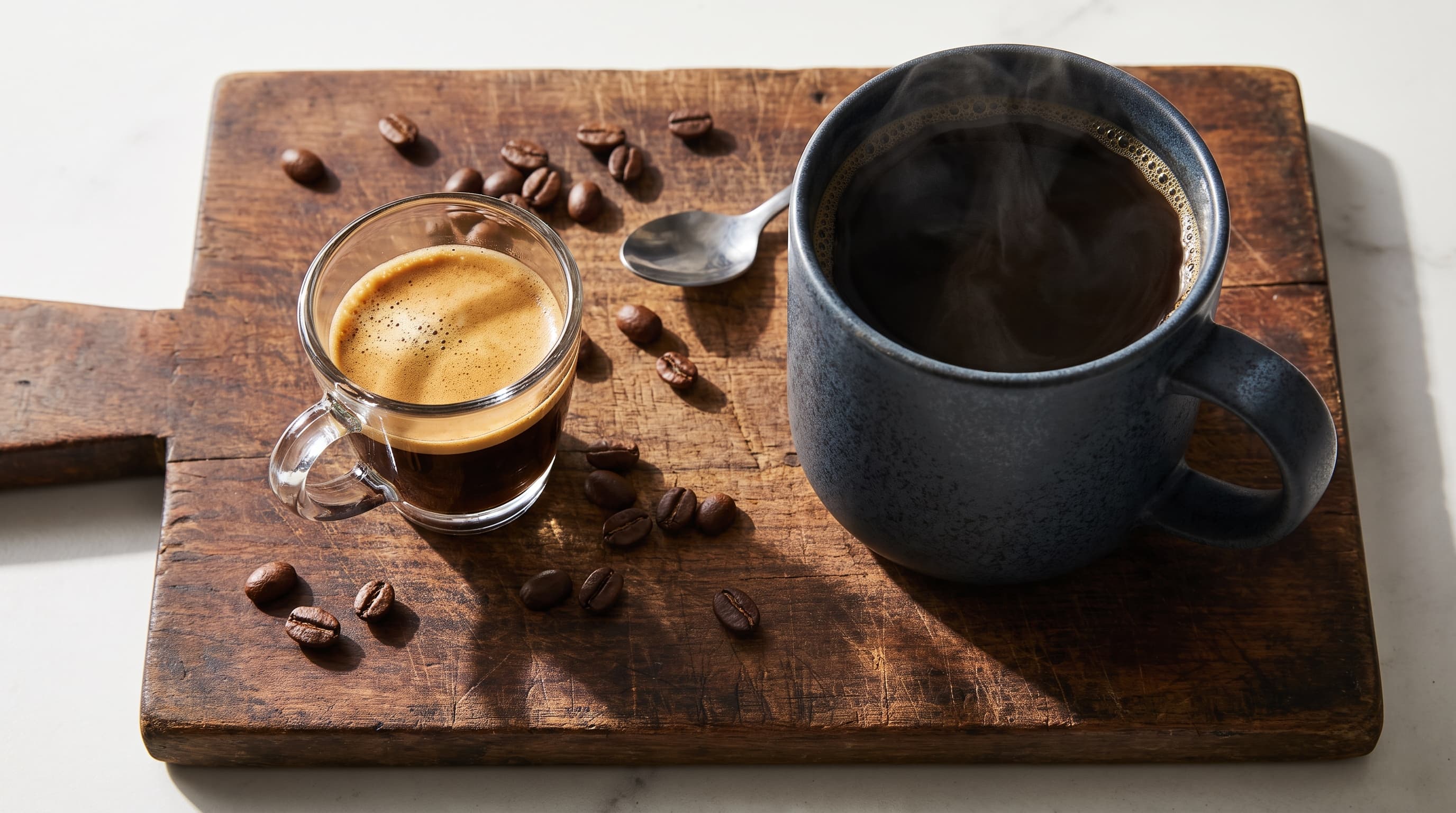
Sipping multiple espresso-based lattes adds up fast depending on extra added shots. Requesting a single shot in a large milk drink keeps the total load manageable.
Hidden Caffeine in Teas, Sodas, and Decaf
Everyday beverages carry stealthy stimulant loads outside of traditional coffee. Standard 12 oz colas contribute 34 mg to 54 mg to the daily total.
Brewed black tea carries 28 mg to 48 mg per cup, making it a moderate alternative. Even an 8 oz decaffeinated coffee retains trace amounts of active compounds.
Counting these smaller amounts is necessary when calculating overall daily tallies. Knowing the numbers is the first step, but seeing how those milligrams behave inside the brain explains why energy swings happen.
How Caffeine Works in the Brain and Body
Caffeine does not create energy out of thin air; it alters biochemical signaling pathways. Here is what happens under the hood with every sip.
Adenosine Receptor Blocking and the Crash
Caffeine molecularly mimics adenosine and slots into A1 and A2A adenosine receptors across the brain. This mechanism temporarily silences fatigue signals.
While you feel awake, cellular adenosine continues accumulating in background extracellular fluid. When caffeine metabolizes away, the pooled adenosine floods open receptors at once.
This sudden receptor flooding produces a heavy, undeniable crash. Staying hydrated can occasionally soften the blow of this rapid energy drop.
The Morning Cortisol Spike
Biological friction occurs between early-morning caffeine and natural endocrine rhythms. Natural cortisol levels naturally elevate in the hours after waking.
Stacking an exogenous stimulant atop this natural hormonal surge can amplify nervous tension and jitteriness. Cortisol Detox offers personalized plans to help reduce stress-related weight gain when managing these morning hormonal shifts.

The app includes anti-cortisol meal plans that pair perfectly with a balanced morning routine to stabilize energy. Users can access over a thousand recipes designed to calm the nervous system without relying on excess stimulants.
What sets it apart is the inclusion of daily habit trackers that help monitor morning anxiety triggers. Following this structured approach makes it easier to maintain steady focus throughout the day.
Clearance Rates and the CYP1A2 Enzyme
Caffeine pharmacokinetics explain why sensitivity varies so widely among friends. The stimulant carries an average elimination half-life of 3 to 7 hours in healthy adults.
It is primarily processed by the liver's CYP1A2 enzyme. Slow metabolizers hold active compounds in their bloodstream well into the late evening hours.
Understanding these biological mechanics highlights why clinical guidelines focus heavily on specific thresholds. Smart pairings and timing optimize the experience for every metabolic type.
Benefits and What the Evidence Shows
When consumed mindfully, caffeinated drinks offer clear cognitive lifts. Functional support is well-documented in clinical literature.
Staying Inside the 400 mg Sweet Spot
Established regulatory thresholds outline safe, health-supportive daily intake. FDA guidance confirms that up to 400 mg of caffeine per day poses no adverse cardiovascular risks.
This limit applies to healthy, non-pregnant adults seeking a reliable boost. Staying within this boundary supports alertness, athletic endurance, and reaction speed.
Keeping intake moderate prevents the nervous system from shifting into overdrive. It ensures that the benefits of your favorite drink remain consistent.
The Calming Balance of L-Theanine
Tea drinkers often report steady, sustained focus compared to the rapid spikes of energy drinks. The 20 mg to 30 mg of caffeine in green tea and matcha pairs naturally with L-theanine.

This amino acid crosses the blood-brain barrier to stimulate GABA production and alpha brain waves. The result is a relaxed alertness that avoids typical jitters.
Debunking the Dark Roast Strength Myth
A persistent misconception suggests that dark roasts deliver a stronger caffeine jolt than lighter roasts. In reality, prolonged roasting slightly reduces bean volume and burns off trace compounds.
Light roast beans retain equal or slightly higher caffeine concentrations by weight. Rich, dark flavor profiles reflect bean caramelization rather than higher stimulant doses.
Translating these scientific facts into daily habits turns random energy spikes into a smooth routine. Mindful consumption provides dependable energy without unexpected drawbacks.
How to Optimize Your Daily Sip Routine
Strategic timing and intentional habit stacking make a noticeable difference in daily alertness. These practices transform feeling drained into feeling consistently energized.
Delaying the First Cup by 60 to 90 Minutes
Holding off on the first caffeinated beverage until 60 to 90 minutes after waking yields better results. This brief waiting window allows natural sleep inertia to clear.
Waiting lets the morning cortisol surge peak and taper naturally. Pairing that first warm drink with a balanced breakfast buffers stomach acid and smooths out adrenaline uptake.
To establish a better morning routine, follow these practical steps:
Morning Routine Steps
- Hydrate first - Drink a glass of water immediately upon waking to rehydrate tissues.
- Delay consumption - Wait 90 minutes before having your first caffeinated drink.
- Pair with food - Consume protein or fats alongside your beverage to slow absorption.
Setting an 8-to-10-Hour Sleep Curfew
Establishing a dependable afternoon cutoff is a crucial framework for good rest. Calculate backward 8 to 10 hours from your intended bedtime.
This creates a strict stopping point, like 1:00 PM for a 10:00 PM sleep schedule. Consuming caffeine too close to bedtime can reduce restorative sleep time.
Tracking Daily Habits and Stress Indicators
Monitoring daily fluid intake, sleep latency, and stress patterns helps identify personal tolerance thresholds. Cortisol Detox serves as a practical companion for logging these metrics effectively.

The platform offers comprehensive progress tracking, including water intake logs and fasting trackers. Visual habit tracking helps users spot whether an extra afternoon cold brew is quietly elevating their stress levels.
While setting up a smart routine sounds simple, a few subtle slip-ups can derail progress. Adjusting these habits ensures long-term consistency.
Common Pitfalls and Considerations
Avoiding common oversights keeps daily consumption enjoyable and predictable. It also ensures your habits remain supportive of long-term wellness.
Quitting Cold Turkey Instead of Tapering
Abruptly stopping daily consumption after sustained high-volume intake is rarely effective. Sudden cessation triggers intense adenosine-rebound headaches, lethargy, and irritability.
These withdrawal symptoms typically linger for 2 to 9 days. A gentle taper by cutting back 25 mg to 50 mg every three days is far more sustainable.
Underestimating Cold Brews and Pre-Workouts
Accidental overconsumption frequently occurs when drinking concentrated performance beverages. Modern 16 oz performance energy drinks often pack 200 mg to 300 mg into a single can.
Checking nutritional labels closely is the best defense against jitters. Diluting cold brew concentrates with water or milk at a 1:1 ratio also tempers the intake.
| Beverage Focus | Safety Action |
|---|---|
Pre-workouts | Check label dosage |
Cold Brew | Dilute 1:1 ratio |
Energy Drinks | Monitor serving size |
Ignoring Special Health Guidelines
Distinct health situations exist where the standard 400 mg threshold does not apply. Organizations like ACOG advise pregnant or nursing individuals to cap intake at 200 mg daily.
This lower limit is due to slower fetal clearance rates for stimulants. Cortisol Detox supports a balanced approach by providing guided meditations and simple yoga workouts that naturally lower tension.
Engaging with these healthy challenges keeps individuals motivated on their wellness journey while staying within safe limits. Here are answers to the most common questions readers ask when evaluating their daily cup.
FAQ
How much caffeine can a healthy adult safely drink each day?
Major regulatory bodies like the FDA set the safe upper intake limit at 400 mg per day for healthy adults. This equals about three to four 8 oz cups of home-brewed coffee.
Staying within this range poses no adverse cardiovascular effects for the general population. Results vary by individual, so listening to body cues remains essential.
Does cold brew have more caffeine than regular iced coffee?
Cold brew generally has a higher concentration because of long 18 to 24 hour steeping times. However, the total milligrams depend heavily on how it is served.
If the final pour is diluted with water or milk, the total content drops. Pure concentrate serves up a much stronger dose than standard iced drip.
Why does matcha provide energy without the typical coffee jitters?
An 8 oz matcha contains a moderate 30 mg to 60 mg of caffeine combined with L-theanine. This amino acid promotes alpha brain waves and GABA activity.
The combination smooths out nervous spikes, leading to a calmer focus. Many people find this pairing ideal for sustained concentration.
Does decaf coffee contain any caffeine at all?
Decaffeinated coffee retains trace amounts of caffeine in most cases. It typically contains between 2 mg and 15 mg of residual caffeine per 8 oz serving.
Testing by consumer advocacy groups confirms these trace amounts. Highly sensitive individuals should still account for these milligrams late at night.
What causes the intense crash a few hours after drinking an energy drink?
Caffeine blocks adenosine receptors without stopping the body from generating adenosine. The fatigue-signaling compound continues to pool in the background.
Once the stimulant metabolizes, all the built-up adenosine binds at once. This creates the sudden, heavy fatigue known as a crash.
Can drinking coffee the minute you wake up increase stress hormones?
Cortisol naturally surges in the hours after waking. This is known as the Cortisol Awakening Response.
Stacking stimulants immediately on top of this peak can drive up baseline tension. Delaying intake helps smooth out the morning energy curve.
How many hours before bedtime should caffeine be cut off?
An 8 to 10 hour cutoff window before sleep is widely recommended by sleep experts. Timing matters just as much as the dose.
Consumption within several hours of bedtime can reduce restorative sleep quality. It can shorten total sleep duration by a significant margin.
Why does a single cup of coffee keep some people awake all night?
Genetic differences in the liver's CYP1A2 enzyme dictate whether someone is a fast or slow metabolizer. These biological traits vary widely between individuals.
Slow metabolizers retain active stimulant compounds in their system far longer. This delayed clearance disrupts normal sleep architecture if consumed late in the day.
Related Articles

How to Calculate Your Macros: A 4-Step Strategy for Fat Loss and Muscle Retention
Nutrition5 min read
Caffeine Levels in Your Favorite Drinks: The Guide to All-Day Energy Without Crashes
Nutrition5 min read
Unlocking Kimchi Benefits: How 60 Grams a Day Can Transform Gut Health and Metabolism
Nutrition5 min read

Food Pairing For Better Nutrient Absorption: The Practical Plate Guide
Nutrition5 min read

Harmony Diet App Review: What's Inside, What It Costs, and How To Manage It
Nutrition5 min read

10 Foods Associated With Slower Biological Aging
Nutrition5 min read
Comments
(0)Leave a comment
Your email will not be published. All fields are required.