Discover customized Mediterranean meal plans.
Start eating healthier
Fiber: How Much Should You Really Be Eating? The Daily 25g To 38g Target Explained
By: Healthtime Editorial
Fact checked by: QA Team
Updated on: November 4, 2026
0
596
9 min
In this article
- How Much Fiber Do Adults Really Need Daily?
- How Fiber Actually Works Inside the Digestive System
- Benefits and What the Clinical Evidence Shows
- How to Safely Build Up Your Daily Fiber Intake
- Common Mistakes and Considerations to Keep in Mind
- FAQ

The ideal daily target is 25 grams for adult women and 38 grams for adult men. Hitting these baseline numbers supports optimal digestion and long-term metabolic health.
Fiber has recently become the most discussed nutrient in modern wellness, moving far beyond dull breakfast cereals into a vital tool for glucose regulation. While social media often pushes extreme dietary trends, the scientific consensus points to a clear, achievable daily range.
This guide serves as a practical blueprint to hitting those optimal numbers without experiencing digestive discomfort. Navigating intake levels does not require stressful calculations when you understand the mechanics of the gut.
How Much Fiber Do Adults Really Need Daily?
Navigating daily nutrient targets often feels like decoding a complex spreadsheet, but baseline needs come down to straightforward physiological metrics. Knowing exactly where official standards sit explains why the modern diet falls so dramatically short.
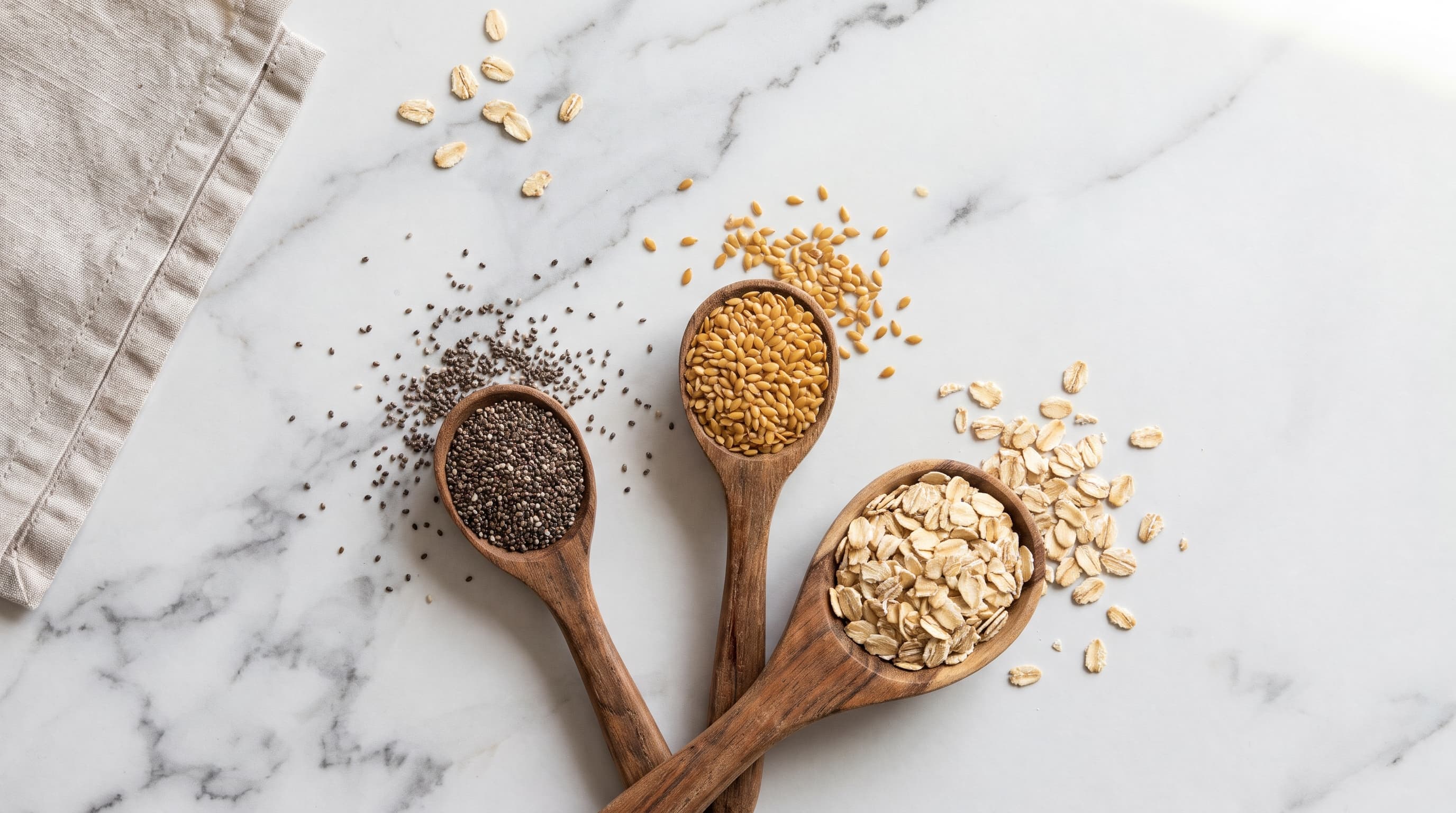
The Baseline Targets by Biological Sex and Calorie Intake
Official guidelines from the Institute of Medicine and the USDA recommend 25 grams daily for adult women and 38 grams for adult men under 50. For individuals past age 50, these recommendations shift slightly to 21 grams for women and 30 grams for men.
A universal benchmark to follow is 14 grams per 1,000 calories consumed. This ratio demonstrates that personal requirements scale directly with your daily energy expenditure.
The Everyday Fiber Gap: Why Many Fall Short
Most adults fail to meet these basic intake levels. Standard goals contrast sharply against typical consumption patterns, where average daily intake hovers around just 15 to 17 grams.
Closing this deficit does not demand extreme restriction or crash dieting. Instead, reaching the target involves making smart, consistent whole-food upgrades.
Understanding the baseline target is step one, but realizing how these compounds function in the gut explains the urgency behind the numbers.
How Fiber Actually Works Inside the Digestive System
Dietary roughage is not simply passive material passing straight through the gastrointestinal tract. Different fractions perform distinct mechanical and biochemical tasks that support everything from cholesterol balance to microbiome diversity.
Soluble Fiber and Viscous Gel Formation
Soluble fiber dissolves in gastrointestinal fluids to form a thick, viscous gel during digestion. This gel matrix physically delays gastric emptying, which helps smooth out post-meal glucose spikes.
This process also drives a vital lipid-clearing mechanism by binding bile acids in the intestine. The liver is then forced to pull LDL cholesterol out of circulation to manufacture fresh bile.
Insoluble Fiber for Transit Speed and Bulking
Insoluble mass is typically found in wheat bran, dark leafy greens, and root vegetable skins. Because it does not dissolve in water, it attracts fluid into the digestive tract to add bulk and softness to stool.
This added physical mass mechanically stimulates the bowel walls as it moves through the system. That pressure triggers healthy, rhythmic peristalsis to keep digestion moving efficiently.
Prebiotic Fermentation and Short-Chain Fatty Acids
Specialized fermentable fibers travel undigested to the large intestine to feed trillions of resident microbes. Anaerobic bacteria ferment these complex plant carbohydrates into beneficial short-chain fatty acids like butyrate, acetate, and propionate.
Planning meals that maximize this prebiotic fermentation is easier with modern digital tools. The no.Diet platform delivers structured Mediterranean meal plans designed to consistently feed your microbiome with optimal plant variety.
The app includes comprehensive nutrition guides that help you select the most effective fermentable foods. Monitoring your daily progress ensures you maintain the consistency required to build a healthy gut barrier.
Butyrate acts as the primary fuel source for colonocytes, reinforcing the gut barrier against systemic inflammation. These gut-level mechanics translate directly into the measurable health improvements documented across major clinical trials.
Benefits and What the Clinical Evidence Shows
Mounting epidemiological data proves that adequate intake does far more than keep digestion regular. Meeting your daily target offers profound, measurable protection against metabolic and cardiovascular disorders.

Cardiometabolic Protection Confirmed by The Lancet
A landmark systematic review in The Lancet analyzed prospective cohorts and randomized trials regarding dietary patterns. Adequate fiber intake levels demonstrate protective benefits against all-cause mortality, stroke, and cardiovascular disease compared to low-fiber eaters.
The protective benefits scale upwards with higher consumption levels. Increasing intake from baseline levels helps reduce the risk of heart disease and type 2 diabetes.
Glycemic Control and Natural Satiety Regulation
Intact plant matrices lower the overall glycemic load of meals, keeping insulin levels stable rather than volatile. Delayed stomach emptying and gut hormone stimulation curb premature hunger cues.
Maintaining this steady glycemic control requires a balanced dietary approach that avoids severe restriction. The no.Diet app provides over 500 Mediterranean recipes that naturally optimize satiety through strategic food pairing.
Users can track their fasting windows and weight changes directly within the interface as their metabolism stabilizes. This comprehensive tracking system helps you understand exactly how specific meals impact your daily energy levels.
Correcting the 'Zero Nutritional Value' Myth
A widespread misconception suggests these carbohydrates provide zero energy because human enzymes cannot break them down directly. In reality, the short-chain fatty acids produced by microbial fermentation contribute usable cellular energy.
These compounds regulate metabolic signaling throughout the entire body. Passing up complex plants essentially starves the beneficial microflora responsible for training the immune system.
Knowing the science is inspiring, but successfully reaching 25 to 38 grams requires an intentional, step-by-step game plan.
How to Safely Build Up Your Daily Fiber Intake
Jumping straight from low roughage to massive plant bowls is a recipe for stomach pain. Building lasting digestive tolerance requires a deliberate, paced ramp-up paired with smart food combinations.
The 'Rule of 5' and Hydration Matching
The most effective titration guideline is to increase daily intake by no more than 3 to 5 grams per week. This gradual approach gives gut microbes adequate time to adjust without generating excessive gas.
Proper liquid intake is just as crucial as the food itself when expanding your diet. Loading up on dry roughage without proper fluids turns stool into dense, uncomfortable blockages.
Following fundamental hydration and timing rules ensures your body can comfortably process the additional volume.
Crucial adaptation rules
- The rule of 5 - increase intake by no more than 5 grams weekly
- Hydration matching - drink an extra 8 to 12 ounces of water for every 5-gram jump
Strategic Swaps: Seeds, Legumes, and Gentle Cooking
Making concrete whole-food swaps seamlessly boosts your nutritional numbers. Rinsing canned legumes thoroughly before eating washes away the raffinose oligosaccharides that typically trigger gas.
Prioritizing steamed, roasted, or sautéed vegetables over raw salads early on helps break down tough cellular walls for smoother digestion.
| Food Source | Fiber Content |
|---|---|
Chia seeds (1 tbsp) | 5 grams |
Ground flaxseed (1 tbsp) | 3 grams |
Black beans (1/2 cup) | 8 grams |
Streamlining Plant Diversity with Mediterranean Meal Planning
Building plates around diverse, unrefined plant groups like chickpeas, lentils, seasonal berries, and leafy greens is essential. Following a structured Mediterranean dietary pattern naturally hits 25 to 35 grams every day without synthetic powders.

Transitioning to this diverse eating style is simple when using the right resources. The no.Diet platform takes the guesswork out of daily meal prep by matching you with customized Mediterranean plans that fit your lifestyle.
The app includes built-in trackers for water intake and daily steps, ensuring your hydration scales perfectly with your dietary increases. The platform delivers motivating lifestyle challenges and 100+ simple workouts designed to support sustainable weight management.
By following guided nutrition advice from top experts, hitting optimal nutritional targets becomes an effortless daily habit.
While stepping up your intake is a winning move, avoiding common overcorrection pitfalls keeps the journey comfortable.
Common Mistakes and Considerations to Keep in Mind
In the race to optimize gut health, enthusiastic eaters often stumble into common traps. Staying mindful of these realistic limitations ensures steady progress without uncomfortable setbacks.
The Perils of 'Fibermaxxing' and Mineral Malabsorption
Social media fads increasingly push extreme diets containing 50 to 70 grams of roughage or more per day. Acute spikes to these levels cause severe gas, sharp abdominal cramping, and even bowel obstructions known as phytobezoars.
Excessive phytates and unabsorbed materials can bind essential micronutrients like iron, zinc, and calcium. This sweeping action pulls vital minerals out of the body before cellular absorption occurs.
The Engineered Fiber Trap in Ultra-Processed Snacks
Commercial diet or keto snack bars frequently boast 20 grams of additives from isolated sources like chicory root extract or inulin. These heavily isolated industrial additives lack the micronutrient matrix of real plants and undergo rapid bacterial fermentation.
Relying on these engineered treats frequently causes severe bloating and gastrointestinal distress. Relying on whole vegetables, fruits, and legumes as the primary foundation is far superior to consuming synthetic extracts.
Got lingering questions about tweaking your daily routine? Exploring common concerns clears up the practical details.
FAQ
Reviewing common questions helps refine your approach to optimal nutrition.
How much fiber is considered too much per day?
While official guidelines lack a rigid upper tolerable limit, exceeding 50 to 70 grams daily often triggers adverse gastrointestinal symptoms. Crossing this zone frequently leads to severe bloating, constipation, and reduced bioavailability of essential minerals like zinc and iron.
Why does eating more fiber make me feel bloated and gassy?
Sudden intake jumps cause the microbiome to rapidly ferment large quantities of previously scarce plant carbohydrates. Gut microflora need roughly one to two weeks to adapt to an extra 3 to 5 grams, and cooking vegetables eases this initial digestive burden.
Should I rely on fiber supplements or stick to whole foods?
Whole foods are vastly superior because they supply intact cellular matrices, essential vitamins, trace minerals, and polyphenols. Supplements like psyllium husk offer a helpful short-term bridge, but foods like lentils and oats provide essential prebiotic diversity.

Can eating too much fiber actually cause constipation?
Bulking stool with insoluble mass without increasing fluid consumption causes the stool to become dry, hard, and difficult to pass. Adding every 5-gram increment must be paired with an extra 8 to 12 ounces of water to maintain soft, pliable stool.
How long does it take for digestion to adjust to a higher-fiber diet?
Clinical observations show the gut microbiome takes approximately 10 to 14 days to adjust to incremental dietary shifts. Stepping up intake by no more than 3 to 5 grams weekly minimizes discomfort and ensures permanent metabolic adaptation.
Does dietary fiber directly help with weight management?
Dietary roughage promotes satiety by slowing gastric emptying and triggering appetite-regulating hormones like peptide YY and GLP-1. Consistent intake curbs spontaneous overeating and helps stabilize blood sugar fluctuations for easier weight maintenance.
What is the easiest way to add 10 grams of fiber to daily meals?
Stirring one tablespoon of chia seeds into morning oatmeal provides 5 grams instantly. Adding half a cup of black beans or lentils to lunchtime soups or salads provides another 7 to 8 grams effortlessly.
Related Articles
Fiber: How Much Should You Really Be Eating? The Daily 25g To 38g Target Explained
Nutrition5 min read

How to Calculate Your Macros: A 4-Step Strategy for Fat Loss and Muscle Retention
Nutrition5 min read

Caffeine Levels in Your Favorite Drinks: The Guide to All-Day Energy Without Crashes
Nutrition5 min read

Unlocking Kimchi Benefits: How 60 Grams a Day Can Transform Gut Health and Metabolism
Nutrition5 min read

Food Pairing For Better Nutrient Absorption: The Practical Plate Guide
Nutrition5 min read

Harmony Diet App Review: What's Inside, What It Costs, and How To Manage It
Nutrition5 min read
Comments
(0)Leave a comment
Your email will not be published. All fields are required.