Build sustainable gut health routines with personalized meal plans.
Start gut tracking
Unlocking Kimchi Benefits: How 60 Grams a Day Can Transform Gut Health and Metabolism
By: Healthtime Editorial
Fact checked by: QA Team
Updated on: October 13, 2026
0
476
9 min
In this article
- How does kimchi benefit everyday nutrition?
- How It Works: The Biology Inside the Fermentation Jar
- Kimchi Benefits: What the Clinical Trials Reveal
- How to Get Started with Kimchi for Optimal Results
- Common Mistakes and Practical Considerations
- FAQ
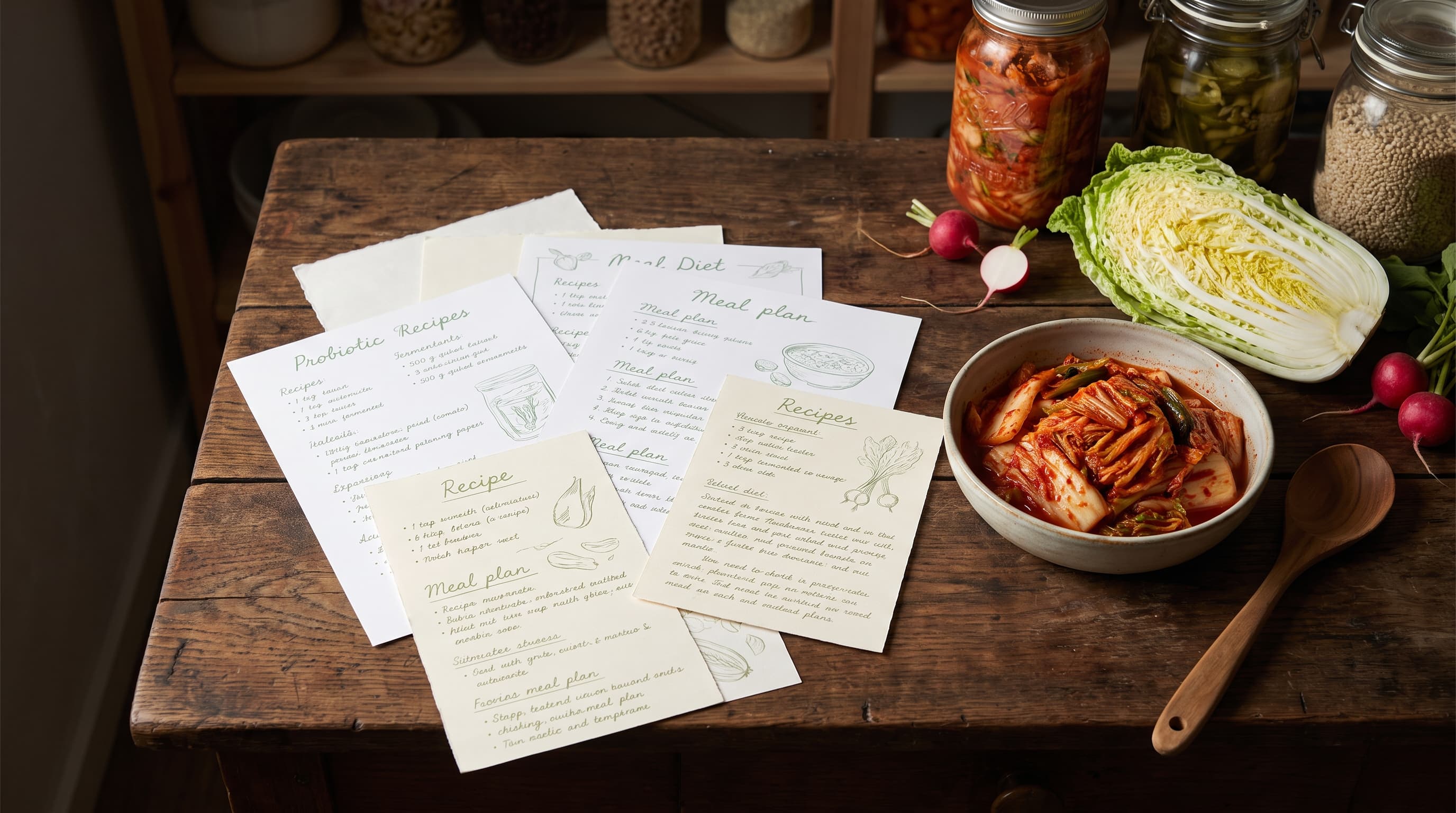
Fermented foods are having a big moment across the wellness space. Yet, traditional kimchi stands apart as an ancient superfood backed by modern clinical research.
People consistently report noticeable digestive relief and metabolic balance when making it a daily habit. Understanding the biology of live ferments helps you maximize everyday wellness without turning to expensive supplements.
Let's look at how a simple daily serving can reshape your microbiome and support your metabolic goals.
How does kimchi benefit everyday nutrition?
Kimchi is much more than a zesty Korean side dish; it operates as an active, living ecosystem packed with organic acids and friendly microbes. Examining how raw vegetables transform during lacto-fermentation reveals why this traditional food delivers such outsized nutritional rewards.
A Centuries-Old Ferment for Modern Gut Health
Napa cabbage, radishes, garlic, and ginger undergo wild lacto-fermentation to yield a vibrant functional food. Mature, aged batches yield over 1 billion colony-forming units (CFU) of lactic acid bacteria per gram.
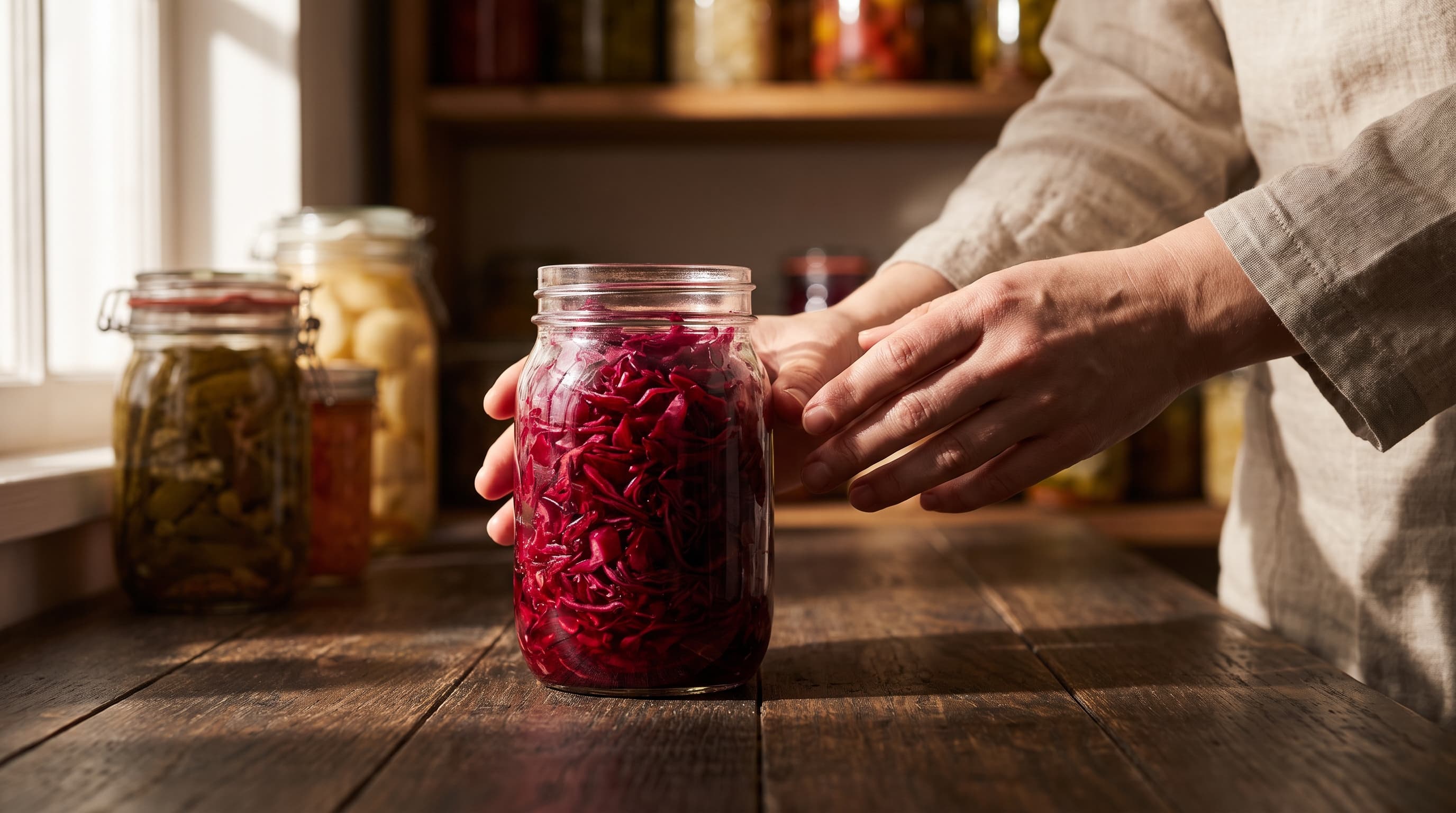
Adding these living cultures to ordinary lunches gives digestive tracts an accessible, food-first boost. The diverse bacterial strains work symbiotically to support the existing microbiome environment.
Who Stands to Gain the Most from Daily Intake
People managing sluggish regularity, mild dysbiosis, or erratic post-meal blood sugar are prime beneficiaries. Regular fermented food consumption introduces microbial diversity that sedentary modern diets sorely lack.
Kimchi serves as an easy culinary swap for anyone seeking functional digestive perks without taking handfuls of supplement capsules. To appreciate these practical perks, it helps to look at the microscopic chemistry occurring beneath the jar's lid.
How It Works: The Biology Inside the Fermentation Jar
The health impact of kimchi is not magic; it is pure, elegant biochemistry. Specific bacteria transform raw garden produce into a powerhouse of gut-protective metabolites and organic acids.
Lactic Acid Fermentation and the Drop to pH 4.2
Beneficial microbes like Leuconostoc mesenteroides and Lactiplantibacillus plantarum feast on natural vegetable sugars. These bacteria pump out natural lactic acid, dropping the jar's environment to a crisp pH of roughly 4.2.
This acidic threshold locks out harmful foodborne pathogens while nurturing gut-friendly probiotic strains.
For those wanting to support these specific strains, the Probiotic Diet app offers a structured approach to gut wellness. The platform provides personalized meal plans that pair perfectly with fermented foods.
You can track your daily intake of live cultures alongside prebiotic fibers that feed these exact bacteria. Having a dedicated tool helps take the guesswork out of building a balanced, gut-friendly routine.
The Antioxidant Shield of HDMPPA
Active fermentation generates 3-(4'-hydroxyl-3',5'-dimethoxyphenyl)propionic acid, known widely as HDMPPA. This unique bioactive compound exhibits potent antioxidant properties inside the human bloodstream.
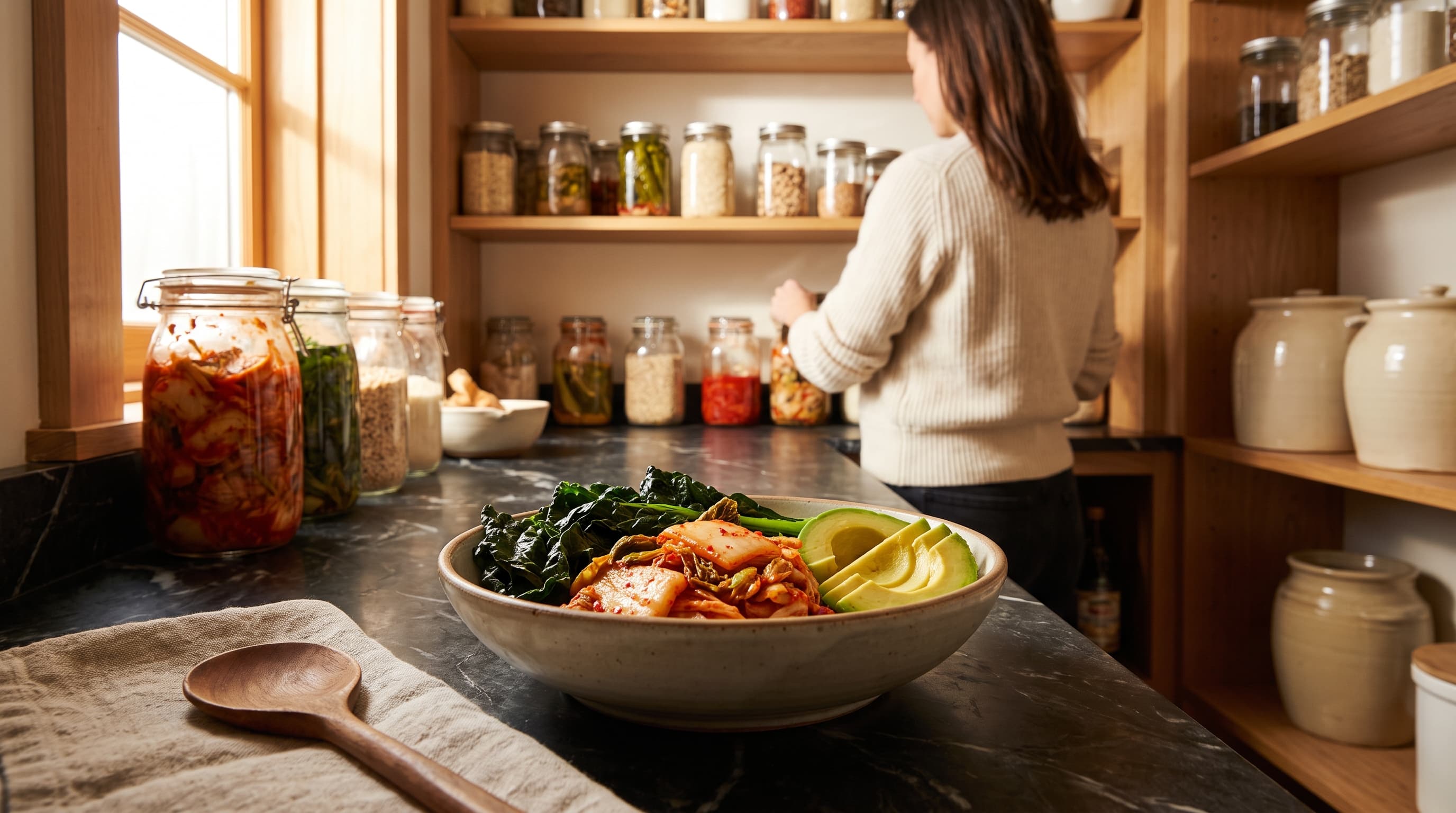
HDMPPA works to block LDL lipid peroxidation, offering cellular support. Let's explore how these benefits translate to broader metabolic health.
The Sodium-Potassium Buffering Mechanism
Many people worry about the high salt profile of traditional ferments, but natural mineral chemistry balances this out. The dense volume of cruciferous cabbage, alliums, and radishes loads each serving with dietary potassium.
This high potassium ratio stimulates renal natriuresis, helping kidneys flush excess sodium and protecting healthy blood pressure. Understanding the science behind the jar sets the stage for examining the results documented in recent human trials.
Kimchi Benefits: What the Clinical Trials Reveal
Modern laboratories are validating what traditional Korean households have known for centuries. Rigorous randomized human trials show that regular intake produces distinct metabolic and cardiovascular wins.
Targeted Reductions in Fasting Glucose and Lipids
Regular fermented kimchi intake may support reductions in fasting glucose and circulating triglycerides. These metabolic shifts occur naturally through improved insulin sensitivity rather than restrictive dieting.
Visceral Fat Loss and the Akkermansia Surge
Daily fermented kimchi consumption supports body composition changes over a 12-week timeframe. Stool sequencing showed an increase in Akkermansia muciniphila, a lean-associated gut microbe known to reinforce mucosal intestinal barriers.
Integrating this daily habit is easier when using Probiotic Diet to monitor your overall progress. The app includes comprehensive fasting and weight trackers that let you visualize your changes over that 12-week timeframe.
Watching your progress line up with consistent probiotic intake keeps motivation high and routines sustainable.
Shattering the High Blood Pressure Misconception
A persistent myth claims that salty fermented foods inevitably spike arterial blood pressure. Regular fermented kimchi consumption works through bioactive peptides and microbial metabolites to support healthy blood pressure, as the beneficial compounds outweigh raw sodium content to keep blood vessels relaxed.

With the clinical evidence established, turning kimchi into an everyday wellness routine requires a smart kitchen game plan.
How to Get Started with Kimchi for Optimal Results
Adopting a fermented food routine should feel exciting rather than overwhelming. Following a structured step-up protocol guarantees maximum probiotic survival while keeping sensitive digestive systems happy.
Spotting Real, Living Cultures at the Grocery Store
Shoppers should bypass warm center aisles and head straight for the refrigerated specialty case. Search for glass jars showing active bubbles, a slightly domed safety lid, or clear labels specifying 'unpasteurized'.
Shelf-stable jars pickled in hot vinegar contain zero living lactic acid bacteria.
The Step-Up Serving Strategy for Beginners
Start with a gentle micro-dose of 15 to 30 grams (1 to 2 tablespoons) per day during the first week. Scaling up gradually toward the clinical target of 30 to 60 grams prevents initial gas or digestive surprises.
Peak microbial and metabolic shifts typically occur after roughly 8 to 12 weeks of steady daily intake. Here is a basic timeline for scaling up your portions safely:
| Timeline | Portion | Effect |
|---|---|---|
Week 1 | 15g daily | Initial adaptation |
Week 2 | 30g daily | Microbiome shifts |
Weeks 4-12 | 60g daily | Optimal metabolic benefits |
Tracking Digestive Tolerance Progress
Using Probiotic Diet makes building a fermented habit effortless by tracking your daily vegetable and culture servings. You can use the app's health logs to monitor changes in bloating, stool regularity, and overall energy during your first month.
Having tangible tracking data helps you dial in your ideal daily portion without guesswork. The platform also offers over 1,000 gut-friendly recipes to pair with your new ferments.
While kimchi is an undisputed nutritional powerhouse, common preparation blunders can easily ruin its living probiotic value.
Common Mistakes and Practical Considerations
Getting the most out of fermented foods means avoiding a few sneaky kitchen mistakes. Paying attention to heat exposure, hidden ingredients, and proper jar maintenance ensures every forkful stays safe and biologically active.
The High-Heat Cooking Mistake
Tossing raw kimchi into boiling stew or frying it in sizzling rice kills delicate cultures. Sustained temperatures above 46°C quickly wipe out viable lactic acid bacteria.
Reserve a spoonful of crisp, chilled kimchi to stir in off the heat right before serving warm meals. Follow these basic guidelines to protect your living cultures:
Temperature Guidelines
- Raw applications - Ideal for side dishes and salads to maximize living cultures.
- Warm meals - Add after the food has stopped steaming to protect the bacteria.
- Cooked dishes - Heat destroys probiotics, but retains the beneficial prebiotic fibers.
Screening for Histamines and Hidden Shellfish
Consumers with severe allergies should look out for jeotgal, the traditional salted baby shrimp found in classic recipes. Plant-based eaters should seek out vegan-certified jars seasoned with seaweed or tamari instead.

Individuals with histamine intolerance or those using MAO inhibitors should proceed cautiously. Mature ferments carry concentrated natural histamines that can trigger sensitive systems.
Submersion Habits and Refrigerator Longevity
Firmly pack vegetables beneath the surface of the brine using a clean utensil after every serving. Keeping cabbage submerged preserves an oxygen-free zone that blocks fuzzy surface molds.
Properly submerged, refrigerated jars stay delicious and microbiologically viable for 3 to 6 months after opening. Pairing smart storage with proper digital tracking keeps gut routines seamless, but specific questions about daily consumption often arise.
FAQ
Is it safe to eat kimchi every single day?
Daily consumption is safe and beneficial for most healthy adults. Regular fermented food intake supports improvements in lipid profiles and gut diversity over time.
Those with histamine intolerance should monitor their personal tolerance before committing to a daily habit.
How much kimchi should someone eat per day to see real benefits?
Dietary recommendations suggest between 30 to 60 grams per day, which equals roughly 2 tablespoons to 1/4 cup. This accessible portion delivers hundreds of millions of beneficial colony-forming units without overloading daily sodium targets.
Beginners should start smaller to let their gut flora adapt smoothly.
Does cooking kimchi into soups or fried rice kill all the good bacteria?
Heating kimchi past 46°C destroys live lactic acid bacteria. Cooked kimchi still delivers dietary fiber and heat-stable antioxidants, but zero live probiotics.
Top warm dishes with a fresh spoonful of cold raw kimchi right before eating to preserve the cultures.
Why does kimchi cause stomach bloating or gas in beginners?
Sudden introductions of live bacteria and prebiotic cabbage fibers trigger rapid microbial fermentation in unaccustomed digestive tracts. Temporary gas or mild loose stools usually clear within a week as the microbiome recalibrates.
Cut back to one teaspoon daily if symptoms feel intense during the first few days.
Can people with high blood pressure eat kimchi despite its sodium content?
Regular fermented kimchi consumption works to support healthy blood pressure through its natural potassium content and bioactive compounds. Natural potassium from cruciferous vegetables encourages the kidneys to excrete excess sodium.
Individuals on strict medically supervised sodium limits should consult their physician first.
Does eating kimchi increase or decrease the risk of stomach cancer?
Active, live-fermented kimchi is rich in anti-inflammatory metabolites that support mucosal health. Older retrospective studies linking salted foods to gastric cancer were confounded by heavy tobacco use, unfermented nitrates, and endemic infections.
Moderate daily portions remain widely regarded as safe for the general population.
How long does an opened jar of kimchi stay fresh in the fridge?
An opened jar lasts between 3 to 6 months in a standard refrigerator. The low pH of 4.2 naturally preserves the cabbage against spoilage as long as it stays submerged under its brine.
Discard jars that develop discoloration, mold on the surface, or sour alcoholic odors.
Can someone eat kimchi while taking prescription antibiotics?
Eating fermented foods helps replenish microbial diversity during and after antibiotic regimens. Leave a 2 to 3-hour buffer between swallowing antibiotic medication and eating live kimchi so the medication does not neutralize the friendly bacteria.
Continue the habit for several weeks post-treatment to fully support your recovery.
Related Articles
Unlocking Kimchi Benefits: How 60 Grams a Day Can Transform Gut Health and Metabolism
Nutrition5 min read
Food Pairing For Better Nutrient Absorption: The Practical Plate Guide
Nutrition5 min read

Harmony Diet App Review: What's Inside, What It Costs, and How To Manage It
Nutrition5 min read

10 Foods Associated With Slower Biological Aging
Nutrition5 min read

8 Signs Your Gut Needs Help and How to Restore Balance Naturally
Nutrition5 min read

How Much Protein Do You Need to Build Muscle, Lose Fat, and Age Strong
Nutrition5 min read
Comments
(0)Leave a comment
Your email will not be published. All fields are required.