Get a personalized plant-based meal plan with optimal nutrient pairings.
Try Green Diet today
Food Pairing For Better Nutrient Absorption: The Practical Plate Guide
By: Healthtime Editorial
Fact checked by: QA Team
Updated on: October 13, 2026
0
708
9 min
In this article
- How Nutrient Pairing Works in Your Body
- How It Works: The Biochemical Synergy Inside the Plate
- Benefits and What the Evidence Shows
- How to Put Food Pairing into Practice
- Common Mistakes and Considerations
- FAQ
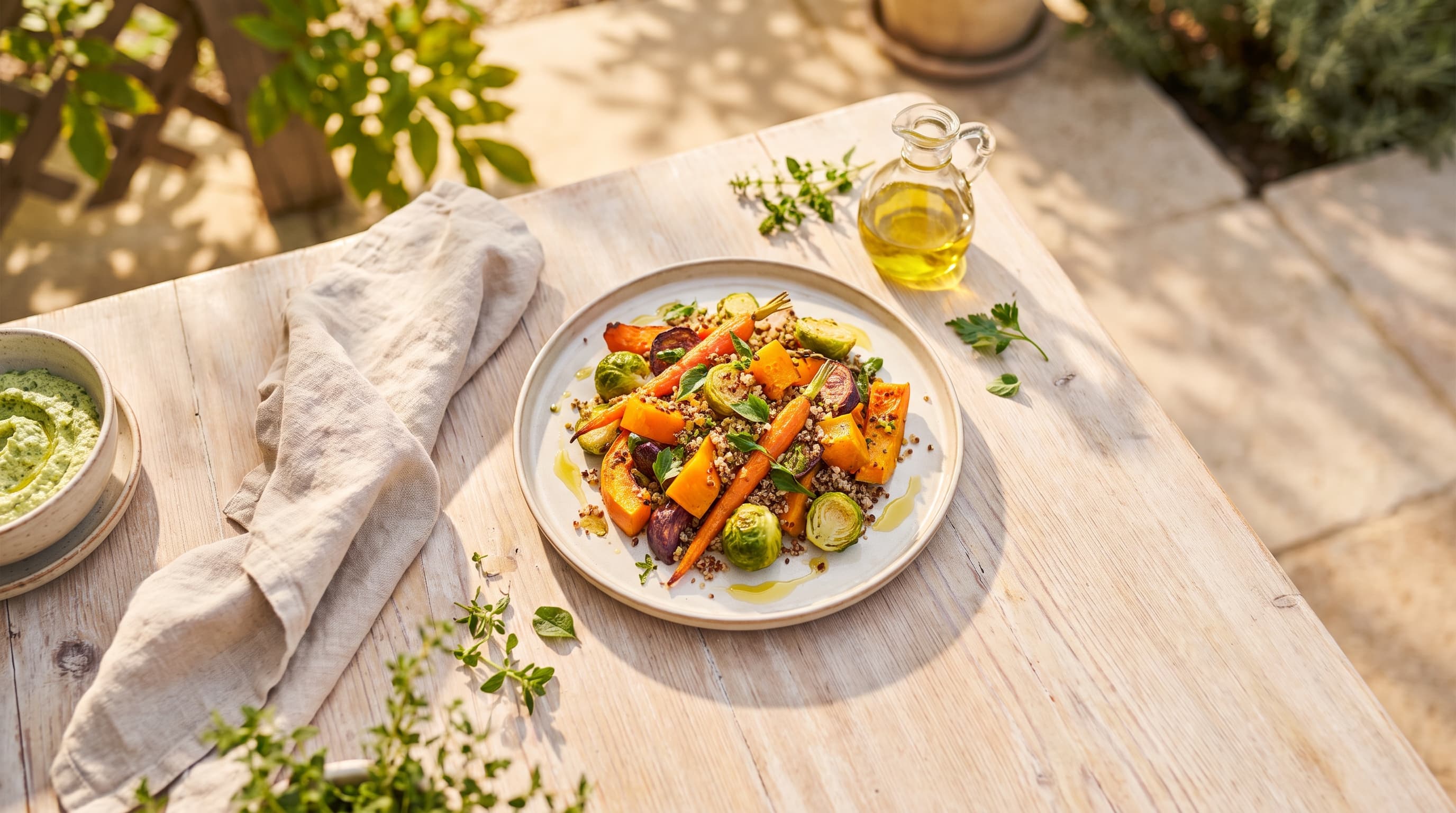
Many people eat clean, whole foods yet still run into fatigue or sluggish energy by mid-afternoon. Buying expensive organic groceries does not guarantee the body actually absorbs the vitamins inside them.
Food pairing for better nutrient absorption offers an effortless biological upgrade that helps everyday eaters pull maximum nutrition out of every bite. Small, intentional kitchen tweaks can multiply what the body absorbs without piling on synthetic supplements.
This approach is not another rigid diet trend or complicated macro-tracking system. It is a practical way to unlock the true potential of everyday home cooking.
How Nutrient Pairing Works in Your Body
Getting the most out of groceries comes down to bioavailability rather than just raw nutrient tallies on a food label. Research reveals that the digestive tract processes nutrients through coordinated biological interactions rather than isolated components.
What Food Synergy Really Means
Nutrient synergy focuses on intact whole-food matrices rather than isolated lab pills. Whole foods naturally contain complementary compounds that work together to enhance absorption.
Modern food pairing simply applies these built-in biological relationships to daily home cooking.
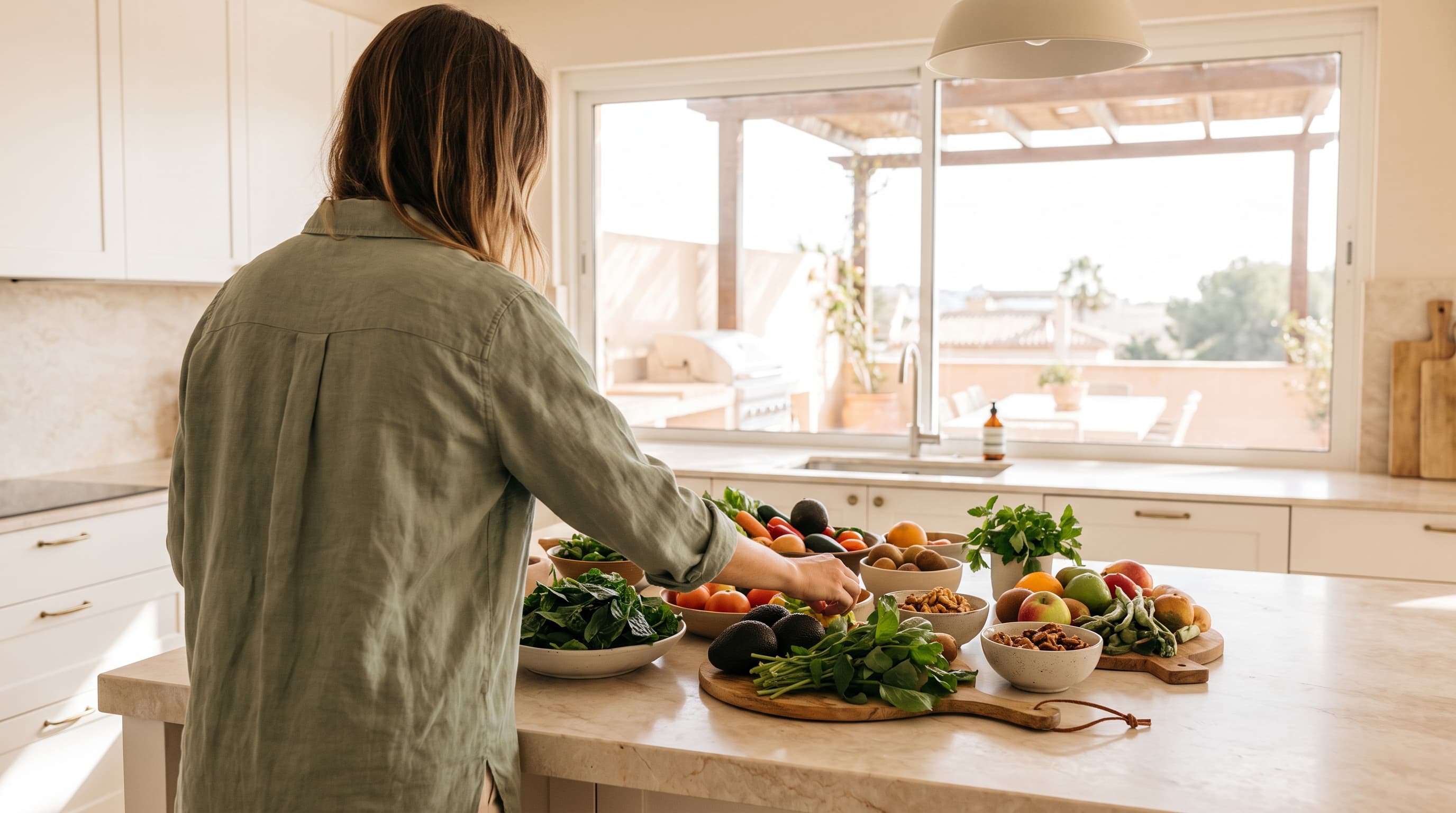
Who Benefits Most from Bioavailability Pairing
Plant-based eaters, active fitness enthusiasts, and everyday meal preppers benefit from sustained energy without taking high-dose vitamins. Many individuals report normal bloodwork on paper but still feel subtle micronutrient dips, particularly with borderline iron or vitamin D levels.
Intentional pairing gives those eating vegetarian or whole-food meals a dependable nutritional safety net.
Ditching the Old 'Food Combining' Myths
Outdated fad diets like the 1920s Hay Diet falsely claimed combining carbs and proteins causes food to rot in the stomach. The human gut seamlessly secretes amylases, proteases, and lipases simultaneously to break down complex meals.
True nutrient synergy is grounded in real biochemistry, not restrictive rules about keeping macros apart. Understanding the science begins with seeing exactly what happens when complementary compounds meet inside the digestive tract.
How It Works: The Biochemical Synergy Inside the Plate
Nutrients do not travel through the intestine in a vacuum. They rely on specific biological vehicles, chemical reactions, and enzymatic keys to reach the bloodstream.
Mixed Micelle Formation for Fat-Soluble Vitamins
Fat-soluble vitamins (A, D, E, K) and carotenoids like lycopene cannot dissolve in the watery intestinal lining on their own. Dietary lipids trigger bile acids and pancreatic enzymes to build microscopic packages called mixed micelles. This process requires fat to be present during the meal to work effectively.
These micelles ferry the nutrients across the gut wall. Skipping healthy fats means passing vital antioxidants straight through unabsorbed.
Ferric-to-Ferrous Iron Conversion
Non-heme iron from plant foods like lentils and spinach sits in an insoluble ferric state (Fe3+) at neutral pH levels. Ascorbic acid (vitamin C) acts as a generous electron donor, chemically reducing it to soluble ferrous iron (Fe2+).
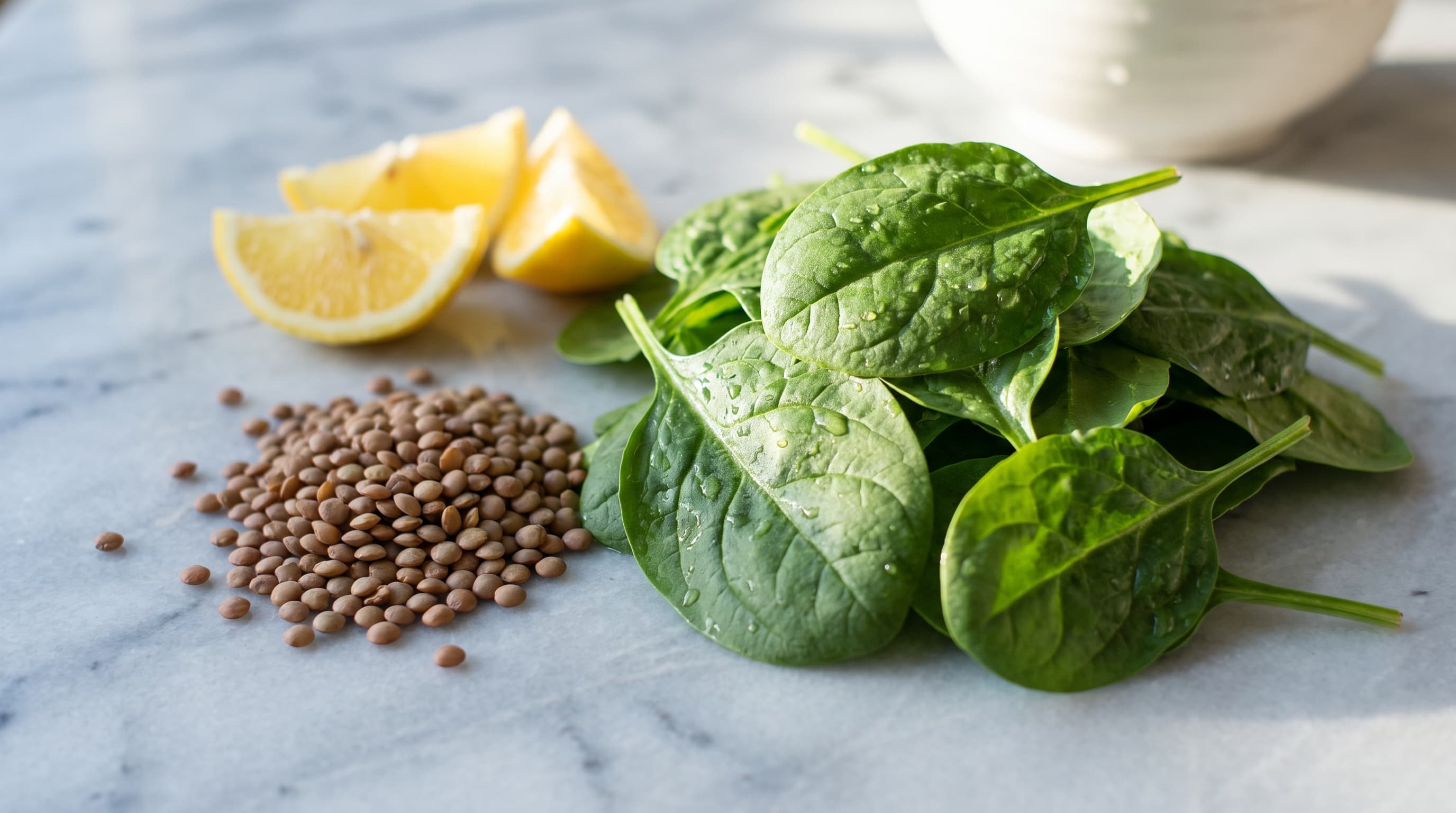
This conversion allows the mineral to bind easily to divalent metal transporter 1 (DMT1) for seamless uptake.
Enzymatic Activation and Clearance Slowing
Culinary potentiators unlock plant compounds that would otherwise stay locked away or get cleared too quickly. Sulforaphane in broccoli requires the active enzyme myrosinase to form.
Similarly, piperine in black pepper temporarily slows liver glucuronidation enzymes so curcumin can stay active. Real kitchen spices act as biological accelerators, setting the stage for measurable health benefits.
Benefits and What the Evidence Shows
Clinical trials confirm that stacking complementary ingredients delivers measurable upgrades to cellular nutrient uptake. These peer-reviewed findings prove that small adjustments create major health returns.
Multiplying Carotenoid and Fat-Soluble Vitamin Uptake
Pairing kale with oil-based dressings enhances how the body absorbs nutrients like lutein and beta-carotene compared to eating greens dry. This occurs through the formation of mixed micelles in the digestive tract.
Just 8 to 12 grams of healthy fat maximizes carotenoid absorption from a standard salad bowl. Zero-fat diet dressings are counterproductive because fat is an essential nutrient transporter.
Measurable Upgrades in Plant Iron Absorption
Adding vitamin C to plant-based meals enhances non-heme iron absorption. Plant iron becomes highly bioavailable when paired smartly with citrus, bell peppers, or tomatoes.
For those adopting these eating habits, the Green Diet app structures custom meal plans that automatically incorporate these nutrient pairings. The platform delivers personalized vegetarian and vegan recipes designed specifically to ensure optimal iron and vitamin C combinations.
Users do not have to memorize complex biological rules, as the meal algorithms build these synergies into every daily plate. It tracks daily progress and offers a straightforward visual guide to hitting specific nutritional milestones.
Many find the built-in nutrition guides particularly helpful for maintaining energy levels during the first month of a plant-based transition. Simple kitchen combinations eliminate the need to rely on harsh iron pills for everyday maintenance.
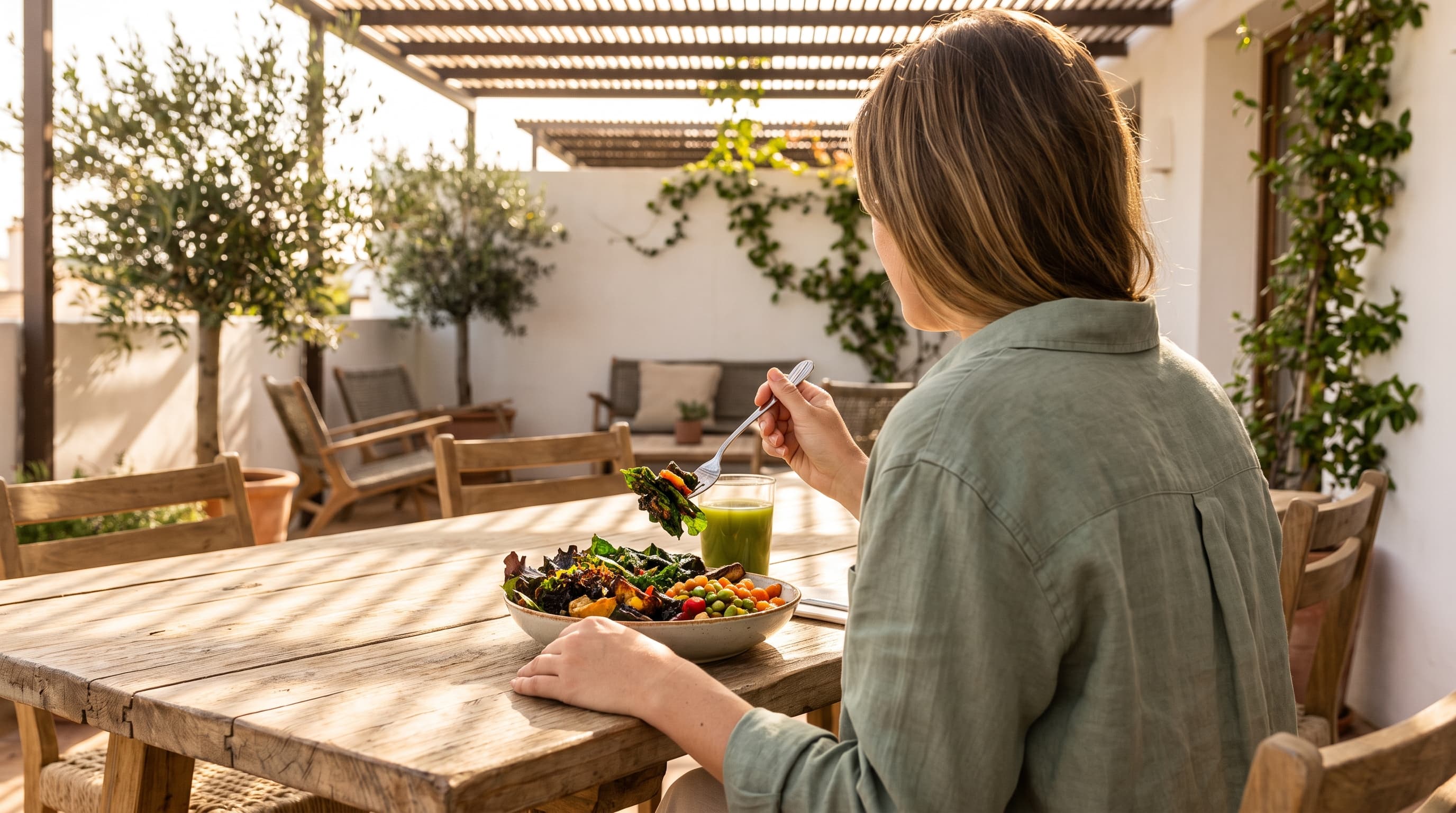
Unlocking Potent Phytochemical Defense Systems
Pharmacokinetic data shows co-administering piperine alongside curcumin increases systemic bioavailability by temporarily slowing metabolic clearance. Heating tomatoes in extra virgin olive oil converts trans-lycopene into cis-lycopene, raising blood antioxidant levels.
These specific food pairings act as everyday culinary armor for long-term heart and joint wellness. Translating these laboratory insights into everyday meals is simpler than it looks.
How to Put Food Pairing into Practice
Transforming weeknight meals does not require a chemistry degree or complicated macro spreadsheets. A few reliable combinations and smart kitchen routines make nutrient synergy completely automatic.
Build Dynamic Duos for Daily Meals
Try pairing leafy greens and roasted carrots with extra virgin olive oil. Squeeze fresh lemon juice over iron-dense lentil stews or black bean chili.
Stirring a quarter-teaspoon of raw ground mustard seed into warm, cooked broccoli soup reintroduces active myrosinase to trigger cancer-fighting sulforaphane release. These quick tweaks take under thirty seconds but transform the nutritional density of standard dinners.
To keep these combinations organized, refer to this simple daily pairing guide.
| Nutrient Goal | Ideal Food Pairing |
|---|---|
Plant Iron | Lentils + Lemon Juice |
Fat-Soluble Vitamins | Kale + Olive Oil |
Curcumin Absorption | Turmeric + Black Pepper |
Sulforaphane Release | Cooked Broccoli + Mustard Seed |
Timing Your Nutrients and Kitchen Preps
Fat-soluble vitamins and iron must be consumed within the exact same meal bolus to activate micellar formation and chemical reduction. Leave a 60- to 90-minute window between tannin-heavy coffee or tea and mineral-rich meals to avoid accidental absorption interference.
Here are a few quick rules for timing your preparations perfectly.
Kitchen Timing Rules
- Soak Grains Early - Sprouting legumes prior to cooking naturally dismantles phytates that bind to zinc and calcium.
- Combine Fats Instantly - Pour oil-based dressings right before eating to ensure fat-soluble vitamins cross the gut wall.
- Delay Beverages - Drink coffee an hour before breakfast to protect mineral absorption.
Streamlining Synergistic Meal Prep
Staying consistent with balanced recipes becomes much easier when using guided digital planners that organize the grocery cart around whole-food pairs. Dedicated tools like Green Diet organize plant-based recipes with built-in synergy duos, such as pairing citrus vinaigrettes with dark greens.
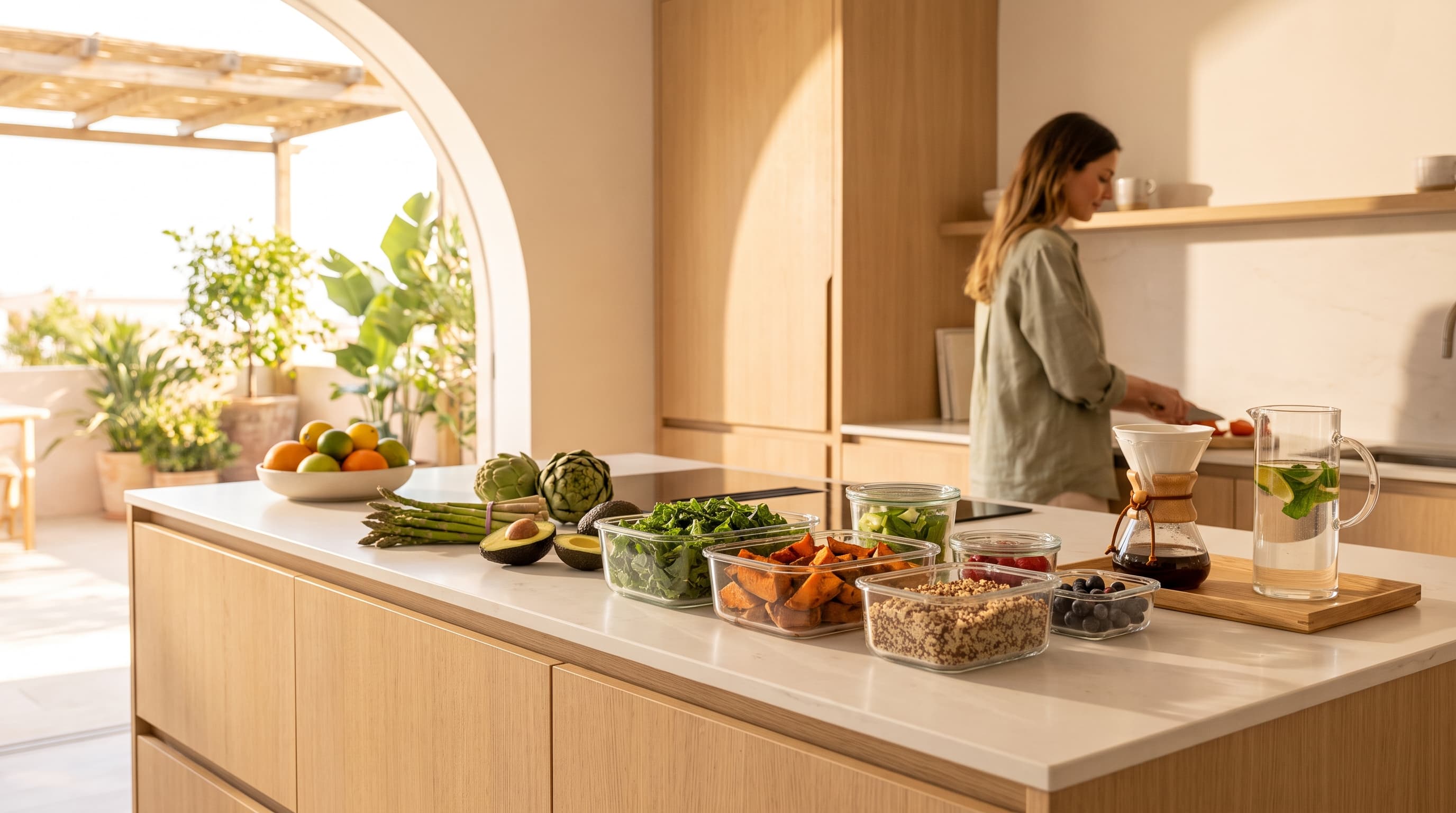
This automated planning means home cooks skip the biochemical math and enjoy meals that support maximum nutrient uptake. Prepping these staple duos in batches creates a hassle-free approach to weekly eating.
Get Your Custom Plan
While nutrient synergy offers clear advantages, staying mindful of common pitfalls ensures meals stay effective without unintended roadblocks.
Common Mistakes and Considerations
Optimizing nutrient uptake works best when grounded in balance rather than extreme habits. Steering clear of these frequent oversights keeps meals both safe and effective.
Falling into the 'More Is Always Better' Trap
Mega-dosing individual nutrients or heavy booster extracts under the assumption that more absorption equals infinite health is a flawed approach. Human intestinal transporters like DMT1 have finite saturation thresholds.
Modest amounts of dietary vitamin C are sufficient to achieve nutrient synergy. The focus belongs on food-first nutrition rather than overloading the gut with massive synthetic doses that provide diminishing returns.
Drinking Coffee and Tea Directly Alongside Meals
Polyphenols and tannins in coffee and tea can inhibit non-heme iron absorption when consumed during the meal. Enjoy morning brews an hour before breakfast or save afternoon tea for between meals instead of using it to wash down leafy greens.
This simple timing tweak preserves energy levels without requiring anyone to give up their favorite beverages.
Medication Interactions with Potentiators and Minerals
Concentrated bioenhancers like high-dose piperine supplements can inhibit CYP3A4 enzymes and alter prescription medication clearance in the liver. Taking high-dose calcium supplements at the exact same moment as iron or zinc can lead to competitive transporter blocking.
A 2- to 4-hour spacing window is advisable for supplements. For quick answers to lingering questions about meal timing, beverage pairings, and daily habits, consult this straightforward reference guide.
FAQ
Does drinking coffee or tea with breakfast block nutrient absorption?
Tannins and polyphenols in coffee and tea can inhibit non-heme plant iron absorption when consumed during the meal. Create a 60- to 90-minute buffer window before or after mineral-rich meals to ensure full nutrient uptake without cutting out caffeine entirely.
Do you need to eat healthy fats at the exact same meal as fat-soluble vitamins?
Fats must be present in the exact same digestive bolus during the meal. Without dietary lipids in the stomach to trigger bile release and form mixed micelles, fat-soluble vitamins A, D, E, and K cannot cross the intestinal wall.
Is the traditional 'food combining diet' supported by science?
The historical Hay Diet myth-claiming carbs and proteins shouldn't be eaten together because they confuse stomach enzymes-is completely debunked. The human digestive system routinely releases amylases and proteases concurrently to digest complex mixed meals with ease.
How much vitamin C is needed to improve plant iron absorption?
Modest amounts of dietary vitamin C are sufficient to enhance iron absorption. This can come from sources like half a bell pepper or a squeeze of lemon juice, which trigger ferric-to-ferrous reduction and enhance non-heme iron availability.
Can calcium supplements block iron or magnesium absorption?
Divalent minerals share transport pathways like DMT1, meaning large supplemental doses of calcium can competitively inhibit iron or zinc uptake. Keep a 2- to 4-hour window between concentrated calcium pills and iron-rich meals or supplements.
Does cooking vegetables reduce or increase their nutrient bioavailability?
While prolonged boiling can leach water-soluble vitamins, gentle heat breaks down rigid plant cell walls and makes carotenoids like lycopene in tomatoes more bioavailable. Light steaming or sautéing in olive oil provides the best of both worlds.
Is pairing black pepper with turmeric safe for people taking daily medications?
A pinch of black pepper in cooking is perfectly safe, but concentrated piperine supplements can inhibit drug-metabolizing liver enzymes (CYP3A4) and affect medication clearance. Stick to culinary pinches in food and consult a doctor before using high-dose turmeric-piperine extracts.
How can plant-based eaters ensure they absorb enough iron?
Plant-based eaters can thrive by consistently pairing legumes and greens with vitamin C-rich foods, soaking grains to degrade phytates, and keeping coffee separated from meals. Tools like Green Diet make this effortless by building these science-backed plant pairings directly into daily meal plans.
Related Articles
Unlocking Kimchi Benefits: How 60 Grams a Day Can Transform Gut Health and Metabolism
Nutrition5 min read
Food Pairing For Better Nutrient Absorption: The Practical Plate Guide
Nutrition5 min read
Harmony Diet App Review: What's Inside, What It Costs, and How To Manage It
Nutrition5 min read
10 Foods Associated With Slower Biological Aging
Nutrition5 min read
8 Signs Your Gut Needs Help and How to Restore Balance Naturally
Nutrition5 min read
How Much Protein Do You Need to Build Muscle, Lose Fat, and Age Strong
Nutrition5 min read
Comments
(0)Leave a comment
Your email will not be published. All fields are required.