Mediterranean Diet in 2026: Why It Remains the Gold Standard for Long-Term Health
- What the Mediterranean Diet Actually Is
- The Evidence Base: What Makes the Mediterranean Diet Different
- Mediterranean Diet and Weight Loss
- The Anti-Inflammatory Mechanism
- Why 2026 Is an Ideal Time to Start
- Key Takeaways

Yet in clinical research and expert consensus rankings, one dietary pattern has maintained its position at or near the top for decades: the Mediterranean diet.
In 2026, tools like the No Diet app are making this gold standard eating pattern more accessible and practical than ever before.
This consistency is not due to marketing or cultural nostalgia. It reflects an unusually strong and broad body of evidence linking this eating pattern to reduced risk of cardiovascular disease, type 2 diabetes, cognitive decline, and all-cause mortality. Understanding why requires looking at both the diet's components and the mechanisms through which they affect health.What the Mediterranean Diet Actually Is
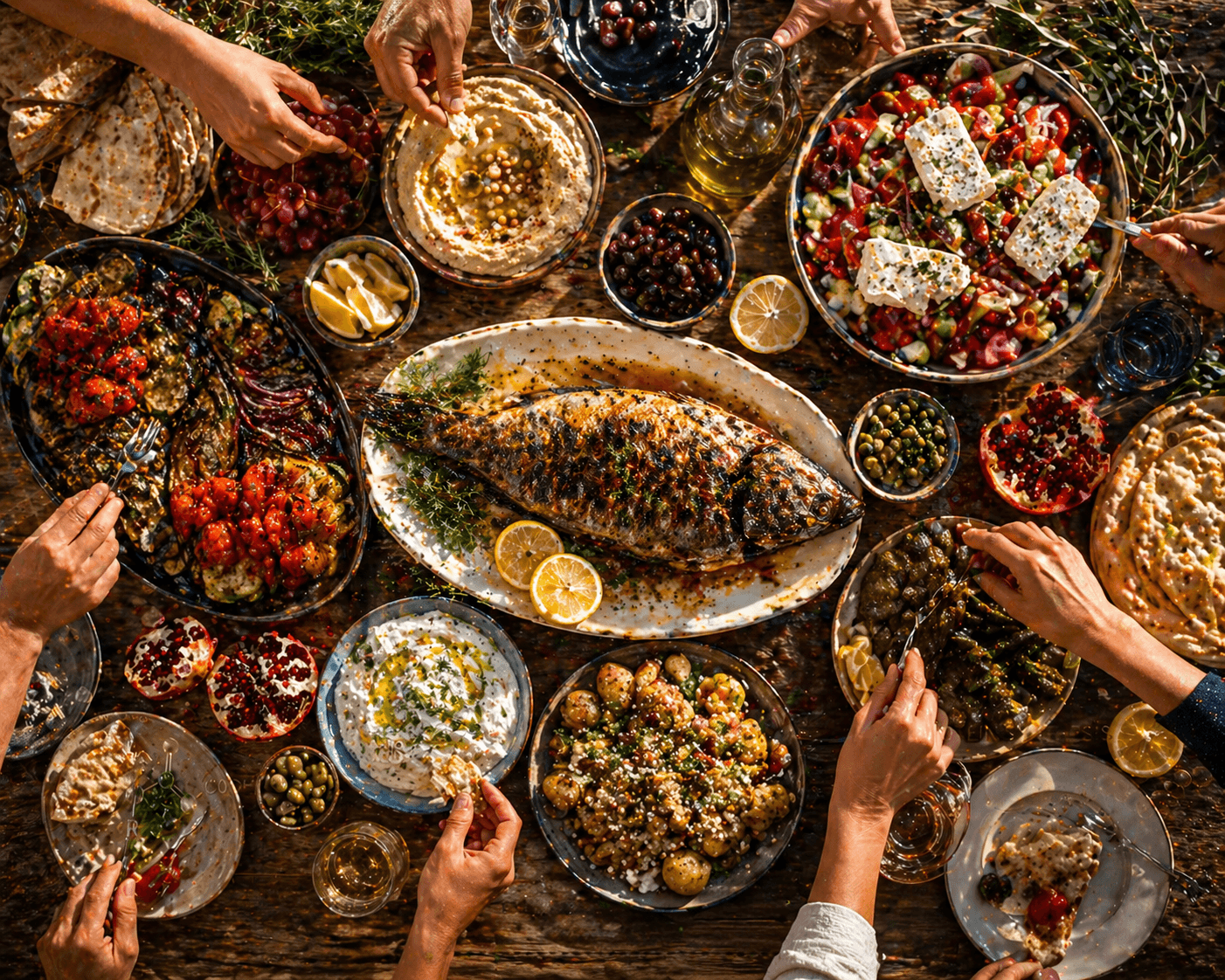
Its defining characteristics include:
Abundant plant foods: Vegetables, fruits, legumes, whole grains, nuts, and seeds form the dietary foundation. These provide fiber, vitamins, minerals, and antioxidants in concentrations difficult to replicate through supplementation.
Olive oil as the primary fat: Extra-virgin olive oil is used liberally for cooking and dressing. It is rich in oleocanthal and oleuropein - polyphenols with well-documented anti-inflammatory and cardioprotective properties.
Moderate fish and seafood: Fish - particularly fatty fish like sardines, mackerel, anchovies, and salmon - are consumed at least twice weekly. These provide omega-3 fatty acids that reduce inflammation and cardiovascular disease risk.
Moderate poultry, eggs, and dairy: These animal products are consumed in moderate rather than dominant quantities.
Limited red meat: Red and processed meats are consumed infrequently, a few times per month, rather than daily.
Minimal processed and refined foods: Ultra-processed products, sugary beverages, and refined carbohydrates are largely absent from traditional Mediterranean eating patterns.
The Evidence Base: What Makes the Mediterranean Diet Different
Those randomized to a Mediterranean diet supplemented with extra-virgin olive oil or mixed nuts had a 30% lower risk of major cardiovascular events compared to those on a low-fat diet.
This finding was not an isolated result. Meta-analyses pooling data from dozens of studies consistently show that closer adherence to a Mediterranean dietary pattern is associated with reduced risk of heart attack and stroke, lower rates of type 2 diabetes, reduced risk of certain cancers, slower cognitive decline, and lower risk of Alzheimer's disease, and lower all-cause mortality.
Few dietary interventions have an evidence base of this breadth and methodological quality, and the No Diet app was built to make adherence to this evidence-backed pattern as effortless as possible.
Mediterranean Diet and Weight Loss
Studies comparing Mediterranean-style eating to other approaches consistently show similar or superior long-term results compared to low-fat diets, with meaningfully better adherence over 12 months or more.
The satiety advantages – driven by high fiber content, olive oil fat, and adequate protein – reduce overall caloric intake naturally without requiring strict calorie counting. This makes it a practical long-term approach for people who want to reach and maintain a healthy weight without the psychological burden of tracking every meal.
No Diet app is built around exactly this philosophy. Its name reflects the core truth that sustainable results come from a sustainable pattern, not a temporary restriction protocol.
The Anti-Inflammatory Mechanism
The Mediterranean diet fights inflammation on several fronts at once. Omega-3 fatty acids from fish push back against omega-6s, tipping the balance toward calmer, less inflammatory activity.
Polyphenols, found in olive oil, vegetables, fruits, and legumes, switch on anti-inflammatory pathways and ease oxidative stress. And the high fiber load feeds beneficial gut bacteria, which produce short-chain fatty acids that help quiet inflammation throughout the body.
No single supplement replicates this healthy nutrition. The combination of natural oils, vitamins, and vital minerals is more powerful than any of its individual components in isolation.
No Diet's meal plans are designed to deliver this full anti-inflammatory synergy consistently, rather than optimizing for individual nutrients in isolation.
Why 2026 Is an Ideal Time to Start
No Diet removes the decision fatigue, helping you know what to cook, how to add variety, and whether your eating pattern is truly Mediterranean.
With personalized meal plans, a weekly-updated recipe library, and integrated progress tracking, the No Diet app makes the most evidence-backed dietary pattern in the world as easy to follow as opening an app.
The combination of strong evidence, practical flexibility, genuine enjoyability, and No Diet's structured daily guidance makes the Mediterranean diet as relevant and accessible in 2026 as it has ever been.
Key Takeaways
The Mediterranean diet is supported by the strongest and broadest evidence base of any dietary pattern for long-term health. Major randomized controlled trials show 30%+ reductions in cardiovascular events with Mediterranean eating versus low-fat alternatives. Benefits extend to metabolic health, cognitive function, cancer risk, and all-cause mortality.
The diet produces sustainable weight loss through natural satiety mechanisms rather than caloric restriction rules. Its anti-inflammatory effects stem from the combined action of omega-3s, polyphenols, and fiber - a synergy not replicable by supplementation alone.
And No Diet provides the practical daily structure that turns this gold standard eating pattern from an aspiration into a consistent, enjoyable, and sustainable reality.
Related Articles
High Diet App Review: What's Inside, What It Costs, and How To Manage It

Flame Diet App Review: What You Get, What It Costs, and How To Cancel

Senior Diet App Review: What's Included, What It Costs, and How To Cancel

K-Diet App Review: What's Inside, What It Costs, and How To Manage It

Is It Keto: Your Guide to Checking Foods Fast and Entering Ketosis in 3-4 Days
.jpg&w=3840&q=75)
What Is the Healthiest Diet for Healthy Aging in 2026: A Practical Guide
Comments
(0)Leave a comment
Your email will not be published. All fields are required.