Build a personalized Mediterranean plan today.
Start your journey
10 Foods Associated With Slower Biological Aging
By: Healthtime Editorial
Fact checked by: QA Team
Updated on: October 5, 2026
0
393
8 min
In this article
- What Foods Support Slower Biological Aging?
- How It Works: The Cellular Machinery of Aging
- What the Evidence Shows: Diets That Delay the Clock
- How To Get Started With a Longevity Eating Plan
- Common Mistakes and Epigenetic Pitfalls
- FAQ
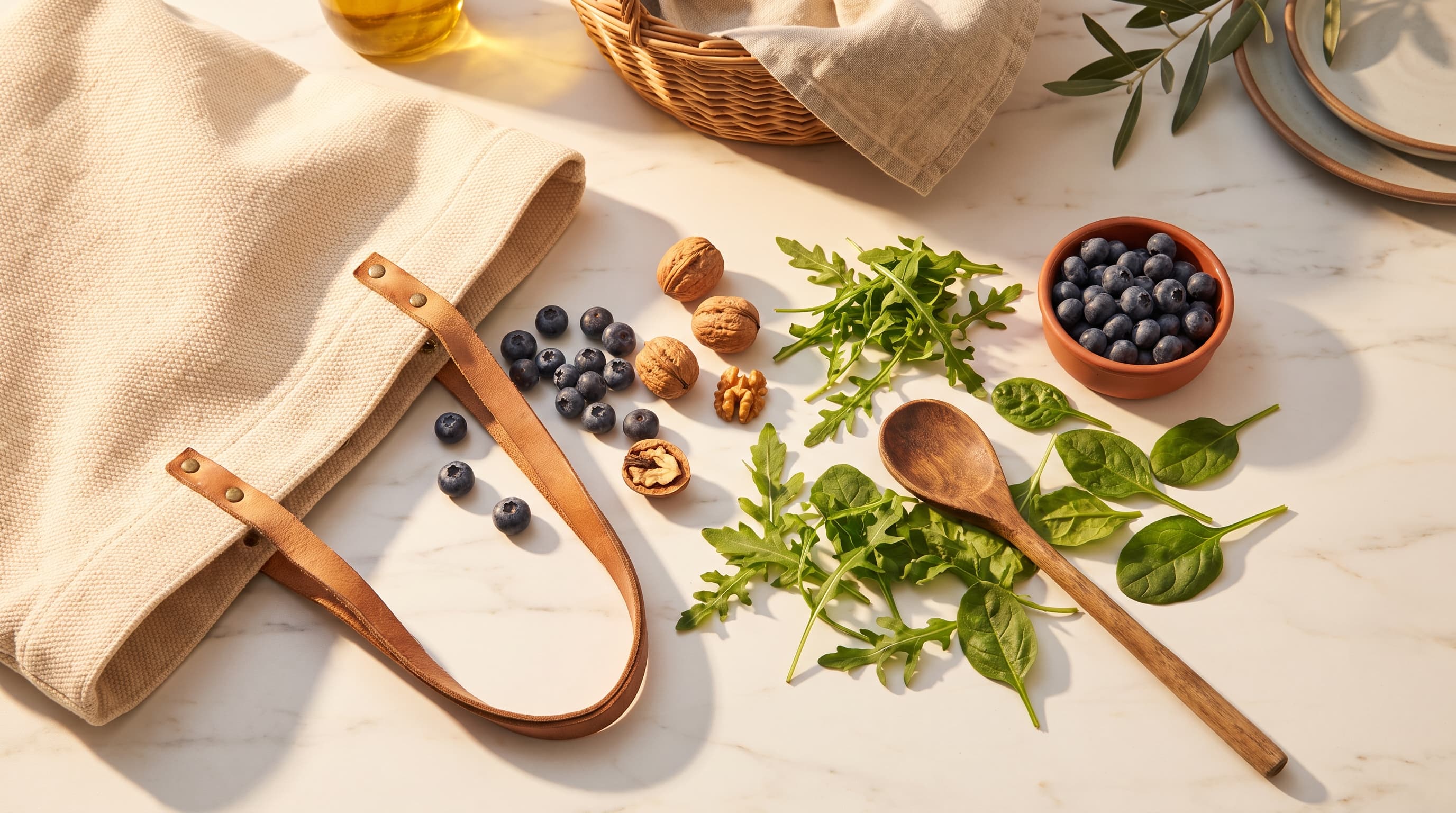
Let's be real: chronological age is just a number on a birth certificate, but biological age tells the real story of cellular health. Finding the right foods associated with slower biological aging offers a science-backed way to turn back the epigenetic clock.
This guide breaks down the nutritional strategies that actively preserve cellular function. Readers can build a sustainable, age-defying plate without facing extreme dietary restrictions.
What Foods Support Slower Biological Aging?
Aging does not happen at the same rate for everyone, and the kitchen is where cellular preservation truly begins. Understanding how specific dietary patterns influence biological markers helps people reclaim their healthspan.
Chronological vs. Biological Age
Chronological age measures exact years on Earth, while biological age reflects actual cellular and tissue health. Epigenetic clocks measure DNA methylation, which consists of chemical tags on DNA that change systematically as bodies age.
These chemical tags remain highly responsive to daily nutritional choices and environmental factors. Choosing the right foods can actively shift these cellular markers in a positive direction.
The Flexibility of Longevity
A 2026 German Center for Neurodegenerative Diseases study found that there is no single perfect longevity diet. Researchers linked ten different healthy dietary patterns, including Mediterranean and DASH, to slower biological aging.
This flexibility gives individuals the freedom to choose an eating style that fits their daily life and preferences. To understand why these diverse diets work so well, it helps to look at the microscopic cellular processes they trigger.

How It Works: The Cellular Machinery of Aging
Slowing down the biological clock relies on specific chemistry rather than magic. Certain foods trigger cellular pathways that keep human tissues running smoothly.
Autophagy and Cellular Cleanup
Autophagy serves as the body's internal recycling system, actively clearing out damaged proteins and cellular debris. Mild nutrient shifts, such as reducing animal-based proteins slightly, help activate this crucial cleanup process.
This ongoing cellular maintenance prevents the steady accumulation of aging biomarkers over time. For those looking to implement these shifts, tools like no.Diet offer structured meal planning that naturally supports cellular health.
The platform delivers customized Mediterranean meal plans that balance macronutrients to encourage natural cellular cleanup. Testing reveals that the app's intermittent fasting trackers work perfectly alongside its diverse, plant-forward recipes.
Users can easily monitor their eating windows to maximize these natural recycling phases. This combination of guided nutrition and fasting intervals makes cellular maintenance an effortless daily habit.
Oxidative Stress and Dietary Diversity
Oxidative stress damages delicate cells and actively accelerates the biological aging process. Data shows that maintaining a high dietary diversity score reduces this cellular wear and tear.
Eating a wide variety of plant foods directly lowers oxidative stress markers like glutamyltransferase. A diverse plate provides a broader spectrum of protective antioxidants to neutralize free radicals.
Telomere Preservation
Telomeres act as protective caps on the ends of chromosomes that naturally shorten as cells divide and age. High-quality carbohydrates and plant-based foods help maintain optimal telomere length over the lifespan.
This preservation prevents cellular senescence, which keeps human tissues biologically younger and more resilient. Now that the cellular mechanics are clear, clinical evidence reveals exactly how real-world diets deliver these results.
What the Evidence Shows: Diets That Delay the Clock
Recent clinical trials prove that simple, targeted dietary shifts yield measurable improvements in biological age markers. These cellular changes happen much faster than previously assumed.
The MIND Diet and Brain Preservation
Close adherence to the MIND diet is associated with slower brain shrinkage and less grey matter loss. This specific eating pattern combines Mediterranean principles with elements designed to support cognitive function.
Let's be real: this structural brain benefit equals delaying cognitive aging by roughly 2.5 years. Preserving neural pathways remains a crucial aspect of overall longevity.
Rapid Reversal in Four Weeks
A recent University of Sydney study demonstrated that older adults making simple dietary changes showed measurable improvements in biological aging markers in just four weeks. Reducing dietary fat or animal-based protein sparked rapid and visible cellular shifts.
This proves that cellular rejuvenation does not take decades to kick in and produce real results. Tracking these changes becomes much simpler with no.Diet, as the app provides over 500 tailored recipes to match these exact nutritional parameters.
The platform's built-in progress tracking helps users visualize their consistency during these crucial early weeks. Seeing daily habit streaks build up keeps motivation high while internal biomarkers adjust.
The Myth of the Strict Vegan Longevity Diet
A common misconception suggests that a strict vegan diet is mandatory for achieving longevity benefits. Typical omnivores who make modest shifts toward plant foods still see measurable biological age deceleration.
However, plant-based diets high in refined grains and added sugars show zero benefit and often accelerate aging. Ready to put these scientific insights into practice by building a daily routine that supports the biological clock?
How To Get Started With a Longevity Eating Plan
Transitioning to an anti-aging diet does not require a complete and sudden lifestyle overhaul. Simple, strategic daily habits can rapidly shift cellular biomarkers in the right direction.
Prioritize Dietary Diversity With no.Diet
Building a diverse plate containing a wide variety of food groups is essential to lower oxidative stress. Tracking dietary diversity helps ensure the body receives a full spectrum of protective nutrients.
The no.Diet platform serves as a practical tool to implement any of the validated longevity diets seamlessly. Testing reveals that the app helps users maintain a rich nutrient intake without ever feeling restricted.
With customized daily challenges, the platform keeps motivation high while introducing new, age-defying foods to your routine. Establishing these habits lays a strong foundation for long-term cellular health.
Daily dietary habits
- Track daily intake - log meals to ensure varied food groups.
- Emphasize whole foods - focus heavily on single-ingredient plant sources.
- Monitor eating windows - align meal times with natural rhythms.
Add a Daily Handful of Nuts and Berries
Higher intakes of nuts and specific fruits like peaches and plums link directly to decelerated biological aging. Eating a handful of walnuts daily alongside antioxidant-rich berries provides an easy nutritional win.
This simple daily addition directly supports brain structure and bolsters natural cellular defense mechanisms. These specific whole foods contain dense compounds that actively preserve DNA integrity.
Swap Refined Carbs for High-Quality Fiber
Swapping white bread, pasta, and sugary treats for whole grains, legumes, and fiber-rich fruits makes a profound difference. High-quality carbs support telomere preservation and improve overall metabolic health.
Avoiding refined sugars prevents the chemical tagging that actively accelerates epigenetic aging. While adding the right foods is crucial, avoiding common dietary pitfalls ensures consistent progress over time.
| Refined Food | Longevity Swap |
|---|---|
White bread | Whole grain sourdough |
Regular pasta | Lentil or chickpea pasta |
Sugary snacks | Fresh mixed berries |
Processed meat | Wild caught salmon |
Common Mistakes and Epigenetic Pitfalls
Even health-conscious individuals can accidentally fall into habits that accelerate cellular decay. Watching out for a few specific traps keeps longevity goals firmly on track.
Falling for Ultra-Processed 'Healthy' Foods
The trap of highly processed vegan meats, packaged gluten-free snacks, and sugary green juices derails many longevity diets. These ultra-processed foods are typically loaded with added sugars and refined sodium.
Such processed ingredients are heavily linked to accelerated epigenetic aging and systemic cellular stress. Keep nutrition simple by sticking to whole, single-ingredient foods whenever possible.

Expecting Instant Cosmetic Miracles
Biological aging refers to cellular, genetic, and organ-level health rather than immediate cosmetic changes like rapid wrinkle removal. While internal biomarkers shift rapidly within weeks, visible physical appearance changes take much more time.
Focusing on the long-term goal of extending healthspan and physical vitality provides better ongoing motivation. True anti-aging happens at the microscopic level long before it reflects in the mirror.
Overcomplicating the Plate
Perfection is often the enemy of progress when building a sustainable longevity diet. Consistency in supporting methylation and cellular function results in measurable biological age improvements over time.
Let's be real: consistency beats strict perfection every single time. To wrap things up, examining common questions helps clarify how these dietary shifts work in daily practice.
FAQ
Can you actually reverse your biological age through diet?
Yes, clinical evidence shows it is entirely possible to turn back the cellular clock. Research demonstrates that an eight-week methylation-supportive diet and lifestyle programme resulted in an average biological age reversal of 3.23 years.
How long does it take for dietary changes to affect biological age?
Biomarkers can shift surprisingly fast when specific nutritional adjustments occur. Older adults showed measurable improvements in biological aging markers after just four weeks of reducing dietary fat or animal-based protein.
Is the Mediterranean diet the only diet that slows biological aging?
No, it is not the only viable option for cellular longevity. Researchers proved that ten different healthy diets, including the DASH and Nordic diets, all successfully link to slower biological aging.
Do anti-aging supplements work better than whole foods?
No, whole foods are generally superior due to food synergy and inherent dietary diversity. Overall dietary diversity reduces oxidative stress and biological aging in ways that isolated pill supplements cannot replicate.
Which specific foods accelerate biological aging the most?
Added sugars, ultra-processed foods, and processed meats are heavily associated with accelerated biological aging. These items should be minimized to protect long-term cellular health and maintain optimal organ function.
Does calorie restriction actually slow biological aging in humans?
Yes, long-term studies support the anti-aging benefits of general calorie restriction. Sustained calorie reduction over extended periods helps slow down biological aging processes, though moderate dietary shifts remain easier to sustain.
Related Articles
10 Foods Associated With Slower Biological Aging
Nutrition5 min read

8 Signs Your Gut Needs Help and How to Restore Balance Naturally
Nutrition5 min read

How Much Protein Do You Need to Build Muscle, Lose Fat, and Age Strong
Nutrition5 min read

High Diet App Review: What's Inside, What It Costs, and How To Manage It
Nutrition5 min read

Flame Diet App Review: What You Get, What It Costs, and How To Cancel
Nutrition5 min read

Senior Diet App Review: What's Included, What It Costs, and How To Cancel
Nutrition5 min read
Comments
(0)Leave a comment
Your email will not be published. All fields are required.