GLP-1 Meal Planning: Why Structure Matters More Than Willpower on Weight Loss Medications
- The Problem with Reduced Appetite Alone
- Why Meal Planning Removes the Guesswork
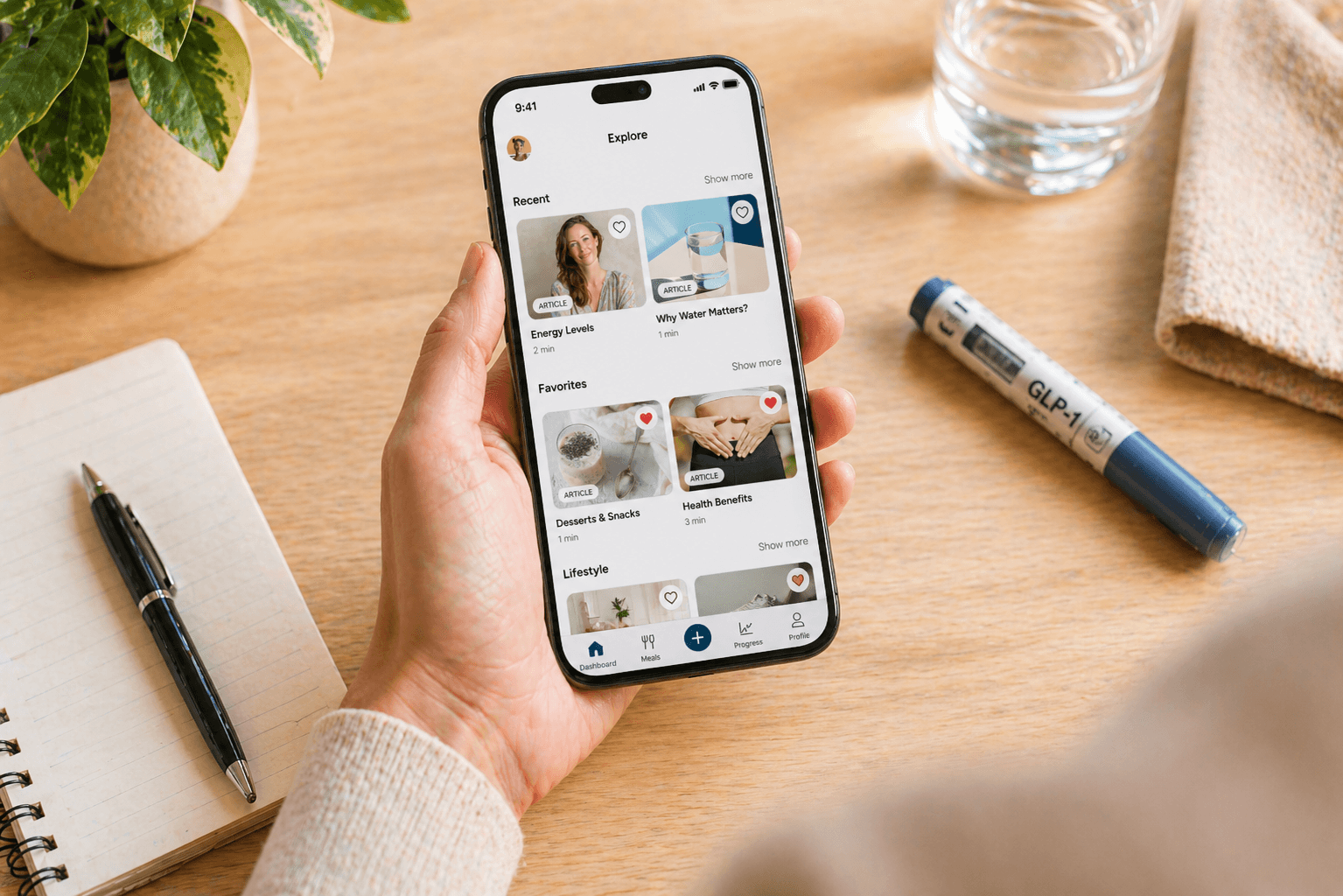
- The Role of Digital Meal Planning Tools
- Progress Tracking: Why Visibility Supports Results
- What Good GLP-1 Meal Planning Looks Like in Practice
- The Bottom Line
In clinical practice this assumption often leads to frustrating outcomes–weight loss that plateaus early, fatigue that undermines daily functioning, and muscle loss that patients do not notice until they struggle to climb stairs. The missing piece, almost universally, is structure.
That is exactly what the GLP Diet app was designed to provide. GLP-1 receptor agonists are genuinely effective tools for weight management. But their effectiveness is maximized–or undermined–by how people eat during treatment. This is where structured meal planning becomes not a nice-to-have, but a clinical necessity.
The Problem with Reduced Appetite Alone
Without adequate protein intake, it also breaks down muscle tissue for energy. Research consistently shows that preserving muscle during weight loss requires hitting specific protein targets daily–targets that become very difficult to reach when someone is only eating a fraction of their previous food volume.
GLP Diet is built specifically around this challenge, structuring every meal to hit protein targets even within a dramatically reduced appetite.Additionally, patients eating much less overall are at risk of falling short on key micronutrients: B vitamins, iron, zinc, magnesium, and calcium.
These deficiencies can cause fatigue, mood disturbances, and weakened immunity–symptoms that are often mistakenly attributed to the medication rather than inadequate nutrition.Why Meal Planning Removes the Guesswork
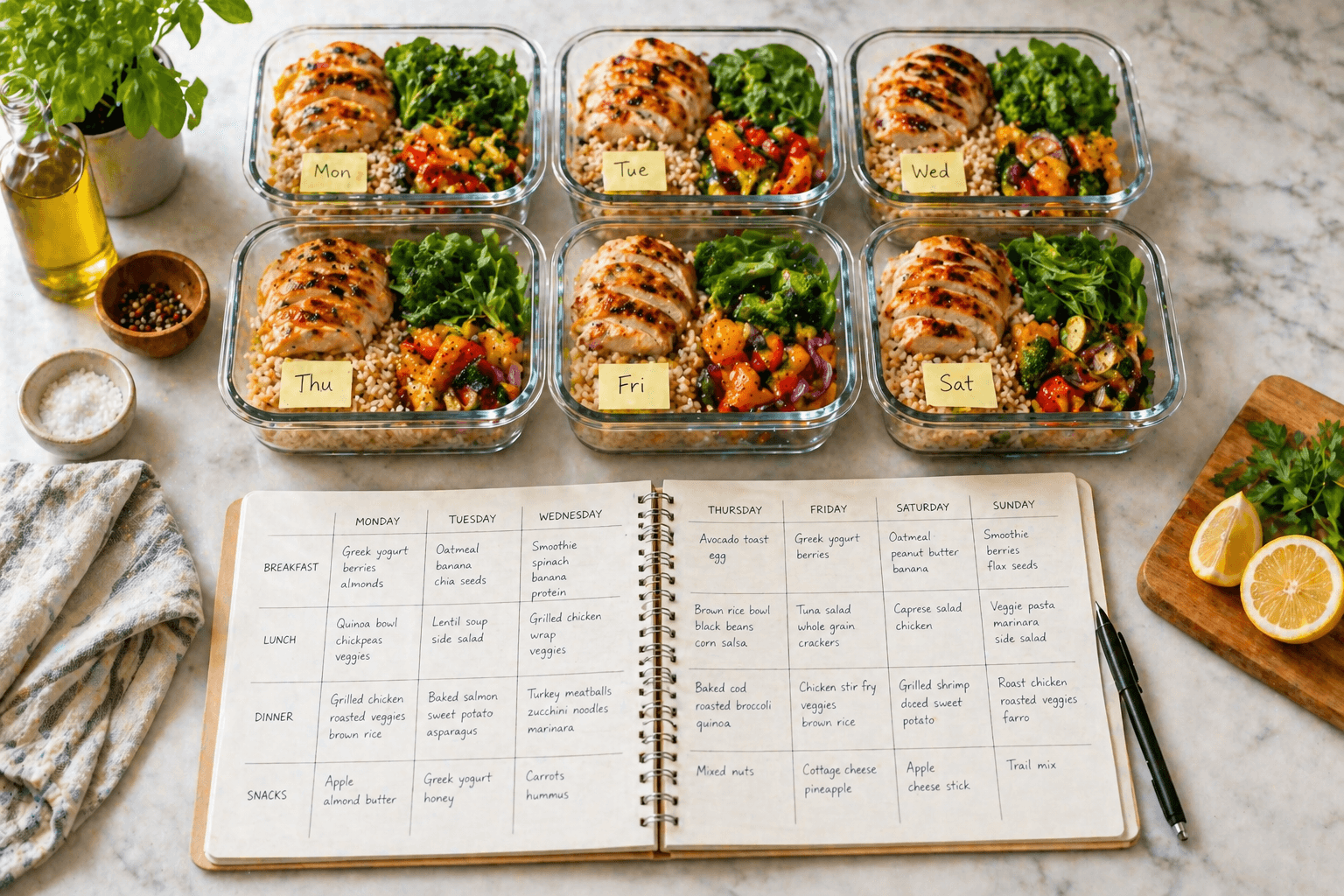
Rather than eating reactively–grabbing whatever seems manageable when hunger briefly surfaces–a pre-planned approach ensures that each meal contributes meaningfully to protein targets, micronutrient needs, and overall caloric goals.
GLP Diet app does exactly this automatically, generating a full week of meals calibrated to a GLP-1 user's reduced appetite and elevated protein needs.
The most effective GLP-1 meal plans share several characteristics:
- Every meal is built around a high-quality protein source first; three to five smaller, nutrient-dense meals replace the traditional three large ones;- Preparation is kept simple and quick for days when appetite suppression makes cooking feel unappealing;
- Texture-friendly options are prioritized during nausea-prone dose escalation periods;
- Consistent hydration reminders are built in, since GLP-1 users face a higher risk of dehydration.
The GLP Diet incorporates all of these principles into a single, easy-to-follow daily framework.
The Role of Digital Meal Planning Tools
Creating and following a thoughtful GLP-1 meal plan from scratch requires considerable nutrition knowledge.
This is where the GLP Diet offers real, practical value. Unlike generic calorie-counting apps that were never designed with GLP-1 users in mind, GLP Diet addresses the unique nutritional demands of medication-assisted weight loss directly–with meal suggestions optimized for muscle preservation, portion sizes calibrated for reduced appetite, and recipes designed to be nourishing without being overly rich or hard to digest.
The personalization element is critical. GLP Diet's quiz-based onboarding ensures the plan reflects real lifestyle constraints–whether a patient is vegetarian, lactose-intolerant, or managing a busy schedule–rather than defaulting to generic templates that ignore how differently people actually live.
Progress Tracking: Why Visibility Supports Results
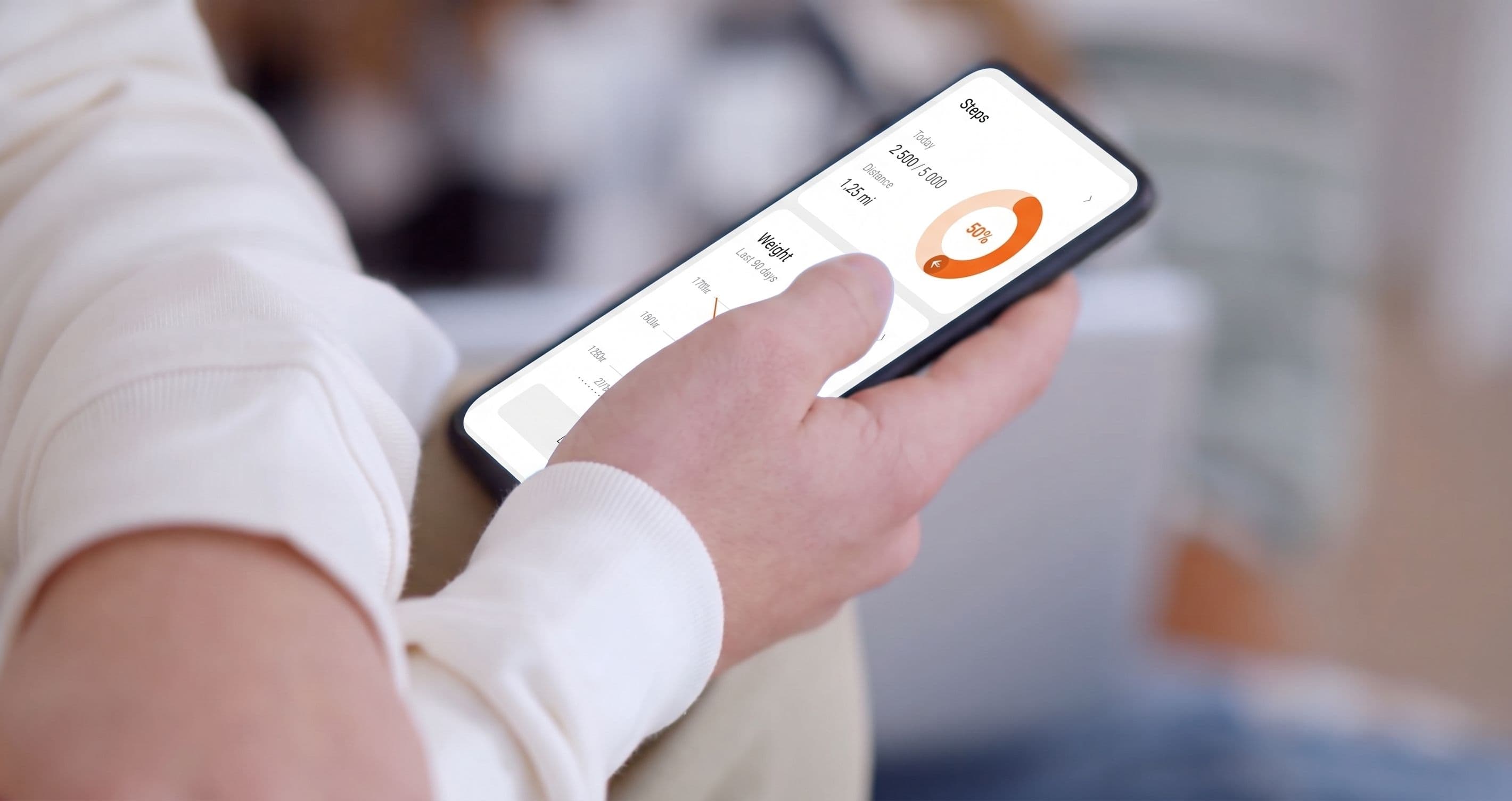
GLP Diet's integrated tracking–for steps, water intake, weight trends, fasting windows, and meal adherence–provides a complete picture of how the body is responding to treatment.
Seeing consistent data helps patients stay motivated during plateaus and make evidence-based adjustments rather than reacting emotionally to a single day on the scale. In this sense, the GLP Diet app functions as the accountability layer that medication alone simply cannot provide.
What Good GLP-1 Meal Planning Looks Like in Practice
A well-structured week built around GLP Diet's framework typically involves protein-forward breakfasts that are easy to prepare–Greek yogurt parfaits, scrambled eggs with spinach, or a small high-protein smoothie.
Lunches centered on lean protein and vegetables–grilled chicken salads, turkey wraps, or lentil soup. Dinners built around a palm-sized protein portion alongside steamed or roasted vegetables and a modest serving of complex carbohydrates. And one or two small protein-rich snacks to bridge gaps–cottage cheese, a boiled egg, or a handful of mixed nuts.
Simple, structured, and sustainable.
The Bottom Line
Structured meal planning is not an optional extra–it is part of an effective treatment approach.
GLP Diet was built precisely for this role: a purpose-designed companion for GLP-1 users that removes the guesswork, protects muscle, and turns the window of appetite suppression into a genuine opportunity for lasting change.
Think of it as the structure your medication cannot give you–but that your results absolutely depend on.
Related Articles
High Diet App Review: What's Inside, What It Costs, and How To Manage It
Flame Diet App Review: What You Get, What It Costs, and How To Cancel

Senior Diet App Review: What's Included, What It Costs, and How To Cancel
K-Diet App Review: What's Inside, What It Costs, and How To Manage It

Is It Keto: Your Guide to Checking Foods Fast and Entering Ketosis in 3-4 Days
.jpg&w=3840&q=75)
What Is the Healthiest Diet for Healthy Aging in 2026: A Practical Guide
Comments
(0)Leave a comment
Your email will not be published. All fields are required.