Discover personalized meal plans and over 500 carnivore recipes to simplify your journey.
Explore Carnimeat Options
Mastering Carnivore Diet Social Situations In 2026
By: Healthtime Editorial
Fact checked by: QA Team
Updated on: September 16, 2026
0
1838
8 min
In this article
- The Mindset Shift for Animal-Based Socializing
- Navigating Carnivore Diet Social Situations at Restaurants
- Attending Dinner Parties and Family Gatherings
- Managing Work Events and Professional Settings
- Travel Tips for Carnivores on the Go
- Finding Support in Carnivore Communities
- FAQ
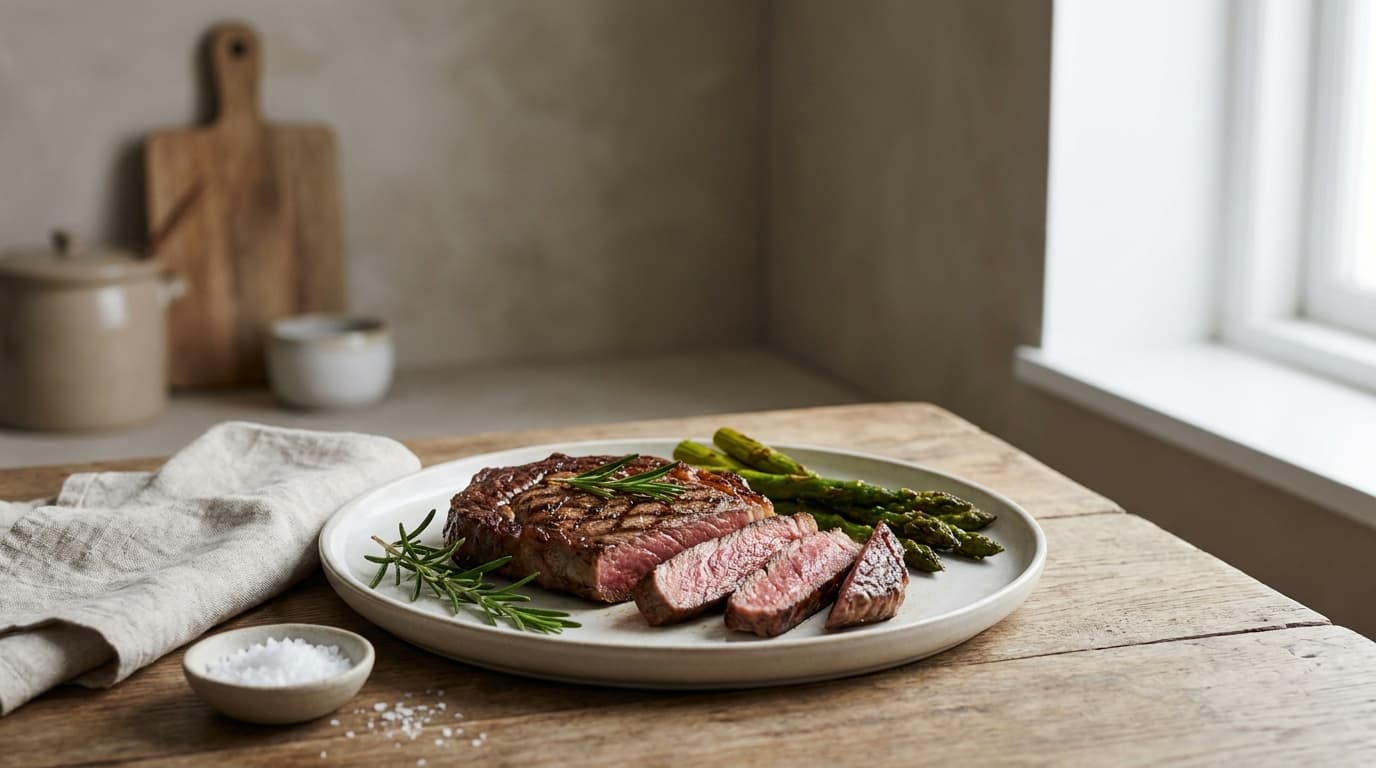
Adopting an animal-only diet often brings incredible health benefits, but it also introduces unique challenges when navigating carnivore diet social situations. You might feel isolated at dinner parties or anxious about explaining your empty plate at networking events.
Fortunately, I have discovered that with the right preparation and mindset, you can enjoy a vibrant social life without compromising your nutritional goals. Let's explore how to confidently handle everything from restaurants to family holidays.
The Mindset Shift for Animal-Based Socializing
The foundation of thriving in any social setting on a meat-only diet is realizing that you control your social experience, not your menu. By adjusting your mindset, you can alleviate the pressure of feeling different and actually enjoy gatherings more deeply.
Focusing on Connection Over Consumption
Socializing becomes exponentially more rewarding when focused on human connection rather than shared menus. I always remind myself that people invite me because they value my company, not to monitor my plate.
Reframing the gathering: When you stop obsessing over the food, you can dedicate more energy to genuine conversations. You shift from being a passive diner to an active participant in the social dynamic.
Active listening: I aim to spend at least 80% of the evening engaged in conversation rather than focused on eating. This makes me a much better listener and companion overall.
Overcoming Dietary Social Anxiety
Learning how to confidently navigate events without fear of judgment takes a little practice. I find it helpful to practice my responses before arriving at the venue.
Pre-event mental rehearsals: Preparing just one standard, polite response to dietary questions stops me from over-explaining. Keeping answers brief prevents the conversation from turning into a debate.
Deflection techniques: Shifting the spotlight back to the other person keeps the interaction flowing smoothly. People love talking about themselves, so asking a thoughtful question is a great redirection tool.
Baseline social anxiety often decreases once your body adapts to the diet due to blood sugar stabilization. If food-related anxiety prevents you from attending events entirely, discussing it with a mental health professional is highly recommended.
Once you have the right internal mindset established, the next step is conquering the most common external hurdle: dining out at restaurants.
Navigating Carnivore Diet Social Situations at Restaurants
Eating out is entirely possible and enjoyable when you know exactly what to look for and how to ask for it. The key is reviewing your options ahead of time and communicating clearly with restaurant staff.
Reviewing Menus and Choosing Venues
Ensure you always have a satisfying meal by picking the right location. I make it a habit to check menus at least 24 hours in advance to guarantee there are meat-heavy options.
When vetting places, I use the Carnimeat app to streamline my planning process. The platform features an extensive library of over 500 carnivore recipes, but what I find truly invaluable is its personalized carnimeat plan.
This specific feature helps you identify suitable meals when dining out and adapt them to your macros. By logging my daily targets in the built-in trackers, I know exactly how much protein I need to order.
It completely removes the guesswork from social dining and keeps me aligned with my health goals. Here is how I narrow down the best restaurant choices in any city.
Selecting the best restaurant
- Spotting hidden seed oils — Ask if meats are grilled in butter or vegetable oil to avoid inflammatory fats.
- Identifying a la carte options — Look for steakhouses or barbecue joints where you can order meat by weight.
- Prioritizing safe venues — Burger restaurants are usually very accommodating to bunless requests.
Ordering Customizations Confidently
Secure exactly what you need by being polite but firm with your server. I have learned that confidence is key when requesting modifications in a busy restaurant.
The simple ordering script: I clearly state what I want without apologising for the changes. Asking for burgers without buns or unseasoned eggs is standard practice in the hospitality industry today.
Requesting real butter: I often ask for two extra pats of butter with my steak to ensure adequate fat intake. Most chefs are happy to accommodate this when asked politely.
Handling Questions from Waitstaff
Minimize friction by using clear, concise explanations with servers. I highly recommend keeping explanations under 10 seconds to avoid holding up their workflow.
Rather than delivering a lecture on the benefits of zero-carb living, I find that citing a general food sensitivity works best. Here is a quick reference guide on how to handle common server inquiries gracefully.
| Server Inquiry | Your Professional Response |
|---|---|
Any allergies? | Severe plant sensitivities |
Would you like sides? | Just the meat, please |
No sauce? | Only salt and butter |
Tipping Well for Special Requests
Build positive rapport with local establishments by adequately compensating them for custom orders. Taking good care of your servers makes future visits incredibly stress-free.
Building local rapport: When the kitchen makes heavy modifications to accommodate my diet, I make it a point to tip 25% or more. This generosity ensures I am welcomed back warmly next time.
While restaurants are easy to manage with a good tip and clear instructions, family gatherings require a slightly softer, more personal touch.
Attending Dinner Parties and Family Gatherings
Family dinners and private parties can feel like a minefield of emotional attachments to food. Navigating these situations requires a blend of clear communication with your host and bringing your own provisions.
Communicating with Hosts in Advance
Prevent awkwardness at the dinner table by setting expectations early. I find that reaching out at least three days before the event works perfectly.
By addressing the menu beforehand, you give the host time to process the information without feeling ambushed. Here is how I approach the conversation.
Steps for talking to hosts
- The pre-party phone call — Frame the diet as a medical protocol to prevent them from taking it personally.
- Alleviating host burden — Reassure them that you require no special cooking and will manage your own needs.
Bringing Meat-Based Dishes to Share
Guarantee you have a safe, satisfying option by contributing to the meal. Bringing a two-pound smoked brisket or a heavy charcuterie platter ensures you stay fed while impressing the other guests.
Crowd-pleasing proteins: Everyone loves high-quality roasted meats or bacon-wrapped scallops. It demonstrates that your dietary choices are delicious rather than restrictive.
Ensuring your own satiation: I often browse the Carnimeat app beforehand for inspiration on travel-friendly, shareable meat dishes. Their exclusive articles and videos have taught me great techniques for keeping large cuts of meat warm during transit.
This makes contributing to family potlucks completely stress-free, and I never have to worry about going hungry at a party.
Fielding Well-Meaning Nutritional Advice
Protect your peace by gracefully exiting dietary debates with relatives. It is inevitable that someone will ask about your cholesterol or fiber intake.
The pivot technique: I acknowledge their concern gently and then immediately ask them a question about their life. People usually prefer talking about themselves over arguing about nutrition.
Setting boundaries: I limit diet conversations to exactly one minute before firmly changing the subject. You do not owe anyone a scientific defense of your lifestyle choices.
Eating Before You Arrive
Eliminate temptation and social pressure by arriving with a full stomach. This classic strategy allows you to focus purely on the social aspect of the gathering.
Pre-gaming with protein: I suggest eating a highly satiating meal one hour before arriving. If eating beforehand creates an unhealthy binge-restrict cycle, please consult a dietary therapist.
Beyond personal relationships, you will also need discreet strategies for handling the professional sphere and workplace obligations.
Managing Work Events and Professional Settings
Workplace socializing, from catered lunches to networking happy hours, demands a professional approach to your dietary choices. You can easily navigate these situations without drawing unwanted attention to your plate.
Surviving Catered Lunches
Maintain professionalism and adherence by selectively navigating office buffets. There is almost always a way to extract protein from corporate catering spreads.
Discreetly declining: You can easily pick toppings off pizza or stick to plain burger patties without making a scene. Most colleagues are too busy eating to notice what you leave behind.
Desk drawer backups: I always keep at least two plain beef sticks in my desk for unexpected catering emergencies. This ensures I never have to compromise my diet due to poor office food options.
Networking at Happy Hours
Participate fully in after-work bonding without breaking your protocol. The goal is to blend in while staying true to your nutritional needs.
The decoy drink: I always hold one glass of sparkling water with lime, which prevents people from questioning my sobriety. Having a glass in your hand makes you look socially engaged.
Zero-carb alcohol considerations: If you choose to drink, remember that zero-carb diets dramatically lower your alcohol tolerance. Stick to unflavored spirits and consume them with extreme caution.
Just as work requires professional preparation, taking your carnivore lifestyle on the road requires strategic logistical planning.
Travel Tips for Carnivores on the Go
Traveling on a carnivore diet is incredibly freeing once you strip away the need for complex meal planning. Whether flying or driving, maintaining your routine simply requires sourcing basic animal products.
Sourcing Local Grocery Stores and Butchers
Ensure steady food availability by mapping out local meat sources upon arrival. Finding a grocer within a five-mile radius of your hotel is usually much easier than hunting for a suitable restaurant.
I like using Carnimeat to log my water intake and weight while traveling, keeping my routines intact regardless of location. The lifestyle challenges within the app also help me stay motivated to find high-quality local butchers instead of settling for fast food.
Try Carnimeat Today
When you rely on supermarkets, you can bypass the stress of navigating foreign menus. Here are the best strategies for eating well from a hotel room.
Grocery hacks for travelers
- Navigating foreign supermarkets — Look for deli meats, hard-boiled eggs, and pre-cooked bacon.
- Hotel room cooking hacks — Utilize the room's microwave or a travel air fryer to prepare simple beef cuts.
Fasting as a Travel Tool
Reduce travel stress and digestive upset by leveraging intermittent fasting. The high satiety of a meat-based diet makes this incredibly natural.
Skipping airport pitfalls: By fasting, you completely avoid the overpriced, seed-oil-laden food found in terminals. It also prevents the bloating often associated with long-haul flights.
Riding the satiety wave: I can comfortably fast for a six-to-eight-hour travel window without losing energy. However, extended fasting is not recommended for pregnant women or individuals with certain metabolic conditions.
While navigating the physical world is important, finding emotional and social support is equally vital to long-term dietary success.
Finding Support in Carnivore Communities
You do not have to navigate these social changes alone. Engaging with like-minded individuals can provide the encouragement and practical tips needed to sustain this lifestyle for the long haul.
Connecting with Online Groups and Forums
Overcome feelings of isolation by troubleshooting with experienced dieters online. Digital communities are invaluable for sharing restaurant hacks and moral support.
Crowdsourcing solutions: I recommend checking in with a supportive group one to two times a week to stay grounded. Hearing how others handle difficult relatives can be incredibly reassuring.
Finding virtual mentors: Learning from those who have successfully managed holidays and weddings for years makes your journey much smoother.
Community Insight
Surrounding yourself with people who understand your dietary goals is the fastest way to normalize your new lifestyle and remove the stigma of eating differently.
Attending Local Meetups
Normalize your eating habits by sharing physical meals with fellow meat-eaters. There is immense comfort in eating a steak alongside people who share your values.
The power of shared meals: Seek out local barbecues or health expos dedicated to animal-based living. Seeing a large group of people eating exactly like you is deeply validating.
Building local networks: I try to attend at least one local meetup per quarter to reinforce my commitment to the lifestyle.
To wrap up, let's address a few of the most common questions people have when combining their social lives with a meat-only lifestyle.
FAQ
How do I politely decline food cooked in seed oils at a friend's house?
I simply explain that I have a severe sensitivity to vegetable oils that causes inflammation. Offering to bring my own butter-cooked portion usually resolves the issue without offending the host.
Can I drink alcohol in social situations on the carnivore diet?
Yes, while strict followers consume zero alcohol, many include unflavored spirits like vodka or gin. Keep in mind that your tolerance will be significantly lower without carbohydrates in your system.
What should I do if a restaurant messes up my carnivore order?
I politely send the food back, explaining that the added sauces or sides trigger a physical reaction. Being kind but firm ensures the kitchen corrects the mistake without building resentment.
Does the carnivore diet actually help with social anxiety?
Many people find that stabilizing their blood sugar through a zero-carb diet drastically reduces baseline anxiety levels. While results vary, the mental clarity gained often makes socializing feel much less overwhelming.
Related Articles
Flame Diet App Review: What You Get, What It Costs, and How To Cancel
Nutrition5 min read

Senior Diet App Review: What's Included, What It Costs, and How To Cancel
Nutrition5 min read
K-Diet App Review: What's Inside, What It Costs, and How To Manage It
Nutrition5 min read

Is It Keto: Your Guide to Checking Foods Fast and Entering Ketosis in 3-4 Days
Nutrition5 min read
.jpg&w=3840&q=75)
What Is the Healthiest Diet for Healthy Aging in 2026: A Practical Guide
Nutrition5 min read
What to Eat on Mediterranean Diet in 2026: Practical Guide for Sustainable Energy
Nutrition5 min read
Comments
(0)Leave a comment
Your email will not be published. All fields are required.