Personalized meal planning made simple.
Explore no.Diet plans
Foods to Eat After Fasting: A Physician’s Guide to Safe Re-Feeding
By: Healthtime Editorial
Fact checked by: QA Team
Updated on: October 26, 2026
0
2402
8 min
In this article
- Why the First Bite Matters: Digestion Science
- Top Foods to Eat After Fasting (The 'Green Light' List)
- Foods to Avoid Immediately After a Fast
- Tailoring Your Meals to Fast Duration
- Sample Reintroduction Timeline (24-Hour Fast)
- FAQ

Choosing the right foods to eat after fasting is essential for maintaining the metabolic benefits you have worked hard to achieve. If you break a fast incorrectly, you risk digestive distress and energy crashes.
Many people find themselves confused about how to safely reintroduce solids. The digestive system is in a delicate state after a period of rest.
This guide covers the science of re-feeding and provides specific lists of safe foods. We will also look at timing strategies to protect your gut health.
Why the First Bite Matters: Digestion Science
Understanding how your digestive system reacts to a pause in eating helps you choose the right foods to eat after fasting. The body adapts to the lack of incoming nutrients by altering its chemical production.
After a period without food, your gut produces fewer digestive enzymes. The protective mucus lining may also temporarily thin during this resting phase.
Tools for nutritional planning
Re-establishing a healthy eating routine requires careful planning and structure. Many individuals benefit from using digital tools to organize their re-feeding phase.
I often recommend no.Diet for this purpose. This platform creates personalized Mediterranean meal plans that are gentle on digestion.
It includes trackers for water intake and fasting windows. These features help users transition smoothly back to solid foods without guesswork.
Digestive enzyme downregulation
It is helpful to think of 'digestive rest' like a factory shutdown. During a fast, the body conserves energy by reducing the production of enzymes like amylase and lipase.
Think of this like an assembly line where the workers have gone on break. When the line stops, the workers leave their stations to rest.
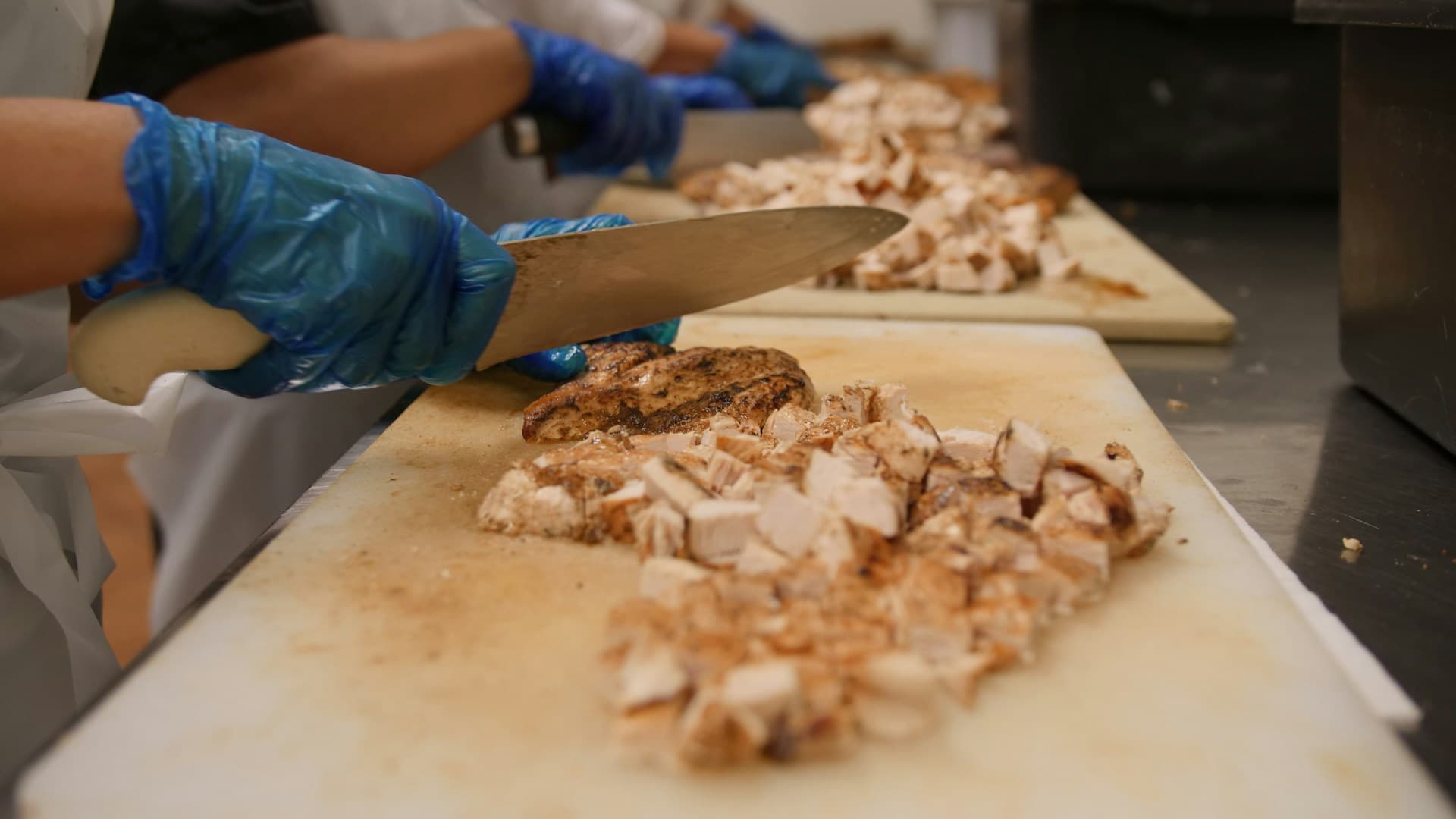
If you suddenly flood the line with heavy materials, the system jams immediately. Starting with complex meals overwhelms the few enzymes present.
You must introduce simple inputs first. This gives the body time to recall the workers to the line.
Insulin sensitivity spikes
Fasting significantly impacts insulin sensitivity levels. After a fast, your cells are primed to soak up glucose rapidly from the bloodstream.
While this is generally a positive health outcome, it carries risks if managed poorly. A sudden influx of sugar can cause a massive insulin spike.
This often leads to a severe energy crash or fatigue shortly after eating. The goal is to keep blood sugar stable with low-glycemic options.
Once you understand the 'why,' we can look at the specific foods that support this delicate process.
Top Foods to Eat After Fasting (The 'Green Light' List)
These are my top recommendations for foods to eat after fasting because they provide essential nutrients without burdening your gut. I recommend prioritizing hydration and texture softness in this initial phase.
Bone broth and vegetable soups
Bone broth is widely considered the gold standard for breaking a fast. It provides essential electrolytes like sodium, potassium, and magnesium.
It also contains glycine, which supports gut lining health. These nutrients are available without requiring heavy mechanical digestion.
I suggest sipping the broth slowly rather than gulping it down. This allows your stomach to wake up gently.
Blended vegetable soups are another excellent option. They offer fiber that is pre-digested through cooking and blending.
Fermented foods
I recommend including small portions of fermented foods like sauerkraut or kimchi. Fasting can temporarily alter the gut microbiome composition.
Reintroducing probiotics early helps re-establish a healthy bacterial balance. However, portion control is absolutely critical here.
Start with just 1–2 tablespoons to test your tolerance. Large amounts can sometimes trigger gas or bloating.
Steamed or cooked vegetables
You should choose cooked vegetables over raw ones immediately after a fast. Cooking helps break down tough cellulose fibers found in plant walls.
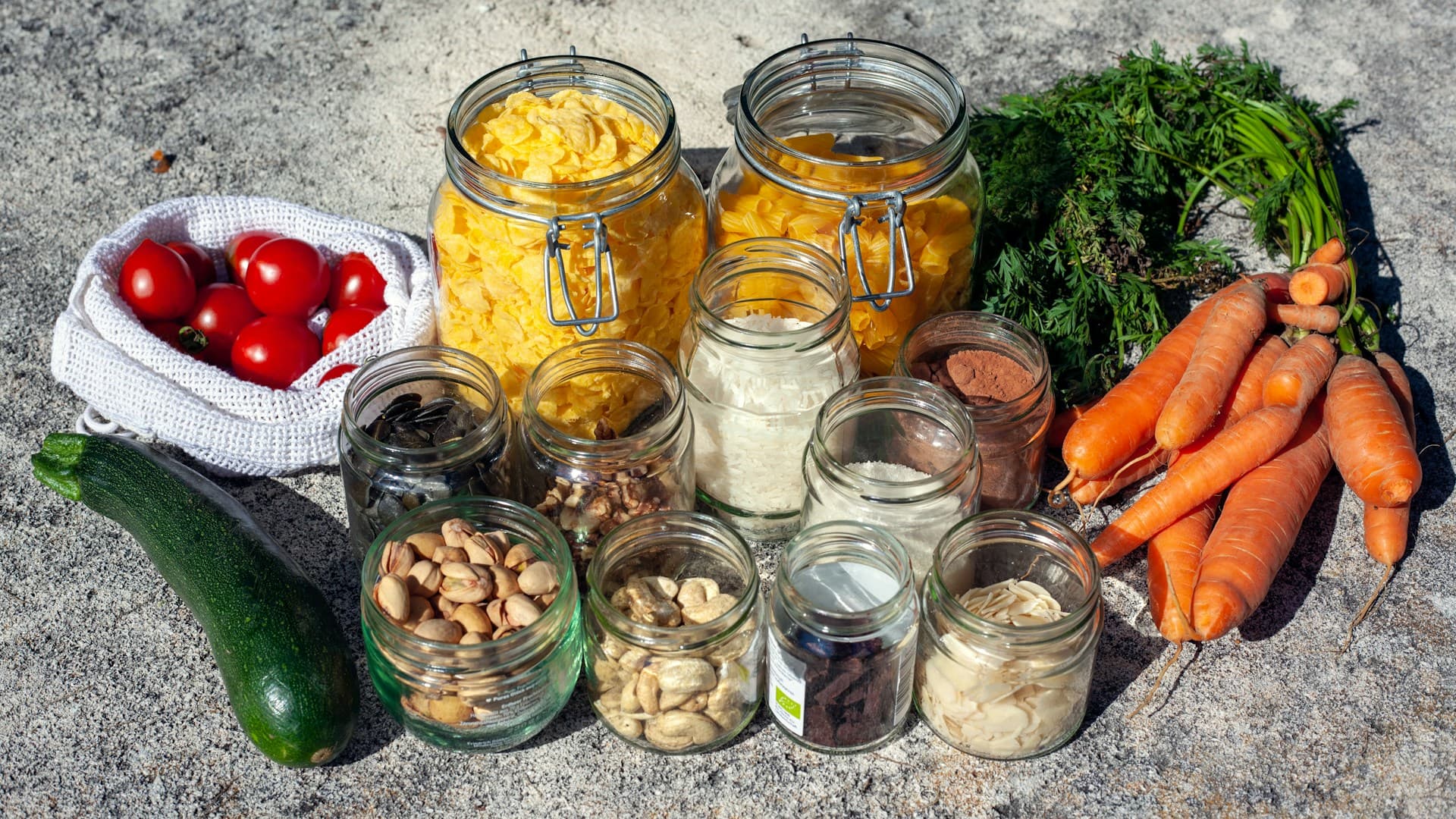
This makes the nutrients more accessible and less likely to cause cramping. Spinach, zucchini, and carrots are excellent gentle choices.
Raw cruciferous vegetables like broccoli should be saved for later meals. Their fibrous structure requires more digestive effort.
Healthy fats
High-quality fats like avocado and olive oil play a vital role in re-feeding. Fats stimulate the gallbladder gently to release bile.
They provide sustained energy without spiking blood sugar levels. Texture is important, so avocados are particularly soothing.
Avoid large quantities of fried fats during this window. Stick to raw or lightly cooked healthy sources.
Easy-to-digest proteins
Lean, soft proteins are vital for muscle maintenance after a fast. Eggs, whether scrambled or poached, are often called nature's multivitamin.
White fish and collagen powder are also excellent choices. They are much easier to digest than red meat or tough fibers.
I advise skipping steak or pork chops for the very first meal. While protein is crucial, digestibility must come first.
While knowing what to eat is crucial, knowing what to keep off your plate for a few more hours is equally important.
Foods to Avoid Immediately After a Fast
Just as important as the foods to eat after fasting are the ones you should delay until your digestion is fully up to speed. Consuming these too early can lead to gastrointestinal distress, bloating, or energy crashes.
Refined carbohydrates and sugars
I strongly warn against breaking a fast with pastries, white bread, or candy. These foods will cause a rollercoaster of blood sugar.
Because your insulin sensitivity is high, the spike can be dramatic. This often negates some metabolic benefits of the fast.
A 'food coma' feeling often follows this mistake. It is best to stick to complex carbs if you eat any at all.
Raw cruciferous vegetables
Huge salads with raw kale, broccoli, or cauliflower can be problematic as a first meal. The tough fiber and sulfur compounds are hard to break down.
This can cause significant gas and painful bloating when the gut is 'waking up.' I suggest waiting until the second or third meal for these items.
Dairy and lactose
You should exercise caution with heavy dairy products like milk or cream. This is especially true if the fast was longer than 24 hours.
Lactase enzyme production may drop during fasting periods. This makes temporary lactose intolerance a common side effect.
Fermented dairy like yogurt or kefir is usually safer. Otherwise, wait a day before resuming milk consumption.
Alcohol
There is a strict advisory against alcohol as a fast-breaker. The liver has been working on glycogen management and detoxification processes.
Hitting it with alcohol on an empty stomach leads to rapid intoxication. It also causes immediate inflammation and halts fat burning.
The strictness of these rules depends largely on how long you have been fasting.
Tailoring Your Meals to Fast Duration
Not all fasts require the same level of caution; a 16-hour intermittent fast is different metabolically than a 3-day prolonged fast. I adjust my recommendations for foods to eat after fasting based on the specific timeline below.
Intermittent fasting (12–16 hours)
For short daily fasts like the 16:8 method, the digestive system doesn't shut down significantly. Most people can eat a regular, balanced meal immediately.
However, starting with protein and veggies before carbs is still wise. This strategy helps optimize satiety and blood sugar control.
'Special' foods aren't strictly necessary here. Focusing on quality ingredients is usually enough.
24 to 48-hour fasts
This is the 'intermediate' zone where more care is needed. I recommend following the 'Green Light' list strictly for the first meal.
Keep the portion size to 50% of a normal meal to test digestive tolerance. If you feel good, you can eat more an hour later.
Avoid heavy meats and raw fiber for at least the first 4–6 hours. Your gut needs this ramp-up time.
Prolonged fasting (3+ days)
This is the critical zone where safety is paramount. The refeeding period should last half as long as the fast itself.
For example, after a 3-day fast, spend 1.5 days eating carefully. Start exclusively with liquids like broth and very small portions of soft solids.
If you experience sudden fatigue, heart palpitations, or confusion, seek medical care immediately. These can be signs of electrolyte imbalances.
Understanding Refeeding Syndrome risks
Refeeding Syndrome is a serious clinical risk during multi-day fasts. It involves a dangerous shift in electrolytes like phosphorus and magnesium.
This occurs if carbohydrates are reintroduced too aggressively. The body uses up electrolytes to process the sudden sugar load.
While rare for short fasts, it underscores the need for low-carb refeeding. Focusing on mineral-rich foods is the safest approach.
To make this practical, let’s look at a sample schedule for a typical 24-hour fast.
Sample Reintroduction Timeline (24-Hour Fast)
If you are breaking a 24-hour fast, a structured approach helps you avoid overeating. This simple timeline shows you exactly what foods to eat after fasting and when to eat them.
Hour 0: The liquid starter
Start with 1 cup of warm bone broth or diluted apple cider vinegar in water. The purpose is hydration and priming stomach acid.
Keep this step simple and liquid-only. Wait 15–30 minutes before consuming any solids.
Hour 0.5: Small soft solids
Next, eat a small bowl of steamed spinach with a boiled egg or half an avocado. Think of this portion as 'appetizer' size.
Focus on chewing thoroughly to aid digestion. Eating slowly allows your satiety hormones to register.
Hour 2–3: A full balanced meal
By this point, digestion should be active, and a more complex meal is safe. Grilled salmon or tofu with roasted zucchini is a great choice.
You might add a small portion of quinoa or sweet potato. Remember to stop eating when you feel 80% full.
FAQ
Can I eat fruit after fasting?
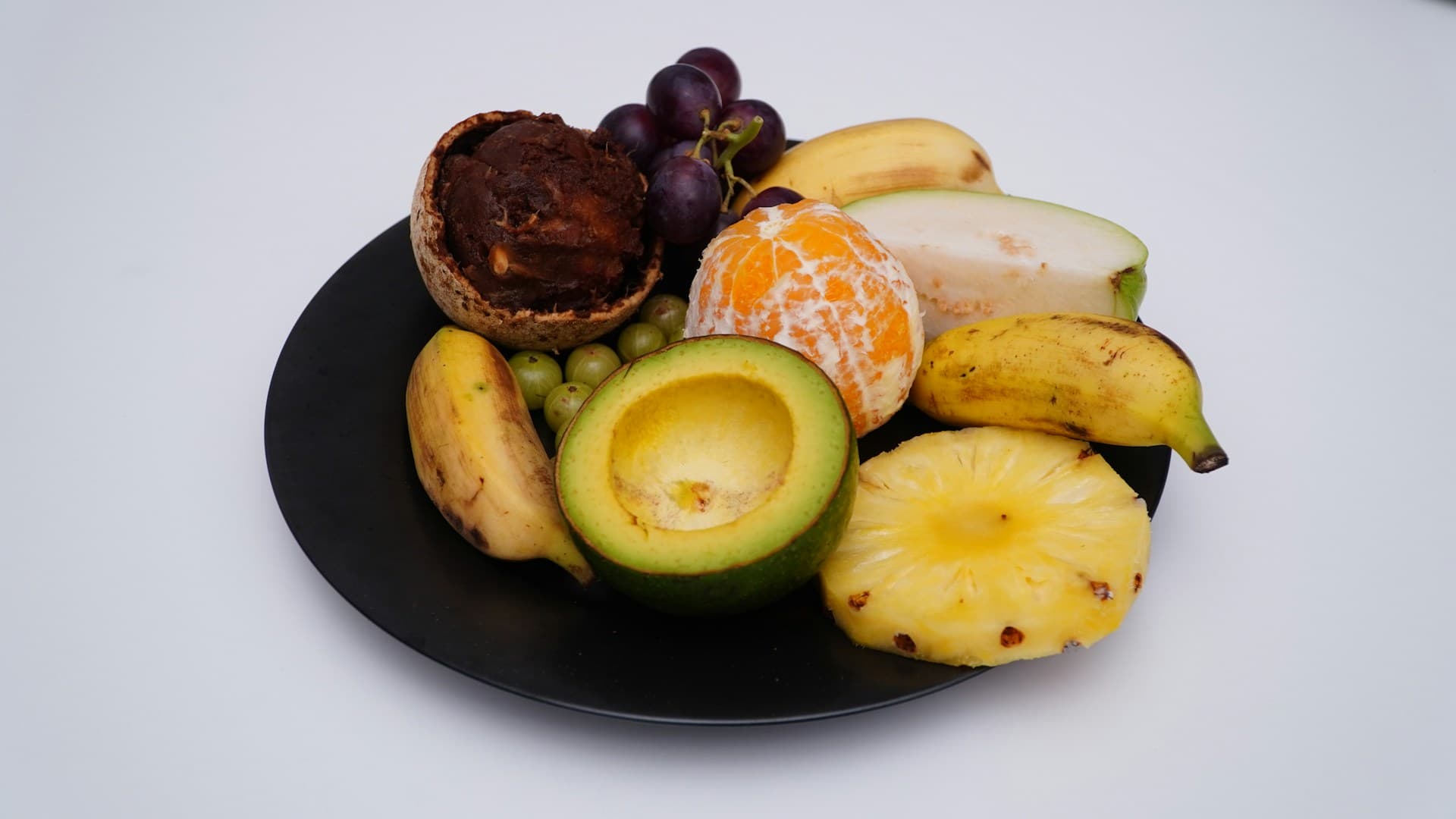
Yes, but choose low-glycemic fruits like berries or melon. Avoid high-sugar fruits like grapes or mango immediately to prevent blood sugar spikes.
It is best to eat fruit at the end of your meal rather than on an empty stomach. This helps buffer the absorption of fructose.
Is peanut butter good to break a fast?
Natural peanut butter can be okay in small amounts due to its fat and protein content. However, avoid brands with added sugars or vegetable oils.
Some people find nuts hard to digest immediately. Almond butter or tahini might be gentler alternatives.
How long should I wait to exercise after breaking a fast?
I recommend waiting at least 60 to 90 minutes after your first substantial meal. Digestion requires blood flow that would otherwise go to your muscles.
Light walking is fine and can actually aid digestion. Heavy lifting or HIIT should be delayed until you are fully fueled.
What happens if I overeat right after fasting?
Overeating often leads to bloating, stomach cramps, and extreme fatigue. The sudden influx of food can overwhelm your dormant digestive enzymes.
If this happens, sip ginger tea and go for a gentle walk. It usually passes within a few hours, but it is an uncomfortable lesson.
Related Articles
How to Calculate Your Macros: A 4-Step Strategy for Fat Loss and Muscle Retention
Nutrition5 min read

Caffeine Levels in Your Favorite Drinks: The Guide to All-Day Energy Without Crashes
Nutrition5 min read
Unlocking Kimchi Benefits: How 60 Grams a Day Can Transform Gut Health and Metabolism
Nutrition5 min read
Food Pairing For Better Nutrient Absorption: The Practical Plate Guide
Nutrition5 min read

Harmony Diet App Review: What's Inside, What It Costs, and How To Manage It
Nutrition5 min read
10 Foods Associated With Slower Biological Aging
Nutrition5 min read
Comments
(0)Leave a comment
Your email will not be published. All fields are required.