Get your personalized Mediterranean meal plan.
Try no.Diet today
Can You Drink a Protein Shake While Fasting?
By: Healthtime Editorial
Fact checked by: QA Team
Updated on: October 21, 2026
0
4959
8 min
In this article
- The Biological Impact: Does a Protein Shake Break a Fast?
- Aligning Protein Intake with Your Fasting Goals
- Timing Strategy: When to Drink Your Shake
- Choosing the Best Protein Shake for Intermittent Fasting
- Why Protein is Essential for Fasting Success
- Common Myths About Fasting and Protein
- FAQ
- Conclusion
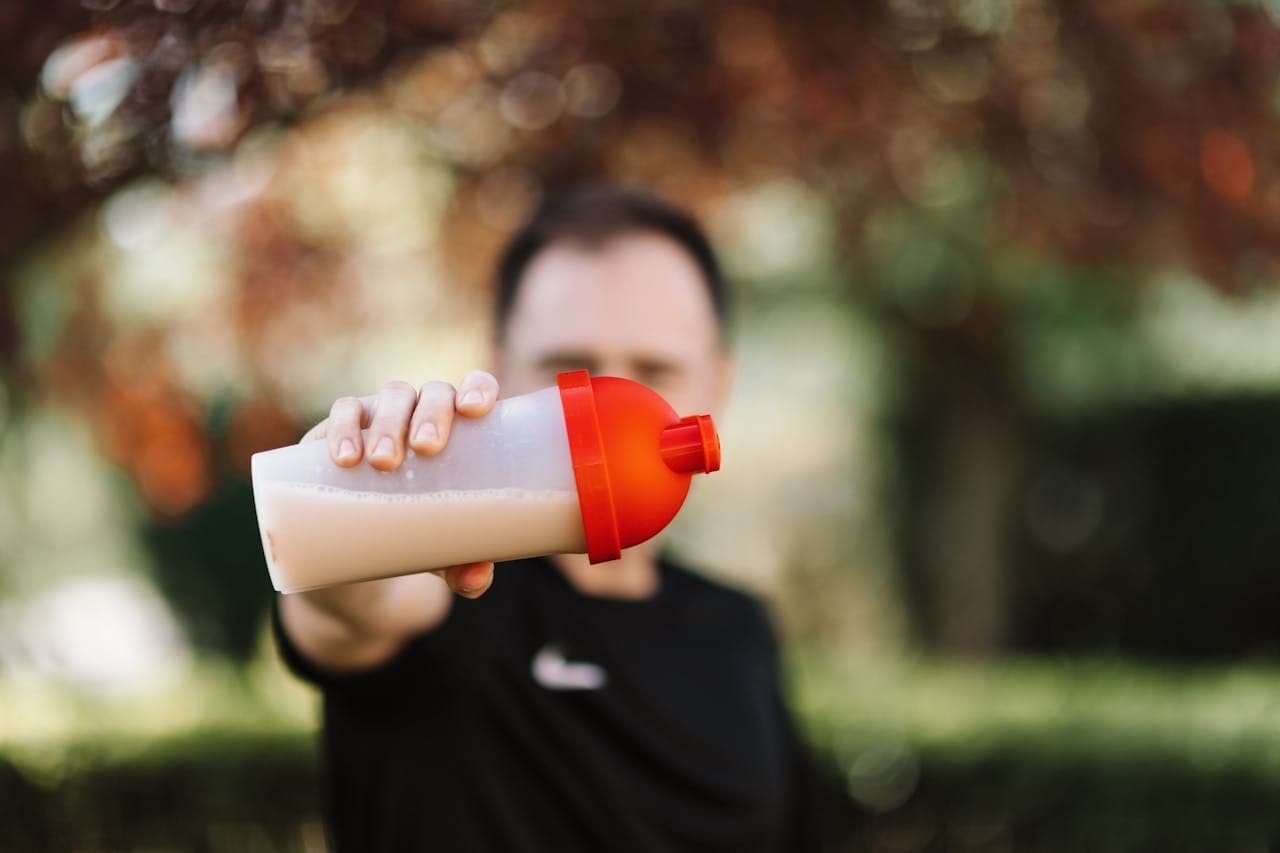
Yes, drinking a protein shake technically breaks a fast because it triggers an insulin response. However, depending on your specific goals, this might not derail your progress entirely.
Intermittent fasting works by managing hormones, not just counting calories. Understanding the biological mechanisms at play helps you make informed decisions.
This article explores how protein affects ketosis and autophagy. We will also cover the best timing strategies for your shakes.
The Biological Impact: Does a Protein Shake Break a Fast?
To understand why protein shakes interrupt a fasted state, we have to look at how your body reacts to nutrients at a cellular level. It is not just about calories; it is about hormonal signaling.
Every time you consume nutrients, your body switches gears. This transition moves you from a catabolic state to an anabolic one.
The Insulin Response
When you ingest protein, your pancreas releases insulin to help shuttle amino acids into cells. This hormone acts as a master switch that governs your metabolic state.
Once insulin rises, the process of lipolysis, or fat breakdown, effectively pauses. The body prioritizes processing the incoming energy over burning stored fat.
Whey protein is particularly insulinogenic compared to other foods. Studies suggest it can sometimes spike insulin more than white bread due to its rapid absorption.
mTOR and Autophagy
mTOR (Mammalian Target of Rapamycin) serves as a sensitive nutrient sensor within your cells. It detects the presence of amino acids in the bloodstream.
When mTOR is activated by protein, it blocks autophagy, the body's cellular cleanup process. If cellular repair is your primary goal, this is a critical mechanism to respect.
Even a small intake of 5–10 grams of protein acts as a 'green light' for growth. This effectively turns off the 'cleanup' mode responsible for recycling damaged cell parts.
The 'Dirty Fasting' Exception
Some people practice 'dirty fasting,' where strictly caloric goals override metabolic purity. This approach focuses on weight loss rather than deep cellular repair.
In this context, a low-carb shake under 100 calories might slow progress but won't ruin it completely. It can serve as a crutch to extend the fasting window.
However, this differs significantly from 'clean fasting' requirements. Clean fasting demands zero calories to maintain a true physiological fast.
Liquid Calories vs. Solid Food
Liquid protein digests much faster than solid food, leading to a rapid influx of amino acids. A steak might take 2–3 hours to digest, releasing nutrients slowly.
In contrast, a protein shake can be absorbed in as little as 30 minutes. This speed snaps the body out of fasting mode faster and more abruptly than complex meals.
Since we know protein breaks the fast, let’s look at how your specific goals might change how strict you need to be.
Aligning Protein Intake with Your Fasting Goals
Not everyone fasts for the same reasons, and your objective determines whether a protein shake is a minor slip-up or a major interference. I often advise matching your strictness to your desired outcome.
Understanding your "why" helps you navigate dietary choices. Flexibility is key for long-term adherence.
Goal: Maximum Autophagy and Longevity
For deep cellular cleaning, zero calories are permitted during the fasting window. The body requires a complete absence of nutrients to engage in deep autophagy.
Sublements like BCAAs, collagen, and whey trigger nutrient sensors that stop this process immediately. Even non-caloric sweeteners can sometimes provoke a cephalic insulin response.
If longevity is your aim, stick to water, black coffee, or plain tea.
Goal: Weight Loss and Fat Burning
While insulin spikes pause fat burning temporarily, the thermic effect of protein and satiety benefits can support overall calorie deficits. You lose the fasted state for an hour but gain long-term appetite control.
Maintaining a deficit is often the hardest part of weight loss. Many people struggle to balance their macros effectively without structured guidance.
This is where using a digital tool like no.Diet can be incredibly helpful. Their personalized Mediterranean diet plans help organize your eating window to maximize results.
By following a structured plan, you ensure that breaking your fast contributes to your nutritional goals rather than detracting from them. It turns a potential slip-up into a strategic fueling decision.
Goal: Gut Rest and Digestion
Fasting supports the migrating motor complex (MMC), which cleans the gut of debris and bacteria. This process only occurs when the digestive system is empty.
Protein shakes require active digestion involving enzymes and stomach acid. Consuming one disrupts this rest period and resets the MMC cycle.
For those seeking digestive relief, strict adherence is necessary.
Once you've decided to stick to water during the fast, the next question is how to use protein effectively when you stop fasting.
Timing Strategy: When to Drink Your Shake
Since you cannot drink a shake *during* the fast without breaking it, timing it around your eating window becomes critical for results. I recommend specific windows to maximize absorption and minimize digestive distress.
Strategic timing ensures you get the anabolic benefits without compromising your fasting efforts. It is about leveraging the body's natural rhythms.
Breaking the Fast (The 'Break-Fast' Shake)
A protein shake is ideal for gently breaking a fast because it is liquid and easy to digest. It primes the digestive system without overwhelming it.
I suggest sipping a shake 30 minutes before a main meal. This primes the stomach and helps prevent overeating when you finally sit down to solid food.
A typical portion size of 20–30g of protein is sufficient. This amount spikes amino acids in the blood rapidly.
The Post-Workout Window
If you lift weights in a fasted state, breaking the fast immediately post-workout is crucial. Your muscles require amino acids for repair and synthesis.
Waiting too long can lead to muscle breakdown. I advise not waiting more than 60 minutes after a heavy session to consume protein.
The Pre-Fast Last Meal
Drinking a shake right before the eating window closes can help sustain you. It acts as a final nutrient deposit before the fasting period begins.
Casein is specifically recommended here for its slow-digesting properties. It can trickle amino acids into the bloodstream for up to 7 hours.
Managing Hunger Spikes
Sometimes fasting becomes unsafe due to extreme hunger or blood sugar drops. If you feel lightheaded, shaky, or excessively weak, break the fast immediately.
Use a protein shake to stabilize your levels quickly. Prioritize safety over fasting duration in these instances.
Now that you know when to drink it, let’s explore which types of protein will best support your intermittent fasting efforts.
Choosing the Best Protein Shake for Intermittent Fasting
The type of protein you choose influences how your body transitions in and out of the fasted state. In 2026, we have more options than ever, but ingredient quality is paramount.
Selecting the right source can minimize bloating and maximize absorption. It helps you avoid common digestive pitfalls.
Whey Isolate: The Fast Breaker
Whey isolate is often considered the gold standard for breaking a fast. It undergoes processing that removes most fats and lactose.
This results in rapid absorption, typically under 30 minutes. Its low lactose content makes it less likely to cause bloating on an empty stomach.
Casein: The Long-Lasting Fuel
Casein acts as a slow-release protein, making it perfect for the final meal. It forms a gel in the stomach that takes hours to break down.
This provides a steady stream of amino acids throughout the night. It acts as a buffer against hunger during the early hours of your fast.
Plant-Based Options
Pea, rice, or hemp protein are excellent for those with dairy sensitivities. These sources are hypoallergenic and generally well-tolerated.
Plant proteins like pea protein have high satiety scores. This helps you feel full longer after breaking the fast.
Ingredients to Watch Out For
Some ingredients can spike insulin aggressively or irritate the gut. Avoid maltodextrin, which has a higher glycemic index than table sugar.
Be wary of added sucrose and excessive sugar alcohols. These can cause significant digestive distress when consumed on an empty stomach.
Selecting the right product helps you leverage the unique benefits protein offers to a fasting body.
Why Protein is Essential for Fasting Success
Combining high protein intake with intermittent fasting is a powerful strategy for body composition. It mitigates the most common downside of fasting: muscle loss.
Protein provides the building blocks necessary for maintenance. Without it, the body may catabolize its own tissue.
Preserving Lean Muscle Mass
Fasting can be catabolic if dietary protein is insufficient. The body will break down muscle tissue to retrieve amino acids for vital functions.
Aim for at least 0.7–1g of protein per pound of body weight during the eating window. This intake safeguards your lean mass while you shed fat.
Enhancing Satiety and Curbing Cravings
Protein is the most satiating macronutrient, significantly reducing the hunger hormone ghrelin. It signals fullness to the brain more effectively than carbs or fats.
A high-protein diet makes the fasting window easier to endure. It stabilizes blood sugar and prevents the 'hangry' crash that often leads to breaking a fast early.
Boosting Metabolic Rate
Protein digestion significantly boosts your metabolic rate via the Thermic Effect of Food (TEF). The body uses 20–30% of protein's calories just to digest it.
Compared to 5–10% for carbs, this is a major metabolic advantage. This effect persists into the eating window, compounding your fat loss efforts.
Despite these benefits, there are still some myths floating around about what you can get away with during a fast.
Common Myths About Fasting and Protein
There is a lot of misinformation about what 'counts' as breaking a fast. Let’s clear up the confusion regarding small calories and specific supplements.
Many rules found online are arbitrary and not based on physiology. It is important to look at the biochemical reality.
The '50-Calorie Rule' Myth
Many believe that consuming under 50 calories keeps you fasted. While it might not stop weight loss, 50 calories of protein *will* trigger insulin.
This intake is enough to stop autophagy mechanics. If your goal is cellular repair, even small amounts of food matter.
BCAAs and Amino Acids
A common misconception is that BCAAs are 'free' because they aren't whole food. However, leucine (a BCAA) is a potent trigger for mTOR.
This means BCAAs definitely break the fast for autophagy purposes. They signal the body that energy is available, halting the fasting state.
Coffee with Protein Powder
The trend of 'Proffee' involves mixing protein powder into coffee. While delicious, adding protein powder to black coffee breaks the fast immediately.
It turns a zero-calorie beverage into a meal replacement. You should save this drink for the start of your eating window.
FAQ
Does clear whey protein break a fast?
Yes, clear whey protein breaks a fast. It contains amino acids that spike insulin and activate digestion, stopping autophagy.
Can I drink a protein shake before my fasting window starts?
Yes, drinking a protein shake right before your fast begins is a great strategy. Using casein protein can help you feel full longer into the fast.
Will collagen powder break my fast?
Yes, collagen powder contains protein and calories that break a fast. It triggers metabolic processes that interrupt the fasted state.
Is it okay to break a fast with a protein shake?
Absolutely, breaking a fast with a protein shake is one of the best ways to transition. It is easy to digest and delivers nutrients quickly to hungry muscles.
Conclusion
Drinking a protein shake will technically break your fast, but that doesn't mean it has no place in your routine. It is an excellent tool for breaking a fast gently or fueling up before it begins.
Focus on your primary goal—whether it is weight loss, longevity, or muscle gain—to decide how strict you need to be. Always prioritize high-quality ingredients like whey isolate or pea protein.
If you need help structuring your meals for better results, consider using no.Diet. Their personalized plans make sticking to your goals much easier.
Related Articles

How to Calculate Your Macros: A 4-Step Strategy for Fat Loss and Muscle Retention
Nutrition5 min read

Caffeine Levels in Your Favorite Drinks: The Guide to All-Day Energy Without Crashes
Nutrition5 min read
Unlocking Kimchi Benefits: How 60 Grams a Day Can Transform Gut Health and Metabolism
Nutrition5 min read
Food Pairing For Better Nutrient Absorption: The Practical Plate Guide
Nutrition5 min read

Harmony Diet App Review: What's Inside, What It Costs, and How To Manage It
Nutrition5 min read

10 Foods Associated With Slower Biological Aging
Nutrition5 min read
Comments
(0)Leave a comment
Your email will not be published. All fields are required.