Personalized meal plans to transform your body.
Explore no.Diet plans
Can I Drink Chicken Broth While Intermittent Fasting?
By: Healthtime Editorial
Fact checked by: QA Team
Updated on: October 25, 2026
0
341
8 min
In this article
- The Short Answer: Does Chicken Broth Break Your Fast?
- Strategic Benefits of Drinking Broth During a Fast
- Chicken Broth vs. Bone Broth: Which Is Better for Fasting?
- Rules for Drinking Chicken Broth Without Ruining Progress
- When to Avoid Broth Entirely
- FAQ
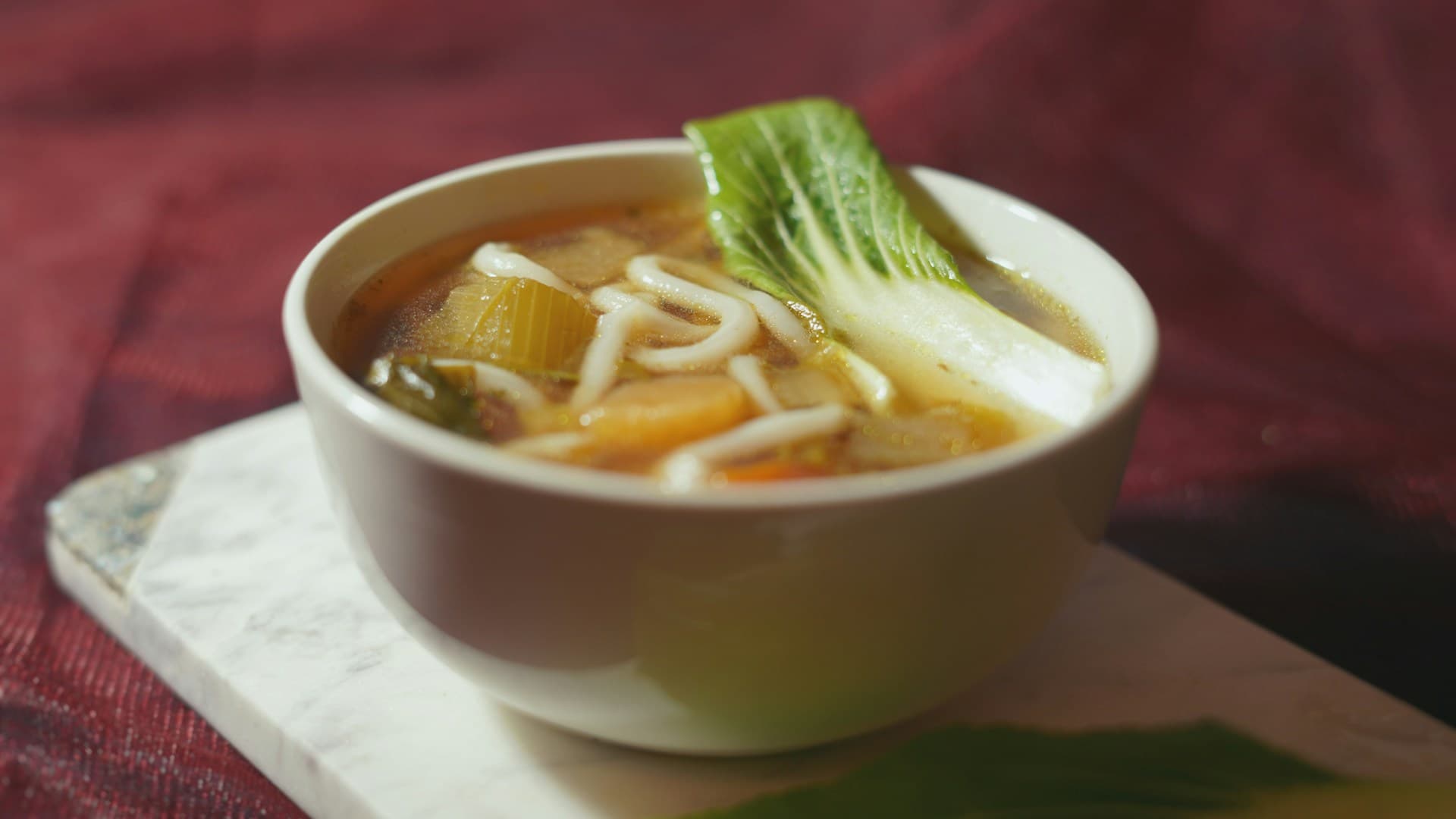
The question "can I drink chicken broth while intermittent fasting" often arises when hunger strikes during a fasting window. Generally, yes, you can drink small amounts of chicken broth without disrupting fat loss.
However, the strictness of your answer depends on whether your primary goal is weight loss or deep cellular repair. For most people, a cup of broth is a helpful tool.
This article explores the nuances of consuming liquids during a fast. I will guide you through the metabolic impacts and how to do it correctly.
The Short Answer: Does Chicken Broth Break Your Fast?
Whether broth breaks a fast depends entirely on your specific health goals and how strictly you define 'fasting.' Here is how chicken broth interacts with the body during a fasted state.
Impact on Ketosis and Fat Burning
For those fasting primarily for weight loss, the main objective is to keep insulin levels low. Consuming fewer than 50 calories of broth generally does not trigger a significant insulin spike.
This means your body stays in a fat-burning state, or ketosis. Research indicates that keeping caloric intake below this threshold keeps the metabolic switch engaged.
Therefore, sipping a small cup of plain broth is usually safe for weight management goals. It provides comfort without metabolic disruption.
Impact on Autophagy (Cellular Repair)
If your goal is autophagy, the rules are much stricter. Autophagy is a sensitive cellular cleanup process triggered by the absence of nutrients.
The amino acids found in chicken broth, specifically protein, likely pause autophagy. Even small amounts of protein can signal the body effectively that food is available.
Consequently, for deep cellular repair, water, black coffee, or plain tea are better choices. Broth should be reserved for the eating window in this specific context.
The 'Dirty Fasting' Approach
Many people practice 'dirty fasting,' which allows for small caloric intakes to make the regimen sustainable. This approach views broth as a tool for adherence rather than a failure.
Allowing yourself a crutch, like warm broth or a splash of cream, can help you power through the final hours. For instance, using broth to get through the 14-hour mark is better than quitting entirely.
This flexibility often leads to better long-term consistency. Understanding the metabolic impact is important, but knowing why you might actively choose to include broth can change your entire fasting experience.
Strategic Benefits of Drinking Broth During a Fast
For many, chicken broth is not just 'allowed'; it is a strategic tool that makes intermittent fasting easier and safer. Incorporating it can solve several common fasting side effects.
Replenishing Essential Electrolytes
Fasting rapidly depletes glycogen stores, which flushes out water and essential minerals. This loss often leads to the 'keto flu,' characterized by headaches and fatigue.
Chicken broth acts as an excellent vehicle for these lost minerals. Specifically, the sodium content provides rapid relief from fasting-induced sluggishness.
Key Electrolytes in Broth
- Sodium: Helps maintain fluid balance and prevents headaches.
- Potassium: Supports muscle function and prevents cramps.
- Magnesium: Aids in relaxation and sleep quality.
Curbing Hunger Pangs and Cravings
One of the hardest hurdles in fasting is the psychological need to consume something savory. Warm liquids can trick the brain into feeling satisfied without a heavy caloric load.
The umami flavor profile of chicken broth signals satisfaction more effectively than plain water. I have found that sipping warm broth can help extend a fast by two to three hours.
This sensory satisfaction helps individuals push through the 'danger zone' of late-morning hunger. It serves as a bridge to your scheduled eating window.
Supporting Gut Health and Digestion
Fasting gives the digestive system a rest, but reintroducing food can sometimes be a shock. Broth provides a gentle way to soothe the digestive tract.
Compounds like glycine and gelatin, often found in quality broth, support the gut lining. Sipping this liquid is far gentler than jumping straight into a heavy meal.
Many people report less bloating when they 'prime' their stomach with broth first. It prepares the enzymatic environment for solid food.
Improving Fasting Consistency and Adherence
Long-term sustainability is the most critical factor in any health regimen. If a cup of broth prevents you from breaking your fast with a donut, it is a net positive.
Think of broth as 'training wheels' that help beginners stick to their schedule. Over time, as metabolic flexibility improves, the need for these crutches often decreases.
Having a structured plan for both your fasting and eating windows is essential for success. This is where digital tools like no.Diet can be incredibly helpful.
no.Diet offers personalized meal plans and trackers that simplify the complex decisions around food. Using a supportive app ensures you have a clear roadmap for your nutrition.
While the benefits are clear, not all broths are created equal. It is vital to distinguish between standard chicken broth and its nutrient-dense cousin, bone broth.
Chicken Broth vs. Bone Broth: Which Is Better for Fasting?
While often used interchangeably, chicken broth and bone broth have different nutritional profiles that affect your fast differently. Understanding these distinctions helps you choose the right option for your goals in 2026.
Nutritional Differences at a Glance
Standard chicken broth is typically made by simmering meat, while bone broth involves simmering bones for 24+ hours. This process extracts different nutrients.
| Metric | Standard vs. Bone Broth |
|---|---|
Cooking Time | Standard: Short (2-3 hrs) | Bone: Long (24+ hrs) |
Protein Content | Standard: Low (~2g) | Bone: High (~10g) |
Calories | Standard: ~15 kcal | Bone: ~40-50 kcal |
Best Use | Standard: Strict Fasting | Bone: Hunger Management |
Bone broth is typically higher in protein (collagen) and calories compared to standard chicken broth. This difference matters depending on your insulin sensitivity.
Why Bone Broth Might Be Superior for Satiety
The higher protein content in bone broth provides significantly greater satiety. This makes it a powerful tool for managing hunger during longer fasting windows.
For example, during a 24-hour fast, the protein helps preserve lean muscle mass while curbing appetite. The rich texture creates a feeling of fullness that watery broth cannot match.
However, the higher calorie count means you must measure your portion carefully. It sits closer to the limit of what technically breaks a fast.
When Standard Chicken Broth Is the Safer Bet
Standard chicken broth often has fewer calories and minimal protein. This makes it less likely to interfere with metabolic processes if you are strictly counting calories.
If your goal is to stay as close to zero calories as possible while getting electrolytes, this is the superior choice. It provides the sodium you need without the extra energy load.
Once you have selected your broth type, the next step is ensuring you consume it in a way that aligns with your fasting window.
Rules for Drinking Chicken Broth Without Ruining Progress
To keep your body in a fasted state while enjoying broth, you must follow a few simple guidelines regarding quantity and ingredients. These rules ensure you get the benefits without the metabolic drawbacks.
Stick to the 50-Calorie Limit
The general rule of thumb is that keeping intake under 50 calories prevents a significant insulin response. Staying below this number is crucial for maintaining ketosis.
I recommend measuring your portions carefully, as mug sizes vary wildly. Usually, one standard cup (240 mL) fits safely within this limit.
Avoid Additives That Spike Insulin
Many commercial broths are loaded with hidden ingredients that can disrupt a fast. You must read labels vigilantly to ensure a clean product.
Watch out for maltodextrin, dextrose, or yeast extract on the ingredient list. These fillers can cause an insulin spike even if the calorie count appears low.
Safe Seasonings and Enhancements
You can improve the taste of bland broth without breaking your fast. Stick to spices and herbs that add flavor but contain negligible calories.
Safe additions include sea salt, cracked black pepper, turmeric, or fresh ginger slices. A squeeze of lemon juice adds freshness without enough fructose to cause issues.
Timing Your Broth Consumption
Strategic timing can maximize the benefits of your broth. It is best utilized during the 'hardest' part of the fast, typically late morning or late afternoon.
Alternatively, drink it 30 minutes before your main meal. This primes the stomach acid and can prevent overeating when you finally break the fast.
Store-Bought vs. Homemade Options
Homemade broth gives you total control over ingredients and quality. It is the gold standard for anyone serious about clean fasting.
Store-bought cartons or cubes are convenient but often contain high sodium and preservatives. Caution: If you have hypertension, monitor the high sodium levels in store-bought bullion carefully.
Following these rules makes broth a safe addition for most, but there are specific scenarios where you should skip it entirely.
When to Avoid Broth Entirely
There are specific fasting protocols and medical situations where even a minimal amount of broth is not recommended. In these cases, sticking to water is the only safe option.
Strict Water Fasting Protocols
Purists practicing strict water fasting for spiritual reasons or intense autophagy goals should avoid all calories. In these protocols, any nutrient intake is seen as breaking the fasted state.
If you are fasting for maximum cellular recycling, the amino acids in broth will interfere. Stick to water and electrolytes with zero calories.
Pre-Surgical Fasting Requirements
If a doctor requires you to fast before a procedure (NPO status), do not consume broth unless explicitly allowed. Anesthesia guidelines are extremely strict regarding stomach contents.
While broth is a clear liquid, it is still a food product that triggers digestive enzymes. Always follow specific medical orders to ensure your safety during surgery.
Navigating what you can and cannot consume is tricky, so here are answers to the most common questions.
FAQ
Can I use bullion cubes for fasting broth?
Yes, but be cautious. Bullion cubes often contain msg, sugars, and anti-caking agents that are not ideal for health, though they likely won't break ketosis in small amounts.
Does vegetable broth break a fast?
Generally, no, provided it is low in carbohydrates. However, vegetable broth often contains higher natural sugars from carrots or onions compared to bone broth.
Will chicken broth stop autophagy?
Likely, yes. The protein (amino acids) in chicken broth signals the body that nutrients are available, which typically halts the cellular cleanup process of autophagy.
How much chicken broth can I drink while fasting?
Aim for one cup (approx. 240 mL). This amount usually keeps you under the 50-calorie threshold while providing enough volume to be satisfying.
Related Articles
How to Calculate Your Macros: A 4-Step Strategy for Fat Loss and Muscle Retention
Nutrition5 min read

Caffeine Levels in Your Favorite Drinks: The Guide to All-Day Energy Without Crashes
Nutrition5 min read
Unlocking Kimchi Benefits: How 60 Grams a Day Can Transform Gut Health and Metabolism
Nutrition5 min read
Food Pairing For Better Nutrient Absorption: The Practical Plate Guide
Nutrition5 min read

Harmony Diet App Review: What's Inside, What It Costs, and How To Manage It
Nutrition5 min read

10 Foods Associated With Slower Biological Aging
Nutrition5 min read
Comments
(0)Leave a comment
Your email will not be published. All fields are required.