Personalized meal plans for effortless fasting success.
Explore no.Diet plans
What to Eat Before Fasting: A Physician’s Guide to the Perfect Pre-Fast Meal
By: Healthtime Editorial
Fact checked by: QA Team
Updated on: October 25, 2026
0
3451
6 min
In this article
- Why Your Last Meal Matters for Fasting Success
- The Best Foods to Eat Before Fasting
- Foods to Avoid Before Your Fasting Window
- Timing and Portion Strategies
- Sample Pre-Fast Meal Ideas
- FAQ

The ideal pre-fast meal focuses on high-quality proteins, healthy fats, and fiber-rich vegetables to maximize satiety. This combination stabilizes blood sugar and provides sustained energy, preventing hunger pangs during your fasting window.
Deciding what to eat before fasting is crucial for anyone looking to make their fast beneficial rather than stressful. By choosing the right fuel, you set the metabolic stage for success.
In this guide, I will outline the specific macronutrients that keep hunger at bay. We will also cover timing strategies and foods to avoid to prevent a mid-fast crash.
Why Your Last Meal Matters for Fasting Success
The composition of your final meal determines whether your fast feels effortless or like a struggle against cravings. By strategically banking nutrients, I help my body transition smoothly into a fasted state without the immediate glucose crash.
A well-structured meal acts as a metabolic anchor. It prevents the physiological panic that often leads to breaking a fast early.
Stabilizing Insulin Levels
The primary biological goal of the pre-fast meal is keeping insulin spikes low to prevent reactive hypoglycemia. A stable blood sugar curve prevents the 'shakes' and intense hunger that typically occur three to four hours into the fast.
When insulin spikes dramatically, it crashes just as hard, signaling the brain to seek immediate energy. This rollercoaster is what makes fasting feel impossible for many beginners.
For individuals taking insulin or blood sugar medication, medical supervision is essential before altering meal timing. Always consult a doctor to adjust dosages safely.
Managing Ghrelin (The Hunger Hormone)
Ghrelin is the hormone responsible for signaling hunger to your brain. Research shows that protein and fat are significantly more effective at suppressing ghrelin production than carbohydrates alone.
A high-protein meal can delay ghrelin spikes for two to three hours longer than a carb-heavy one. This delay is often the difference between a smooth fast and a white-knuckled struggle.
Electrolyte Banking
Consuming minerals before the fasting window closes is vital to prevent headaches and fatigue. Hydration isn't just water; it relies on potassium, magnesium, and sodium found in whole foods.
I recommend including foods like spinach or salted bone broth in your final meal. These sources provide a mineral reserve that your body can draw upon as it depletes glycogen.
Now that we understand the biological goals, let’s look at the specific macronutrients that achieve them.
The Best Foods to Eat Before Fasting
To maximize satiety and maintain energy, I prioritize specific nutrient-dense foods that digest slowly. Constructing your plate with these elements creates a biological buffer against hunger.
Focusing on density over volume allows you to feel satisfied without feeling uncomfortably stuffed. The following categories are essential for a successful pre-fast meal.
Simplifying Your Nutrition
Calculating the perfect ratio of these nutrients can be daunting for beginners. Tools like no.Diet help by generating personalized meal plans that align with your specific metabolic needs.
This app simplifies the process by suggesting recipes that automatically balance your macros for fasting success. Learn more about how structured planning can transform your results.
Healthy Fats for Sustained Energy
Healthy fats are the cornerstone of a pre-fast meal due to their minimal impact on insulin levels. They digest slowly, providing a steady stream of energy long after you have finished eating.
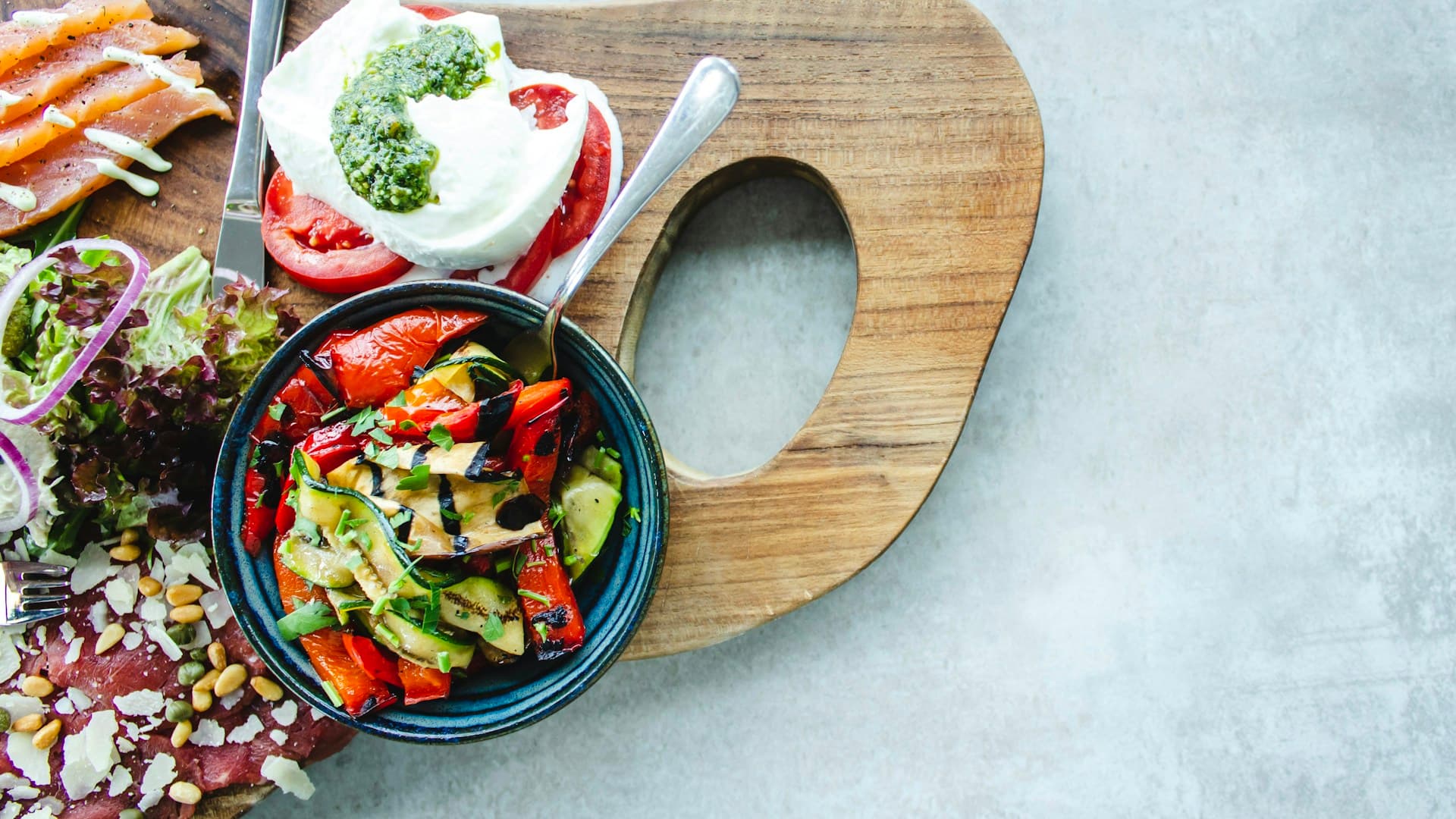
I always include avocados, olive oil, nuts, seeds, or fatty fish like salmon. Adding just half an avocado can significantly extend satiety and delay the onset of hunger signals.
High-Quality Proteins
Protein has a high thermic effect and is crucial for preventing muscle catabolism during fasting. I recommend consuming 20–30 grams of protein in your final meal to maximize fullness.
Optimal sources include eggs, chicken breast, lean beef, tofu, or Greek yogurt. These foods signal strong satiety hormones to the brain.
High-Fiber Vegetables
Fiber adds necessary volume to the stomach and physically slows the absorption of sugars. I rely on 'above-ground' vegetables like broccoli, spinach, kale, and cauliflower.
These vegetables provide bulk and essential micronutrients without a heavy caloric load. They keep digestion moving smoothly without spiking blood glucose.
Complex Carbohydrates
Carbohydrates aren't forbidden, but they must be complex to ensure a slow, steady glucose release. Good options include low-glycemic foods like quinoa, legumes (lentils or beans), or steel-cut oats.
Unlike white rice or bread, the fiber content in these foods prevents the rapid energy crash that triggers cravings. They provide a stable fuel source to help you enter the fast gently.
Hydration-Rich Foods
Foods with high water content aid hydration before the tap closes, which is especially helpful for dry fasts. I suggest incorporating cucumbers, zucchini, and watermelon in moderation.
Remember that roughly 20% of your daily hydration typically comes from food. Banking this water volume helps prevent early onset thirst.
While knowing what to eat is vital, knowing what to avoid is equally important to prevent a fasting crash.
Foods to Avoid Before Your Fasting Window
Certain foods act as triggers, setting you up for a difficult fast filled with cravings and energy dips. I advise strictly limiting these categories in your final meal to protect your progress.
Refined Sugars and Sweets
Insulin spikes from sugar lead to rapid blood sugar drops that mimic starvation signals. It is crucial to skip soda, candy, pastries, and ice cream.
Consuming these items can make the first four hours of fasting feel physically painful due to reactive hypoglycemia. Your body will demand energy even though it has reserves available.
Ultra-Processed Carbohydrates
Foods like white bread, pasta, and crackers digest almost as quickly as pure sugar. They provide very little long-term satiety and often contain hidden sodium that triggers intense thirst.
I suggest swapping these for whole-grain alternatives or starchy vegetables. This simple switch prevents the hollow feeling in your stomach shortly after eating.
Excessively Salty or Spicy Foods
Highly salty meals, such as fast food, can induce severe thirst during your fasting window. Similarly, very spicy dishes may cause heartburn or gastric distress when your stomach is empty.
Flushing electrolytes with excessive water drinking to combat this thirst can lead to fatigue. It is better to season food moderately.
Alcohol
Alcohol is a poor choice pre-fast because it dehydrates the body and pauses fat oxidation. It can also lead to hypoglycemia, making you feel shaky and weak.
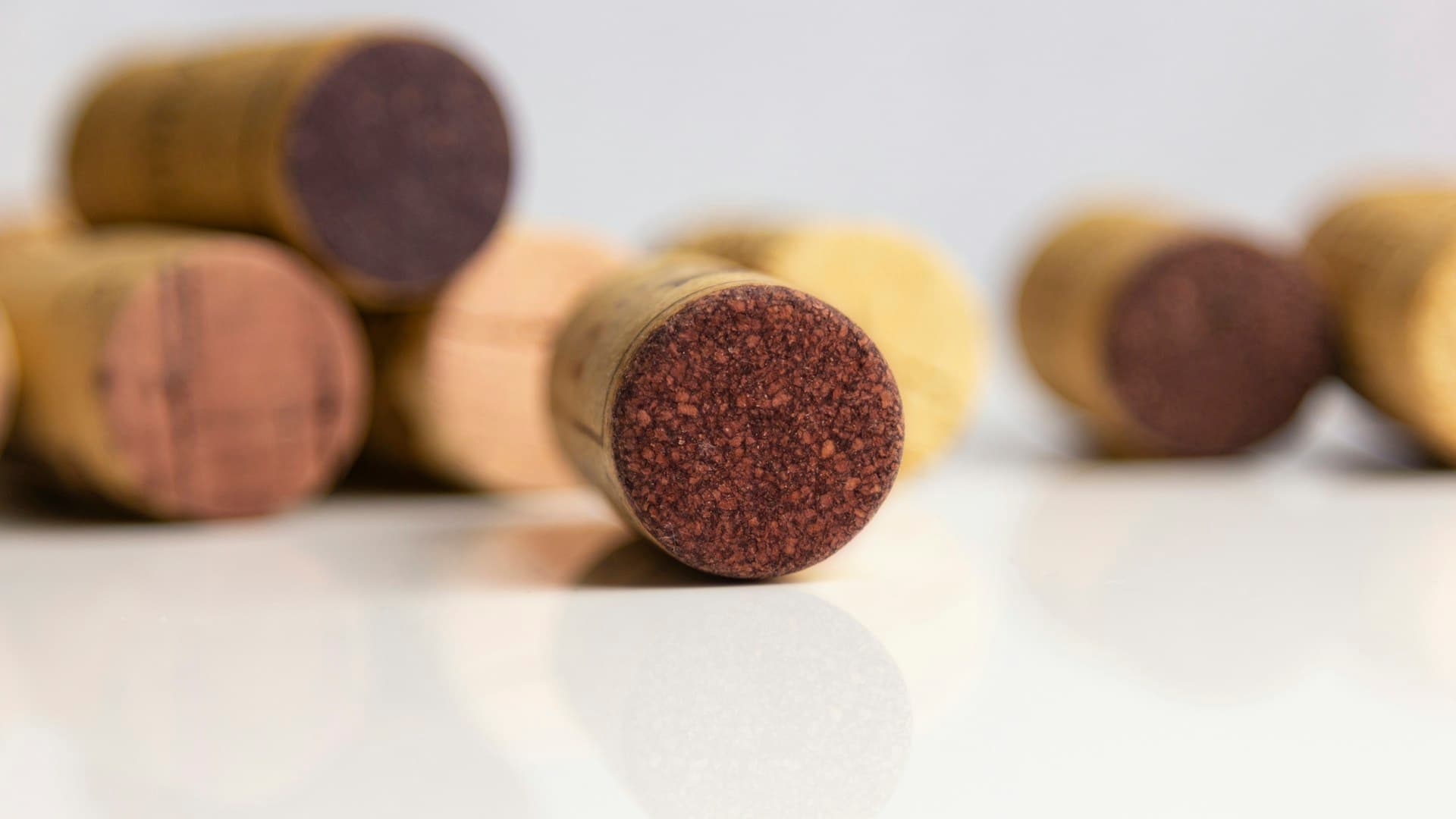
I advise avoiding alcohol entirely in the pre-fast meal. This ensures your liver function is optimized for the detoxification processes during the fasting period.
Understanding the ingredients is step one; timing your meal correctly is step two.
Timing and Portion Strategies
The 'when' and 'how much' are just as critical as the 'what' when preparing for a fast. I recommend specific timing strategies to align your digestion with your circadian rhythm.
The 2-Hour Buffer Rule
You shouldn't eat immediately before sleeping if your fast starts overnight. I recommend finishing the last meal two to three hours before bed to improve sleep quality.
Digestion competes with deep sleep repair processes, leading to restless nights. A buffer allows your body to settle before focusing on restoration.
Avoid Overstuffing
There is a psychological tendency to binge eat before a fast, often called the 'Last Supper' syndrome. Overeating stretches the stomach and spikes insulin higher, ironically making the next day's hunger worse.
I advocate for eating until you are 80% full, rather than stuffed. This approach keeps your stomach volume manageable.
Finally, let’s look at how to construct a real-life meal based on these principles.
Sample Pre-Fast Meal Ideas
Putting theory into practice doesn't have to be complicated. Here are balanced meal templates I often suggest to ensure a smooth fasting experience.
The Power Bowl (Plant-Forward)
This bowl contains half a cup of quinoa, chickpeas for fiber and protein, and half an avocado for fat. Top it with roasted vegetables and a tahini dressing.
This specific macronutrient balance works for sustaining energy without a meat source. The combination of plant fats and fiber creates lasting fullness.
The Protein Focus (Animal-Based)
This meal features 6oz of grilled salmon or chicken breast with a side of asparagus or broccoli. Add olive oil and a small portion of sweet potato.
The high protein and omega-3 fat content are key for satiety. This meal provides a slow-burning fuel source ideal for longer fasts.
Quick & Light (For Early Fasts)
A lighter option is full-fat Greek yogurt with chia seeds, walnuts, and a few berries. This is ideal for those who start their fast in the afternoon.
It prevents a heavy meal from sitting in your stomach while still providing ample protein. The fats from the nuts and yogurt help stabilize energy.
The Pre-Fast Smoothie (Liquid Option)
For liquid nutrition, blend protein powder, almond butter, spinach, and flaxseed. Liquids digest faster, so adding healthy fats is non-negotiable.
Without the added fat, a liquid meal might leave you hungry too soon. This template ensures you get the necessary nutrients in an easy-to-digest format.
FAQ
Can I drink coffee before fasting?
Yes, drinking black coffee before a fast is generally acceptable and may even boost metabolism. However, avoid adding sugar or milk, as these will break the metabolic state you are trying to achieve.
How much water should I drink before fasting?
Aim to drink about 500mL of water with your pre-fast meal to ensure adequate hydration. Over-drinking can flush out electrolytes, so balance water intake with mineral-rich foods.
Does taking supplements break the pre-fast meal rules?
Most vitamin supplements should be taken with your pre-fast meal, especially fat-soluble ones like Vitamins A, D, E, and K. Taking them on an empty stomach later may cause nausea.
What should I eat before a 24-hour fast vs. a 16-hour fast?
For a 24-hour fast, increase the portion of healthy fats and fiber slightly to create a longer-lasting energy buffer. A 16-hour fast requires a standard balanced meal, as the fasting window includes sleep.
Related Articles
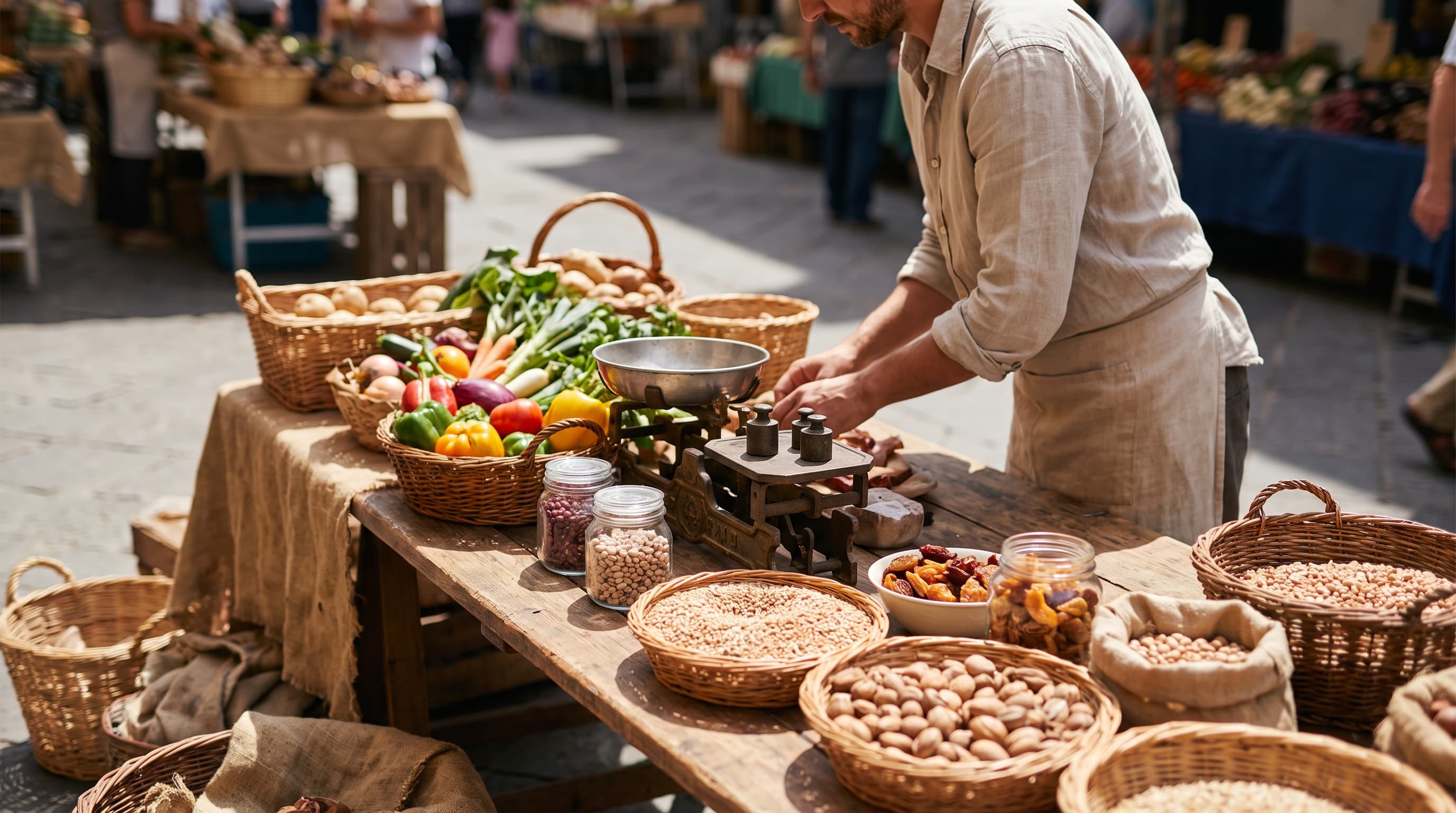
How to Calculate Your Macros: A 4-Step Strategy for Fat Loss and Muscle Retention
Nutrition5 min read
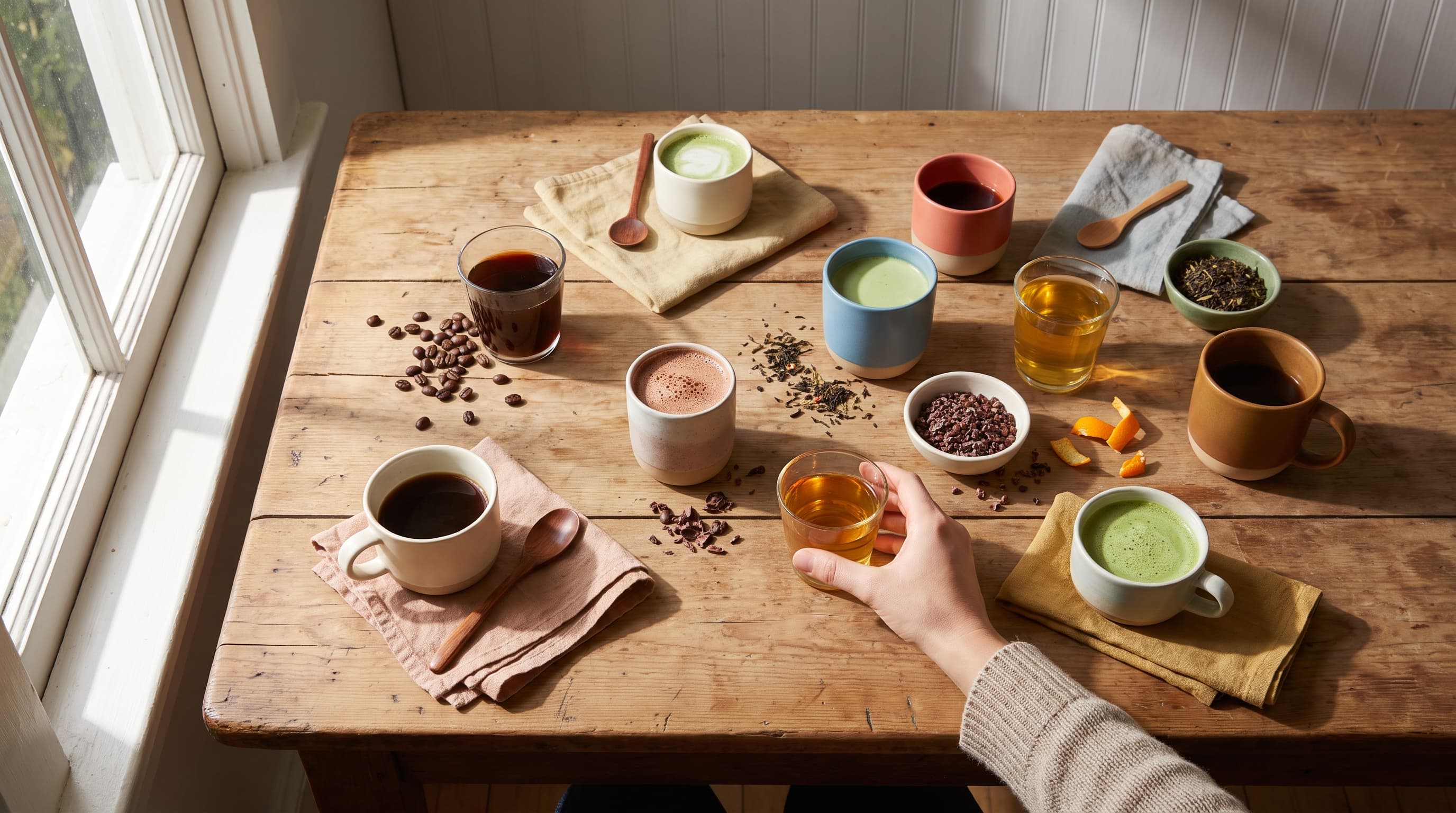
Caffeine Levels in Your Favorite Drinks: The Guide to All-Day Energy Without Crashes
Nutrition5 min read
Unlocking Kimchi Benefits: How 60 Grams a Day Can Transform Gut Health and Metabolism
Nutrition5 min read
Food Pairing For Better Nutrient Absorption: The Practical Plate Guide
Nutrition5 min read
Harmony Diet App Review: What's Inside, What It Costs, and How To Manage It
Nutrition5 min read
10 Foods Associated With Slower Biological Aging
Nutrition5 min read
Comments
(0)Leave a comment
Your email will not be published. All fields are required.