Manage weight with personalized keto diet plans.
Try Ketoway today
Is Popcorn Keto Friendly? A Guide to Snacking on Low-Carb
By: Healthtime Editorial
Fact checked by: QA Team
Updated on: September 17, 2026
0
95
8 min
In this article
- The Short Answer: Can You Eat Popcorn on Keto?
- Nutritional Breakdown: Carbs, Fiber, and Calories
- Best and Worst Ways to Prepare Popcorn for Keto
- Keto-Friendly Toppings to Boost Fat Macros
- Comparison: Popcorn vs. Other Keto Snacks
- When to Avoid Popcorn on a Keto Diet
- FAQ
- Conclusion
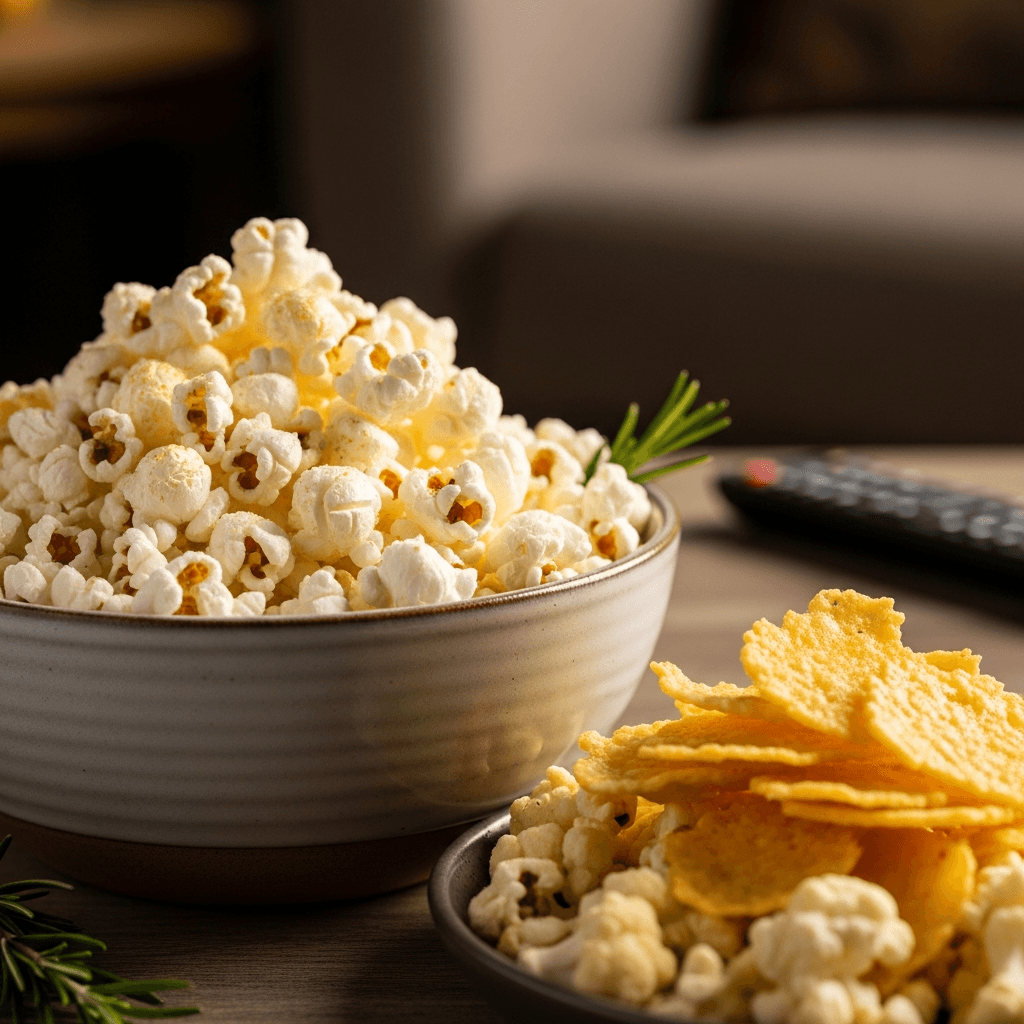
Yes, popcorn can be keto-friendly if you prepare it correctly and strictly limit your portion size.
This guide covers the carb counts, preparation methods, and toppings that keep this snack within your limits.
This guide covers the carb counts, preparation methods, and toppings that keep this snack within your limits.
The Short Answer: Can You Eat Popcorn on Keto?
Popcorn can absolutely be part of a ketogenic diet if you treat it as a deliberate carb source rather than a mindless snack. The key lies in understanding how its carbohydrate profile fits into your specific daily macros.
Understanding Net Carbs in Popcorn
When calculating macros for corn-based snacks, focusing on net carbs is essential. Net carbs are calculated by subtracting the fiber content from the total carbohydrates.
A typical 1-cup serving of air-popped popcorn contains approximately 6g of total carbs and 1g of fiber. This results in about 5g net carbs per cup.
While corn is technically a starch, this relatively low net carb count allows it to fit into a standard 20–50g daily limit. Success depends entirely on planning this intake alongside your other meals.
Portion Control is Non-Negotiable
Volume is deceptive with this snack, making it easy to overeat without realizing it. A safe 1-cup serving looks very different from a typical movie bowl, which can easily contain 4–5 cups.
That large bowl could equate to 20–25g of net carbs, potentially consuming an entire day's allowance in one sitting. I always recommend using a standard measuring cup to portion the snack into a small bowl.
Never eat directly from the bag if you want to ensure adherence to keto limits. Physical measurement is the only way to be certain of your intake.
The Role of Ketosis and Insulin Response
Metabolically, popcorn differs from refined sugar snacks because it is a whole grain containing polyphenols and fiber. The glucose spike is generally more blunted than that of processed chips or candy.
This can support metabolic flexibility when consumed in moderation. However, overconsumption will still drive an insulin response that could temporarily pause ketosis.
Now that we know it is possible, let's look at the specific nutritional data that makes this snack a unique outlier in the low-carb world.
Nutritional Breakdown: Carbs, Fiber, and Calories
Popcorn offers a surprising nutritional profile that includes more than just empty carbohydrates. It is a whole grain that provides essential minerals and volume without a massive calorie load.
Carbohydrate Count per Cup (Air-Popped)
The nutritional value of popcorn changes drastically depending on how it is prepared. Additives can turn a light snack into a calorie-dense bomb.
| Type | Total Carbs | Fiber | Net Carbs | Calories |
|---|---|---|---|---|
Air-Popped (1 cup) | 6.2g | 1.2g | 5.0g | 31 |
Oil-Popped (1 cup) | 6.3g | 1.2g | 5.1g | 55 |
Theater Style (1 cup) | 9.0g | 1.0g | 8.0g | 85+ |
Tools for Managing Daily Targets
Keeping track of small carb additions like popcorn is crucial for maintaining ketosis. I often see people struggle with hidden carbs when they don't log their snacks accurately.
Using a tool like Ketoway can simplify this by providing personalized meal plans and trackers. It helps you visualize exactly how a cup of popcorn fits into your remaining daily macros.
Fiber Content and Digestive Health
The insoluble fiber found in popcorn hulls offers functional benefits for digestion. On a keto diet, reduced grain intake can sometimes lead to constipation.
A small serving of popcorn can aid regularity by adding necessary bulk to the stool. It serves a purpose beyond just taste, acting as a 'functional' carbohydrate.
Micronutrients and Antioxidants
Popcorn is surprisingly dense in micronutrients compared to many processed snacks. Corn hulls contain polyphenols, which are potent antioxidants.
It also provides trace minerals like magnesium, zinc, and manganese. This contrasts sharply with 'dirty keto' snacks like pork rinds, which may lack these plant-based phytonutrients.
However, the raw nutritional stats only tell half the story—how you cook the corn changes everything.
Best and Worst Ways to Prepare Popcorn for Keto
The preparation method is the single biggest factor in determining whether your popcorn remains a healthy keto snack or becomes a carb bomb. Stick to methods that allow you to control the added fats and avoid hidden sugars.
Air-Popped: The Gold Standard
Air-popping is the superior method for strict carb management. It involves zero added oils during the cooking process, providing a blank canvas for you to add quality fats later.
This method yields the lowest calorie density of all preparation styles. It also ensures no hidden inflammatory oils are used during the heating process.
Stove-Top with Healthy Fats
Cooking on the stove allows you to incorporate healthy fats directly into the popping process. While this increases calories, it can improve satiety and lower the glycemic impact.
1. Measure oil — Heat 1 tablespoon of coconut or avocado oil in a heavy pot.
2. Add kernels — Stir in measured kernels and cover with a lid, leaving a small gap for steam.
3. Shake pot — Shake continuously until popping slows to ensure even cooking without burning.
Why You Must Avoid Microwave Bags
Standard microwave popcorn bags are often problematic from a health perspective. They frequently contain inflammatory vegetable oils like soybean or canola oil.
Many brands also use artificial flavors and chemical bag linings that may be harmful. Furthermore, hidden carbs from maltodextrin flavorings can disrupt a clean keto diet.
Movie Theater Popcorn: A Keto Trap
You should generally view movie theater popcorn as non-compliant with a ketogenic lifestyle. Even without the 'butter' topping, the corn is typically popped in oils containing artificial flavors and dyes.
The portion sizes are massive, with a small tub often exceeding 50g of carbs. Unless you can verify the ingredients and weigh the portion, assume it is off-limits.
Once you have your plain popcorn, the fun part begins—adding flavor without adding carbs.
Keto-Friendly Toppings to Boost Fat Macros
Plain popcorn can be dry, but as a keto dieter, you have the advantage of being able to add delicious, healthy fats. These toppings not only improve flavor but also help balance the macros by increasing the fat-to-carb ratio.
Real Butter and Ghee
Grass-fed butter or ghee are excellent primary toppings. They add zero carbs and provide significant richness to the snack.
I specifically recommend ghee because it lacks water content. Melting 1–2 tablespoons over your serving prevents the popcorn from becoming soggy.
Nutritional Yeast for Cheesy Flavor
Nutritional yeast, often called 'nooch', is a dairy-free way to add savory, cheese-like flavor. It is rich in B vitamins and completely keto-friendly.
Two tablespoons contain approximately 1g of net carbs. It adds a small amount of protein and fiber without disrupting your daily limits.
High-Quality Oils: Coconut and MCT
Drizzling MCT oil or melted coconut oil over popcorn can provide a metabolic boost. MCT oil is flavorless and known to promote ketone production.
Coconut oil adds a slight natural sweetness that pairs perfectly with salt. This effectively turns a carbohydrate snack into a fuel source.
Herbs, Spices, and Salt
Specific zero-carb seasonings can elevate the flavor profile instantly. High-quality sea salt is essential for electrolyte balance, while garlic powder or smoked paprika adds depth.
Be cautious with pre-mixed seasoning packets like taco seasoning. These often contain anti-caking agents or hidden sugars that you want to avoid.
Hard Cheeses and Nuts
You can create a keto trail mix by combining popcorn with grated parmesan, pecans, or macadamia nuts. This increases the fat and protein content significantly.
Adding these dense calories improves the satiety factor compared to eating popcorn alone. It helps balance the macronutrient profile of your snack.
While popcorn can be dressed up to fit your macros, it helps to see how it stacks up against other popular low-carb snack options.
Comparison: Popcorn vs. Other Keto Snacks
Popcorn occupies a unique niche in the keto snacking world because of its high volume. Here is how it compares to other common crunchy snacks in terms of satisfaction and carb cost.
Popcorn vs. Nuts and Seeds
100 calories of popcorn equals roughly 3 cups, whereas 100 calories of almonds is only about 12 nuts. Popcorn offers significantly more visual volume, which helps with psychological satisfaction.
However, nuts are far superior for fat content and keeping insulin low. If you need pure fuel, nuts are the better choice.
Popcorn vs. Pork Rinds (Chicharrones)
Pork rinds are effectively zero-carb and high in both protein and fat. This makes them strictly 'better' for deep ketosis compared to corn.
That said, popcorn offers a lighter texture and plant-based variety. Some people crave this lightness over the heavy, savory profile of animal products.
Popcorn vs. Cheese Crisps
Baked cheese crisps are generally lower in carbs (<1g) and higher in protein. They are an excellent option for a nutrient-dense crunch.
However, they are very calorie-dense and salty. Popcorn is positioned as the better alternative when you want a 'mindless' snacking experience for a movie night.
Despite its benefits, there are specific times when you might want to skip the popcorn to protect your progress.
When to Avoid Popcorn on a Keto Diet
While popcorn is generally safe in moderation, certain phases of the keto journey or individual sensitivities might make it a less-than-ideal choice. Listening to your body is key.
During the Strict Induction Phase
I advise against eating popcorn during the first 2–3 weeks of keto, known as induction. During this phase, the goal is to deplete glycogen stores rapidly.
Even small amounts of grains can stall fat adaptation in the beginning. It is better to wait until you are fully fat-adapted before reintroducing corn.
If You Have Corn Sensitivities
Corn can be an inflammatory trigger for some individuals. If you find that popcorn causes bloating or digestive distress, you should consider eliminating it.
Persistent stalls in weight loss despite proper macros can sometimes be traced back to inflammatory foods. If you experience persistent abdominal pain after eating corn, consult a physician.
If It Triggers Cravings
We must address the psychological aspect of 'trigger foods.' For some, the taste of a salty, crunchy carb can reignite sugar or starch cravings.
If eating one cup invariably leads to eating the whole bag, it is safer to abstain completely. Protecting your metabolic state is more important than a momentary snack.
Ultimately, the decision depends on your personal discipline and metabolic health.
FAQ
Will eating popcorn kick me out of ketosis?
It depends on the portion size. A single cup has about 5g of net carbs, which usually fits into a keto diet.
However, eating a large movie theater tub will almost certainly exceed your carb limit. Careful measurement is required to stay in ketosis.
Are store-bought 'skinny' popcorn brands keto-friendly?
Many 'skinny' brands are lower in calories but not necessarily low in carbs. They often use standard corn and may have 10–15g of net carbs per serving.
Always check the nutrition label for the net carb count. Air-popping at home is safer.
Can I eat kettle corn on keto?
Generally, no. Kettle corn is typically cooked with sugar, significantly raising the carb count.
Even homemade versions using sweeteners can be tricky to get right without burning. Savory popcorn is a much safer bet.
How much popcorn can I eat on a low-carb diet?
Most people can safely eat 1 to 2 cups of air-popped popcorn. This would equal roughly 10g of net carbs.
Ensure you account for these carbs in your daily total. Pair it with fat to reduce the glycemic impact.
Conclusion
Popcorn can be a satisfying addition to a ketogenic lifestyle when consumed with awareness and discipline. By strictly controlling portions and adding healthy fats, you can enjoy this crunchy snack without sabotaging your progress.
Remember to track your macros carefully to see how it fits into your day. For personalized guidance on fitting snacks into your diet, check out Ketoway.
Related Articles

Flame Diet App Review: What You Get, What It Costs, and How To Cancel
Nutrition5 min read

Senior Diet App Review: What's Included, What It Costs, and How To Cancel
Nutrition5 min read

K-Diet App Review: What's Inside, What It Costs, and How To Manage It
Nutrition5 min read

Is It Keto: Your Guide to Checking Foods Fast and Entering Ketosis in 3-4 Days
Nutrition5 min read
.jpg&w=3840&q=75)
What Is the Healthiest Diet for Healthy Aging in 2026: A Practical Guide
Nutrition5 min read

What to Eat on Mediterranean Diet in 2026: Practical Guide for Sustainable Energy
Nutrition5 min read
Comments
(0)Leave a comment
Your email will not be published. All fields are required.