Get personalized keto meal plans for effective weight loss.
Try Ketoway today
Are Beans Keto-Friendly? A Physician's Guide to Legumes on Low-Carb
By: Healthtime Editorial
Fact checked by: QA Team
Updated on: October 19, 2026
0
2939
7 min
In this article
- Key differences at a glance: Carb counts by bean type
- The best keto-friendly beans to eat
- High-carb beans to approach with caution
- Delicious low-carb substitutes for traditional beans
- Nutritional considerations: Antinutrients and digestion
- FAQ
- Conclusion

Most traditional beans are too high in carbs, but specific low-carb varieties like black soybeans and green beans fit perfectly.
Many people assume legumes are strictly off-limits due to their starch content. However, understanding which types are fiber-rich allows you to enjoy them without breaking ketosis.
I will explain which legumes support your metabolic goals and which ones interrupt fat burning. This guide covers safe options, high-carb varieties to avoid, and delicious substitutes.
Key differences at a glance: Carb counts by bean type
Understanding the net carbohydrate content of legumes is the fastest way to determine which ones fit your daily macros. I rely on this calculation to help people make informed dietary choices.
Here is how to calculate the impact and a quick comparison of popular beans.
How to calculate net carbs for beans
The formula for net carbs is simple: Total Carbohydrates minus Dietary Fiber. Fiber is indigestible and does not spike insulin, which is why we subtract it.
For example, a half-cup of cooked black beans contains ~20g total carbs and ~8g fiber. This results in approximately 12g net carbs per serving.
Bean carbohydrate comparison chart
This table compares common bean varieties per half-cup cooked serving. Notice the significant difference between soy-based options and traditional starch-heavy legumes.
| Bean Type | Total Carbs | Fiber | Net Carbs |
|---|---|---|---|
Black Soybeans | 6g | 5g | 1g |
Green Beans | 5g | 2g | 3g |
Lupini Beans | 7g | 6g | 1g |
Black Beans | 20g | 8g | 12g |
Chickpeas | 22g | 6g | 16g |
Now that we have established the numbers, let's dive into the specific varieties you can safely keep on your menu.
The best keto-friendly beans to eat
You do not have to abandon legumes entirely while living low-carb. Specific varieties have high fiber content that keeps the net carb count low enough for ketosis.
I recommend incorporating these into your meal plans to maintain variety and nutrient density. They provide essential minerals without the glucose spike.
Black soybeans
1. Gold standard — These are widely considered the best bean for keto dieters. Unlike regular black beans, these are soy-based and extremely low in net carbs, often around 1g per serving.
They are the perfect textural substitute for chili, refried beans, and soups. Many people find they cannot tell the difference once seasoned properly.
Green beans (String beans)
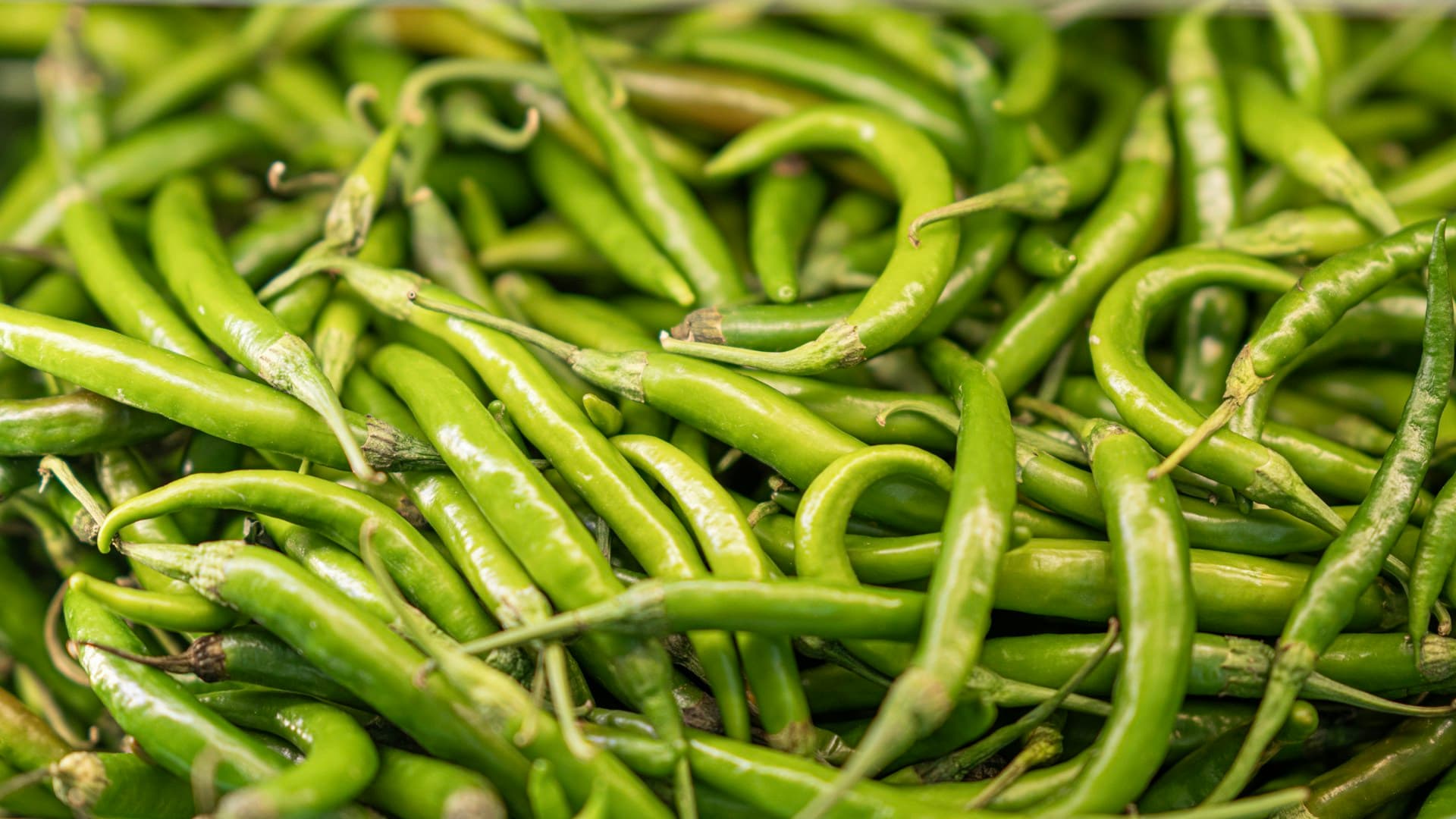
While culinarily treated as a vegetable, green beans are technically legumes. They have a very low calorie and carb count, sitting at roughly 3.5g net carbs per cup.
This makes them a safe staple for sides and casseroles. I often suggest them as a high-volume food that fills you up without impacting blood sugar.
Tracking these vegetables correctly is essential for success. Tools like Ketoway help me ensure that even generous servings of green beans fit perfectly into a personalized meal plan.
Lupini beans
Lupini beans are becoming a rising star in the keto community. They are often sold pickled as snacks and possess incredible fiber content.
This results in almost zero net carbs per serving. However, check for lupin allergies, as they are related to peanuts and can trigger similar reactions.
Edamame (Young soybeans)
Edamame serves as a viable snack or salad topper for many on a low-carb diet. They are rich in protein but slightly higher in carbs than green beans.
I suggest sticking to a half-cup portion to stay within safe limits. This ensures you get the protein benefit without exceeding your carb allowance.
Peanuts
It is important to remember that peanuts are technically legumes, not nuts. They are keto-friendly in moderation and provide healthy fats alongside protein.
Always watch for added sugars in peanut butter brands. Pure peanuts are excellent, but sugary additives can quickly ruin your progress.
While those options are safe, the traditional beans listed next typically contain too much starch to maintain a metabolic state of ketosis.
High-carb beans to approach with caution
The starch content in common beans converts rapidly to glucose after ingestion. This process can spike blood sugar and immediately interrupt fat burning.
Research indicates that even small servings of these starchy legumes can exhaust a daily carb limit of 20–50 grams. It is safer to avoid them, especially in the beginning.
Kidney, pinto, and black beans
I group these common pantry staples together because they share a similar macronutrient profile. A single cup can contain upwards of 25g–30g of net carbs.
For strict keto dieters, this amount represents an entire day's allowance. I strongly suggest avoiding them during the induction phase to ensure metabolic adaptation.
Chickpeas (Garbanzo beans)
I must address hummus lovers specifically here. While chickpeas are nutritious, they are very dense in carbohydrates.
A single tablespoon of hummus might be permissible for some. However, consuming a bowl of chickpeas is generally off-limits for ketosis.
Great Northern and navy beans
These white beans are frequently used in soups and stews. Unfortunately, they share the high-starch profile of kidney beans.
They are best avoided or swapped for lower-carb alternatives. Cauliflower florets make an excellent substitute in chowders without the starch load.
If you are missing the texture of these starchy beans in your favorite dishes, there are several clever culinary swaps that mimic the experience.
Delicious low-carb substitutes for traditional beans
Missing chili or hummus? You can replicate the mouthfeel and bulk of beans using low-carb vegetables and nuts without spiking your insulin.
These swaps allow you to enjoy comfort foods while staying compliant. It is about matching the texture rather than the exact flavor.
Mushrooms
Mushrooms offer a savory umami flavor and a distinct meaty texture. Chopped portobello or button mushrooms work as a 1:1 filler in recipes.
They hold their shape well during long cooking times. This makes them ideal for slow-cooker recipes that usually call for kidney beans.
Cauliflower (for hummus)
You can create a delicious 'keto hummus' using roasted cauliflower instead of chickpeas. Simply roast the florets until tender before blending.
Blending cauliflower with tahini, garlic, and lemon creates a very similar consistency. It provides the creamy mouthfeel with a fraction of the carbs.
Boiled peanuts
Boiled peanuts are a Southern-style alternative often used as a direct snack replacement. They possess a soft, bean-like texture similar to cooked pinto beans.
If you enjoy the ritual of eating beans, this is a close approximation. Just be mindful of the portion size, as calories can add up.
Beyond the carbohydrate count, it is also important to consider how legumes affect your digestion and nutrient absorption.
Nutritional considerations: Antinutrients and digestion
Legumes are known for containing compounds that can impact digestion. This is particularly relevant if you are already adjusting to a high-fat diet.
Here is what you need to know about gut health when eating beans. Proper preparation and selection are key to avoiding discomfort.
Streamlining your nutrition plan
Navigating antinutrients while hitting macro targets can be complex for beginners. I have found that Ketoway simplifies this by offering personalized meal plans that account for these nutritional nuances.
Using a structured plan helps you incorporate keto-friendly legumes without guesswork. It ensures you maintain variety while keeping digestion and ketosis on track.
Lectins and phytates
Lectins and phytates are antinutrients that can block nutrient absorption. However, soaking and pressure cooking largely reduces these compounds.
This means that canned keto-friendly beans are generally safe to eat. The canning process involves high heat which deactivates most of the problematic lectins.
Digestive adjustments
The fiber in black soybeans or lupini beans can cause bloating if introduced too quickly. This 'gassiness' is a common adjustment symptom.
I suggest starting with small portions to let your gut microbiome adapt. If you experience severe abdominal pain, consult a healthcare provider to rule out intolerances.
Let's answer some common questions about legumes on a low-carb diet.
FAQ
Can I eat beans on a lazy keto diet?
Yes, but you must be careful with portion sizes. Lazy keto typically involves tracking only carbs, so prioritize low-carb options like green beans or black soybeans to stay under your limit.
Are refried beans keto-friendly?
Generally, no. Traditional refried beans are made from pinto beans, which are high in carbs. However, you can make a keto version using black soybeans.
How many net carbs are in black soybeans?
A half-cup serving of cooked black soybeans contains approximately 1g of net carbs. This makes them one of the lowest-carb bean options available.
Is peanut butter keto?
Yes, peanut butter is keto-friendly if it contains no added sugar. Look for natural peanut butter where the only ingredients are peanuts and salt.
Conclusion
While most traditional beans are too starchy for a strict ketogenic diet, you do not have to eliminate this food group entirely. Black soybeans, green beans, and lupini beans are excellent, fiber-rich exceptions.
By calculating net carbs and choosing the right varieties, you can enjoy the texture and nutrients of legumes without sacrificing your metabolic state. Experiment with substitutes to keep your meals exciting and compliant.
Try Ketoway today
Related Articles
How to Calculate Your Macros: A 4-Step Strategy for Fat Loss and Muscle Retention
Nutrition5 min read

Caffeine Levels in Your Favorite Drinks: The Guide to All-Day Energy Without Crashes
Nutrition5 min read

Unlocking Kimchi Benefits: How 60 Grams a Day Can Transform Gut Health and Metabolism
Nutrition5 min read
Food Pairing For Better Nutrient Absorption: The Practical Plate Guide
Nutrition5 min read

Harmony Diet App Review: What's Inside, What It Costs, and How To Manage It
Nutrition5 min read

10 Foods Associated With Slower Biological Aging
Nutrition5 min read
Comments
(0)Leave a comment
Your email will not be published. All fields are required.