Get personalized meal plans with Ketoway
Try Ketoway today
Are Carrots Keto-Friendly? A Complete Guide to Carbs and Portions
By: Healthtime Editorial
Fact checked by: QA Team
Updated on: September 17, 2026
0
7094
7 min
In this article
- The Short Answer: Do Carrots Kick You Out of Ketosis?
- Key Differences at a Glance: Carrots vs. Other Veggies
- Health Benefits: Why Keep Carrots in Your Rotation?
- Practical Guide: Eating Carrots Without Breaking Keto
- Low-Carb Alternatives with Similar Textures
- Keto-Friendly Recipe Ideas for Carrots
- FAQ
- Conclusion
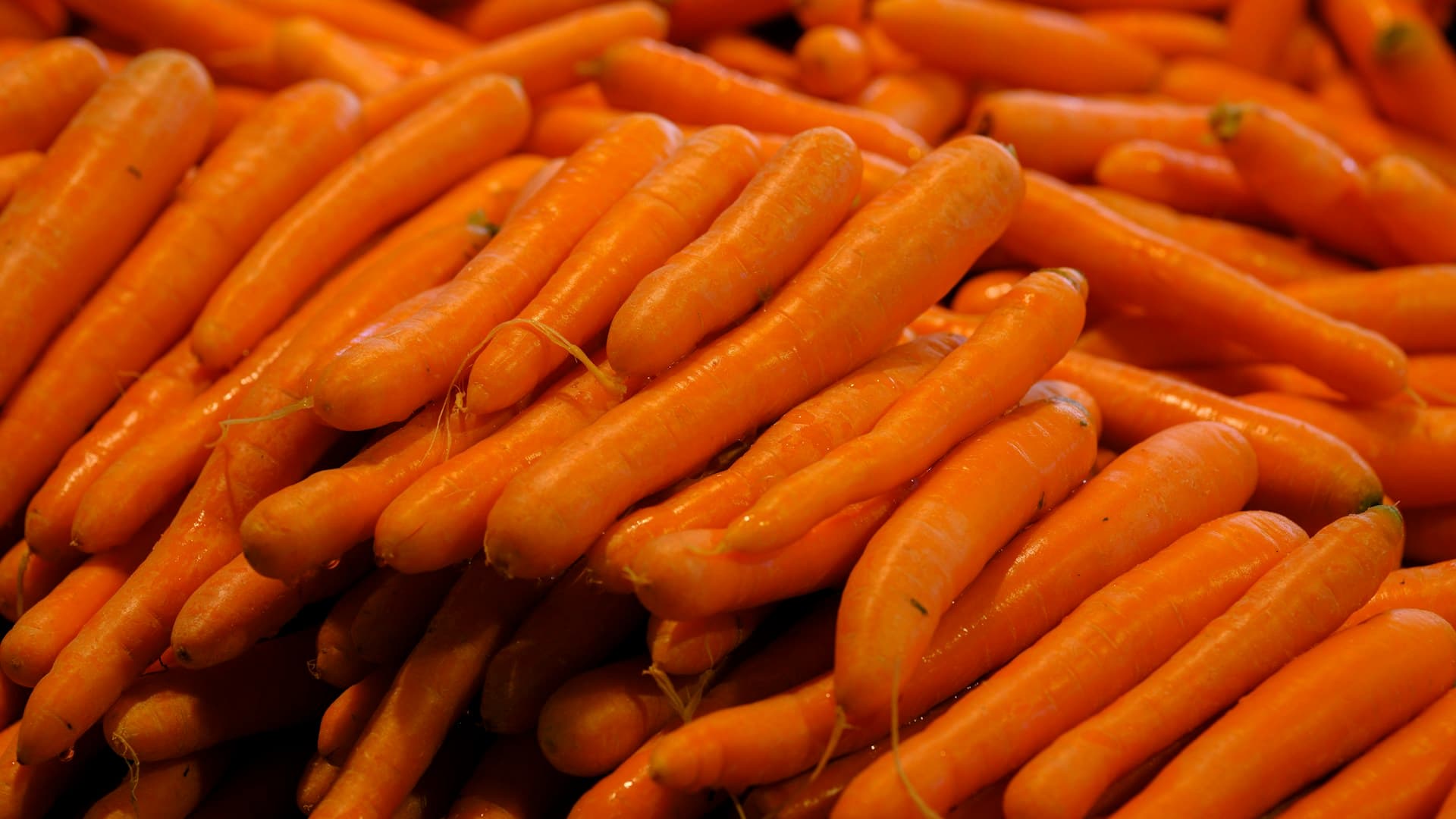
Yes, you can eat carrots on a keto diet, but you must monitor your portion sizes carefully. A medium carrot contains about 4g of net carbs, which can add up quickly if you aren't paying attention.
Many people following a low-carb lifestyle avoid root vegetables entirely because of their natural sugar content. However, completely eliminating them isn't always necessary for maintaining metabolic health.
This guide covers exactly how to fit carrots into your daily limits without breaking ketosis. We will explore the carb math, the best preparation methods, and the low-carb alternatives you might prefer.
The Short Answer: Do Carrots Kick You Out of Ketosis?
Eating carrots will not automatically kick you out of ketosis unless you consume them in large quantities that exceed your daily carbohydrate threshold. While they have more sugar than leafy greens, their glycemic load is manageable for most low-carb dieters.
The key lies in understanding that ketosis is a metabolic state determined by your total glucose intake, not by specific forbidden foods. If you budget for the carbohydrates in a carrot, your body remains in fat-burning mode.
Understanding the Carbohydrate Content
To make an informed decision, we need to calculate the exact net carb cost of a standard serving. A medium raw carrot (approximately 61g) contains roughly 6g of total carbohydrates.
From this total, you can subtract about 1.7g of fiber, which leaves you with approximately 4.3g of net carbs. This calculation shows that while carrots are not 'free' foods, they are mathematically feasible within a standard low-carb framework.
For strict keto dieters, spending over 4g of carbs on a single vegetable is considered 'expensive'. However, compared to a slice of bread or a potato, it remains a relatively low-impact choice.
Daily Limits and Portion Sizing
Context is everything when fitting specific foods into a limited diet. If your daily limit is a strict 20g of net carbs, eating one medium carrot consumes over 20% of your entire day's allowance.
This means carrots should be treated as a purposeful ingredient rather than a mindful snack. You might grate a small amount into a salad for color rather than eating a whole bowl of carrot sticks.
However, if your limit is closer to 50g per day, fitting in a whole carrot is much easier. Adjusting your portion size based on your personal tolerance is the most effective strategy.
To see how carrots stack up against the vegetables you usually avoid, let's look at the nutritional data side-by-side.
Key Differences at a Glance: Carrots vs. Other Veggies
Carrots occupy a middle ground between keto staples like spinach and forbidden starches like potatoes. This comparison highlights why they are considered 'keto-friendly in moderation' rather than strictly low-carb.
Understanding where they fall on the spectrum helps you make better decisions at the grocery store. They are not as harmless as lettuce, but they are far safer than tubers.
Carrots vs. Potatoes and Sweet Potatoes
When we compare root vegetables directly, the difference in carbohydrate density becomes obvious. Carrots are significantly lower in starch than their tuber counterparts.
| Vegetable (100g) | Net Carbs |
|---|---|
Raw Carrots | ~7g |
Sweet Potato | ~17g |
White Potato | ~18g |
As the table illustrates, potatoes contain more than double the net carbs of carrots per 100g serving. This positions carrots as a safe middle ground for those craving a root vegetable texture without the massive insulin spike.
Baby Carrots vs. Regular Carrots
A common myth suggests that baby carrots are soaked in sugar or are significantly higher in carbs than regular ones. In reality, baby carrots are simply regular carrots that have been peeled and cut into smaller pieces.
While they are sometimes cut from a slightly sweeter variety of carrot, the macro difference per serving is negligible. You can eat them with the same caution and tracking that you apply to full-sized carrots.
The convenience of baby carrots often leads to overeating, which is the real danger. Weighing your portion is safer than estimating by handfuls.
Carrots vs. Leafy Greens
Leafy greens like spinach or kale are often treated as 'all-you-can-eat' foods on keto because their fiber content is so high. Carrots do not share this luxury.
While spinach requires little to no tracking for most people, carrots demand specific counting to avoid accidental carb creep. They function best as a 'treat' vegetable used for texture and flavor contrast.
Glycemic Index Considerations
The Glycemic Index (GI) of carrots varies depending on how they are prepared. Cooking carrots breaks down their cellular structure, which can raise the GI slightly compared to raw carrots.
However, the Glycemic Load (GL) remains low regardless of cooking method because the total amount of carbohydrate per serving is small. This means a standard serving is unlikely to spike insulin dangerously in healthy individuals.
Beyond the carb count, carrots offer specific nutritional advantages that make them worth budgeting for.
Health Benefits: Why Keep Carrots in Your Rotation?
Eliminating root vegetables entirely can lead to nutrient gaps, but keeping small amounts of carrots can support your overall wellness. Their nutrient density provides a high return on investment for the carbohydrates consumed.
I often see people focus solely on macros while ignoring micronutrients. Including varied vegetables ensures you get essential vitamins that supplements often lack.
Streamlining Your Nutrition
Managing the balance between carb limits and nutrient intake can be complicated for beginners. I find that using digital tools helps visualize where 'expensive' veggies fit into the puzzle.
Apps like Ketoway simplify this process by offering personalized meal plans that calculate these portions for you. Using a dedicated tracker allows you to enjoy foods like carrots without the constant fear of breaking your diet.
Vitamin A and Eye Health
Carrots are famous for their high beta-carotene content, which your body converts into Vitamin A. This nutrient is vital for maintaining healthy vision and immune function.
Interestingly, Vitamin A is fat-soluble, meaning it requires dietary fat for optimal absorption. Eating carrots on a high-fat keto diet actually makes them an efficient delivery system for these eye health nutrients.
Fiber Support for Digestion
Digestive issues like constipation are common when people first switch to a low-carb lifestyle. The soluble and insoluble fiber found in carrots can help alleviate these symptoms.
Even a small amount of carrot adds necessary bulk to your digestion. This helps maintain regularity without needing to resort to high-carb grains or bran.
Antioxidants and Immune Support
Eating a variety of colors is often referred to as 'eating the rainbow' for good reason. The orange pigment in carrots indicates the presence of powerful antioxidants like lutein and zeaxanthin.
Adding a splash of orange to an otherwise brown-and-green keto plate supports your immune system. These compounds help fight oxidative stress and inflammation in the body.
Now that we know they are healthy and permissible, let's discuss the practical logistics of eating them without ruining your progress.
Practical Guide: Eating Carrots Without Breaking Keto
Successfully including carrots in a ketogenic lifestyle comes down to preparation methods and strategic pairing. These strategies allow you to enjoy the flavor and crunch while keeping your metabolic state secure.
Small adjustments in how you cook and serve them can change their impact on your blood sugar. It is about eating smarter, not just eating less.
Raw vs. Cooked: Does it Matter?
There is a distinct difference in satiety between raw and cooked vegetables. Raw carrots take significantly longer to digest and offer satisfying crunch, known as oral satiety.

Conversely, cooked carrots shrink in volume and become soft, making it deceptively easy to overeat them. You might eat three cooked carrots in the time it takes to chew one raw carrot stick.
Pairing Carrots with Healthy Fats
You can leverage fat pairing to blunt the glucose response of higher-carb vegetables. Consuming carrots alongside significant fats slows down digestion and the release of sugars into the bloodstream.
1. Dip it — Use guacamole or high-fat dressing for raw sticks.
2. Roast it — Coat heavily in butter or tallow before cooking.
2. Roast it — Coat heavily in butter or tallow before cooking.
This strategy not only lowers the effective glycemic impact but also improves nutrient absorption. It turns a carb source into a vehicle for healthy fats.
Smart Preparation Methods
You can maximize your volume perception by changing how you cut the vegetable. 50g of grated carrot looks like a much larger portion on a plate than a single dense 50g chunk.
I recommend using a julienne peeler for salads to distribute flavor in every bite. This technique provides the essence of carrot without adding unnecessary bulk or carbs.
Avoiding the 'Carb Creep'
Hidden sugars in restaurant dishes are a major trap for the keto eater. Commercial coleslaws or glazed carrot side dishes often contain added sucrose or honey.
Always stick to savory preparations where you control the ingredients entirely. If you are dining out, ask for raw veggies without dressing or steamed vegetables with butter on the side.
Ideal Timing for Consumption
Timing your intake of higher-carb vegetables around physical activity is a strategy known as Targeted Keto. Active muscles can readily utilize the glucose for fuel.
Eating your carrot portion roughly 30 minutes before a workout helps ensure the sugar is burned off immediately. This minimizes the risk of interrupting your state of ketosis.
If you find that carrots take up too much of your daily carb allowance, there are several lower-carb vegetables that mimic their texture.
Low-Carb Alternatives with Similar Textures
If you are on a strict keto plan (under 20g net carbs) and find carrots too costly for your macros, these substitutes offer a similar crunch or color with a fraction of the sugar. Swapping ingredients allows you to keep your favorite recipes compliant.
You do not have to sacrifice texture just because you are lowering your carb intake. Nature provides plenty of lower-sugar root and stalk vegetables.
Radishes (The Cooked Mimic)
Roasted radishes are widely considered the best substitute for cooked carrots or potatoes. When roasted, radishes lose their spicy bite completely and become tender and slightly sweet.
They absorb the flavors of butter and herbs remarkably well, mimicking the experience of roasted root vegetables. Plus, their carb count is negligible compared to carrots.
Celery Stalks
Swap in celery stalks when you need a raw 'dipping' vehicle for hummus or ranch. Celery offers the same structural crunch as carrot sticks but with almost zero net carbs.
This substitution saves your daily carb allowance for more nutrient-dense foods. It satisfies the mechanical need to crunch on something fresh.
Pumpkin or Butternut Squash
Utilize pumpkin or squash when you need that specific orange color and earthy sweetness. In moderation, these can replicate the flavor profile of carrots in soups or mashes.
Depending on the variety, they may have a lower carb density than carrots. They blend beautifully into purees where you might traditionally use carrots.
However, if you prefer the real thing, here are some specific ways to incorporate them into your meal prep.
Keto-Friendly Recipe Ideas for Carrots
You don't need to eat a bowl of plain carrots to enjoy them. Using them as a flavor enhancer in larger dishes is the best way to keep your carb count low.
By treating carrots as a seasoning rather than a main course, you get the best of both worlds. The following ideas focus on maximizing flavor impact per gram of carbohydrate.
Mirepoix Base for Soups
The classic French mirepoix uses a 2:1:1 ratio of onion, celery, and carrot. For keto soups, modify this ratio to use less carrot and onion while increasing the celery.
This ensures the soup retains its traditional depth of flavor without the excess sugar load. You get the aromatic benefits without the blood sugar spike.
Roasted Carrots with Herbs and Butter
Roast carrots with generous amounts of fat and herbs like rosemary and thyme. High-quality fats increase satiety, meaning you feel satisfied with a smaller portion.
Use a robust seasoning blend to enhance the experience. A small side of three savory, buttery carrot spears often feels more indulgent than a plain bowlful.
Shaved Carrot Salad Garnish
Garnish green salads with thin carrot ribbons using a vegetable peeler. This technique adds essential visual appeal and crunch for very few carbs compared to chopped rounds.
A few ribbons go a long way in terms of presentation and texture. It makes a simple bowl of greens feel like a restaurant-quality meal.
Here are the most common questions people ask about keeping carrots in their low-carb diet.
FAQ
How many baby carrots can I eat on keto?
Generally, you can eat about 5 to 6 baby carrots to stay under 4g of net carbs. Always weigh them, as sizes vary greatly between brands.
Is carrot juice keto-friendly?
No, carrot juice is highly concentrated sugar without the fiber to slow absorption. One cup can contain over 20g of carbs, which is unsuitable for keto.
Do cooked carrots have more sugar than raw ones?
They have the same amount of sugar, but cooking makes that sugar easier to digest and absorb. This results in a slightly faster blood sugar response compared to raw carrots.
Are pickled carrots okay on keto?
Yes, as long as they are pickled in vinegar and salt without added sugar. Always check the label, as many commercial pickles add corn syrup.
Conclusion
Carrots can certainly be part of a well-formulated ketogenic diet if they are eaten in moderation. They provide essential nutrients and variety that can make sticking to the diet easier in the long run.
By understanding portion sizes and preparing them strategically, you can enjoy their crunch without sacrificing your results. Focus on using them as flavor enhancers rather than the main event.
Ultimately, the best keto diet is one that is sustainable and nutrient-dense. Don't be afraid to add a little color to your plate.
Related Articles

Flame Diet App Review: What You Get, What It Costs, and How To Cancel
Nutrition5 min read

Senior Diet App Review: What's Included, What It Costs, and How To Cancel
Nutrition5 min read

K-Diet App Review: What's Inside, What It Costs, and How To Manage It
Nutrition5 min read

Is It Keto: Your Guide to Checking Foods Fast and Entering Ketosis in 3-4 Days
Nutrition5 min read
.jpg&w=3840&q=75)
What Is the Healthiest Diet for Healthy Aging in 2026: A Practical Guide
Nutrition5 min read
What to Eat on Mediterranean Diet in 2026: Practical Guide for Sustainable Energy
Nutrition5 min read
Comments
(0)Leave a comment
Your email will not be published. All fields are required.