Personalized carnivore plans and trackers.
Explore Carnimeat options
Carnivore Bone Broth: The Ultimate Guide, Recipe, and Benefits
By: Healthtime Editorial
Fact checked by: QA Team
Updated on: October 9, 2026
0
4865
8 min
In this article
- What Distinguishes Carnivore Bone Broth?
- Health Benefits for the Carnivore Eater
- How to Make Carnivore Bone Broth: Step-by-Step
- Troubleshooting Histamines and Sensitivities
- Sourcing and Selecting Quality Ingredients
- Practical Ways to Use Carnivore Broth
- FAQ
- Conclusion

Carnivore bone broth is a nutrient-dense stock made exclusively from animal bones, water, and salt to eliminate plant toxins while providing essential minerals. This guide covers how to prepare it, its health benefits, and why it is a staple for those on a strict animal-based diet.
Many people find that removing plant aromatics reveals a deeper, savory flavor profile. It serves as both a healing elixir for the gut and a critical source of electrolytes.
Understanding the nuances of preparation ensures you extract maximum gelatin without compromising your dietary strictness.
What Distinguishes Carnivore Bone Broth?
While traditional stocks rely on a mirepoix of vegetables for flavor, the carnivore version focuses entirely on the essence of the animal to ensure zero plant toxicity. This distinction is crucial for those using the diet to manage autoimmune conditions or severe gut sensitivities.
The absence of vegetables changes the cooking chemistry entirely. We rely on roasting and bone selection to build complexity rather than herbal infusions.
Defining strict carnivore compliance
Strict carnivore broth contains only four potential elements: water, bones, salt, and meat. I advise against using black pepper, bay leaves, or apple cider vinegar if you are in the elimination phase.
While vinegar is often cited as necessary to extract minerals, long slow simmers achieve similar results without the plant acid. Purity is the priority here.
Why we exclude plant aromatics
We remove onions, garlic, and carrots because they contain compounds that can trigger inflammation in sensitive individuals. Even when boiled, these vegetables leach oxalates and salicylates into the liquid.
FODMAPs from onions and garlic are water-soluble and concentrate in the broth. For someone with a compromised gut barrier, this can cause significant bloating and distress.
Key differences at a glance
The following table highlights how the carnivore variation simplifies ingredients while maximizing tolerability. This comparison helps clarify why we strip back the recipe.
| Feature | Comparison |
|---|---|
Ingredients | Traditional uses veg; Carnivore uses animal only |
Carb Count | Traditional has residual carbs; Carnivore is zero |
Histamine Risk | Both increase with cooking time |
Flavor Profile | Traditional is herbal; Carnivore is savory/umami |
Once you understand the 'why' behind the simplicity, it is helpful to look at the specific physiological advantages this purity offers. The metabolic impact of this liquid is distinct from standard soup.
Health Benefits for the Carnivore Eater
Incorporating bone broth isn't just about making a warm drink; it provides specific compounds that support the metabolic shifts unique to a meat-based diet. I often recommend it as a tool for bridging nutrient gaps during the adaptation phase.
It acts as a natural supplement, offering bioavailable minerals that are easily absorbed. This is particularly vital when your body is dumping water weight.

Digital tools for adaptation
Transitioning to a strict meat-based protocol requires monitoring your intake to ensure you aren't under-eating. I find that apps like Carnimeat differ from standard trackers by focusing specifically on animal-based nutrition metrics.
Having a resource for compliant recipes and progress tracking can prevent the common pitfalls of the adaptation phase. It simplifies the process of sticking to the diet long-term.
Managing electrolytes and 'Keto Flu'
When you cut carbohydrates, your kidneys excrete sodium at a much faster rate, taking water with it. This rapid loss often leads to the 'keto flu,' characterized by headaches, fatigue, and muscle cramping.
Salted bone broth provides a perfect matrix of sodium, potassium, and magnesium. Drinking a cup twice a day can often resolve these symptoms more effectively than water alone.
Gut barrier support and collagen
Gelatin and collagen are renowned for their ability to support the intestinal mucosal lining. This 'seal and heal' effect is a primary driver for many people adopting this way of eating.
Research suggests that the amino acids in broth can help tighten the junctions in the gut. This reduces permeability and stops foreign particles from entering the bloodstream.
Glycine for sleep and methylation
Connective tissue is incredibly rich in glycine, an amino acid that acts as an inhibitory neurotransmitter. Increasing glycine intake can promote deeper, more restorative sleep.
It also helps balance the high methionine intake that comes from eating muscle meats. This balance is essential for proper methylation and detoxification processes.
Joint health and glycosaminoglycans
Stocks made from connective tissue are full of naturally occurring glucosamine and chondroitin sulphates. These compounds support joint lubrication and can help reduce inflammation naturally.
Unlike synthetic supplements, these nutrients are presented in a food matrix that the body recognizes. Many find their joint stiffness improves significantly with regular consumption.
To reap these benefits, however, you must prepare the broth correctly to extract maximum nutrition without relying on vegetables for flavor. The technique is simple but precise.
How to Make Carnivore Bone Broth: Step-by-Step
Without herbs and vegetables to mask imperfections, technique becomes paramount in creating a broth that is savory rather than bland. This process maximizes gelatin extraction and flavor development using only animal products.
The goal is a liquid that gels when chilled, indicating a high protein content. A proper gel signifies you have successfully extracted the collagen.
Selecting the right mix of bones
1. Joint bones — Use knuckles and patellas to provide the gelatin body.
2. Marrow bones — Include femur pipes to add rich fat and deep flavor.
I suggest a ratio of roughly 60% joint bones to 40% marrow bones. Adding a split pig's trotter or calf foot is a reliable hack for achieving the thickest possible gel.
Roasting: The secret to flavor
Roasting is non-negotiable since we aren't using onions or garlic. Roast the bones at 200°C (400°F) for 30–45 minutes until they are deeply browned.
This creates the Maillard reaction, developing complex savory notes that replace the need for plant aromatics. Do not skip this step, or your liquid will taste flat and watery.
The cooking method: Pot vs. Slow Cooker
A slow cooker is the easiest method; simply cover the roasted bones with water and cook on low for 24–48 hours. This duration ensures the bones crumble, releasing all their minerals.
Alternatively, a stockpot on the stove offers more control but requires monitoring for safety. Note that while longer simmers extract more nutrients, they also increase histamine levels.
Seasoning without plants
Salt is your primary seasoning agent, and quality matters. I recommend using a generous amount of unrefined mineral salt or flake salt to taste.
Some strict carnivores who are less sensitive might add a splash of pure fish sauce (check labels for sugar). However, for most, pure salt creates a sufficiently rich broth.
Straining and storage
Strain the liquid through a fine-mesh sieve into glass jars while it is still warm. It will keep in the fridge for 3–5 days, or you can freeze it for months.
Allow the 'fat cap' (tallow) to form and harden on top as it cools. This natural seal helps preserve the broth underneath until you are ready to consume it.
While this standard method works for most, individuals with histamine intolerance require a modified approach to avoid reactions. It is important to listen to your body's signals.
Troubleshooting Histamines and Sensitivities
One of the most common pitfalls I see is people reacting to bone broth not because of the meat, but because of histamine buildup during long cooks. If you experience heart palpitations or flushing after drinking broth, you may need to adjust your method.
This reaction is often mistaken for an electrolyte imbalance. Identifying the root cause allows you to keep broth in your diet safely.
Why slow cooking increases histamines
Bacteria produce histamines as bones sit in warm water for extended periods (24+ hours). Even at safe cooking temperatures, histamine accumulation accelerates over time.
For individuals with Mast Cell Activation Syndrome (MCAS) or histamine intolerance, this can trigger significant symptoms. The longer the cook, the higher the risk.
The Pressure Cooker (Instant Pot) modification
Using a pressure cooker is the best workaround for this issue. High pressure allows you to extract gelatin in just 2–3 hours instead of 24.
This significantly reduces the window for histamine development while still yielding a rich stock. I personally switch to this method whenever I feel my tolerance is low.
Signs of glutamate sensitivity
Long-simmered broths are naturally high in free glutamates, which can overexcite the nervous system in some people. Symptoms like migraines, jitteriness, or insomnia might indicate this sensitivity.
If this occurs, you may need to switch to 'meat stock'—cooked for only 1–2 hours—rather than bone broth. This provides nutrients without the high glutamate load.
Rendering the tallow cap
Sometimes the rendered liquid fat is the irritant rather than the broth itself. If you find digestion difficult, cool the broth completely until the fat hardens.
You can then easily remove this solid fat layer and save it for cooking steaks. Drinking lean broth is often easier on the stomach.
Once you have dialed in the cooking method that suits your biology, sourcing the highest quality ingredients is the final step in optimization. The input determines the output.
Sourcing and Selecting Quality Ingredients
Since you are extracting the essence of the bone, the health of the animal directly impacts the quality of your broth. Toxins like heavy metals can accumulate in bone tissue, making sourcing a priority.
Investing in better bones often yields a cleaner taste and a better nutrient profile. It is worth building a relationship with a local provider.
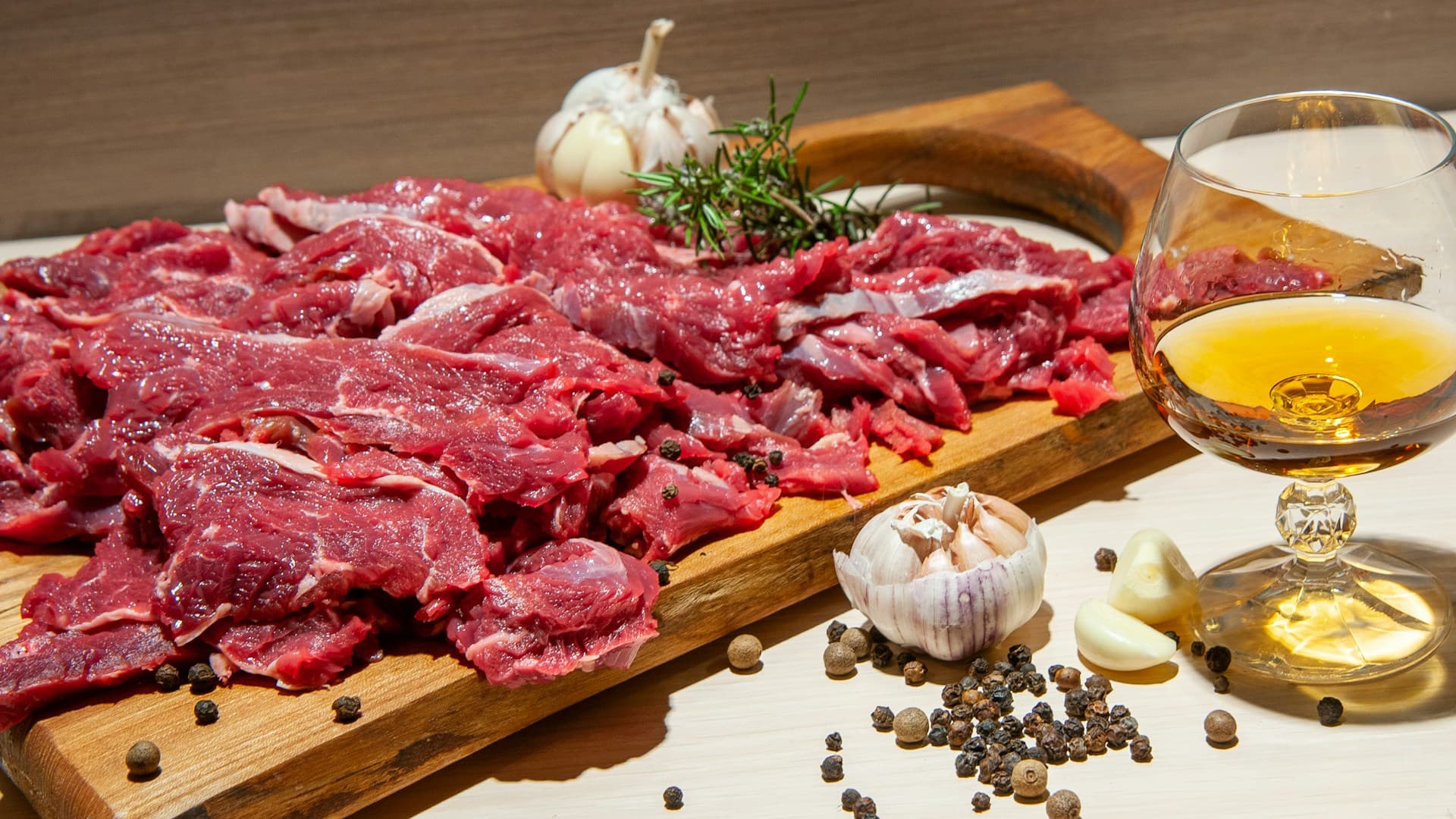
Grass-fed vs. grain-fed bones
Grass-fed beef bones generally have a better omega-3 profile and contain fewer stored toxins than conventional grain-fed options. I prioritize grass-fed sourcing specifically for bones, even if I buy conventional muscle meat.
That said, conventional bones are acceptable if your budget is tight. Any bone broth is generally better than no bone broth, provided you react well to it.
Best cuts for collagen content
Ask your butcher specifically for oxtail, knuckles, and neck bones. These cuts have high amounts of connective tissue, which is the source of the 'jiggle' in cold broth.
Avoid using only marrow bones, as they produce a delicious fat but a watery broth. You need the collagen-rich parts to get the full gut-healing benefits.
Using leftovers from meals
Adopt a zero-waste mindset by saving every ribeye bone, T-bone scrap, or whole chicken carcass. I keep a large bag in the freezer and add to it after every meal.
Once the bag is full, you have enough to make a batch without buying extra ingredients. This makes the habit sustainable and cost-effective.
With your broth prepared and ingredients sourced, there are several strategic ways to include it in your daily regimen. It serves multiple culinary functions.
Practical Ways to Use Carnivore Broth
Bone broth is versatile beyond just being a hot beverage. It can be a culinary tool to add moisture and nutrients to other carnivore meals.
Creative use of broth can prevent palate fatigue. It adds a dimension of flavor that water simply cannot match.
Breaking a fast
Broth is an ideal first meal after intermittent fasting. It stimulates digestive enzymes gently without spiking insulin or burdening the stomach with solid food immediately.
Sipping warm liquid prepares the gut to receive protein. This can reduce the 'heavy' feeling that sometimes follows a large meal after a fast.
Braising tough cuts
Use your homemade stock as the liquid base for braising brisket, chuck roast, or shanks. The gelatin in the broth gives the final sauce a rich, velvety texture.
It infuses the meat with significantly more flavor than water alone. This is an excellent way to make cheaper cuts of meat delicious.
Sipping for satiety
A warm cup of salted broth is a powerful tool to curb cravings between meals. The volume and savory taste can help distinguish between true hunger and boredom.
The salt content also signals satiety to the brain. It is a helpful tactic when you are trying to avoid snacking.
Incorporating these habits ensures you get the most out of your efforts in the kitchen.
FAQ
Is store-bought bone broth carnivore friendly?
Most store-bought brands contain onions, carrot juice concentrates, or yeast extracts, which are not strict carnivore. Always read the label carefully; if it lists vegetables, it is best to make your own or buy a specialized brand.
Can I use vinegar to extract minerals?
Strict carnivore protocols exclude vinegar as it is plant-based. While it helps demineralize bone, sufficient cooking time or pressure cooking achieves a similar result without adding plant acids.
Why didn't my bone broth gel?
If your broth didn't gel, you likely used too much water or not enough collagen-rich bones like knuckles or feet. Next time, reduce the water volume or increase the ratio of joint bones to marrow bones.
Does bone broth break a fast?
Yes, bone broth contains protein and a small amount of calories, which breaks a strict water fast. However, for 'metabolic fasting' focused on insulin control, the impact is minimal compared to a full meal.
Conclusion
Carnivore bone broth is more than just soup; it is a foundational tool for gut health, electrolyte management, and culinary enjoyment on an animal-based diet. By focusing on quality bones and proper technique, you can create a powerful nutrient source without plant toxins.
Whether you use it to break a fast or simply sip it for comfort, mastering this simple recipe will elevate your carnivore experience. Start saving your bones today and discover the difference a true meat-based stock can make.
Related Articles
10 Foods Associated With Slower Biological Aging
Nutrition5 min read
8 Signs Your Gut Needs Help and How to Restore Balance Naturally
Nutrition5 min read

How Much Protein Do You Need to Build Muscle, Lose Fat, and Age Strong
Nutrition5 min read
High Diet App Review: What's Inside, What It Costs, and How To Manage It
Nutrition5 min read

Flame Diet App Review: What You Get, What It Costs, and How To Cancel
Nutrition5 min read

Senior Diet App Review: What's Included, What It Costs, and How To Cancel
Nutrition5 min read
Comments
(0)Leave a comment
Your email will not be published. All fields are required.