Get personalized carnivore meal plans and recipes.
Try Carnimeat today
How to Make a Nutrient-Dense Carnivore Sandwich
By: Healthtime Editorial
Fact checked by: QA Team
Updated on: October 9, 2026
0
930
7 min
In this article
- The Anatomy of a Carnivore Sandwich
- 5 Ways to Make Carnivore-Friendly "Bread"
- Best Animal-Based Fillings and Condiments
- Health Benefits of the Carnivore Sandwich
- Troubleshooting Common Prep Mistakes
- FAQ

A carnivore sandwich replaces traditional grain-based bread with animal-based alternatives like cheese crisps, egg loafs, or meat layers. This guide explains how to construct these nutrient-dense meals to maximize satiety and maintain ketosis.
I have found that mastering this format makes sticking to an animal-based diet significantly easier for busy people. You get the convenience of a handheld meal without the inflammatory ingredients found in standard bread.
The Anatomy of a Carnivore Sandwich
Understanding how to construct this meal requires shifting your mindset from carbohydrate delivery systems to nutrient-dense protein vehicles. The goal is to replicate the convenience of a sandwich while dramatically increasing the nutritional value.
Successful execution relies on balancing structural integrity with flavor. A well-made carnivore sandwich should hold together firmly and provide a complete spectrum of fatty acids.
Why Skip the Traditional Bread?
Eliminating inflammatory triggers is essential for the healing process on this diet. Even "keto-friendly" breads often utilize almond flour, which is high in oxalates, or psyllium husk, which can cause bloating.
These ingredients compromise a strict carnivore protocol and can stall progress. Many people notice that removing these plant-based substitutes resolves lingering digestive issues.
Standard gluten-free buns often contain over 15 grams of carbohydrates from rice or tapioca flour. In contrast, a zero-carb animal-based alternative keeps insulin levels low and stable.
The Protein-to-Fat Ratio
Design your sandwich to sustain energy levels rather than spike insulin. I generally recommend aiming for a 1:1 or 2:1 fat-to-protein ratio in grams to ensure proper satiety.
Lean protein alone may leave you feeling hungry or lethargic shortly after eating. If you use lean turkey as a filling, pairing it with a butter-heavy sauce or a cheese-based crust balances the macros effectively.
Calculating this balance prevents the energy dips often associated with low-fat protein consumption. It essentially turns your lunch into a long-burning fuel source.
Satiety and Nutrient Density
The primary advantage of this approach is maximizing bioavailable nutrition in a condensed format. Animal-based sandwiches provide heme iron, B12, and zinc in their most absorbable forms.
Because of this density, you likely only need one sandwich to feel full compared to two or three grain-based equivalents. The body recognizes the influx of essential nutrients and signals satiety sooner.
Once you understand the nutritional goals, the next step is choosing the right vehicle to hold your fillings.
5 Ways to Make Carnivore-Friendly "Bread"
The biggest hurdle for most people is finding a sturdy, palatable replacement for the bun. I have found these five methods to be the most reliable for texture and structural integrity.
Experimenting with these options allows you to find the one that best suits your taste preferences. Each method offers a slightly different texture profile, from crispy to soft.
The "Chaffle" (Cheese and Egg Waffle)
Create a crispy, bread-like vehicle using a mini waffle iron. This is perhaps the most popular method because it closely mimics the texture of toasted white bread.
The standard ratio is simple and effective for structural support. Mix 1 large egg with 1/2 cup of shredded mozzarella cheese until well combined.
1. Preparation — Heat your mini waffle iron and grease slightly with tallow or butter.
2. Cooking method — Pour half the batter into the iron and cook for 3–4 minutes until rigid.
3. Cooling — Remove carefully and let it sit for a minute to crisp up further.
If you are looking for more variety in your base recipes, Carnimeat offers a library of over 500 carnivore recipes to keep your meal planning fresh. Learn more about their recipe collection.
Pork Rind "Panko" Loaf
Achieve a savory, dense texture suitable for heavy fillings like burger patties. Crushed pork rinds, or chicharrones, act as a fantastic flour substitute that absorbs moisture and binds well.
Mix the pork rind powder with eggs and a pinch of salt to form a batter. I recommend baking this in a small square ramekin to get a shape that resembles sliced bread.
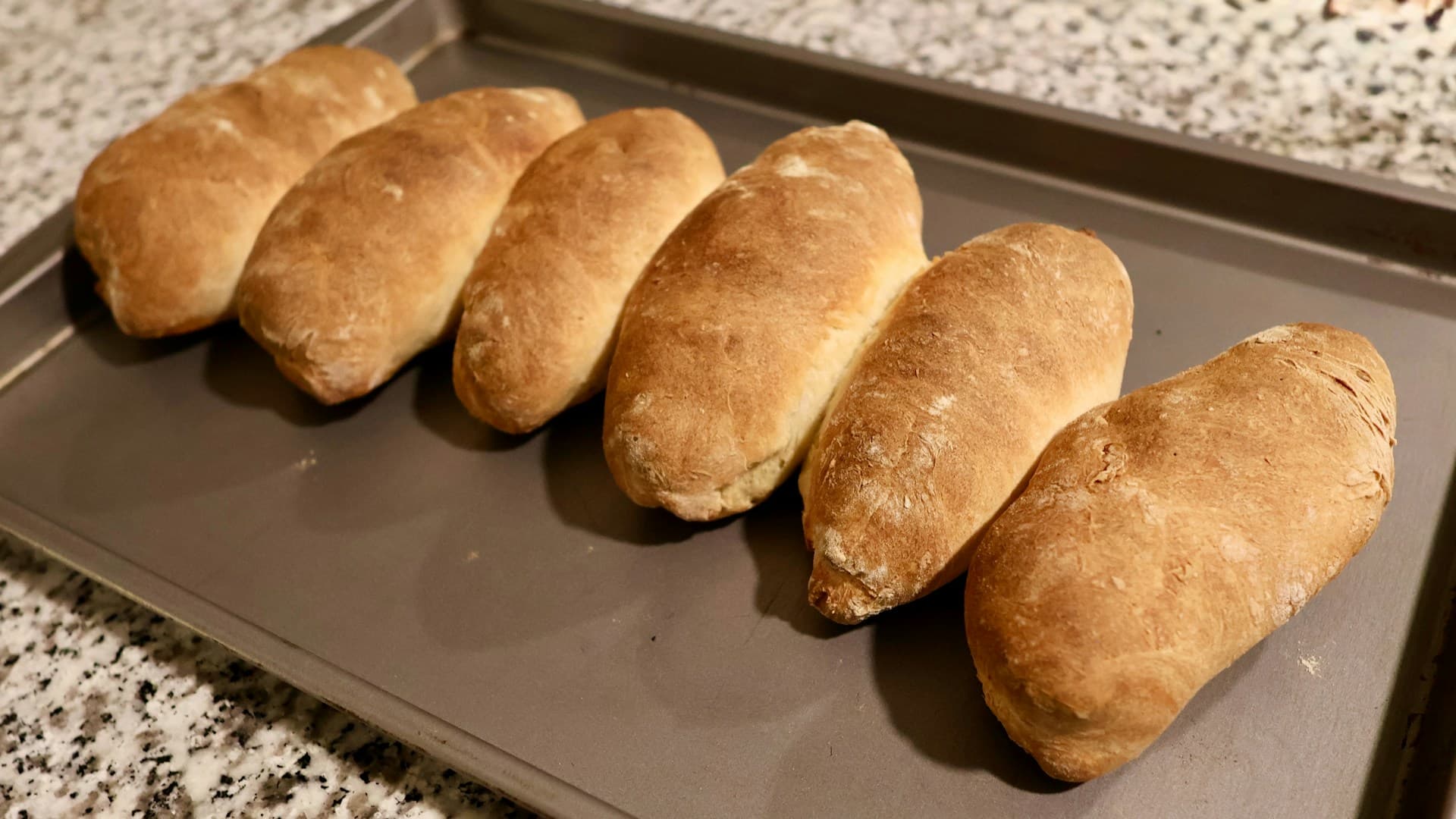
Use a blender to pulverize the pork rinds into a dust-like consistency. This step is crucial to avoid a gritty texture in the final product.
The Carnivore Cloud Bread
Produce a lighter, airier bun for delicate fillings like fish or poultry. This technique involves whipping egg whites to stiff peaks before gently folding in yolks and cream cheese (if tolerated).
The result is a very soft bun that doesn't weigh down the stomach. However, this method requires gentle handling during preparation to maintain volume and prevent deflation.
Chicken "Flour" Crust
Utilize a high-protein base that holds together remarkably well without dairy. This method uses canned chicken (drained and dried) mixed with one egg and parmesan cheese.
Bake the mixture flat on a parchment-lined sheet until golden brown. This creates a very sturdy crust perfect for open-faced sandwiches or heavy burger replacements.
The Meat-Grip Method (Double Down)
Opt for the strictest animal-based solution by using meat itself as the bread. Use two thin hamburger patties or minute steaks as the top and bottom "buns".
Secure cheese or bacon in the middle for a savory, nutrient-packed meal. This eliminates all processed ingredients and binders, making it the purest option available.
With your bread alternative ready, let's look at the best nutrient-dense fillings to complete the meal.
Best Animal-Based Fillings and Condiments
The filling is where you can diversify your nutrient profile and flavor. Focusing on high-quality ruminant meats and healthy animal fats maximizes satiety and health benefits.
I suggest rotating your proteins to ensure you get a broad spectrum of micronutrients. Diversity in animal cuts prevents palate fatigue and covers nutritional bases.
Ruminant Meats for Maximum Nutrition
Prioritize beef, lamb, or bison due to their superior fatty acid profiles. These meats contain optimal ratios of omega-3 to omega-6 fatty acids compared to poultry or pork.
I recommend using cold, thinly sliced ribeye, leftover brisket, or roast beef. Aim for at least 4–6 ounces of meat per sandwich to ensure you hit your protein targets.
Avoid processed deli meats whenever possible. They often harbor hidden dextrose, starches, or preservatives that can disrupt gut healing.
Incorporating Seafood and Eggs
Diversify your omega-3 intake by using seafood fillings occasionally. Cold smoked salmon (lox) with cream cheese is a classic combination that works perfectly on a chaffle.
Another excellent option is a carnivore-style egg salad. Make this by mixing hard-boiled eggs with bacon grease or soft butter instead of mayonnaise.

These options provide a lighter alternative to red meat. They are particularly good for lunch when you want high energy without feeling overly heavy.
Hiding Organ Meats
Boost micronutrient intake by integrating organs stealthily into your sandwich. Many people struggle with the taste of organs, but a sandwich offers the perfect disguise.
Suggest spreading liver pâté on the "bun" like a condiment. Alternatively, layer thin slices of braised heart under the primary meat filling.
This adds significant Vitamin A and copper without overwhelming the palate. It is an effective strategy for those new to nose-to-tail eating.
Carnivore-Approved Condiments
Add moisture and fat without resorting to inflammatory seed oils. The right condiment can transform a dry sandwich into a rich, satisfying meal.
Acceptable options include salted butter (sliced thick), beef tallow, or soft cheeses like brie and cream cheese. Homemade "baconnaise," an emulsion of bacon grease and egg yolk, is also delicious.
I strictly warn against standard mayonnaise and ketchup. These almost always contain soybean oil and high fructose corn syrup, which have no place in this diet.
While these sandwiches are delicious, understanding their impact on your health helps reinforce why you are making this choice.
Health Benefits of the Carnivore Sandwich
Swapping a standard sub for a carnivore version does more than just cut carbs; it fundamentally changes the hormonal response to your meal. Here is what I typically observe in terms of metabolic impact.
The absence of glucose spikes and anti-nutrients creates a physiological environment conducive to healing. Your body can focus on repair rather than managing inflammation.
Digital Tools for Success
Adopting this lifestyle involves tracking new metrics like fat intake and protein timing. Carnimeat simplifies this by offering personalized meal plans and progress trackers tailored specifically for carnivore dieters. Learn more about their tracking tools.
Having a dedicated resource helps navigate the transition phase effectively. It removes the guesswork from macro ratios and helps ensure nutritional adequacy.
Stabilizing Blood Glucose and Insulin
Prevent the post-meal energy crash associated with refined flours. Removing the starch component leads to a flat glucose response after eating.
This provides sustained mental clarity throughout the afternoon. It is distinct from the "lunchtime slump" caused by the insulin spikes typical of grain-heavy meals.
Improved Gut Health and Digestion
Reduce bloating and irritation by eliminating fiber and gluten. I have found that a zero-fiber meal is often easier for many people to digest.
This gives the gut lining time to repair itself from chronic irritation. If you experience severe changes in bowel habits lasting more than a few days, consult a healthcare provider.
Simplifying Weight Management
Leverage natural satiety signaling to regulate intake without calorie counting. The high protein and fat content triggers satiety hormones like CCK and PYY effectively.
Physically, it is difficult to overeat a carnivore sandwich. The body signals fullness much earlier than it does with hyper-palatable processed foods.
To ensure your success, it is helpful to know the common pitfalls people encounter when trying to bake without flour.
Troubleshooting Common Prep Mistakes
Working with animal-based flours and binders can be tricky if you are used to traditional baking. Avoid these common errors to ensure your sandwich holds together.
Small adjustments in technique often yield significantly better results. Patience with cooling times is particularly important for structural integrity.
Over-Reliance on Dairy
Monitor your total dairy intake to prevent weight stalls or skin issues. Combining cheese-based bread with cheese fillings can result in excessive calorie density.
This may also trigger inflammation for sensitive individuals. I suggest balancing a dairy-heavy bun with a dairy-free filling like plain steak.
Cooking at the Wrong Temperature
Adjust heat levels based on the binder used to avoid rubbery textures. Egg-based breads like cloud bread require gentle, lower heat to rise properly.
Conversely, cheese-based chaffles need high heat to crisp properly. Let chaffles cool on a wire rack for 2 minutes to harden before assembling.
Ignoring Sodium Needs
Compensate for the lack of processed sodium found in store-bought bread. Store-bought products are sodium bombs, while homemade carnivore items are naturally low in salt.
Salt your homemade carnivore bread mixtures aggressively. Low-carb diets increase electrolyte excretion, so a pinch of quality sea salt enhances flavor and prevents headaches.
Armed with these tips, you can confidently answer common questions about maintaining this diet.
FAQ
Can I use almond flour for a carnivore sandwich?
No, almond flour is plant-based and high in oxalates. A strict carnivore diet excludes all plant foods, so animal-based binders like pork rind dust or egg powder are preferred.
Is store-bought deli meat okay to use?
It depends on the ingredients list. Many deli meats contain sugar, carrageenan, or potato starch, so always check labels or opt for slicing your own roasts.
How long does carnivore bread last in the fridge?
Most egg and cheese-based breads last 3–4 days in the refrigerator. They can easily be reheated in a toaster or air fryer to restore their crispiness.
Will eating this raise my cholesterol?
High-fat diets often raise LDL but typically improve the HDL-to-triglyceride ratio, which many experts consider a better marker of health. Consult your doctor if you have specific concerns about your lipid panel.
Related Articles
10 Foods Associated With Slower Biological Aging
Nutrition5 min read
8 Signs Your Gut Needs Help and How to Restore Balance Naturally
Nutrition5 min read

How Much Protein Do You Need to Build Muscle, Lose Fat, and Age Strong
Nutrition5 min read
High Diet App Review: What's Inside, What It Costs, and How To Manage It
Nutrition5 min read

Flame Diet App Review: What You Get, What It Costs, and How To Cancel
Nutrition5 min read

Senior Diet App Review: What's Included, What It Costs, and How To Cancel
Nutrition5 min read
Comments
(0)Leave a comment
Your email will not be published. All fields are required.