Transform your health with personalized meal plans.
Try no.Diet today
The Best Mediterranean Diet Winter Foods to Eat
By: Healthtime Editorial
Fact checked by: QA Team
Updated on: October 6, 2026
0
6460
6 min
In this article
- Why the Mediterranean Diet Shifts in Winter
- Essential Winter Vegetables to Stock Up On
- Seasonal Fruits to Brighten Cold Days
- Proteins and Fats for Sustained Winter Energy
- Utilizing Frozen and Pantry Staples
- Comforting Cooking Methods for Cold Weather
- FAQ

The Mediterranean diet adapts to winter by focusing on root vegetables, citrus fruits, and hearty greens to boost immunity and maintain energy. This guide covers the essential foods and cooking methods to keep you healthy during the colder months.
Many people struggle to maintain healthy habits when the temperature drops. Understanding which ingredients to prioritize can make all the difference for your winter wellness.
Why the Mediterranean Diet Shifts in Winter
While we often associate this way of eating with fresh summer salads and tomatoes, the authentic Mediterranean lifestyle is deeply rooted in seasonality. Adapting your plate to the colder months is not only traditionally accurate but also aligns with what your body needs during the darker season.
Digital Tools for Seasonal Eating
Transitioning your meal rotation can be difficult without guidance. I have found that using a structured planner like no.Diet simplifies this process by providing personalized options.
Their system helps tailor meal plans to your specific preferences while incorporating seasonal ingredients. This ensures you stay on track with your health goals throughout the winter.
Embracing Seasonality for Better Nutrition
Eating seasonally maximizes nutrient density because crops harvested in their prime contain higher levels of vitamins. Winter crops like kale produce more sugars and antioxidants to survive the frost.
This survival mechanism transfers dense nutrition directly to our bodies when we consume them. For instance, frost-sweetened spinach contains higher sugar levels and hardier cell structures than summer varieties.
Consuming these potent vegetables ensures we receive the concentrated nutrients required to thrive in cold weather. It is a natural way to align our internal biology with the external environment.
Supporting Immunity and Mood
Winter brings specific health challenges, including increased susceptibility to colds and lower mood due to limited sunlight. The Mediterranean diet's focus on Omega-3s and Vitamin C builds necessary immune resilience.
Fatty fish and citrus fruits become essential tools in your dietary arsenal against seasonal illnesses. Maintaining adequate nutrient levels can also help buffer against the "winter blues" that affect many people.
However, diet is just one component of overall mental health management. While nutrition supports mood, persistent depressive symptoms or severe lethargy require medical evaluation.
Now that we understand the philosophy behind the seasonal shift, let’s look at the specific vegetables that should fill your plate.
Essential Winter Vegetables to Stock Up On
Vegetables remain the cornerstone of the food pyramid, even when the temperature drops. I recommend filling half your plate with these hardy varieties that thrive or store well during the winter months.
Root Vegetables: Beets, Carrots, and Turnips
Root vegetables are vital for providing sustained energy and warmth during cold days. Their complex carbohydrates digest slowly, which helps prevent sugar crashes and keeps you satiated longer.
These vegetables are incredibly versatile and develop a deep, savory flavor when cooked properly. I often suggest roasting them to enhance their natural sugars.
Roasting technique — Toss cubed beets and carrots in olive oil and roast at 200°C (400°F). This high heat brings out their natural sweetness without needing added sugar.
Cruciferous Powerhouses: Broccoli and Brussels Sprouts
Cruciferous vegetables are renowned for their benefits regarding cellular health and detoxification. They contain compounds that support the body's natural defense systems.
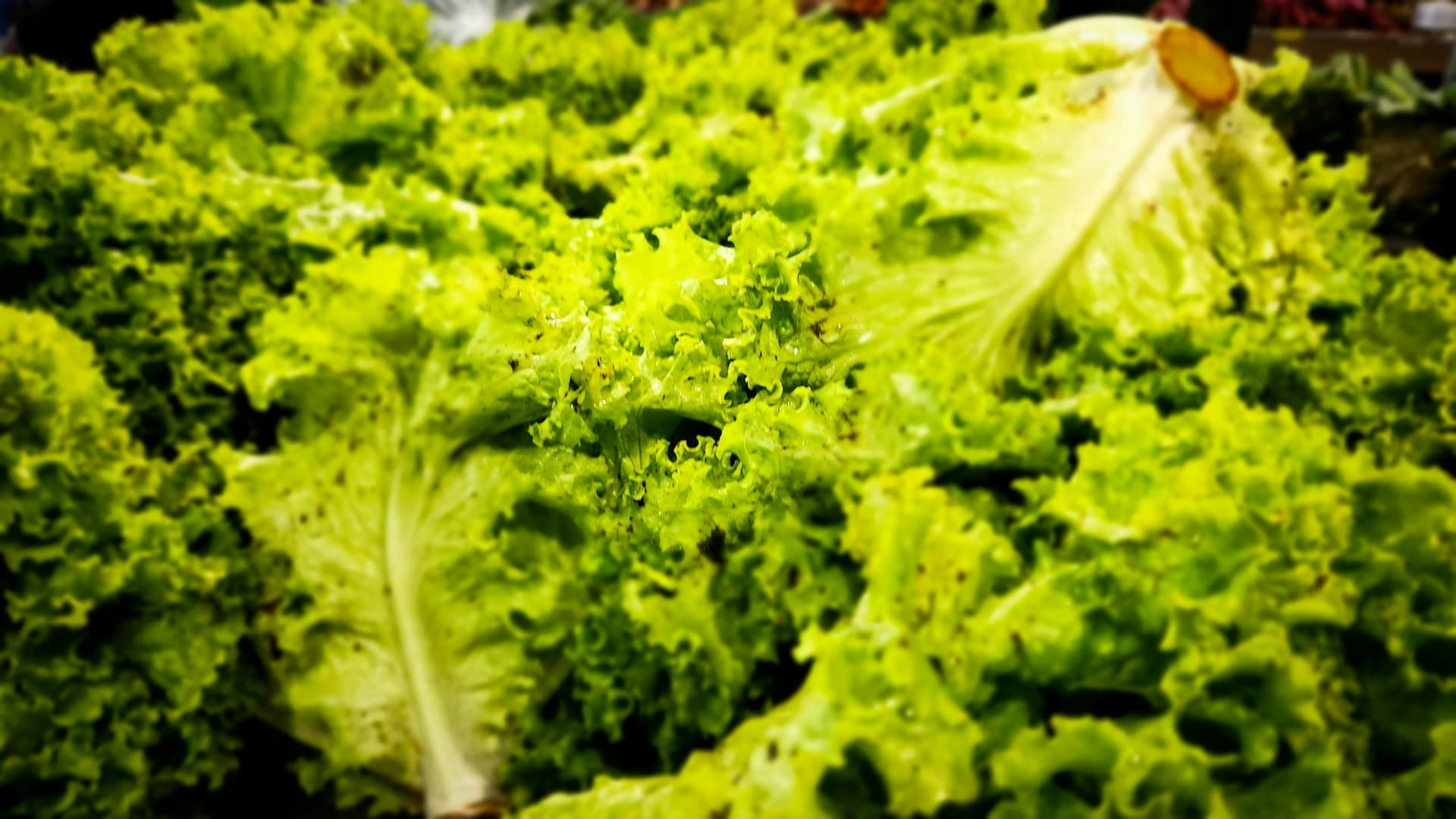
To maximize the absorption of their fat-soluble vitamins like Vitamin K, always prepare them with a healthy fat source. Roasting with olive oil is an excellent method for both flavor and nutrient uptake.
The nutritional density of these vegetables is impressive. A single 1-cup serving of Brussels sprouts provides over 100% of your daily Vitamin C needs.
Hardy Leafy Greens: Kale and Swiss Chard
Leafy greens like kale and Swiss chard ensure adequate magnesium and calcium intake for bone health. Unlike delicate summer lettuces, these tough greens can withstand heat and hearty preparations.
They hold up exceptionally well in hot soups and stews without turning into mush. This makes them an easy addition to almost any winter meal.
A simple way to include them is by wilting Swiss chard into a stew during the last 3 minutes of cooking. This preserves their color while making them tender.
Winter Squash and Sweet Potatoes
Winter squash and sweet potatoes provide comforting satiety without the inflammatory effects of refined carbs. Their vibrant orange flesh indicates a high beta-carotene content, which is crucial for immune function.
These vegetables are filling and can serve as the centerpiece of a meal. They are also rich in fiber, which supports healthy digestion.
Try using mashed butternut squash as a creamy, nutrient-dense soup base instead of heavy cream. While vegetables provide the savory foundation, winter fruits offer a critical burst of brightness and vitamins.
Seasonal Fruits to Brighten Cold Days
You don't have to rely on imported berries to get your daily fruit intake in January or February. Nature provides robust options rich in Vitamin C exactly when our immune systems need them most.
Citrus Fruits: Oranges and Grapefruits
Citrus fruits are essential for maximizing iron absorption and bolstering immune defense. The high Vitamin C content works synergistically with other nutrients to keep your body strong.
Pairing Vitamin C-rich citrus with plant-based proteins significantly boosts iron uptake. This is particularly important for those following a plant-heavy Mediterranean diet.
You can easily incorporate this by squeezing half a lemon over spinach or bean soup just before serving. This simple step enhances flavor and nutritional value simultaneously.
Pomegranates and Persimmons
Pomegranates and persimmons deliver potent antioxidants and fiber during the fruit-scarce months. Pomegranate seeds, or arils, are particularly noted for their benefits to heart health.
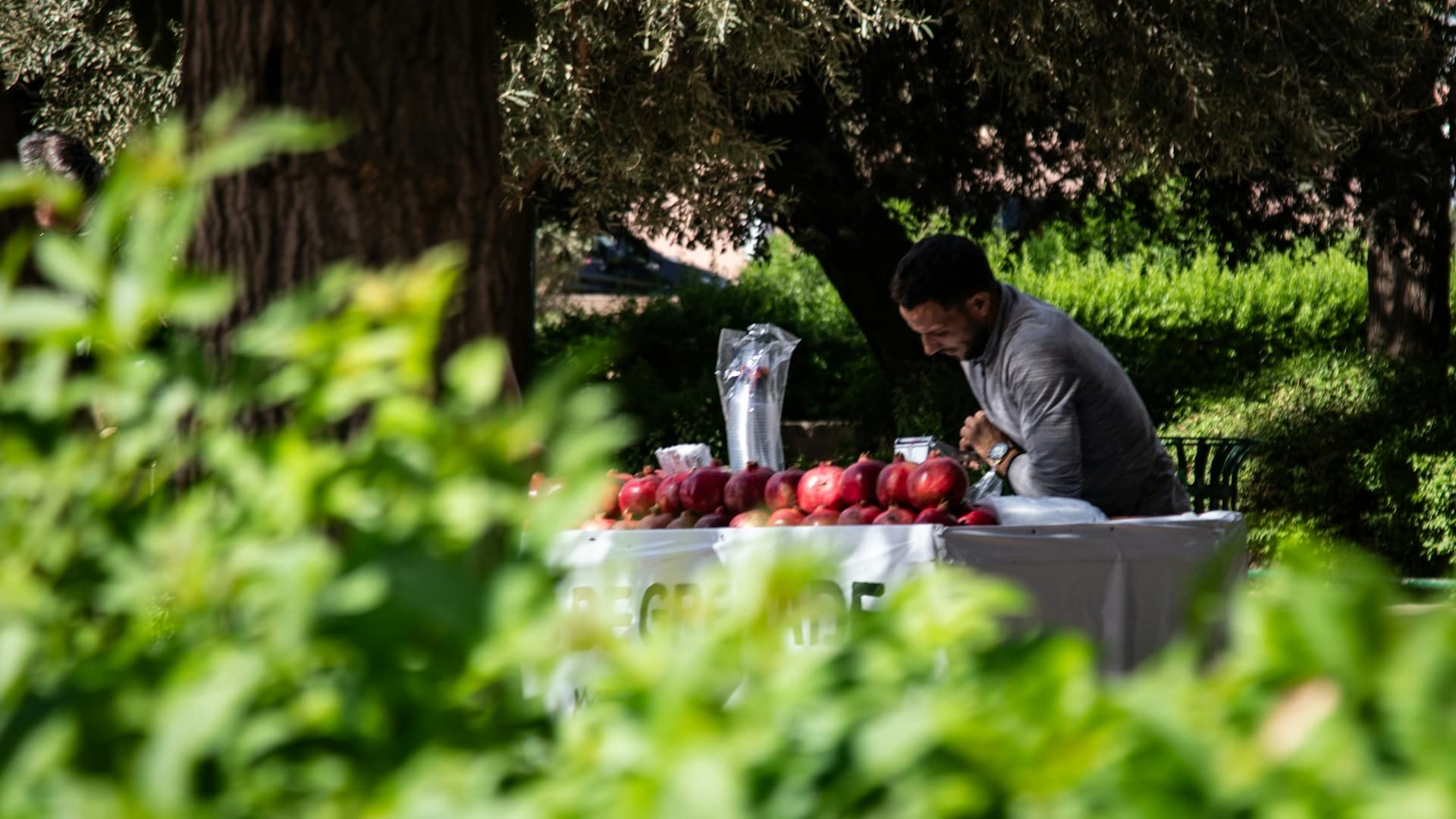
Persimmons offer a unique, honey-like sweetness that satisfies sugar cravings naturally. They are a delightful change from the usual apples and bananas.
Try topping a morning yogurt bowl with 1/4 cup of pomegranate arils for crunch and color. This small addition significantly increases the antioxidant profile of your breakfast.
Apples and Pears: The Storage Staples
Apples and pears support digestive health thanks to their high pectin and fiber content. These fruits are known as 'storage crops' because they maintain their nutritional value throughout the winter.
They are incredibly versatile and can be eaten raw or cooked in warming dishes. Cooking them breaks down fibers, making them gentle on the stomach.
For a comforting treat, try baked pears with cinnamon as a warm, heart-healthy dessert. To make these produce items into a complete meal, we need to pair them with high-quality proteins and healthy fats.
Proteins and Fats for Sustained Winter Energy
In winter, our bodies often crave more substantial fare. Focusing on healthy fats and plant-based proteins provides satiety and keeps your metabolism humming without the heaviness of red meat.
Fatty Fish and Omega-3s
Fatty fish are crucial for combatting inflammation and alleviating winter dryness. Omega-3s from fish like salmon and mackerel support brain health and skin barrier function in cold weather.
Regular consumption of these fats helps maintain cognitive function during the darker months. They also contribute to joint health, which can be a concern in cold damp weather.
I recommend aiming for two 3.5-ounce (100g) servings of fatty fish per week. This ensures you receive an adequate therapeutic dose of essential fatty acids.
Legumes: The Ultimate Soup Starter
Legumes allow you to create filling, inexpensive meals that are rich in fiber. Lentils and white beans are pantry staples that thicken soups naturally while stabilizing blood sugar.
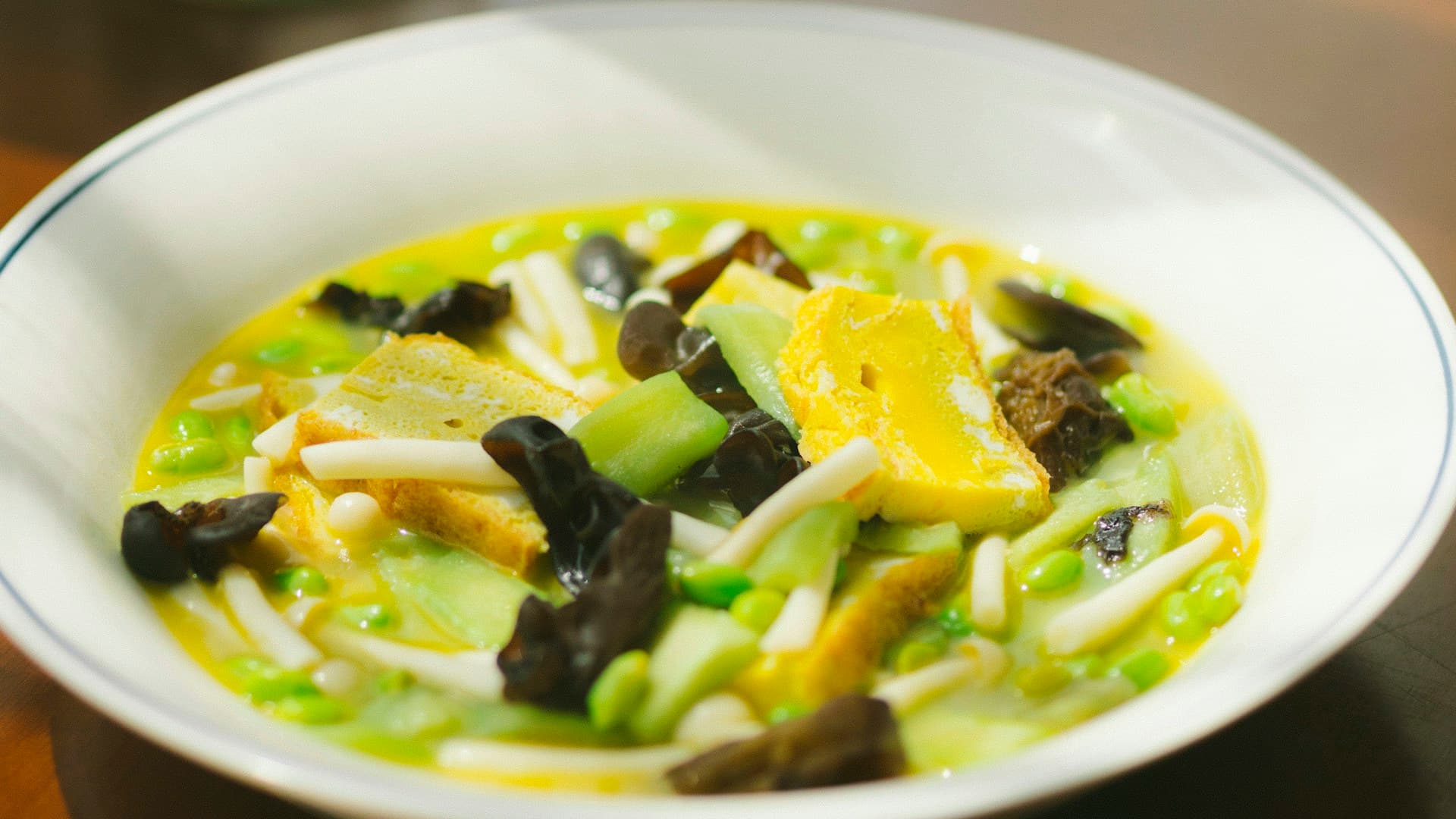
Their high fiber content keeps you full for hours, preventing the urge to snack on unhealthy options. They are also an excellent source of plant-based protein.
Consider using pureed white beans to add creaminess to a vegetable chowder without dairy. This technique boosts protein while maintaining a velvety texture.
Nuts and Seeds
Nuts and seeds help maintain body heat and energy levels through calorie-dense snacking. Walnuts and pumpkin seeds are particularly rich in minerals like zinc which support immunity.
These small powerhouses are easy to carry and provide a quick energy boost. They also add a satisfying crunch to oatmeal and salads.
A daily 1-ounce (28g) handful of walnuts provides a significant ALA Omega-3 boost. This simple habit contributes greatly to heart health.
Greek Yogurt and Fermented Foods
Greek yogurt and fermented foods support the gut microbiome, which houses much of the immune system. I strongly recommend fermented dairy for its probiotic content during flu season.
A healthy gut is your first line of defense against winter pathogens. Consuming probiotics regularly helps maintain this bacterial balance.
Always choose plain Greek yogurt to avoid the added sugars found in flavored varieties. Sometimes fresh produce isn't available or affordable; fortunately, the Mediterranean diet is flexible enough to accommodate preserved foods.
Utilizing Frozen and Pantry Staples
There is a common myth that the Mediterranean diet requires expensive, fresh-picked produce daily. In reality, utilizing preserved foods is a practical and authentic way to maintain this lifestyle year-round.
The Value of Canned Tomatoes
Canned tomatoes provide high levels of lycopene, a potent antioxidant that is more bioavailable after cooking. These tomatoes are harvested at peak ripeness, making them nutritionally superior to hothouse winter tomatoes for cooking.
They serve as an excellent base for many Mediterranean dishes. Using San Marzano tomatoes as the base for a hearty ragu ensures deep flavor and nutrition.
Frozen Vegetables vs. Fresh
Frozen vegetables are a smart way to maintain nutrient intake when fresh options are limited. I often reassure people that flash-frozen vegetables like spinach and peas retain their vitamins effectively.
They are picked at peak maturity and frozen immediately, locking in their nutritional profile. Stirring frozen peas into a grain bowl creates an instant veggie boost without chopping.
Whole Grains for Warmth
Whole grains provide hearty texture and nutty flavor that stands up to rich winter sauces. Warming grains like farro, barley, and brown rice are superior to refined pasta for satiety.
Their complex fiber structure ensures a slow release of energy. A warm farro salad with roasted root vegetables makes for a perfect winter lunch.
With your kitchen stocked, let's look at how to bring these ingredients together in comforting meals.
Comforting Cooking Methods for Cold Weather
How you cook your food changes the nutrient profile and the satisfaction factor. Winter is the time to switch from quick grilling to slower, gentler heating methods.
Slow Roasting and Braising
Slow roasting and braising enhance flavor and tenderize tough winter vegetables effectively. The low, slow heat caramelizes natural sugars in root vegetables and softens fibrous greens.
This method makes humble ingredients taste luxurious and comforting. Try braising cabbage with apples and onions for a sweet-savory side dish that pairs well with any protein.
Soups and Stews as Complete Meals
Soups and stews maximize hydration and nutrient retention, which is vital in dry winter air. The 'one-pot meal' is a staple that hydrates the body while preserving vitamins in the broth.
Since you consume the cooking liquid, water-soluble vitamins are not lost down the drain. Making a large batch of Minestrone to serve as lunch throughout the week is a practical strategy.
If you still have questions about navigating this diet in the cold, here are the most common inquiries I receive.
FAQ
Can I follow the Mediterranean diet if fresh produce is expensive in winter?
Absolutely, as the diet emphasizes local and seasonal eating rather than expensive imports. Relying on root vegetables, cabbage, canned tomatoes, and frozen greens is both authentic and cost-effective.
Do I need to take a Vitamin D supplement in winter?
Many people benefit from Vitamin D supplementation during months with low sunlight, as food sources alone are often insufficient. I recommend consulting a healthcare provider to determine your specific dosage needs based on blood levels.
Will eating more carbs like potatoes and grains cause weight gain?
Not necessarily, provided you focus on whole, unprocessed sources and appropriate portion sizes. Complex carbohydrates like sweet potatoes and farro provide fiber and sustained energy, which can actually prevent overeating.
Related Articles
10 Foods Associated With Slower Biological Aging
Nutrition5 min read
8 Signs Your Gut Needs Help and How to Restore Balance Naturally
Nutrition5 min read

How Much Protein Do You Need to Build Muscle, Lose Fat, and Age Strong
Nutrition5 min read
High Diet App Review: What's Inside, What It Costs, and How To Manage It
Nutrition5 min read

Flame Diet App Review: What You Get, What It Costs, and How To Cancel
Nutrition5 min read

Senior Diet App Review: What's Included, What It Costs, and How To Cancel
Nutrition5 min read
Comments
(0)Leave a comment
Your email will not be published. All fields are required.