Get personalised carnivore meal plans and recipes.
Try Carnimeat today
The Carnivore Diet After Age 40: A Physician's Guide to Benefits and Safety
By: Healthtime Editorial
Fact checked by: QA Team
Updated on: October 9, 2026
0
5604
8 min
In this article
- Why Metabolism Shifts in Your 40s
- Primary Benefits for Midlife Health
- Core Food List: What to Prioritize
- Adapting the Carnivore Diet for Over-40 Needs
- Hormonal Impact: Menopause and Andropause
- Potential Risks and Medical Monitoring
- Sample 3-Day Meal Plan for Beginners
- FAQ
- Conclusion

Entering your fourth decade often feels like playing a game where the rules have suddenly changed. What worked for weight management at 25 rarely yields the same results a decade or two later.
Many people find that traditional advice to "eat less and move more" fails to address the hormonal shifts occurring during this phase of life. This frustration leads many to explore the carnivore diet after age 40 as a way to regain metabolic control.
This article explores the physiological reasons why an all-meat approach can be particularly effective for midlife health. I will cover the benefits for joints and energy, essential safety considerations, and a practical meal plan to get you started.
Why Metabolism Shifts in Your 40s
Entering your fourth decade brings distinct physiological changes that alter how your body processes fuel and repairs tissue. Understanding these shifts is the first step to leveraging a zero-carb approach effectively.
The body becomes less efficient at handling glucose, making carbohydrate restriction a powerful tool. By shifting fuel sources, we can directly address the underlying causes of midlife metabolic slowdown.
Combating Sarcopenia and Muscle Loss
Preserving lean muscle mass is the single most critical factor for maintaining a healthy metabolic rate as we age. Sarcopenia, or age-related muscle loss, accelerates after age 40 but can be countered by the high bioavailability of animal protein.
Animal products provide a rich source of leucine, an essential amino acid that triggers muscle protein synthesis more effectively than plant sources. Without sufficient leucine, the body struggles to repair tissue, leading to a gradual decline in strength.
To stimulate this anabolic response in older adults, quantity matters. Research suggests a threshold of roughly 30g of high-quality protein per meal is required to effectively trigger muscle maintenance.
Insulin Sensitivity and Hormonal Resistance
Restoring insulin sensitivity is essential for combating the weight creep that often settles around the midsection in midlife. Removing carbohydrates allows baseline insulin levels to drop, giving the pancreas a necessary rest after decades of high-carb eating.
This 'metabolic reset' is statistically more urgent for the 40+ demographic compared to younger dieters. The risk of pre-diabetes increases significantly in this decade, making insulin control a primary health objective.
Once you understand the 'why,' it is important to look at the specific benefits this dietary change offers for common midlife complaints.
Primary Benefits for Midlife Health
Beyond simple weight loss, the carnivore diet targets specific inflammatory and metabolic issues often accepted as 'normal aging.' These benefits can significantly improve quality of life and daily function.
By eliminating plant toxins and processed foods, the body can redirect energy toward repair. This often results in systemic improvements that go far beyond the number on the scale.
Modern Solutions for Success
Transitioning to a meat-based lifestyle requires planning to ensure nutrient density and consistency. Many people find that structured guidance helps them avoid common pitfalls in the early stages.
I recommend using tools like Carnimeat to access personalised plans and track progress effectively. This simplifies the process of sourcing recipes and monitoring daily intake, ensuring you meet your nutritional needs.

Reduction in Joint Pain and Inflammation
One of the most profound outcomes for older adults is regained mobility and reduced stiffness. This occurs because the diet removes inflammatory triggers like oxalates, lectins, and processed sugars found in many plant foods.
Many people over 40 suffer from osteoarthritis, which can improve significantly when systemic inflammation drops. A concrete example is the ability to resume activities like hiking or kneeling without pain after just 30 days of strict adherence.
Stabilized Energy and Mental Clarity
Eliminating 'brain fog' and the mid-afternoon slump is a common report from those who switch to this way of eating. This contrasts sharply with the glucose rollercoaster that often dictates energy levels on a standard diet.
Ketones provide an efficient fuel source for the aging brain, helping to stabilize mood and focus during hormonal transitions like perimenopause. A tangible benefit is the complete elimination of the 3 PM crash, allowing for sustained productivity throughout the day.
Simplification of Weight Management
The psychological relief of improved satiety signaling changes the way we approach food. Protein and fat trigger satiety hormones like CCK and peptide YY much more effectively than carbohydrates.
This allows users to eat to fullness without the mental burden of calorie counting. Consider the difference between eating 1.5 lbs of steak until satisfied versus trying to track 2,000 calories of mixed food while fighting hunger.
Skin Health and Anti-Aging Effects
Improved skin texture and elasticity are frequently observed outcomes. Animal fats provide the necessary cholesterol and collagen precursors for skin repair, processes which naturally slow down with age.
This can lead to a visible reduction in dryness and fine lines. Additionally, there is often a reduction in autoimmune skin issues like eczema or psoriasis as a secondary benefit of lowered inflammation.
To achieve these benefits, you must focus on the right types of food rather than just restricting calories.
Core Food List: What to Prioritize
Not all animal products are created equal, especially when your goal is nutrient density and gut healing. This list focuses on the highest-yield foods for a body over 40.
Prioritising unprocessed meats ensures you get the necessary micronutrients without additives. The following categories should form the bulk of your grocery shopping.
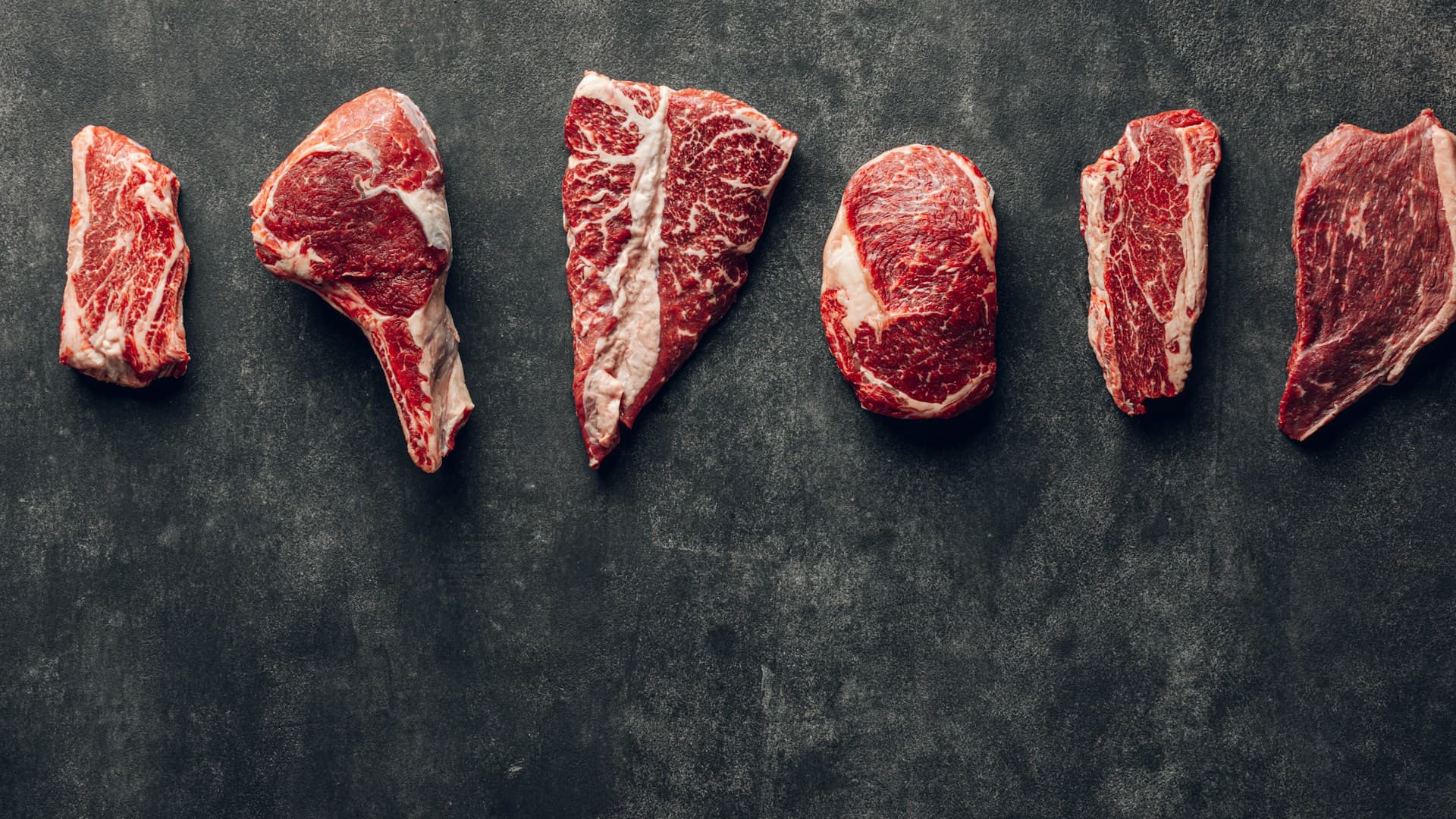
Ruminant Meats as the Foundation
Ruminant meat offers maximum nutrient density with minimal inflammatory potential. Beef, lamb, bison, and venison serve as the cornerstones of this diet due to their favorable omega-3 to omega-6 ratio.
Red meat provides highly bioavailable iron and B12, which are crucial for maintaining energy levels as we age. A good intake goal is to aim for 1–2 lbs of ruminant meat per day, depending on your activity level and size.
Eggs and Dairy Considerations
Individual tolerance testing is vital when it comes to eggs and dairy. while foods like butter and heavy cream are nutrient-dense, they can stall weight loss or cause inflammation for some older adults.
To determine if these foods work for you, I suggest a specific protocol. Try an initial 30-day elimination period of dairy, followed by reintroduction to test for symptoms like bloating or returning joint pain.
Seafood and Organ Meats
Incorporating seafood helps fill micronutrient gaps that muscle meat alone might miss. Fatty fish like salmon and sardines are excellent sources of EPA/DHA, while organ meats like liver provide essential vitamins A and B.
Think of these foods as 'nature's multivitamins' that support optimal physiology. A concrete frequency to aim for is consuming 3–4 oz of liver once a week to support hormonal health without risking hypervitaminosis.
Knowing what to eat is simple, but adapting your body to this new fuel source requires specific strategies, especially for older adults.
Adapting the Carnivore Diet for Over-40 Needs
Transitioning to a meat-only diet can be a shock to the system. Older adults need to pay extra attention to digestion, electrolytes, and protein intake to ensure a safe switch.
Metabolic flexibility decreases with age, meaning your body may resist the shift from burning sugar to burning fat. Patience and specific support strategies are key during this window.
Managing the Transition Phase
Navigating metabolic flexibility safely is the primary goal of the first month. The 'adaptation phase,' often called the keto flu, may last longer for those over 40—sometimes up to 2–3 weeks.
If you have a history of blood sugar regulation issues, advise gradually reducing carbohydrates rather than going cold turkey. Do not restrict fat during this phase; it is your new fuel source and essential for energy.
Electrolytes and Hydration Strategy
Proper hydration is crucial for preventing fatigue and painful cramps. Low-carb diets cause the kidneys to excrete sodium at a higher rate, which can leave you feeling depleted.
To counter this, you need to supplement sodium, potassium, and magnesium. Aim for 3,000–5,000 mg of sodium daily (approx. 2 tsp of salt) to maintain fluid balance, as the thirst response often diminishes with age.
Supporting Digestion and Stomach Acid
Reducing bloating and heaviness requires optimal stomach acid levels. Stomach acid (hypochlorhydria) naturally declines with age, which can make digesting large amounts of meat difficult initially.
Using Betaine HCl or digestive enzymes temporarily can bridge this gap. A practical tip is to chew thoroughly and avoid drinking large amounts of water for 30 minutes around meals to prevent diluting gastric juices.
Fat-to-Protein Ratios for Maintenance vs. Weight Loss
Tailoring the diet to your body composition goals is important for long-term success. A higher protein focus (e.g., 1:1 gram ratio) is often better for muscle maintenance in the 40+ demographic.
Conversely, those with neurological issues might benefit from a higher fat approach (2:1). Always listen to hunger cues rather than forcing excessive dietary fat if weight loss seems to stall.
Beyond digestion and muscle, this way of eating interacts directly with your endocrine system.
Hormonal Impact: Menopause and Andropause
Diet profoundly influences hormone production and regulation. A carnivore approach can offer stability during the fluctuations associated with menopause in women and testosterone decline in men.
Fat and cholesterol are the raw materials for steroid hormones. Providing an abundance of these building blocks can help smooth out the hormonal rollercoaster of midlife.
Navigating Menopause and Estrogen
Symptom management during hormonal flux is a key benefit for many women. Adequate dietary cholesterol acts as a necessary building block for sex hormones, potentially easing transitions.
There is significant anecdotal evidence of relief from hot flashes and mood swings, largely due to stable blood sugar. This reduction prevents sugar-induced cortisol spikes, which are known to exacerbate menopausal symptoms.

Testosterone Support for Men
Supporting virility and strength is a major focus for men entering andropause. There is a strong link between adequate dietary fat intake, zinc (rich in red meat), and healthy testosterone production.
Furthermore, reducing visceral fat lowers the conversion of testosterone to estrogen (aromatization). Zinc plays a key role here, with red meat providing roughly 5–8 mg per serving, making it a potent food for male health.
While the benefits are compelling, it is responsible to discuss safety and when to involve your healthcare provider.
Potential Risks and Medical Monitoring
Shifting to an all-meat diet is a major intervention. While generally safe for many, certain markers and conditions require monitoring to ensure you remain healthy.
Understanding how your blood work might change prevents unnecessary panic. It is important to distinguish between pathological markers and normal physiological adaptations to a high-fat diet.
Understanding Cholesterol Changes
Interpreting lipid panels correctly is crucial on a carnivore diet. Some individuals exhibit the 'Lean Mass Hyper-Responder' phenotype, where LDL levels may rise significantly.
Instead of focusing solely on total cholesterol, advise getting a CAC (Coronary Artery Calcium) score or Apob test for a true risk assessment. Context matters—elevated LDL with low triglycerides and high HDL represents a different risk profile than standard high cholesterol.
Gut Health and Bowel Regularity
A common myth is that fiber is essential for bowel health, but carnivore dieters often experience lower volume with comfortable digestion. It is important to differentiate between constipation (pain/straining) and simply having lower frequency.
Because meat is 95%+ absorbable, there is very little waste product. Going every 2–3 days is often normal on this diet and is not necessarily a sign of dysfunction.
When to Seek Medical Care
Specific situations require professional oversight, such as if you are taking blood pressure or diabetes medication, as your needs may drop rapidly. Those with a history of gallbladder removal should also proceed with caution regarding fat intake.
If you experience persistent nausea, severe abdominal pain (right upper quadrant), or an inability to tolerate dietary fat after 2 weeks, seek care immediately. These signs indicate that your body requires medical support to handle the dietary change.
If you are ready to try this approach, a simple plan can help you navigate the first few days.
Sample 3-Day Meal Plan for Beginners
Keep it simple to start. The goal of the first few days is satiety and stabilizing blood sugar, not culinary variety.
Eat when hungry, stop when full, and do not fear salt. This basic approach helps reset your hunger signals.
Day 1: The Basics
Focus on satiety to prevent cravings. Start breakfast with 3 eggs cooked in butter with bacon to provide lasting energy.
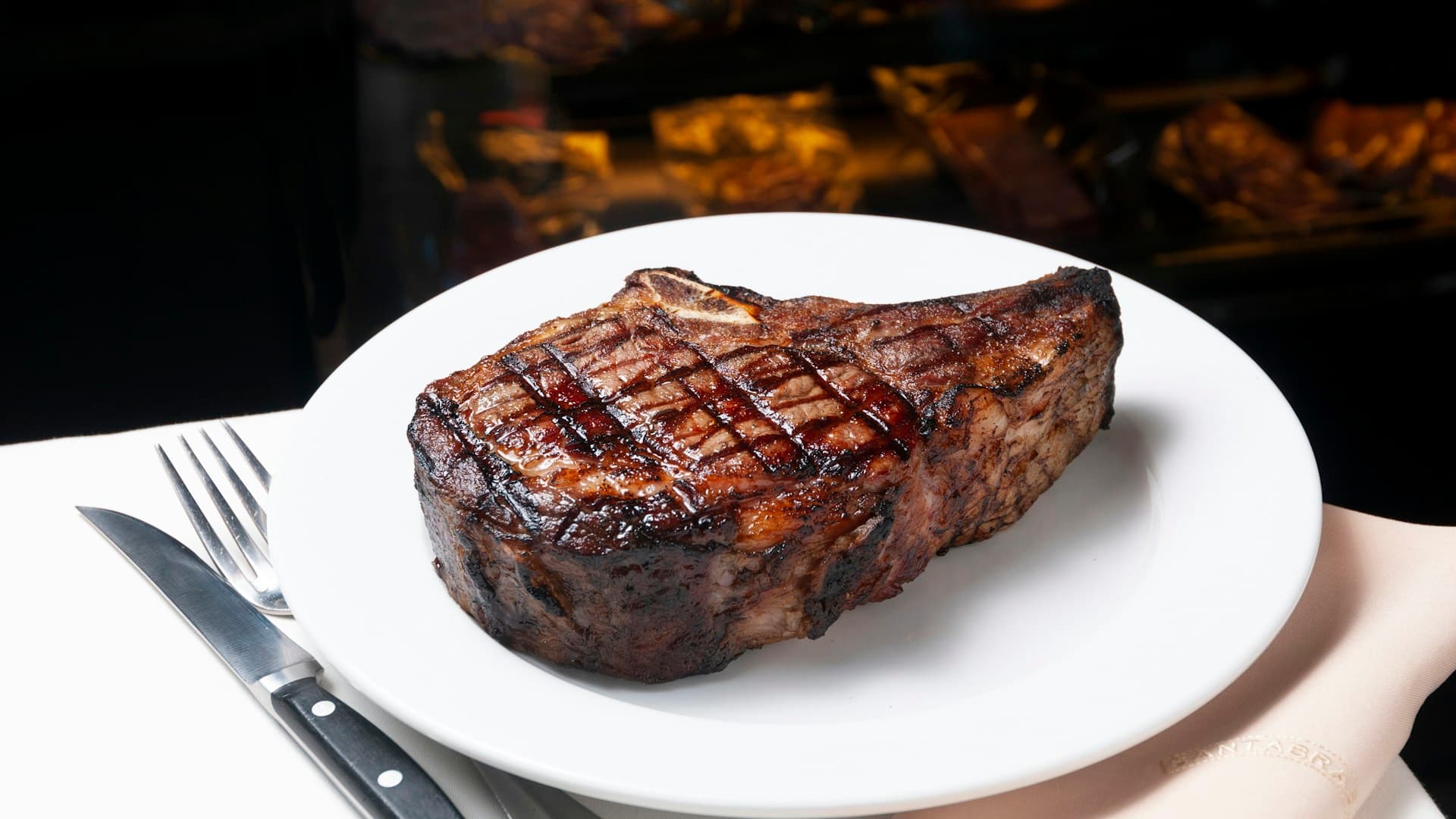
For lunch, consume 2 beef burger patties (no bun). Finish the day with a 10–12 oz ribeye steak for dinner; remember to salt liberally and eat until comfortably full, not stuffed.
Day 2: Introduction of Variety
Introduce slightly different textures. Breakfast can be a scramble using leftover burger meat from the previous day.
Lunch might consist of cold roast beef slices or hard-boiled eggs for easy prep. For dinner, try roasted salmon or lamb chops, focusing on choosing fatty cuts to prevent energy crashes.
Day 3: Batch Cooking Focus
Utilise a slow-cooked roast to save time. Skip breakfast if you aren't hungry (optional fasting), or stick to eggs.
Lunch can be shredded chuck roast or brisket. Dinner is the leftover roast served with bone broth. Having pork rinds on hand as a snack strictly for emergencies can help you stay on track.
FAQ
Is the carnivore diet safe for people over 50 or 60?
Generally, yes, but adaptation may be slower. Older adults should prioritize protein for muscle mass and monitor electrolyte levels closely.
Will I get scurvy without fruit and vegetables?
Fresh meat, especially red meat and organs, contains small amounts of Vitamin C that are sufficient when glucose (which competes for absorption) is absent. Scurvy is extremely rare on a fresh meat diet.
How long does it take to see results after 40?
Metabolic healing takes time. While water weight often drops in the first week, joint pain relief and deep energy improvements typically appear between days 30 and 90.
Can women do the carnivore diet after menopause?
Yes, many post-menopausal women find it helpful for weight management and bone density. The high protein intake is protective against osteoporosis and sarcopenia.
Conclusion
Adopting a carnivore diet after age 40 offers a compelling strategy to counteract the metabolic and hormonal shifts of midlife. By prioritising nutrient-dense animal proteins, you can support muscle mass, stabilise energy, and reduce systemic inflammation.
While the transition requires patience and attention to electrolytes, the potential for reclaimed vitality is significant. If you are ready to transform your health, start with the basics and listen to your body.
Try Carnimeat today
Related Articles

10 Foods Associated With Slower Biological Aging
Nutrition5 min read

8 Signs Your Gut Needs Help and How to Restore Balance Naturally
Nutrition5 min read

How Much Protein Do You Need to Build Muscle, Lose Fat, and Age Strong
Nutrition5 min read

High Diet App Review: What's Inside, What It Costs, and How To Manage It
Nutrition5 min read

Flame Diet App Review: What You Get, What It Costs, and How To Cancel
Nutrition5 min read

Senior Diet App Review: What's Included, What It Costs, and How To Cancel
Nutrition5 min read
Comments
(0)Leave a comment
Your email will not be published. All fields are required.