Personalized meal plans and trackers for your carnivore journey.
Explore Carnimeat options
Top Reasons People Quit Carnivore Diet (And How to Pivot)
By: Healthtime Editorial
Fact checked by: QA Team
Updated on: October 9, 2026
0
331
8 min
In this article
- Physiological hurdles: When the body resists adaptation
- Lifestyle friction: Boredom and social isolation
- Health markers and long-term concerns
- The rise of the "Animal-Based" modification
- How to transition off carnivore safely
- FAQ

Many people start the carnivore diet with high hopes for healing and weight loss, only to hit a wall weeks or months later. The reasons people quit carnivore diet often stem from physiological adaptation struggles or the sheer practicality of a meat-only lifestyle.
This guide explores why these roadblocks happen and how you can adjust your approach without losing your progress. Whether you are dealing with digestion issues or social isolation, understanding the root cause is the first step.
We will look at the science behind these hurdles. Then, we will discuss actionable ways to pivot safely.
Physiological hurdles: When the body resists adaptation
The most immediate reasons for stopping usually involve the body's physical reaction to zero-carb restrictions. While adaptation is normal, persistent symptoms often signal a need for adjustment.
Persistent digestive distress
Identify the difference between temporary adaptation issues and chronic GI upset. Many beginners experience what is affectionately known as "disaster pants" during the first week.
However, if diarrhea persists beyond a month, it often points to issues with bile production. The liver must ramp up bile output to emulsify the increased fat intake, and this process takes time.
Conversely, severe constipation can occur due to microbiome shifts and a lack of gut motility. Without fiber to bulk stool, volume decreases significantly, which some mistake for constipation.
Unmanageable electrolyte imbalances
The "keto flu" is a well-known transition phase, but for some, the symptoms never fully resolve. In the absence of insulin, the kidneys aggressively flush sodium and water from the body.
This constant excretion can lead to chronic headaches, heart palpitations, and brain fog. Many people underestimate the sheer volume of salt required to maintain equilibrium.
I often see people struggling because they cannot consume enough salt through food alone. You might need upwards of 5,000mg of sodium daily, which is difficult to achieve just by salting your steak.

Insomnia and fragmented sleep
A common complaint among zero-carb dieters is the "wired but tired" sensation. This often manifests as waking up at 3 AM with a racing heart and an inability to fall back asleep.
The mechanism behind this is often related to cortisol and adrenaline. These stress hormones spike at night to fuel gluconeogenesis (making glucose from protein) when liver glycogen stores are critically low.
While this is a natural survival mechanism, it is incredibly disruptive to rest. Many people eventually quit the diet simply to restore a normal sleep cycle.
Reactions to histamine in aged meats
Address histamine intolerance as a hidden driver for quitting that is frequently overlooked. Carnivore diets rely heavily on ground beef and aged steaks, which are naturally high in histamines.
Individuals sensitive to histamines may experience hives, nasal congestion, or sudden anxiety after meals. This reaction mimics an allergic response and can be terrifying if the cause is unknown.
Resolving this often requires buying expensive unaged meat or freezing meat immediately. The logistical burden of avoiding histamines forces many to return to a broader diet where fresh plant foods are available.
Decline in high-intensity performance
Athletes in glycolytic sports, such as CrossFit or sprinting, often find themselves pivoting away from strict carnivore. These activities rely heavily on glycogen for explosive power.
Without carbohydrates to replenish muscle glycogen, performance can hit a hard ceiling. Athletes often describe a sensation of "flatness" or hitting a wall early in their workout.
While endurance athletes may thrive on fat adaptation, those needing explosive power often find the diet unsustainable for peak physical output. This performance drop is a valid and common reason for quitting.
Beyond the physical toll, the mental and social aspects of the diet play a massive role in long-term adherence.
Lifestyle friction: Boredom and social isolation
Even if the physical benefits are present, the practicalities of a meat-only lifestyle often wear people down over time. This friction is a leading cause of recidivism.
Palate fatigue and menu boredom
Eating only meat, salt, and water requires a level of discipline that can be mentally exhausting. The lack of texture, crunch, and flavor variety eventually leads to "food aversion."
I have spoken to people who physically struggle to swallow another steak despite being hungry. This psychological barrier is a valid reason for reintroducing variety.
To combat this monotony, I often recommend using digital tools to expand your culinary options. Apps like Carnimeat offer over 500 carnivore-friendly recipes that can introduce much-needed variety without breaking your dietary rules.
Navigating social gatherings
The isolation felt when dining out or attending family events is a significant hurdle. Strict adherence means avoiding seed oils, sauces, and garnishes, which makes social eating anxiety-inducing.
Refusing a celebratory meal at a wedding or holiday dinner can create social friction. For many, the desire to participate in communal rituals outweighs the benefits of the diet.
This often becomes a breaking point. The emotional cost of being the "odd one out" at every meal eventually leads people to quit.
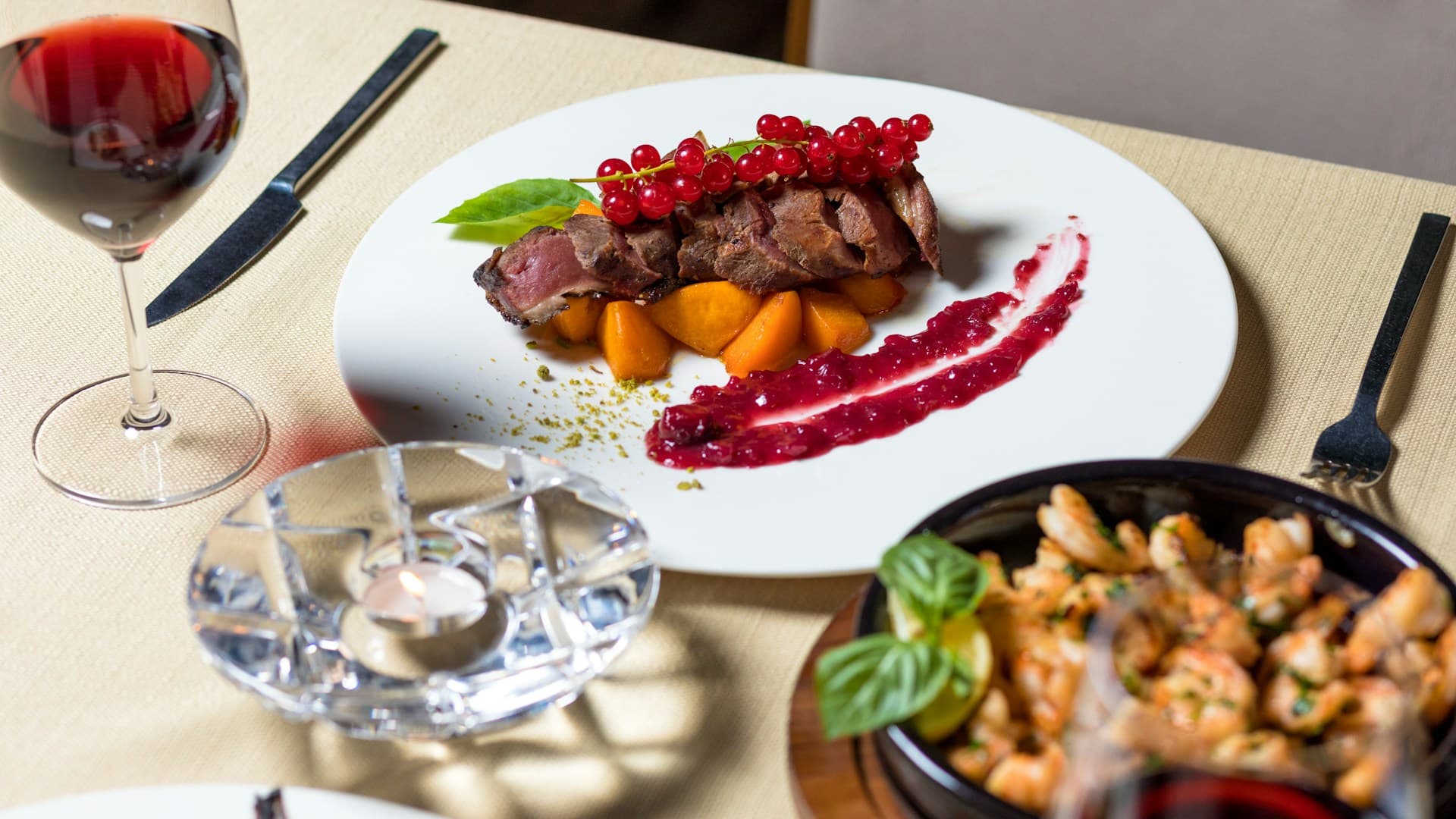
Inconvenience during travel
Maintaining a carnivore diet while traveling is a logistical nightmare. Finding high-quality plain meat in airports or hotels without kitchens is nearly impossible.
Travelers often find themselves relying on beef jerky or plain fast-food burger patties. These options quickly become unpalatable and may contain hidden ingredients that cause reactions.
Many people choose to pause or quit the diet during trips simply for convenience. Once the habit is broken, it can be difficult to restart.
The financial cost of quality meat
While you eliminate junk food costs, the requirement for 1.5 to 2 lbs of meat daily strains many budgets. Aiming for grass-fed or regenerative meat increases this cost significantly.
For a family, a $600+ monthly grocery bill per person is often unsustainable. This financial pressure is a practical reality that forces many to incorporate cheaper staples like rice or potatoes.
Sometimes, however, the decision isn't about how you feel or what you spend, but what your lab results say.
Health markers and long-term concerns
Medical feedback is a powerful motivator for quitting. While some markers improve, others can move in directions that cause concern for both patients and doctors.
Concerns over LDL cholesterol spikes
A subset of the population, known as "Lean Mass Hyper-Responders," sees their LDL cholesterol rise significantly on this diet. While the context of this rise is debated, it is alarming for many.
Many users choose to modify the diet to lower LDL even if they feel fantastic physically. This is often a risk-management decision made in consultation with a healthcare provider.
Hormonal shifts and thyroid health
Long-term ketosis can sometimes downregulate thyroid function, specifically lowering T3 levels. The body may interpret prolonged low-carb intake as a starvation state.
This can lead to a drop in metabolic rate and affect sex hormones. Women, in particular, may notice cycle irregularities, prompting a return to carbohydrates to support reproductive health.
Anxiety regarding nutrient gaps
There is a mental burden associated with worrying about deficiencies like Vitamin C or Folate. Even if clinical deficiencies are rare on a well-formulated carnivore diet, the fear persists.
Constant vigilance and skepticism from the medical community can wear you down. Many individuals quit simply for peace of mind, preferring a diet that includes a wider array of known nutrients.
These health and lifestyle challenges have led to a new trend: the shift from strict carnivore to 'animal-based' eating.
The rise of the "Animal-Based" modification
Many who 'quit' aren't returning to a standard American diet; they are pivoting to a less restrictive version. This evolution is becoming the new standard for those who struggle with zero-carb.
Why influencers like Paul Saladino pivoted
There has been a visible shift in the community, most notably with Dr. Paul Saladino's addition of fruit and honey. His reasoning centered on resolving electrolyte issues and persistent muscle cramps.
He also noted improvements in sleep quality after reintroducing carbohydrates. This high-profile pivot validates your potential desire to modify the diet without feeling like a failure.

The benefits of metabolic flexibility
Metabolic flexibility is the ability to switch between fuel sources efficiently. Adding back specific carbohydrates can resolve energy issues while maintaining autoimmune benefits.
By avoiding processed grains and seed oils, you keep inflammation low. This approach allows you to harness the best of both worlds: animal nutrition and metabolic ease.
If you have decided that strict carnivore isn't for you, the next step is managing the transition safely.
How to transition off carnivore safely
Quitting cold turkey and binging on high-fiber foods can cause severe digestive distress. A strategic reintroduction plan is essential for maintaining the health gains you've made.
Start with low-toxicity carbohydrates
When you begin reintroducing foods, prioritize those that are easiest to digest. I suggest starting with peeled fruit, honey, or well-cooked squash rather than grains.
Your gut has likely downregulated its production of fiber-digesting enzymes. Flooding it with complex plant matter immediately can lead to significant bloating and pain.
Reintroduce fermented foods
Rebuilding microbiome diversity is crucial for digesting plants again. Start with small amounts, such as one tablespoon of sauerkraut juice, kefir, or plain yogurt.
This helps prime the gut for digesting plant matter without overwhelming it. Increase the serving size slowly over several weeks as your tolerance improves.
Monitor for autoimmune triggers
Use this transition as an opportunity to perform a proper elimination diet. Add only one new food every three days to isolate reactions.
For example, test nightshades (like tomatoes and peppers) separately. This precise method helps you identify exactly which plants might have been causing your original inflammation.
Adjusting macronutrient ratios
As your carbohydrate intake increases, your dietary fat should generally decrease slightly. This prevents an excessive energy surplus that could lead to unwanted fat gain.
Balance your plate by choosing leaner cuts of meat when you add a side of fruit. I use trackers like Carnimeat to monitor these macronutrient shifts and ensure I stay within my targets.
FAQ
Is it unhealthy to quit the carnivore diet suddenly?
It is not necessarily unhealthy, but it can be uncomfortable. Suddenly introducing high amounts of fiber can cause severe bloating, gas, and digestive distress.
Why do I feel worse after quitting carnivore?
Feeling worse often stems from the sudden reintroduction of inflammatory foods or fiber your gut isn't ready for. It can also be a reaction to blood sugar fluctuations if you add refined carbs.
Can I keep the benefits of carnivore while eating fruit?
Yes, many people find success with an "animal-based" approach. This retains the nutrient density of meat while providing easily digestible carbohydrates for energy.
How long does it take to recover from the carnivore diet?
Most people adjust to a mixed diet within two to four weeks. The key is to go slowly and listen to your body's signals regarding digestion and energy.
Related Articles

10 Foods Associated With Slower Biological Aging
Nutrition5 min read

8 Signs Your Gut Needs Help and How to Restore Balance Naturally
Nutrition5 min read

How Much Protein Do You Need to Build Muscle, Lose Fat, and Age Strong
Nutrition5 min read

High Diet App Review: What's Inside, What It Costs, and How To Manage It
Nutrition5 min read

Flame Diet App Review: What You Get, What It Costs, and How To Cancel
Nutrition5 min read

Senior Diet App Review: What's Included, What It Costs, and How To Cancel
Nutrition5 min read
Comments
(0)Leave a comment
Your email will not be published. All fields are required.