Get personalized meal plans and easy recipes.
Try Carnimeat today
The Dairy Free Carnivore Diet: A Complete Guide for Gut Health
By: Healthtime Editorial
Fact checked by: QA Team
Updated on: July 11, 2026
0
10026
8 min
In this article
- Why go dairy-free on a carnivore diet?
- Dairy free carnivore diet food list: What to eat and avoid
- How to source fat without butter or cheese
- 3-Day dairy free carnivore meal plan
- Managing calcium and electrolytes without dairy
- Common mistakes when ditching dairy
- FAQ

Many people adopt a carnivore lifestyle to heal autoimmune conditions or shed stubborn weight. However, some find that their progress stalls or symptoms linger despite eating strictly animal products.
The culprit is often hidden in the heavy cream, cheese, and butter that make the diet so palatable. Removing these items to follow a dairy free carnivore diet can be the missing link for total health transformation.
This elimination protocol strips the menu down to its most anti-inflammatory basics. It forces the body to rely solely on nutrient-dense meat and rendered fats for fuel.
In this guide, I will explore why excluding dairy matters and exactly what to eat. You will learn how to source fat and structure your meals for success.
Why go dairy-free on a carnivore diet?
While standard carnivore diets often include high-fat dairy, removing it completely can unlock further healing for those with specific sensitivities. I often see people plateau because they unknowingly react to the proteins found in milk products.
The removal of these potential allergens allows the gut lining to repair itself more effectively. It simplifies digestion and removes a major source of insulin-spiking calories.
Eliminating casein and whey sensitivities
It is important to distinguish between lactose intolerance and sensitivity to dairy proteins like casein and whey. Lactose intolerance involves the inability to digest milk sugar, causing immediate digestive distress.
Protein sensitivities, however, are immune responses that can be far more insidious. Research shows that casein can mimic gluten in susceptible individuals, triggering systemic inflammation.
This immune response can stall healing even in the absence of plant toxins. Total exclusion is often the only way to achieve true gut rest.
Breaking through weight loss stalls
Dairy is designed by nature to help mammals grow rapidly, making it inherently insulinogenic. This growth-promoting property can be counterproductive when your primary goal is fat loss.
Cheese and heavy cream are also hyper-palatable, leading to accidental overeating. It is incredibly easy to consume hundreds of excess calories in cheese without feeling full.
Removing these dense calorie sources often restarts the metabolism. Many find that their satiety signals become accurate again once the addictive nature of dairy is gone.
Addressing skin and sinus issues
There is a well-documented link between dairy consumption and skin conditions like acne or eczema. I have observed that persistent skin flares often resolve within weeks of cutting out butter and cheese.
Chronic sinus congestion is another common non-digestive symptom of dairy sensitivity. Mucus production often decreases significantly when milk proteins are removed from the diet.
Once you decide to eliminate dairy, you need to know exactly which animal foods remain on the menu. Clarity on your food choices is essential for adherence.
Dairy free carnivore diet food list: What to eat and avoid
The rule is simple: if it comes from an animal and isn't milk-based, it is likely safe. However, strict adherence requires vigilance with additives and cooking fats.
You must focus on nutrient density to ensure you don't miss the vitamins usually obtained from fortified dairy. Variety in meat sources helps cover your nutritional bases.
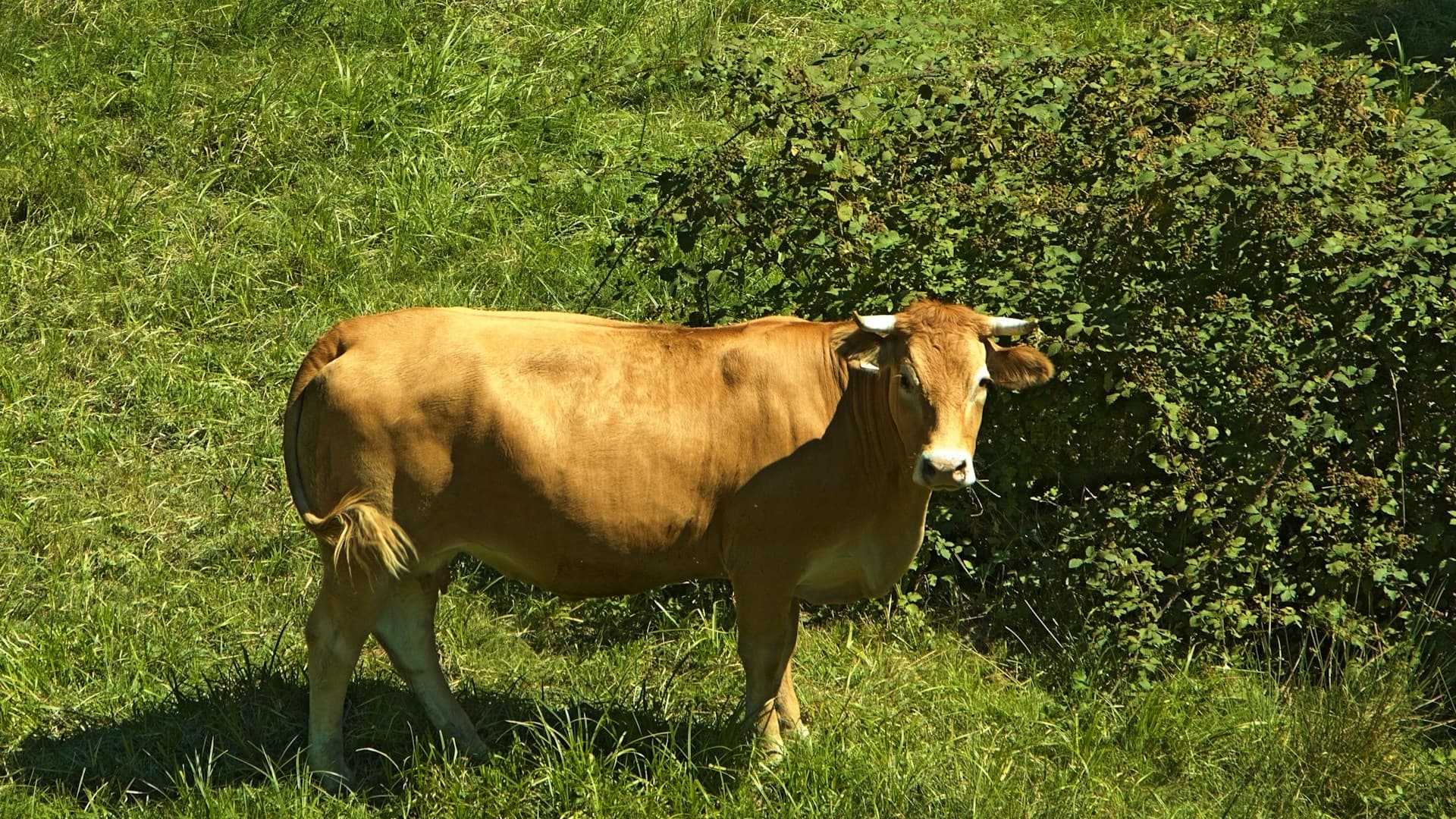
Ruminant meats (Beef, Lamb, Bison, Venison)
These meats form the nutrient-dense foundation of the diet. They provide the best ratio of protein to fat and are rich in bioavailable micronutrients.
I recommend prioritizing fatty cuts like ribeye, chuck roast, and ground beef. Aim for 80/20 or fattier blends to compensate for the lack of dairy fat in your meals.
Pork, poultry, and eggs
These serve as excellent secondary options to keep your meals interesting. Pork belly and bacon are particularly useful for keeping your fat intake high.
While eggs are technically dairy-free, they are a common allergen for some people. I suggest monitoring your tolerance to eggs if your symptoms do not improve.
Chicken and turkey are leaner meats, so they often require added fat to be satisfying. Always cook them with plenty of lard or tallow.
Seafood and fish
Including seafood provides essential Omega-3 fatty acids that support brain health. Fatty fish like salmon, mackerel, and sardines are the best choices.
Shrimp and shellfish offer good variety and trace minerals like iodine. Be sure to cook them in animal fat rather than butter to stay compliant.
Foods to strictly avoid
It is crucial to be ruthless when clearing out your fridge. Even small amounts of dairy can trigger inflammation in sensitive individuals.
| Food Category | Status |
|---|---|
Milk (Cow, Goat, Sheep) | NO |
Hard Cheese (Cheddar, Parmesan) | NO |
Soft Cheese (Brie, Mozzarella) | NO |
Butter & Ghee | NO |
Heavy Cream & Yogurt | NO |
Whey Protein Powder | NO |
The biggest challenge when removing butter and cheese is finding a new way to keep your fat intake high enough. This requires a shift in how you shop and cook.
How to source fat without butter or cheese
Dairy is the easiest fat source on a standard carnivore diet, so removing it requires a proactive strategy to maintain energy levels. You must replace the calories from butter and cheese with rendered animal fats or fatty cuts.
Without these replacements, you risk low energy and hunger. Learning to source and use other animal fats is a critical skill.
Planning high-fat meals
Transitioning away from dairy often leaves a void in meal planning, as you can no longer rely on cheese for easy calories. I find that tracking macro ratios becomes essential during this phase to prevent under-eating.
Tools like Carnimeat can significantly simplify this process by offering personalized plans and recipes. Their trackers help ensure you hit your fat goals without dairy. [Learn more](https://www.carnimeat.com/).
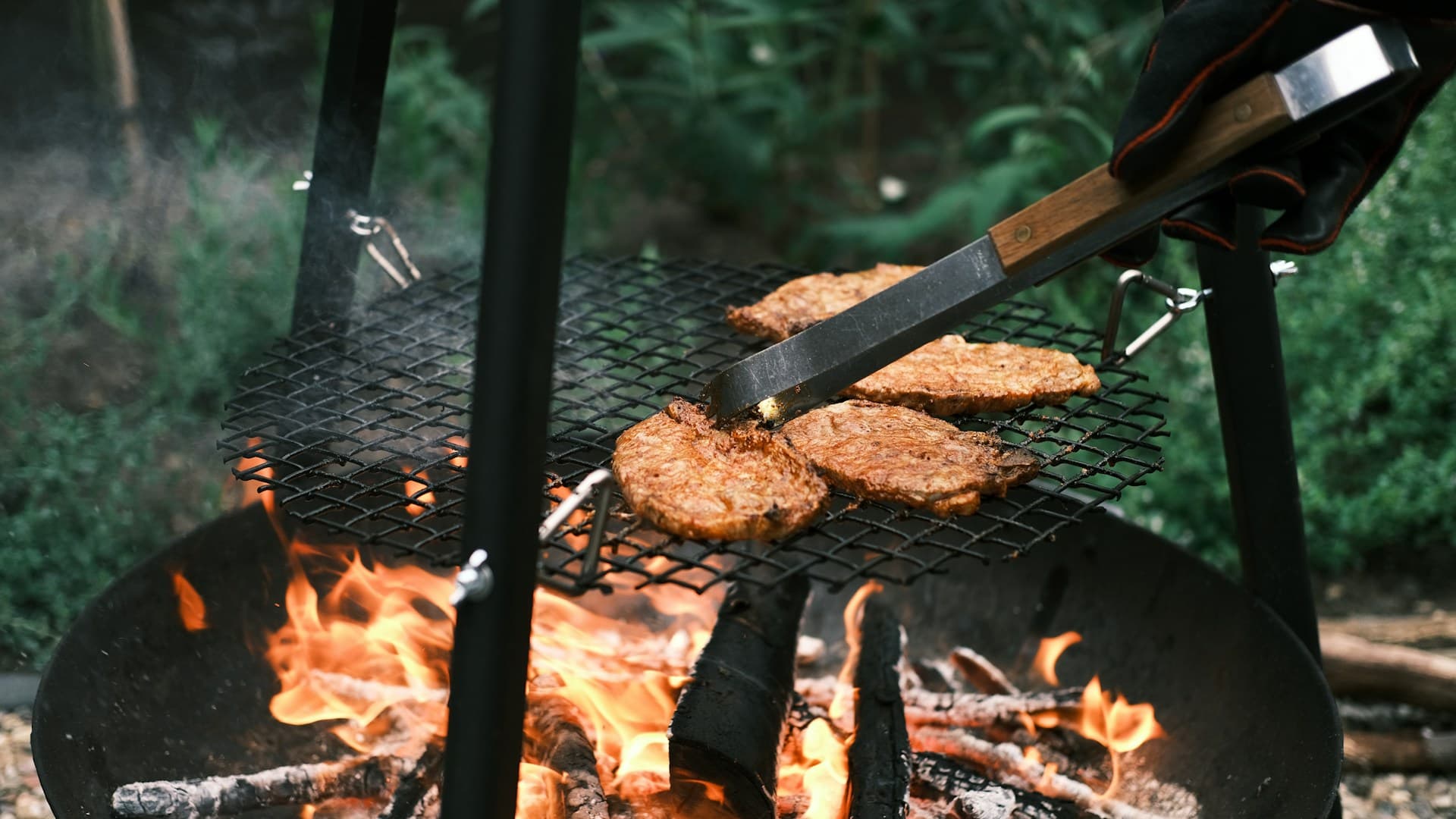
Rendering your own tallow and lard
Beef tallow and pork lard are your new staples for cooking and topping meals. They have high smoke points, making them perfect for searing steaks.
These fats provide the necessary satiety signals that tell your brain you have eaten enough. You can make them at home or buy high-quality versions online.
Eating fat trimmings and suet
I suggest asking butchers for 'fat trimmings' or buying suet to supplement your meals. When air-fried or pan-seared until crispy, these trimmings become a delicious snack.
They serve as a direct replacement for cheese snacks and provide pure energy. Suet is particularly high in stearic acid, which helps with satiety.
Choosing naturally fatty cuts
Avoid buying lean muscle meat unless you plan to add significant amounts of fat. Instead, look for cuts where the fat is intrinsic to the meat.
Brisket points, pork belly, and ribeyes are excellent choices. The marbling in these cuts reduces the need to add external fat sources.
Using bacon grease responsibly
Save your bacon grease; it is a flavorful cooking medium that adds depth to eggs and lean meats. I keep a glass jar of high-quality, nitrate-free bacon grease in the fridge.
It adds a savory complexity that you might miss from butter. Just be mindful of the salt content if you are watching your sodium intake.
Putting this into practice requires a bit of planning to ensure meals aren't dry or bland. A solid plan helps navigate the first few days.
3-Day dairy free carnivore meal plan
This sample plan focuses on high satiety and simplicity. Adjust portion sizes based on your hunger signals—eat until you are comfortably stuffed.
The goal is to keep insulin low while providing ample energy. Do not worry about calories; focus on fat and protein.
Day 1: The transition day
1. Breakfast — 3-4 eggs fried in bacon grease with a side of bacon.
2. Lunch — Cold sliced roast beef with salt.
3. Dinner — Ribeye steak cooked in tallow with reserved pan juices poured over top.
2. Lunch — Cold sliced roast beef with salt.
3. Dinner — Ribeye steak cooked in tallow with reserved pan juices poured over top.
This day mimics a standard diet but swaps the cooking fats. The pan juices provide moisture usually added by butter.
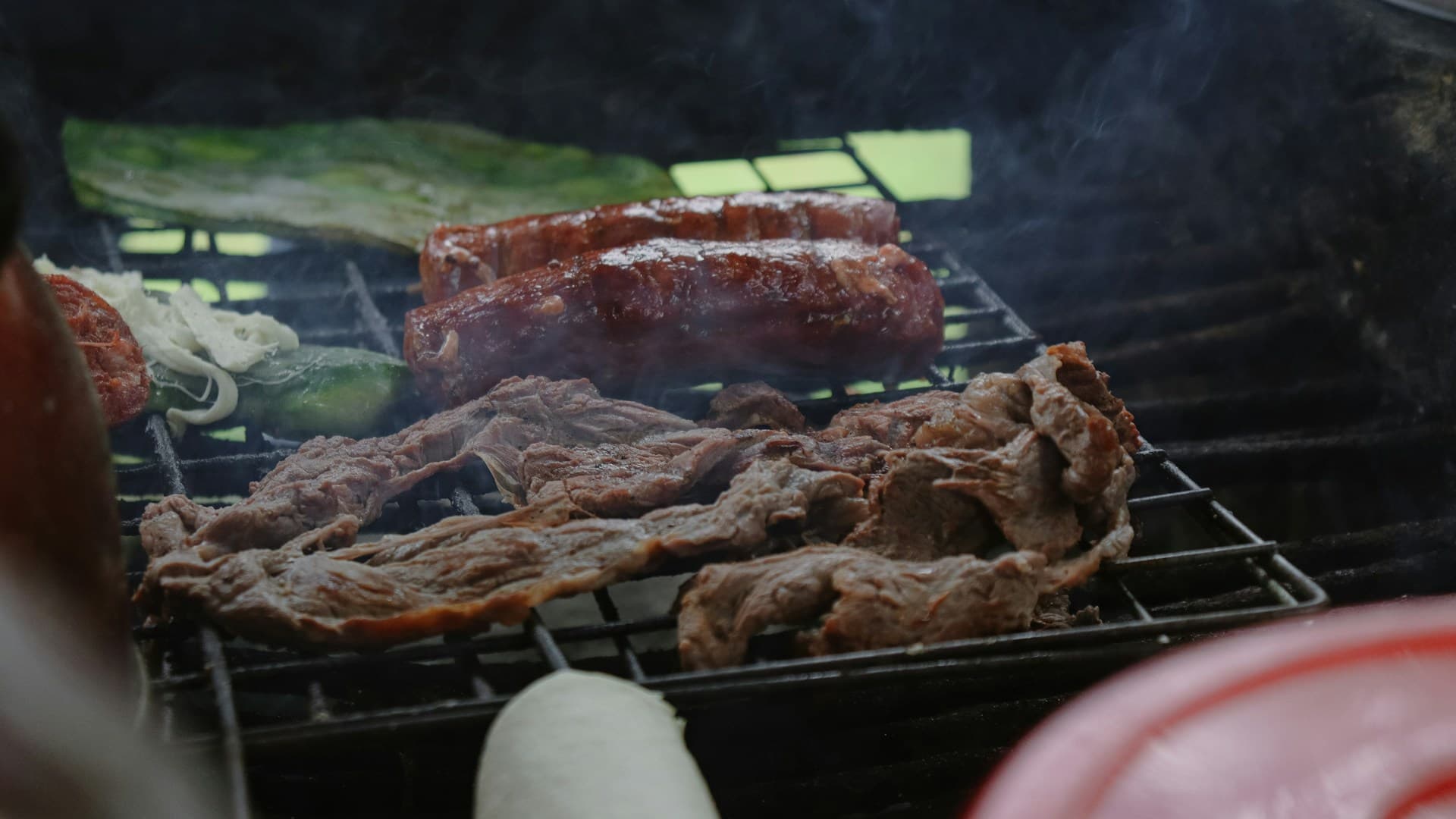
Day 2: Focusing on affordable cuts
1. Breakfast — Ground beef scramble (no cheese) with salt.
2. Lunch — Canned sardines or mackerel (in water).
3. Dinner — Slow-cooked chuck roast with the fat cap left on.
2. Lunch — Canned sardines or mackerel (in water).
3. Dinner — Slow-cooked chuck roast with the fat cap left on.
Ground beef allows you to easily mix in added tallow if the meat is too lean. The fatty fish at lunch boosts your omega-3 intake.
Day 3: Introducing variety
1. Breakfast — Leftover chuck roast or skipping breakfast (intermittent fasting).
2. Lunch — Pork belly strips air-fried until crispy.
3. Dinner — Lamb chops or burger patties topped with a soft-fried egg.
2. Lunch — Pork belly strips air-fried until crispy.
3. Dinner — Lamb chops or burger patties topped with a soft-fried egg.
The runny yolk from the soft-fried egg acts as a natural sauce. Pork belly is incredibly satiating and helps keep energy high.
While food is the main focus, removing dairy impacts your electrolyte balance and calcium sources. You may need to adjust your supplementation strategy.
Managing calcium and electrolytes without dairy
A common concern is where to get calcium if milk and cheese are off the table. In reality, nutrient absorption rates change in the absence of plant anti-nutrients.
Your body becomes more efficient at utilizing the minerals present in meat. However, awareness is key.
Do you need calcium supplements?
Without phytates and oxalates from plants binding to minerals, your calcium requirements may be lower than standard guidelines suggest. Research indicates that animal-based calcium is highly bioavailable.
If you are concerned, consider eating the soft bone ends from chicken or sardines. Bone meal supplements are another option, though most long-term carnivores do fine without massive supplementation.
Balancing sodium and magnesium
When you remove dairy carbs, your body excretes more water and electrolytes, which can lead to the 'keto flu'. This is often mistaken for hunger or low blood sugar.
I emphasize salting food liberally to replace lost sodium. If muscle cramps occur, adding magnesium glycinate can provide relief and improve sleep.
Before you start, be aware of the common pitfalls that cause people to quit this specific variation of the diet. Knowing them ahead of time protects your progress.
Common mistakes when ditching dairy
Transitioning from standard carnivore (or a standard diet) to dairy-free carnivore has specific stumbling blocks. Avoid these errors to ensure a smooth adaptation.
Preparation is your best defense against slipping back into old habits. Small oversights can reset your progress.
Undereating due to lack of variety
The 'boredom' factor can be real when cheese is removed from the menu. Relying on plain ground beef can make the diet feel restrictive and unsustainable.
I advise varying textures—crispy, slow-cooked, seared—rather than relying on flavors to keep your appetite healthy. Texture variety keeps meals interesting.
Relying on 'lactose-free' products
Using lactose-free milk or cheese is a trap if your goal is gut healing. While the sugar is removed, the inflammatory proteins (casein) are still present.
These proteins can still trigger the immune system and prevent the deep healing you are seeking. It is best to stick to whole animal foods.
Cooking with butter out of habit
It is surprisingly easy to mindlessly throw a knob of butter in the pan out of habit. This small amount can be enough to stall progress for sensitive individuals.
I suggest clearing the fridge of dairy completely to remove temptation during the first 30 days. Replace your butter dish with a jar of tallow.
Now that we have covered the basics, let's address some frequent questions about specific foods and results.
FAQ
Can I have ghee on a dairy free carnivore diet?
Technically, ghee is clarified butter with milk solids removed, but trace proteins often remain. If you are healing a severe autoimmune condition, I recommend avoiding it for the first 30 days before testing tolerance.
How do I get enough fat without butter?
Focus on rendered animal fats like tallow, lard, and duck fat for cooking. Eat naturally fatty cuts like ribeye and pork belly, and consume the fat trimmings from your meat.
Will I lose weight faster without dairy?
Many people experience a 'whoosh' of weight loss after cutting dairy due to reduced inflammation and insulin levels. Removing cheese also eliminates a common source of calorie overconsumption.
Is goat cheese acceptable?
No, goat cheese still contains casein, although it is a different variant (A2) than cow's milk. For a strict dairy-free elimination period, all animal milks and cheeses must be avoided.
Related Articles

no.Diet Review: How Its Personalized Mediterranean Plans Boosted My Energy and Glucose Control
Nutrition5 min read
Carnimeal Review: How the 1-Minute Quiz and Custom Named Book Delivered Steady Fat Loss
Nutrition5 min read

Probiotic Diet Review: How This Gut-Focused App Reduced My Bloating And Boosted Energy In 6 Weeks
Nutrition5 min read

No More Diet Review: How Personalized Mediterranean Habits and Short Workouts Delivered 33% Aerobic Capacity Gains in 10 Weeks
Nutrition5 min read

Asian Diet Review: How I Lost 11lbs In 7 Weeks With 15-Minute Workouts And Personalized Asian Recipes
Nutrition5 min read

Blood Diet Review: Evidence on 30-Day Energy Gains and Sustainable Weight Loss
Nutrition5 min read
Comments
(0)Leave a comment
Your email will not be published. All fields are required.