Get personalized meal plans and trackers for your carnivore journey.
Explore Carnimeat options
Carnivore Diet Ulcerative Colitis Guide: Can an All-Meat Diet Heal the Gut?
By: Healthtime Editorial
Fact checked by: QA Team
Updated on: July 11, 2026
0
1320
7 min
In this article
- Why the Carnivore Diet Impacts Ulcerative Colitis
- Key Differences at a Glance: Carnivore vs. Standard Advice
- Potential Benefits for Colitis Sufferers
- How to Start the Carnivore Diet with Ulcerative Colitis
- Navigating Food Choices: What to Eat and Avoid
- Medical Considerations and Monitoring
- FAQ
- Conclusion

The short answer is yes; for many people, an all-meat diet acts as a powerful elimination protocol that can induce remission. By removing fibre and plant toxins, the gut gets a chance to heal.
Living with ulcerative colitis often means navigating a maze of dietary restrictions and conflicting advice. This guide explores the carnivore diet ulcerative colitis connection and how it might help you.
We will cover the biological mechanisms of gut healing, how to transition safely, and what medical markers to track.
Why the Carnivore Diet Impacts Ulcerative Colitis
The primary mechanism behind this diet’s success in IBD cases is its function as the ultimate elimination protocol. By removing all fermentable substrates and potential plant toxins, the gut is given a unique opportunity to repair the mucosal lining without constant irritation.
The Role of Zero Fiber in Bowel Rest
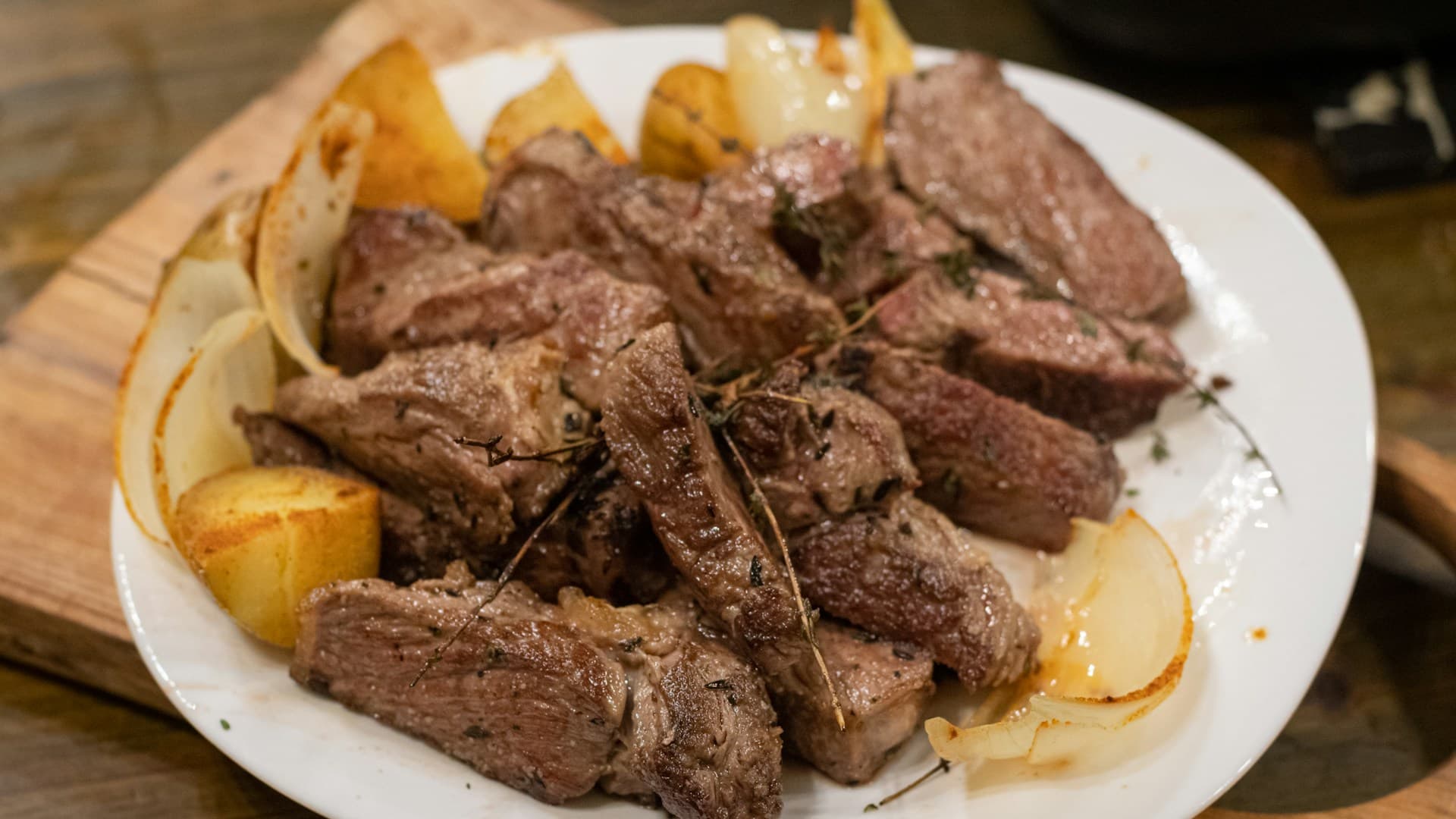
Eliminating fibre reduces mechanical abrasion in the inflamed colon to facilitate 'bowel rest'. Fibre is often touted as essential for gut health, but for an inflamed colon, it can act like sandpaper on an open wound.
I often explain that removing roughage allows the epithelial layer to regenerate without physical interference. Unlike high-fibre diets that bulk stool, a zero-fibre approach drastically lowers stool volume.
Many people report reducing bowel movement frequency from over 10 times daily to just 1–2 times. This massive reduction in frequency provides the colon with long periods of dormancy, which is crucial for healing.
Eliminating Plant Antinutrients and Irritants
Plant foods contain compounds that can compromise the gut barrier, specifically lectins, oxalates, and phytates. These 'antinutrients' are a plant's natural defence mechanism, but they can trigger inflammation in a compromised gut.
For example, avoiding skins and seeds prevents physical irritation and chemical attacks on the gut lining. This allows the immune system to downregulate autoimmune attacks that are characteristic of colitis.
Without these daily assaults, the tight junctions in the intestine can begin to seal. This process helps resolve 'leaky gut', stopping the translocation of bacteria into the bloodstream.
Ketosis and Inflammation Reduction
The metabolic shift to ketosis produces profound anti-inflammatory effects on the gut mucosa. When you restrict carbohydrates, your body produces ketone bodies like beta-hydroxybutyrate (BHB).
BHB acts as a signalling molecule that blocks the NLRP3 inflammasome, a key driver of inflammation. This reduction is often measurable within the first 3–5 days of strict carbohydrate restriction.
While the mechanism makes sense biologically, it is helpful to see how this differs from the standard dietary advice given to patients.
Key Differences at a Glance: Carnivore vs. Standard Advice
Standard IBD care often recommends a 'low residue' diet that still includes processed grains and sugars, which may feed dysbiosis. The carnivore approach is distinct because it prioritizes nutrient density while strictly avoiding inflammatory triggers.
Standard Low-Residue vs. Carnivore Diet
Below is a comparison of how these two approaches impact digestion and recovery.
| Comparison Criteria | Standard Low-Residue | Carnivore Diet |
|---|---|---|
Fibre Content | Low (10-15g) | Zero (0g) |
Primary Fuel Source | Glucose/Carbs | Fat/Ketones |
Allowed Foods | White bread, pasta, lean meat | Red meat, animal fat, salt |
Sugar/Carb Intake | Moderate to High | Near Zero |
Expected Stool Volume | Moderate | Very Low |
Why Conventional Advice May Fall Short
Common BRAT diet items like toast, crackers, and applesauce can still trigger symptoms due to gluten, blood sugar spikes, or fermentation. These foods might be low in fibre, but they are high in fermentable carbohydrates.
Fermentation in the gut produces gas, which causes distension and pain in an ulcerated colon. In contrast, meat is approximately 95% absorbed in the small intestine.
This high absorption rate leaves minimal residue to irritate the colon. Understanding these differences highlights why many seek this alternative path for specific symptom relief.
Potential Benefits for Colitis Sufferers
For those who respond well to the diet, the changes are often rapid and tangible. Subjective improvements in quality of life are frequently supported by stabilization in weight and energy.
Streamlining Your Recovery
Managing a strict diet while dealing with a chronic condition requires organization and consistency. I find that using digital tools helps people stick to the protocol without decision fatigue.
Applications like Carnimeat are valuable for accessing personalized plans and tracking water and step counts. You can use Carnimeat to simplify your daily routine with over 500 compliant recipes.
Drastic Reduction in Bowel Movement Frequency
The immediate impact of high absorption rates on bathroom urgency is one of the most relieved symptoms. Without plant matter to bulk stool, waste production drops significantly.
Many people experience relief from urgency within the first week of strict adherence. This reduction allows you to leave the house without the constant fear of needing a restroom.
Enhanced Nutrient Absorption and Weight Maintenance
IBD-related malabsorption often leads to severe weight loss and deficiencies. Animal products provide bioavailable heme iron, B12, and zinc, which are crucial for tissue repair.
It is worth noting that 100g of red meat provides far more absorbable iron than spinach. This nutrient density helps individuals regain muscle mass and strength that may have been lost during flares.
Mental Clarity and Reduced Fatigue
Gut healing is directly connected to reduced systemic inflammation and the lifting of 'brain fog'. When you stabilize blood glucose, you avoid the post-meal crash common with carbohydrate-heavy meals.
Improved energy levels allow you to function better throughout the day and handle stress more effectively. To achieve these results, however, the transition must be handled carefully to avoid shocking a sensitive digestive system.
How to Start the Carnivore Diet with Ulcerative Colitis
Starting this protocol when your digestion is already compromised requires a strategic approach. It is best to simplify variables to identify exactly what your body can tolerate.
The Lion Diet (Beef, Salt, Water)
I recommend the strictest baseline: consume only ruminant meat (beef or lamb), salt, and water for at least 30 days. This version of the diet, often called the Lion Diet, acts as a true elimination phase.
This ensures zero allergens are present before you attempt any reintroductions. It provides the clearest data on whether diet is a primary trigger for your symptoms.
1. Strict Adherence
Commit to eating nothing but ruminant meat, salt, and water. No coffee, no tea, and no seasonings other than salt.
2. Evaluation Window
Maintain this protocol for 30 days. Monitor your symptoms daily to track improvements in pain and frequency.
3. Slow Reintroduction
Only add other animal foods after symptoms have stabilized. Introduce one new food every four days.
Managing the Transition and Electrolytes
The 'keto flu' is caused by rapid fluid loss as insulin levels drop. You must use aggressive electrolyte support to prevent cramping and fatigue during this period.
Targeting 3000–5000mg of sodium daily during the adaptation week is often necessary. Salting your food heavily or taking salt shots with water can mitigate headaches and lethargy.
Adjusting Fat Ratios to Avoid Urgency
There is a risk of rendered (liquid) fat causing loose stools, which can be mistaken for a flare. Eating cold or solid fats initially helps prevent this issue.
I advise moderating intake by trimming visible fat until the gallbladder upregulates bile production. Once adapted, you can slowly increase fat intake to maintain energy levels.
Texture Modification for Severe Flares
For those with severe symptoms, tough steaks may be difficult to digest mechanically. Consuming ground beef or slow-cooked meats that fall apart easily is a practical solution.
You might even consider blending meat temporarily to reduce mechanical stress on the gut. Once the baseline is established, you can navigate which specific animal foods work best for your unique biology.
Navigating Food Choices: What to Eat and Avoid
Not all animal products are created equal, especially for a damaged colon. Some foods that are 'carnivore friendly' may still trigger an immune response in sensitive UC sufferers.
Best Meats for Digestion
Prioritize ruminant animals like beef, lamb, and bison over monogastric ones like pork and chicken. Ruminant meat has better Omega-3:6 ratios and lower inflammatory potential.
While grass-finished beef is ideal for its nutrient profile, conventional beef is still superior to plant-based triggers. Focus on fatty cuts like ribeye or ground beef for sustained energy.
The Debate on Eggs and Dairy
Eggs, especially the whites, and dairy proteins like casein and whey are common immunological triggers. I recommend removing them strictly for the first 4–6 weeks of the protocol.
After the elimination phase, reintroduce them one at a time to test for reactions. If bloating or urgency returns, exclude them permanently.
Bone Broth: Healing or Histamine Trigger?
While collagen is healing, long-cooked bone broth is high in histamines which can flare some individuals. Histamine intolerance is common in those with gut damage.
I suggest using 'meat stock' which is cooked for less than 3 hours. This provides soothing nutrients without the high histamine load of traditional 24-hour broths.
Seafood and Omega-3 Considerations
Omega-3 fatty acids in fish like salmon or sardines play a strong anti-inflammatory role. Including seafood 1–2 times a week can support the resolution of inflammation.
However, be wary of canned versions with additives or oils that might irritate the gut. Diet is the foundation, but objective medical data is the only way to verify that healing is actually occurring.
Medical Considerations and Monitoring
While feeling better is the goal, relying solely on symptoms can be misleading in IBD. It is vital to partner with your gastroenterologist to track objective markers of disease activity.
Tracking Inflammation Markers
Essential labs to monitor include Fecal Calprotectin, which is specific to gut inflammation, and CRP. True remission is defined by these markers returning to normal ranges, not just the absence of pain.
Regular testing allows you to adjust the diet precisely. If symptoms improve but markers remain high, deeper investigation is needed.
Understanding Lipid Changes
You may experience an increase in LDL cholesterol, which is a common metabolic shift when burning fat for fuel. Discuss 'Lean Mass Hyper-Responder' phenotypes with your doctor if LDL exceeds standard reference ranges.
Context matters when interpreting lipid panels in the absence of systemic inflammation. Always look at the full picture of your metabolic health.
Finally, know when to seek care. Red flags include increasing blood in stool, severe dehydration, or unmanageable pain; while diet is powerful, medication may still be necessary for some to induce remission.
FAQ
Can I drink coffee on the carnivore diet with ulcerative colitis?
Coffee is a seed extract and acts as a gut irritant for many. I recommend removing it completely during the healing phase to minimize inflammation.
Will I get scurvy eating only meat?
Fresh meat contains sufficient vitamin C to prevent scurvy, especially when not competing with glucose for absorption. Organ meats like liver are particularly rich sources.
How long does it take to see results?
Many people report symptom relief within the first 3 to 7 days. However, deep mucosal healing can take several months of strict adherence.
Is this diet permanent?
For some, it becomes a permanent lifestyle due to the benefits. Others use it as a tool to induce remission before reintroducing a limited range of tolerated foods.
Conclusion
The carnivore diet offers a compelling approach for managing ulcerative colitis by providing maximum nutrition with minimum irritation. By adhering to a strict elimination protocol, you give your gut the best possible environment to heal.
Always monitor your progress with objective medical data and adjust as needed. If you are ready to take control of your digestive health, consider starting your elimination phase today.
Related Articles

no.Diet Review: How Its Personalized Mediterranean Plans Boosted My Energy and Glucose Control
Nutrition5 min read
Carnimeal Review: How the 1-Minute Quiz and Custom Named Book Delivered Steady Fat Loss
Nutrition5 min read
Probiotic Diet Review: How This Gut-Focused App Reduced My Bloating And Boosted Energy In 6 Weeks
Nutrition5 min read
No More Diet Review: How Personalized Mediterranean Habits and Short Workouts Delivered 33% Aerobic Capacity Gains in 10 Weeks
Nutrition5 min read
Asian Diet Review: How I Lost 11lbs In 7 Weeks With 15-Minute Workouts And Personalized Asian Recipes
Nutrition5 min read

Blood Diet Review: Evidence on 30-Day Energy Gains and Sustainable Weight Loss
Nutrition5 min read
Comments
(0)Leave a comment
Your email will not be published. All fields are required.