Personalized carnivore meal plans and trackers
Try Carnimeat today
Carnivore BBQ Guide: Smoking and Grilling on an All-Meat Diet
By: Healthtime Editorial
Fact checked by: QA Team
Updated on: October 6, 2026
0
3783
8 min
In this article
- The Core Principles of Carnivore BBQ
- Key Differences at a Glance
- Best Meat Cuts for the Carnivore Diet
- Seasoning Strategies: Beyond the Sugar Rub
- Techniques for Smoking Without Sugar
- Carnivore Sauce Alternatives
- Animal-Based Sides to Complete the Feast
- FAQ

Traditional barbecue usually relies on thick, sugary glazes and complex spice rubs. This can make the transition to a meat-only lifestyle feel restrictive during grilling season.
However, you do not need sugar to create mouthwatering, tender smoked meats. By focusing on fat content and technique, carnivore bbq can rival any conventional cookout.
This guide covers the best cuts, seasoning strategies, and moisture techniques for strictly animal-based barbecue. I will show you how to master the pit without breaking your diet.
The Core Principles of Carnivore BBQ
Barbecue traditionally relies on the "three S's": sugar, spice, and sauce. Carnivore BBQ strips these away to celebrate the animal protein itself.
Understanding the shift from masking flavors to enhancing natural fats is the first step to success. You are not covering the meat; you are elevating it.
Defining Strict vs. 'Dirty' Carnivore BBQ
The carnivore spectrum defines what goes into your smoker. Strict carnivores use only meat, salt, and water.
"Dirty" or relaxed carnivores might allow garlic powder, onion powder, or black pepper in their rubs. However, sugar—including brown sugar, honey, and molasses—is the universal "no" here.
Why Fat is Your New Sauce
Since you aren't using sugary glazes to keep meat moist, you must rely on intramuscular fat and rendered tallow. This fat provides the silky mouthfeel usually achieved by thick sauces.
When you remove carbohydrates, dietary fat becomes your primary fuel source and flavor carrier. Choosing lean cuts and expecting them to stay juicy without sauce is a recipe for failure.
Now that the philosophy is clear, let's look at how this differs mechanically from the BBQ you grew up with.
Key Differences at a Glance
Here is a quick comparison of how carnivore BBQ differs from traditional backyard grilling. This will help you adjust your expectations and technique.
| Feature | Carnivore BBQ Approach |
|---|---|
Primary Seasoning | Salt (Strict) or Spices(Dirty) |
Moisture Source | Rendered Fat & Tallow |
Fuel Type | Wood & Charcoal (Same) |
Typical Sides | Eggs, Cheese, Pork Rinds |
Social Considerations
Handling BBQ invitations requires a bit of strategy. I recommend offering to bring a brisket so you can control the rub and ensure there is something you can eat.
If someone else is cooking, stick to the inside of the meat where the sugary bark hasn't penetrated. Planning ahead ensures you don't compromise your health goals for a social event.
With the differences established, the next priority is selecting cuts that thrive without sugar.
Best Meat Cuts for the Carnivore Diet
Lean cuts often dry out without the protection of sugary brines or sauces. Choosing cuts with high connective tissue and fat content is non-negotiable for this style of cooking.
I recommend focusing on cuts that naturally self-baste during the smoking process. This internal marbling is your best defense against dry meat.
Beef Brisket: The Holy Grail
Brisket is perfect for carnivores due to its high fat cap and extensive marbling. I advise leaving more fat on the cap than usual—specifically 1/4 to 1/2 inch.
This thicker layer renders down to ensure juicy results without the need for injection marinades. It acts as a natural shield against the heat of the smoker.
Beef Short Ribs (Dino Ribs)
Beef ribs are a rich, nutrient-dense option that many find more forgiving than brisket. They provide a massive dose of stearic acid, a satiating animal fat that fuels your body.
Finding high-quality ribs is essential for the best nutrient profile. I often use Carnimeat to find specific recipes and track the macro profiles of these heavier cuts.
Pork Belly and Bacon Burnt Ends
Pork belly is essentially a 'fat bomb' ideal for this lifestyle. You can cube it for burnt ends using just salt rather than the traditional BBQ sauce glaze.
The fat renders out to create crispy edges that mimic the texture of candied meat. It is a savory treat that requires zero sugar.
Lamb Shoulder
Lamb is an underrated BBQ meat with a high fat-to-protein ratio. It has a distinctive flavor that requires very little seasoning beyond salt.
The rich fat content keeps the meat moist even during long cook times. It pulls apart easily and offers a nice variety from beef.
Chicken Wings (with Skin)
Always keep the skin on chicken wings to maximize fat content. I suggest cooking methods that crisp the skin, such as a high-heat finish.
This makes them palatable and crunchy without any flour breading. The skin acts as the fat source for an otherwise lean protein.
After selecting your cut, you need to build flavor without reaching for the brown sugar jar.
Seasoning Strategies: Beyond the Sugar Rub
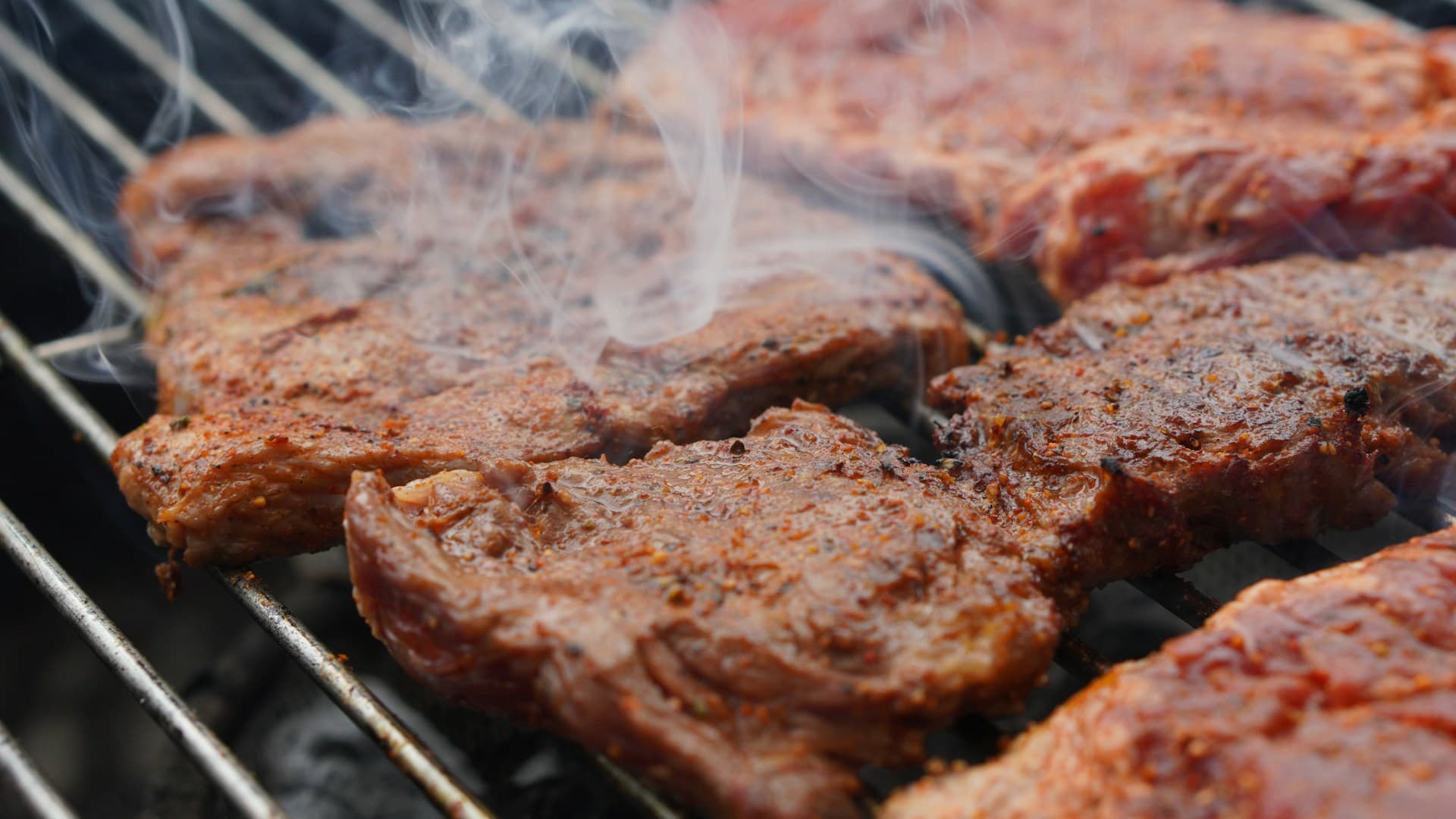
The 'bark' on BBQ meat usually comes from caramelized sugar. However, you can achieve a savory crust using salt and technique alone.
This approach highlights the true mineral taste of the meat. It allows the quality of the beef to shine through.
The Power of High-Quality Salt
Since salt is often the only seasoning, quality matters immensely. Kosher salt is excellent for adhering to meat, while coarse sea salt adds a finishing crunch.
I recommend using unrefined mineral salt for its trace electrolytes. These are vital for hydration on a carnivore diet.
Creating a 'Zero-Carb' Bark
Smoke, proteins, and salt react to form a pellicle, or crust, even without sugar. The resulting bark is crispier and savory rather than sticky and sweet.
Patience is key here, as you need sufficient airflow to dry the surface. This allows the smoke to adhere properly to the protein fibers.
Using Meat-Based Umami Boosters
For deeper flavor, try advanced tips like using dried, powdered bone broth in your rub. Some people even use powdered beef liver sparingly mixed with salt.
This enhances the savory depth of the rub without adding plant matter. It essentially doubles down on the meat flavor.
Seasoning sets the stage, but keeping the meat moist requires rethinking moisture management.
Techniques for Smoking Without Sugar
Cooking without sugar protects you from insulin spikes, but it also removes a protective barrier against heat. You must adjust your humidity and temperature control to compensate.
Without a glaze to seal the surface, the meat is more vulnerable to drying out. Precision becomes your most valuable tool.
Managing Moisture with Water Pans
A water pan in the smoker is crucial to keep the environment humid. This prevents the meat from drying out since there is no glaze to seal it.
The steam helps heat transfer more gently to the meat. It also helps the smoke particles stick to the surface.
The Carnivore Spritz
Replace apple juice or soda sprays with beef bone broth, salted water, or melted tallow. This adds flavor and moisture without adding fructose.
Spritzing every hour keeps the surface cool and prevents burning. Tallow sprays are particularly effective for adding surface fat.
Wrapping: The 'Texas Crutch' Modification
When the meat stalls, wrap it to speed up cooking and retain moisture.
1. Soak Paper — Use butcher paper soaked in tallow (beef fat) rather than dry paper.
1. Soak Paper — Use butcher paper soaked in tallow (beef fat) rather than dry paper.
2. Wrap Tight — Encase the meat fully to trap steam. This method adds healthy fats back into the muscle rather than steaming it in foil.
Resting and Holding
A long rest period is essential for redistributing juices. For carnivores, the rendered liquid fat in the resting pan is 'liquid gold'.
Always pour this accumulated fat back over the meat before serving. It ensures every bite is nutrient-dense and moist.
If dry meat is the enemy, then sauce is usually the hero—but most store-bought options are off-limits.
Carnivore Sauce Alternatives
You don't have to eat dry meat just because you can't eat High Fructose Corn Syrup. There are rich, animal-based alternatives that rival any sticky red sauce.
These sauces add necessary fat macros to leaner cuts. They focus on richness rather than sweetness.
Whipped Tallow and Butter
Try whipping soft butter or rendered beef tallow with salt until fluffy. Place a dollop on top of hot steaks or brisket.
It melts into a rich glaze that coats the mouth. This simple addition transforms a dry slice into a decadent bite.
Bone Marrow Drippings
Roast marrow bones alongside your meat in the smoker. Use the melted marrow as a decadent, nutrient-dense finishing sauce.
The flavor is intensely beefy and buttery. It is perhaps the most primal sauce you can create.
Carnivore Hollandaise
Create an emulsion of egg yolks and butter for a creamy texture. You can omit the lemon juice if strictly carnivore, or keep it if you are flexible.
This sauce pairs exceptionally well with lean meats like poultry. It boosts the fat-to-protein ratio significantly.
BBQ is rarely just about the main course; you'll need sides that fit the lifestyle.
Animal-Based Sides to Complete the Feast
Traditional coleslaw and potato salad are out, but that doesn't mean the plate has to look empty. There are high-protein sides that pair perfectly with smoked meats.
These options add texture and variety to your meal. They help break up the monotony of muscle meat.
Smoked Deviled Eggs
Hard-boil eggs and smoke them briefly to infuse flavor. Fill them with a rich yolk and bacon fat mixture for a classic BBQ side adapted for zero-carb.
Many people find these disappear faster than the meat. For new recipe variations, I browse Carnimeat to keep my side dish game interesting.
Crispy Pork Rinds
Pork rinds are a crunchy texture alternative to chips or cornbread. They can be dusted with salt and served as a vehicle for dips.
They satisfy the craving for something crisp. You can even crush them to use as a binder for meatballs.
Grilled Halloumi or Juustoleipä (Bread Cheese)
For those who tolerate dairy, grilling high-melting-point cheeses directly on the grate is a game changer. It creates a chewy, satisfying side dish.
The grill marks add a smoky flavor to the cheese. It feels like a substantial side rather than just a garnish.
Having the right sides makes the meal feel complete and sustainable long-term.
FAQ
Can I use wood smoke on a strict carnivore diet?
Yes, wood smoke is generally considered acceptable even for strict carnivores. It flavors the meat without adding ingestible plant matter or carbohydrates.
What charcoal is best for carnivore BBQ?
Lump charcoal is superior to briquettes because it contains no starch binders or chemical additives. It provides a cleaner burn and pure heat source.
Is store-bought sugar-free BBQ sauce okay?
It depends on your strictness, as many contain sweeteners like sucralose or plant-based thickeners. Strict carnivores typically avoid them in favor of animal fats.
How do I keep brisket moist without sugar?
Use a water pan, wrap with tallow-soaked paper during the stall, and rest the meat for at least an hour. Relying on the fat cap and intramuscular fat is key.
Related Articles
10 Foods Associated With Slower Biological Aging
Nutrition5 min read
8 Signs Your Gut Needs Help and How to Restore Balance Naturally
Nutrition5 min read

How Much Protein Do You Need to Build Muscle, Lose Fat, and Age Strong
Nutrition5 min read
High Diet App Review: What's Inside, What It Costs, and How To Manage It
Nutrition5 min read

Flame Diet App Review: What You Get, What It Costs, and How To Cancel
Nutrition5 min read

Senior Diet App Review: What's Included, What It Costs, and How To Cancel
Nutrition5 min read
Comments
(0)Leave a comment
Your email will not be published. All fields are required.