Get your personalized Mediterranean meal plan.
Try no.Diet today
Mediterranean Diet Oatmeal Cookies: A Heart-Healthy Guide
By: Healthtime Editorial
Fact checked by: QA Team
Updated on: October 8, 2026
0
9029
8 min
In this article
- What Makes a Cookie Mediterranean-Friendly?
- Essential Ingredients for Your Pantry
- How to Make Mediterranean Oatmeal Cookies
- Flavor Variations to Try
- Nutritional Benefits of This Swap
- Common Baking Mistakes to Avoid
- FAQ
- Conclusion

Many people believe that following a heart-healthy lifestyle means giving up their favorite baked goods entirely.
Fortunately, you do not have to sacrifice flavor to maintain your nutritional goals.
With a few intelligent swaps, you can bake delicious mediterranean diet oatmeal cookies that support your health.
This guide explains the science behind the ingredients and provides a step-by-step method for success.
I will also cover essential pantry staples and common baking pitfalls to avoid.
What Makes a Cookie Mediterranean-Friendly?
Traditional cookie recipes often rely heavily on ingredients that the Mediterranean lifestyle minimizes, such as saturated animal fats and processed sugars.
Adapting these treats involves shifting the nutritional focus toward plant-based fats and whole food ingredients.
The goal is not just to reduce calories, but to improve the quality of the calories you consume.
By incorporating nutrient-dense components, we transform a simple dessert into a source of sustained energy.
This approach prioritizes cardiovascular health without completely eliminating the joy of a sweet treat.
Swapping Butter for Healthy Oils
Replacing butter with Extra Virgin Olive Oil (EVOO) or avocado oil is a fundamental change that reduces saturated fat intake.
This swap increases the content of monounsaturated fats, which are known to support healthy cholesterol levels.
Many people worry that olive oil will make the cookies taste savory, but using a mild variety adds moisture without overpowering the flavor.
1. Conversion ratio — Use 3 tablespoons of olive oil for every 4 tablespoons of butter.
This specific ratio prevents the cookies from becoming greasy while maintaining a tender crumb.
Prioritizing Whole Grains
Refined white flour offers little nutritional value, so I recommend using whole rolled oats and whole wheat pastry flour instead.
Whole grains retain their bran and germ, providing essential fiber that helps regulate digestion.
The higher fiber content also lowers the glycemic index of the cookie, preventing rapid blood sugar spikes.
A good nutritional target is to aim for at least 3g of fiber per cookie.
This ensures that your snack contributes to your daily fiber intake rather than just being empty calories.
Rethinking Sweeteners
Moving away from white granulated sugar allows us to utilize natural sources like mashed bananas, honey, or maple syrup.
While these ingredients still contain sugar, they offer trace minerals and often have a lower glycemic impact than refined options.
Using fruit like bananas adds natural moisture and volume, which helps reduce the total amount of added sweetener needed.
However, it is important to remember that even natural sweeteners affect blood glucose levels.
Moderation remains essential for anyone managing diabetes or insulin sensitivity.
Essential Ingredients for Your Pantry
To achieve the perfect texture and flavor profile while sticking to your dietary goals, ingredient quality matters immensely.
These core components ensure your cookies are nutrient-dense and satisfying rather than dry or bland.
Stocking your kitchen with these staples makes it easier to whip up a healthy batch whenever cravings strike.
Let’s examine the specific items you need to get the best results.
Old-Fashioned Rolled Oats
Old-fashioned rolled oats are superior to instant oats for baking because they maintain their structure during the cooking process.
They provide a chewy texture that feels substantial and satisfying to eat.
Nutritionally, rolled oats retain more fiber and digest more slowly than their highly processed counterparts.
Using quick oats often results in a mushy cookie structure that lacks the necessary bite.
Extra Virgin Olive Oil
Selecting the right olive oil for baking is crucial, as its polyphenol content is a staple of the Mediterranean diet.
I advise using a bottle labeled 'delicate' or 'mild' intensity if you are serving these to picky eaters.
This ensures the fruity notes of the oil complement the oats without creating a savory aftertaste.
High-quality oil serves as the primary moisture source in this dairy-free approach.
Nuts and Seeds for Crunch
Mediterranean staples like walnuts, almonds, chia seeds, and flaxseeds are excellent additions for texture and nutrition.
These ingredients add plant-based protein and omega-3 fatty acids to your treat.
The added fat and protein make the cookie more satiating than a standard sugary dessert.
I suggest adding 1/2 cup of chopped nuts per batch for optimal crunch without ruining the binding.
Natural Flavor Enhancers
Ingredients like pure vanilla extract, cinnamon, nutmeg, and citrus zest add depth without adding sugar.
These spices are antioxidant-rich and can trick the palate into perceiving more sweetness than is actually present.
Cinnamon, in particular, has been shown to help manage blood sugar response.
Dried Fruit Add-Ins
Unsweetened dried fruits like raisins, chopped dates, or figs provide essential chewiness.
They offer natural fructose sweetness, which significantly reduces the need for added liquid sweeteners.
Always check the ingredient labels to ensure no added sulfites or extra sugars are present.
How to Make Mediterranean Oatmeal Cookies
Baking with liquid oils and liquid sweeteners requires a slightly different technique than the traditional creaming method used for butter and sugar.
The interaction between the oats and the moisture is critical for the final texture.
Follow these steps closely to ensure your cookies hold together and bake evenly.
Simplifying Your Meal Plan
Adopting a new way of eating often involves more than just finding a single good recipe.
To maintain consistency, I use digital tools like no.Diet to create personalized meal plans.
This platform helps structure your weekly nutrition, offering hundreds of recipes tailored to your specific body metrics.
For those new to this lifestyle, no.Diet simplifies the process by tracking water, weight, and fasting windows in one place.
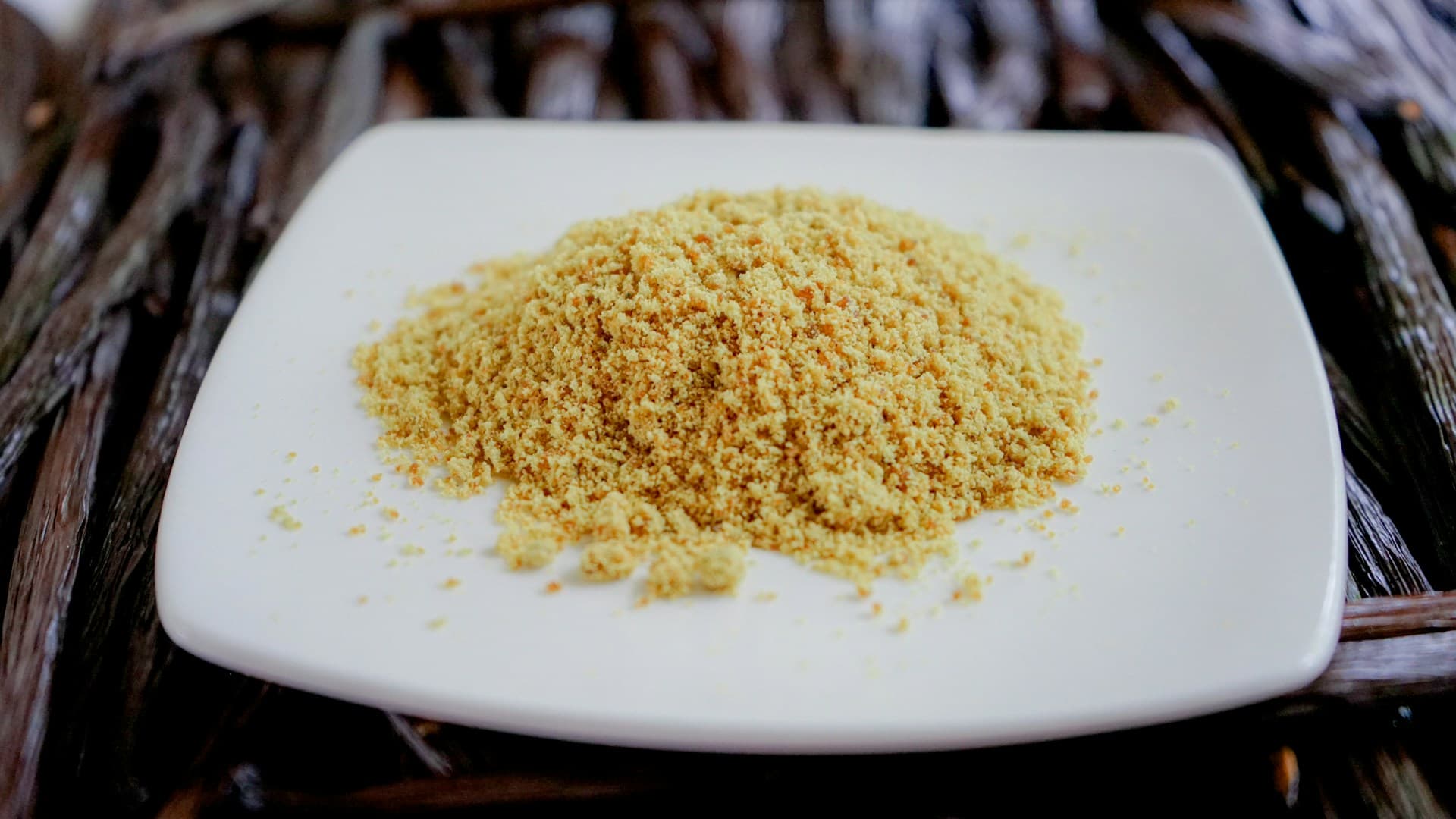
Mixing the Wet Ingredients
Start by whisking the olive oil with your chosen liquid sweetener, such as honey or maple syrup, and the egg.
If you are vegan, a flax egg works perfectly well in this stage.
Thorough emulsification is key since you are not creaming butter and sugar crystals together.
The mixture should look glossy and unified, which typically takes about 60 seconds of vigorous whisking.
Incorporating the Dry Mixture
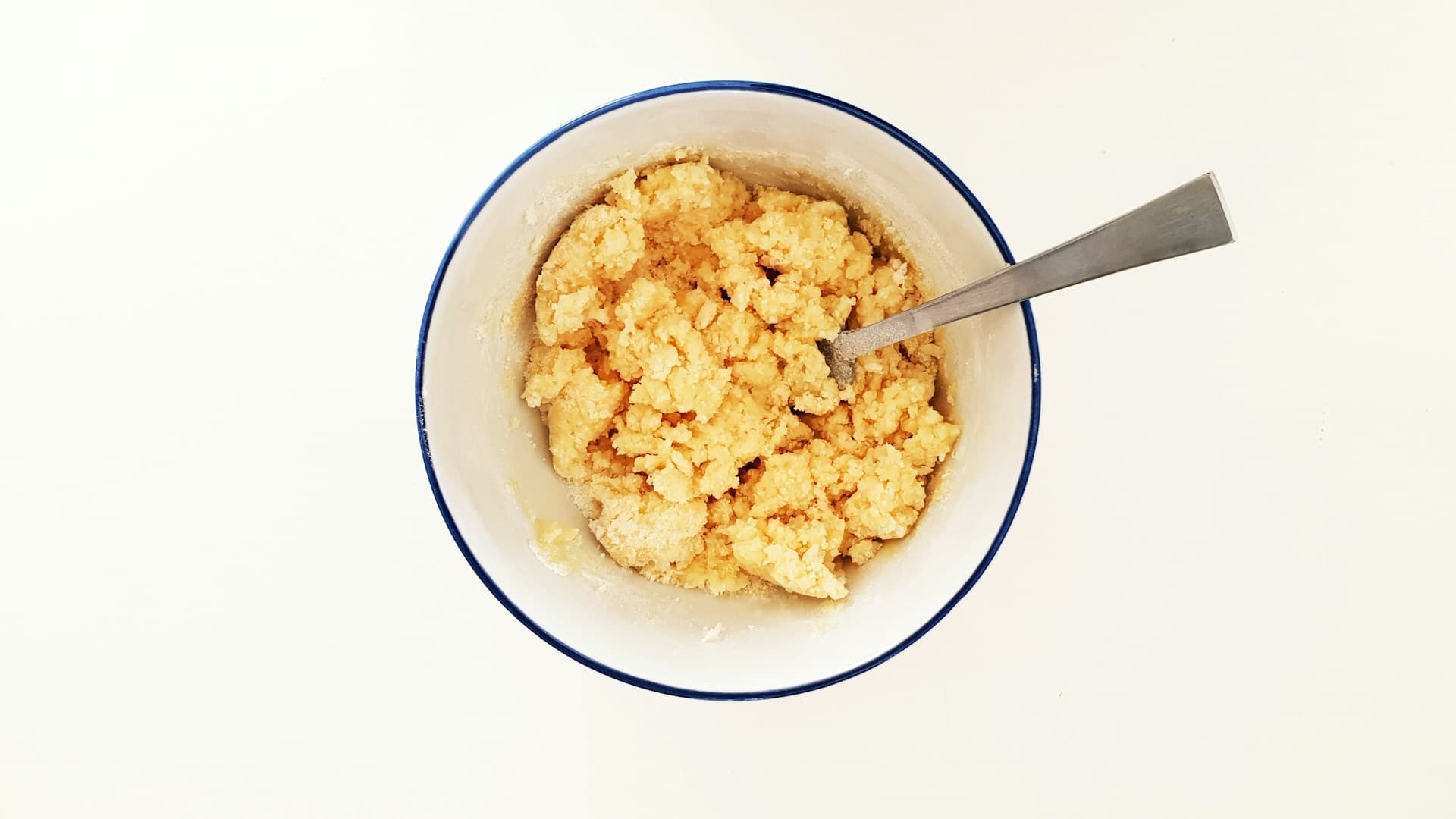
Gently fold in the oats, flour, baking soda, and any spices you are using.
It is vital not to overmix at this stage, as this can lead to tough cookies.
This is especially true when working with whole wheat flour, which develops gluten quickly.
I advise stopping as soon as the last streak of flour disappears from the bowl.
Managing Dough Consistency
You might notice that this dough feels stickier or oilier than standard cookie dough.
1. Crucial Step — Let the dough rest for 10–15 minutes before scooping.
This resting period allows the oats to absorb some of the moisture from the liquids.
This naturally thickens the mixture, making it much easier to handle.
Shaping and Baking Tips
Oil-based cookies do not spread as much as butter-based ones during baking.
You must scoop the dough and manually press the cookies down to about 1/2-inch thickness.
Bake them at 350°F (175°C) for approximately 10–12 minutes.
Look for visual cues for doneness, such as lightly golden edges, rather than waiting for the center to harden.
Cooling for Perfect Texture
The cooling process is perhaps the most important step for structural integrity.
Because they lack solid saturated fats, these cookies are very fragile when hot.
Let them cool on the baking sheet for at least 5 to 10 minutes.
Moving them too early will likely result in crumbling, but they will firm up nicely as they cool.
Flavor Variations to Try
The Mediterranean diet is famous for its variety and vibrant flavors, and your baking should be no exception.
These combinations keep your snacks interesting while boosting nutritional value.
You can customize the base recipe to suit whatever ingredients you have on hand.
Banana Nut Bread Style
This variation uses mashed overripe banana as the primary binder and sweetener.
I suggest adding chopped walnuts and extra cinnamon for a profile that mimics banana bread.
Note that this variation is often softer and more cake-like than the standard version.
Tahini and Honey
Tahini, or sesame paste, makes an excellent partial substitute for olive oil.
Its savory, nutty profile pairs perfectly with honey and oats while providing a calcium boost.
I recommend adding a swirl of tahini on top before baking for visual appeal.
Dark Chocolate and Sea Salt
For a richer treat, include dark chocolate chunks with a cocoa content of 70% or higher.
Dark chocolate is acceptable in moderation due to its high antioxidant content.
Contrasting this with flaky sea salt creates a sophisticated flavor profile that satisfies sweet-salty cravings.
Fig and Pistachio
This is a classic Mediterranean pairing that feels luxurious and authentic to the region.
Use chopped dried figs and shelled pistachios for the mix-ins.
Pistachios add a vibrant green pop of color and a unique texture that elevates the cookie.
Nutritional Benefits of This Swap
Making these simple ingredient substitutions does more than just cut calories; it changes how your body processes the treat.
Understanding these physiological effects can help you stay motivated on your health journey.
Here is why this shift is beneficial for metabolic health.
Heart Health and Monounsaturated Fats
Consuming olive oil and nuts instead of butter provides significant cardiovascular benefits.
These ingredients are rich in monounsaturated fats, which research links to better cholesterol ratios.
Specifically, they help lower LDL (bad) cholesterol while maintaining HDL (good) cholesterol.
I frame this as a proactive choice for heart health rather than just a dietary restriction.
Stable Blood Sugar Levels
The concept of glycemic load is central to why these cookies are superior to store-bought versions.
The fiber from oats and the protein from nuts work together to slow down sugar absorption.
This mechanism helps prevent the rapid energy crash often associated with regular cookies.
1. Outcome — You enjoy sustained energy rather than a sharp sugar spike.
Satiety and Portion Control
The nutrient density of ingredients like walnuts and oats makes them incredibly filling.
You are likely to feel satisfied after one or two cookies, unlike refined snacks that leave you craving more.
However, it is worth remembering that these healthy ingredients are still calorie-dense.
Mindful consumption is necessary to ensure you don't overshoot your daily energy needs.
Common Baking Mistakes to Avoid
Baking 'healthy' cookies can sometimes result in dry or bland textures if you aren't careful.
Since we are missing the emulsifying properties of butter, precision is key.
Watch out for these errors to ensure your batch turns out perfectly.
Overbaking the Batch
Oil-based cookies do not brown as heavily as butter cookies might before they are burnt.
Waiting for a deep golden color often results in a hard, dry cookie.
Pulling them out while they still look slightly underdone in the center is the secret to keeping them soft.
I suggest checking them at the 9-minute mark to be safe.
Using Instant Oats
As mentioned earlier, the texture of instant oats is problematic for this recipe.
They absorb moisture too quickly, often leading to a gummy or dry texture rather than a chewy one.
I strictly suggest avoiding '1-minute' oats for this specific recipe to ensure the best mouthfeel.
Skipping the Salt
Salt is a flavor potentiator, even in sweet recipes.
Without a pinch of salt (about 1/4 teaspoon), whole grain flours and oils can taste somewhat flat.
This small addition brings the sweetness of the fruit forward and balances the earthy notes of the oats.
Now that you know what to avoid, here are answers to some frequently asked questions.
FAQ
Can you eat cookies on the Mediterranean diet?
Yes, you can enjoy cookies in moderation if they are made with compliant ingredients.
The key is to use healthy fats like olive oil and whole grains instead of refined flour and butter.
Why use olive oil instead of butter in oatmeal cookies?
Olive oil is low in saturated fat and high in heart-healthy monounsaturated fats.
It keeps the cookies moist and adds a nutritional boost without the cholesterol found in butter.
Can I make these cookies gluten-free?
Absolutely, provided you use certified gluten-free rolled oats.
You can also swap the whole wheat flour for a gluten-free all-purpose flour blend or almond flour.
How should I store Mediterranean oatmeal cookies?
Store them in an airtight container at room temperature for up to three days.
Because they contain moist ingredients like fruit or maple syrup, they can also be frozen for longer storage.
Conclusion
Baking Mediterranean diet oatmeal cookies is a simple way to satisfy your sweet tooth while honoring your health goals.
By choosing quality ingredients like olive oil, oats, and nuts, you create a treat that nourishes your body.
Enjoy experimenting with different flavors and textures to find your perfect combination.
For more personalized guidance on integrating treats into a healthy lifestyle, check out no.Diet today.
Related Articles
10 Foods Associated With Slower Biological Aging
Nutrition5 min read
8 Signs Your Gut Needs Help and How to Restore Balance Naturally
Nutrition5 min read
How Much Protein Do You Need to Build Muscle, Lose Fat, and Age Strong
Nutrition5 min read
High Diet App Review: What's Inside, What It Costs, and How To Manage It
Nutrition5 min read

Flame Diet App Review: What You Get, What It Costs, and How To Cancel
Nutrition5 min read

Senior Diet App Review: What's Included, What It Costs, and How To Cancel
Nutrition5 min read
Comments
(0)Leave a comment
Your email will not be published. All fields are required.