Get your personalized Mediterranean meal plan.
Try no.Diet today
Mediterranean Diet Mexican Food Guide: How to Eat Tacos and Stay Healthy
By: Healthtime Editorial
Fact checked by: QA Team
Updated on: October 8, 2026
0
1989
8 min
In this article
- Why Mexican Cuisine Fits the Mediterranean Lifestyle
- Traditional Mexican vs. Mediterranean Guidelines: Key Differences at a Glance
- How to Mediterraneanize Your Mexican Favorites
- Strategies for Dining Out at Mexican Restaurants
- 3 Simple Mediterranean-Mexican Meal Ideas
- FAQ
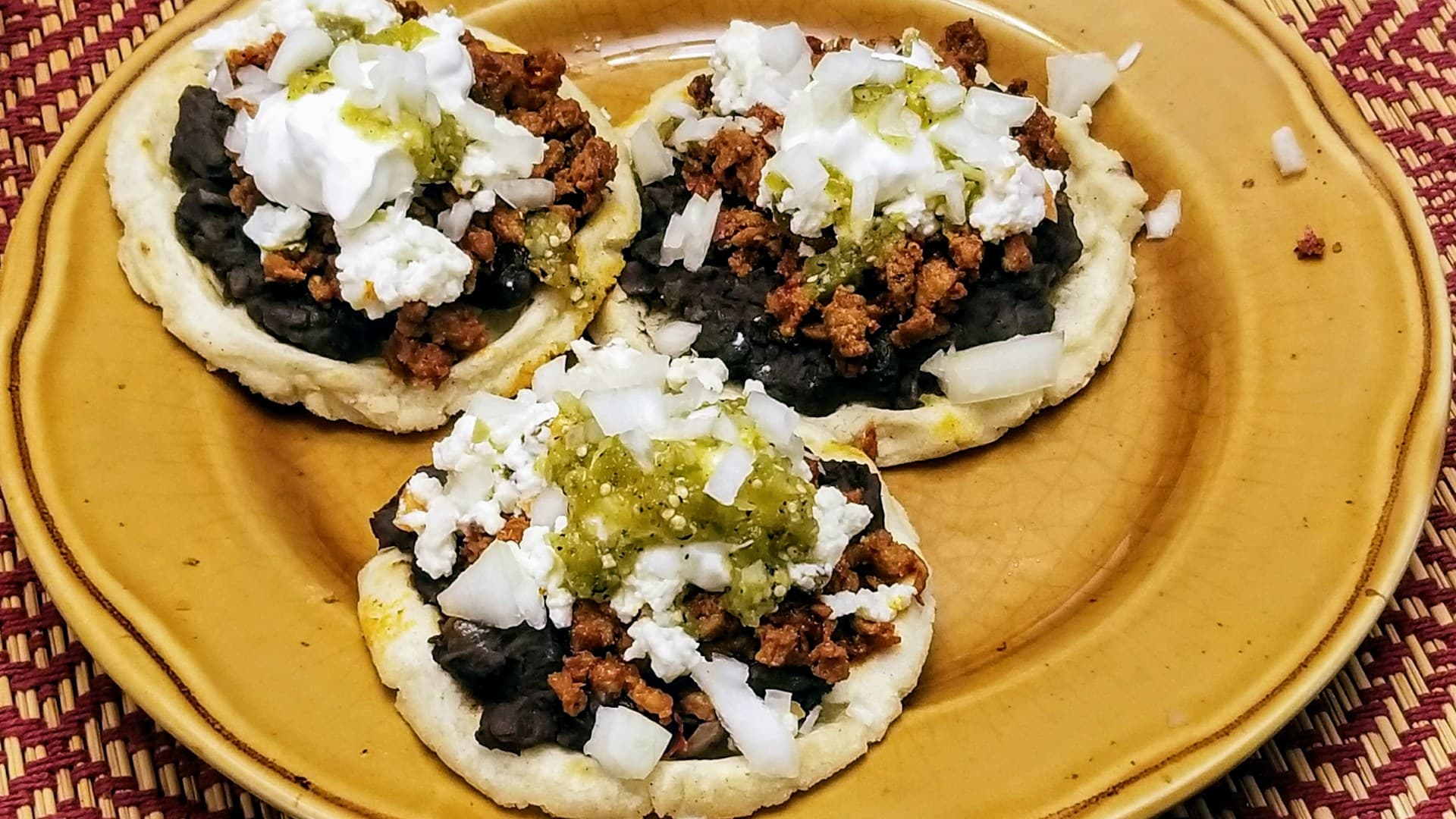
Can you enjoy tacos and enchiladas while following a heart-healthy lifestyle? The answer is a resounding yes, provided you focus on authentic ingredients.
Traditional Mexican cuisine aligns beautifully with Mediterranean principles thanks to its focus on fresh produce and healthy fats. It is largely the processed Americanized versions that create nutritional conflicts.
This guide explores how mediterranean diet mexican food works in practice. We will cover essential swaps, dining out strategies, and simple recipes to keep you on track.
Why Mexican Cuisine Fits the Mediterranean Lifestyle
Many people are surprised to learn that traditional Mexican cuisine shares the same foundation as the Mediterranean diet. Both culinary traditions emphasize plant-based foods, healthy fats, and lean proteins.
The conflict usually arises from 'Tex-Mex' interpretations heavy in yellow cheese and refined flour. When we strip away these additions, the core of the diet is remarkably healthy.
The Power of Legumes and Beans
Pinto and black beans serve as a primary source of fiber and protein in this cuisine. Since the Mediterranean diet emphasizes plant proteins, beans are a perfect fit for your daily intake.
Research highlights their ability to stabilize blood sugar and improve satiety. It is crucial to bold prepare them without lard, using olive or avocado oil instead to maintain heart health.
Avocados as a Primary Healthy Fat
Avocados serve the same function in Mexican cuisine that olive oil does in Italy or Greece. They provide essential monounsaturated fats that support cardiovascular health.
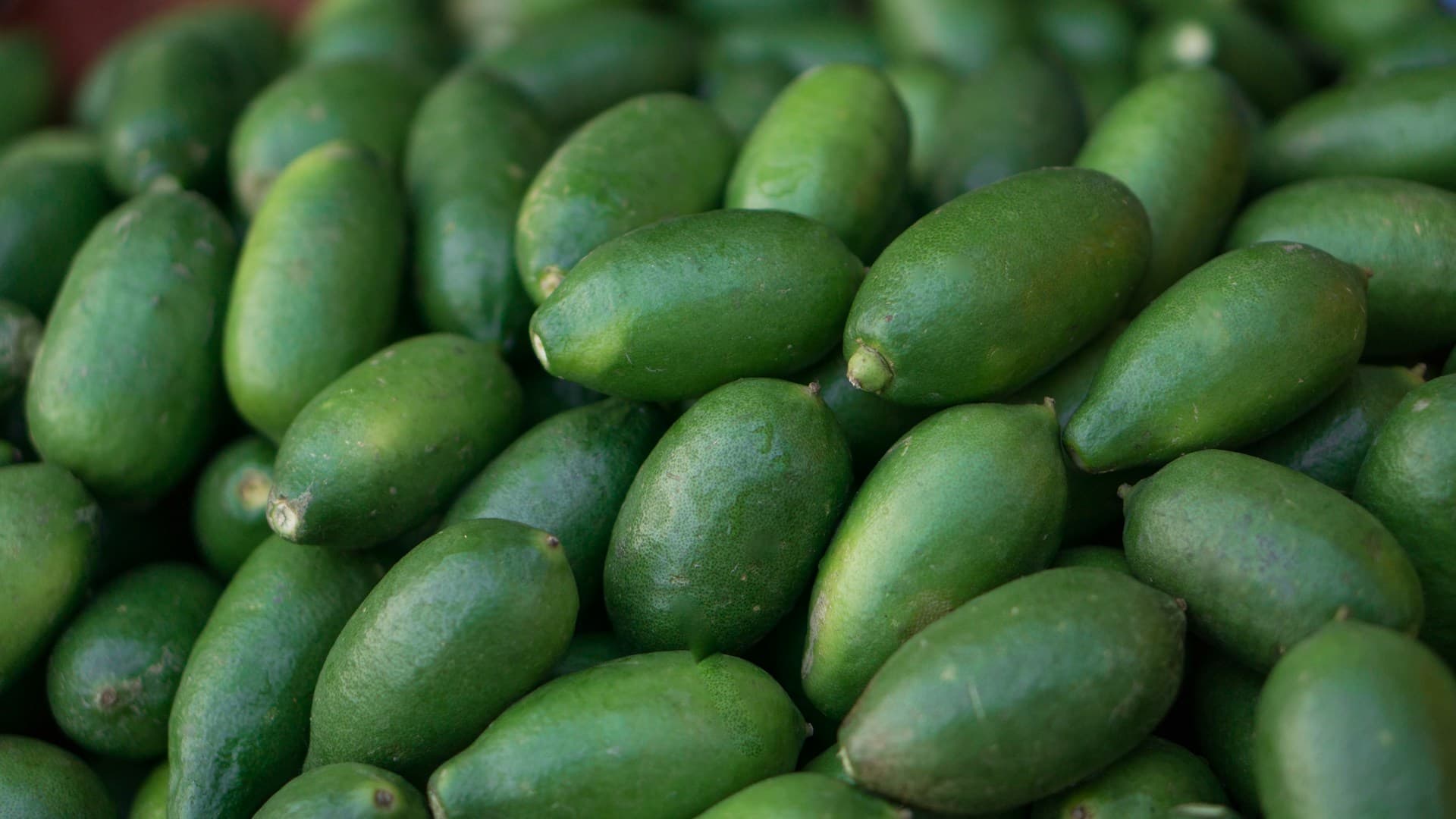
Guacamole is essentially a 'Mediterranean' dish when served with fresh vegetables rather than fried chips. I often suggest replacing sour cream with avocado to add creaminess without the saturated fat.
Antioxidant-Rich Spices and Produce
Common Mexican ingredients like cilantro, capsaicin from peppers, lime juice, and tomatoes are potent anti-inflammatories. These fresh components offer significant health benefits compared to sodium-heavy seasoning packets found in grocery stores.
Using fresh pico de gallo is an excellent way to increase your vegetable intake easily. Understanding these ingredients is the first step; now let’s look at exactly what to swap to make your next taco night heart-healthy.
Traditional Mexican vs. Mediterranean Guidelines: Key Differences at a Glance
To merge these two worlds, you need to identify where typical restaurant Mexican food deviates from Mediterranean guidelines. The following comparison highlights the necessary adjustments for a healthier plate.
Comparison Table: Tex-Mex vs. Mediterranean-Friendly
Use this quick reference to navigate your ingredient choices.
| Tex-Mex/Standard | Mediterranean Swap | Why It Works |
|---|---|---|
Flour Tortillas | Corn Tortillas | Whole grain & fiber |
Sour Cream | Greek Yogurt | Probiotics & protein |
Refined Rice | Quinoa or Brown Rice | Lower glycemic index |
Ground Beef | Fish or Chicken | Less saturated fat |
Lard | Avocado Oil | Heart-healthy fats |
Why the Grain Choice Matters
The Mediterranean diet requires a focus on whole grains rather than refined carbohydrates. Nixtamalized corn, which is processed with lime, counts as a whole grain and offers superior nutritional value.
Refined white flour tortillas can spike blood sugar levels rapidly. Choosing corn options helps maintain stable energy levels throughout the day.
With these high-level differences in mind, let’s break down the specific substitutions you can make in your own kitchen.
How to Mediterraneanize Your Mexican Favorites
Adapting your favorite recipes doesn't mean sacrificing flavor; it means upgrading the quality of your ingredients. I often advise focusing on what you can *add* like vegetables and healthy fats rather than just what to restrict.
Streamlining Your Nutrition
Making these adjustments consistently can be challenging without a plan. Many people find success using digital tools like no.Diet to personalize their approach.
This app creates tailored meal plans that align with your health goals. It simplifies the process of tracking macros and discovering new Mediterranean-friendly recipes.
Choosing the Right Tortilla
When selecting tortillas, opt for 100% corn tortillas or whole-wheat options over white flour varieties. Reading the ingredient label is essential to ensure no hidden additives are present.
For better portion control, try an open-faced taco or tostada style on a baked shell. This strategy reduces the grain load while allowing for a higher volume of nutritious toppings.
Upgrading Your Cooking Fats
Shift away from lard or vegetable oil blends in favor of pure fruit oils. Avocado oil is excellent for high-heat cooking, such as sautéing peppers and onions.
Extra virgin olive oil works best for finishing cold sauces or dressings. Look for a high-quality cold-pressed avocado oil to ensure you aren't getting a blend mixed with cheaper oils.
The Greek Yogurt Hack for Crema
Swapping sour cream for plain non-fat or low-fat Greek yogurt is a simple kitchen trick. The tanginess is nearly identical, making it an easy transition for most palates.
You gain beneficial probiotics and protein while drastically cutting saturated fat. Mixing it with a little lime juice and cumin creates a perfect 'crema' consistency.
Rethinking Protein: Seafood and Poultry
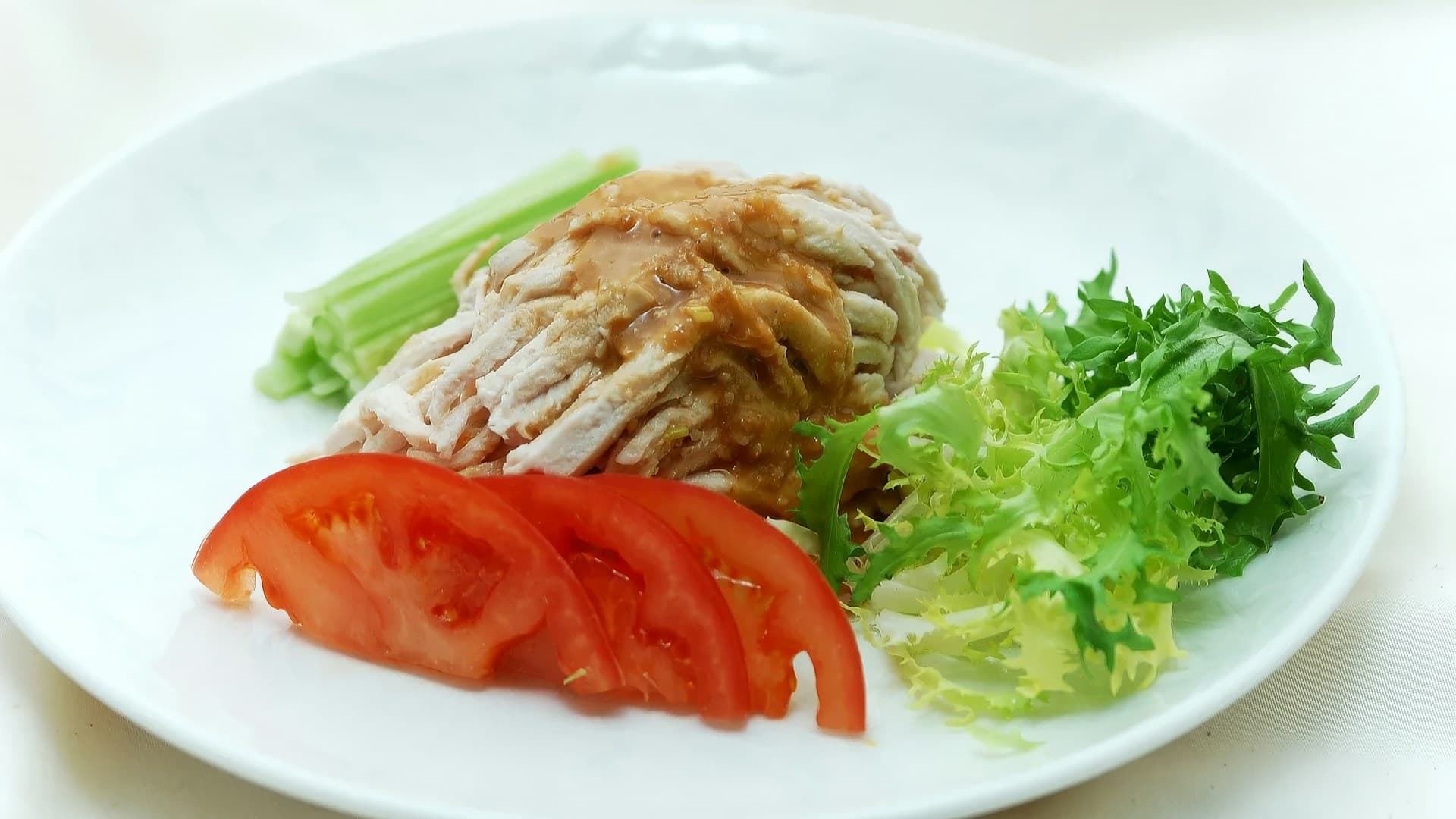
Shift your focus from heavy red meats like carnitas or barbacoa to leaner options. Ceviche, which is marinated fish, and grilled shrimp are top-tier Mediterranean options.
If you prefer chicken, opt for roasting or grilling rather than frying. Avoiding dishes like chimichangas significantly reduces unnecessary calorie intake.
Salsa as a Volume Eating Tool
Volume eating involves consuming larger portions of low-calorie foods to feel full. Salsas are essentially salad dressings made entirely of vegetables, making them perfect for this strategy.
I encourage readers to 'drown' their food in salsa verde or pico de gallo. This adds moisture and intense flavor without the caloric density of cheese sauces.
Cooking at home is one thing, but navigating a restaurant menu requires a different set of strategies.
Strategies for Dining Out at Mexican Restaurants
Dining out can be tricky due to hidden fats and sodium, but Mexican restaurants are actually easier to navigate than many other cuisines. The key is to deconstruct the menu items before ordering.
Navigating the Chip Basket Trap
The complimentary chips and salsa are often the biggest hurdle. I advise asking the server to take them away immediately or counting out a specific number, such as 10 chips, before stopping.
Some find it helpful to ask for sliced cucumbers or jicama for dipping if the restaurant has them available. While rare, this simple request can save hundreds of empty calories.
Best Entrées to Order
Stick to the safest bets on the menu to keep your meal compliant. Fajitas are excellent if you skip the flour tortillas and eat them with a fork.
Vera Cruz style fish, usually baked with tomatoes and olives, is another fantastic choice. Pollo Asado is also safe, but always ask for 'light cheese' or 'no cheese' since restaurant portions are excessive.
Sides to Swap
Be wary of 'Mexican rice' and refried beans, which often contain lard or high-sodium broths. Instead, ask for a side of black beans, which are usually served whole.
Ordering a side salad or grilled vegetables instead of the standard rice-and-beans platter is a smart move. This swap increases fiber intake and reduces the glycemic load of the meal.
Smart Beverage Choices
Liquid calories add up fast, especially with sugary mixers. Frozen margaritas are often loaded with sugar, sometimes containing over 30 grams per glass.
Sticking to water with lime or unsweetened iced tea is the best approach. If drinking alcohol, opt for a glass of red wine or 'ranch water' made with tequila, sparkling water, and lime.
To help you visualize how this comes together, here are a few meal ideas you can try this week.
3 Simple Mediterranean-Mexican Meal Ideas
You don’t need a complex recipe to start eating healthier today. Here are three conceptual meal structures that combine the best of both diets for breakfast, lunch, or dinner.
Breakfast: The Mediterranean Huevos Rancheros
Start with a base of warm black beans and a lightly crisped corn tortilla. Top this with a poached or fried egg, plenty of fresh salsa, and avocado slices.
This provides a balance of protein, fiber, and healthy fats. Skipping the heavy cheese and chorizo keeps it light and energetic.
Lunch: The Deconstructed Burrito Bowl
Build a bowl using a base of leafy greens like spinach or romaine mixed with quinoa instead of white rice. Add grilled chicken, sautéed peppers, and onions for flavor and texture.
Finish with a dollop of Greek yogurt 'crema' and a squeeze of lime. This eliminates the refined flour tortilla entirely while keeping all the satisfaction.
Dinner: Grilled Fish Tacos with Cabbage Slaw
Focus on a firm white fish like cod or mahi-mahi seasoned generously with chili powder. Use a vinegar-based cabbage slaw made with purple cabbage, lime, and olive oil for crunch.
Serve on small corn tortillas to manage portion sizes effectively. This meal is light, rich in omega-3s, and completely free of heavy sauces.
Let’s wrap up with answers to the most common questions about merging these diets.
FAQ
Can I eat tortilla chips on the Mediterranean diet?
Tortilla chips are generally fried and high in calories, so they should be limited. Baked corn chips or raw vegetables are much better vehicles for dips like guacamole.
Is guacamole considered Mediterranean diet friendly?
Yes, guacamole is an excellent source of healthy monounsaturated fats. Just ensure it is made with fresh ingredients and eaten with vegetables rather than processed chips.
What is the best cheese to use for Mexican food on this diet?
Cotija or queso fresco are good options because they have strong flavors, meaning you can use less. Using small amounts of feta cheese is also a great Mediterranean-style substitution.
Are refried beans healthy?
Traditional refried beans often contain lard, which adds unhealthy saturated fat. Look for 'vegetarian' refried beans or simply mash whole beans yourself with a little olive oil.
Related Articles
10 Foods Associated With Slower Biological Aging
Nutrition5 min read
8 Signs Your Gut Needs Help and How to Restore Balance Naturally
Nutrition5 min read
How Much Protein Do You Need to Build Muscle, Lose Fat, and Age Strong
Nutrition5 min read
High Diet App Review: What's Inside, What It Costs, and How To Manage It
Nutrition5 min read

Flame Diet App Review: What You Get, What It Costs, and How To Cancel
Nutrition5 min read

Senior Diet App Review: What's Included, What It Costs, and How To Cancel
Nutrition5 min read
Comments
(0)Leave a comment
Your email will not be published. All fields are required.