Get personalized meal plans and compliant recipes.
Explore carnimeat options
Carnivore Pizza Sauce: Creamy, Savory, and Plant-Free Options
By: Healthtime Editorial
Fact checked by: QA Team
Updated on: October 6, 2026
0
160
8 min
In this article
- Why Choose a Carnivore Pizza Sauce?
- Core Styles of Carnivore Pizza Sauce
- How to Thicken Sauce Without Flour or Cornstarch
- Flavoring Your Sauce Without Herbs or Spices
- Pairing Sauce with Carnivore Crusts
- FAQ
- Conclusion
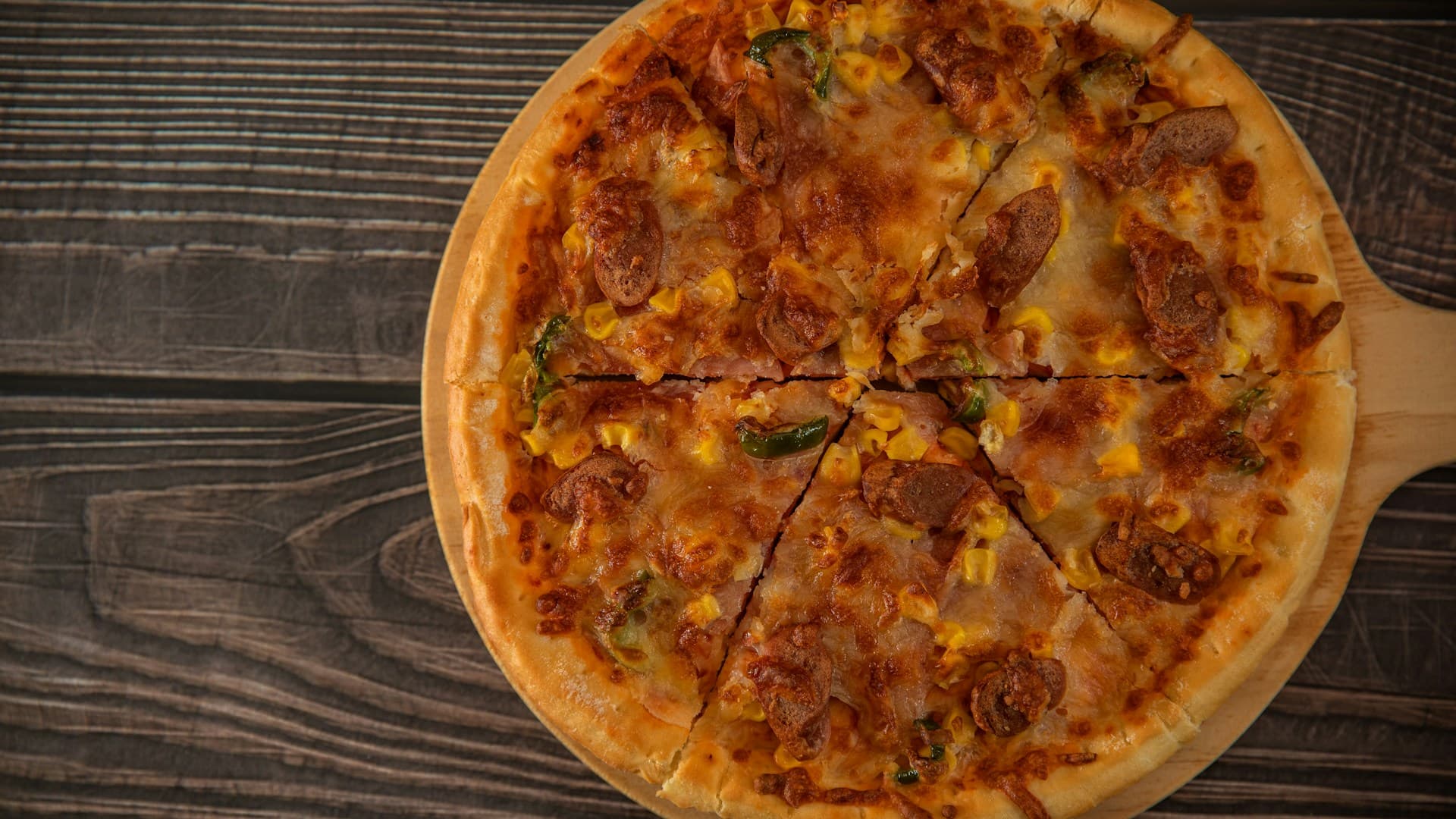
Craving a slice of pizza is arguably the biggest hurdle when transitioning to an animal-based diet. Most traditional sauces are loaded with sugar, vegetable oils, and inflammatory nightshades that can derail your progress.
The good news is that you do not have to give up this comfort food entirely. A proper carnivore pizza sauce uses rich animal fats and proteins to deliver flavor without the plant toxins.
I have explored numerous methods to replicate that savory experience using only ingredients from the animal kingdom. This guide covers the best recipes, thickening techniques, and flavor hacks to elevate your next meal.
Why Choose a Carnivore Pizza Sauce?
Traditional pizza sauce relies heavily on nightshades and added sugars, which can trigger inflammation in sensitive individuals. Switching to an animal-based sauce allows you to enjoy a comfort food favorite while adhering to strict elimination diet protocols.
Eliminating Plant Toxins and Lectins
Tomatoes and common herbs contain lectins and nightshade compounds that can irritate the delicate lining of the gut. These plants create natural pesticides to deter consumption, which can cause issues for humans.
Removing these ingredients reduces the digestive workload significantly. Tomatoes are technically fruits that are often high in sugar and potential allergens.
Many people find that eliminating compounds like tomatine is the key to resolving lingering bloating or joint pain. This elimination allows the gut to heal without constant irritation from plant defense chemicals.
Boosting Satiety with Healthy Fats
Using animal fats like cream, butter, or tallow as a sauce base offers a distinct nutritional advantage over watery tomato sauce. These fats signal satiety hormones more effectively, keeping you full for much longer.
High-quality dairy provides significant caloric density at 9 calories per gram of fat. This turns your sauce into a potent nutrient delivery system rather than just a simple condiment.
Once you understand the 'why,' the next step is exploring the delicious 'how' with these versatile recipe styles.
Core Styles of Carnivore Pizza Sauce
Since we cannot use crushed tomatoes, we must rely on texture and umami from animal sources to create a satisfying mouthfeel. I recommend experimenting with these four distinct styles to see which best complements your meat-based crust.
The White Carnivore Sauce (Alfredo Style)
This is the most popular and accessible option for those who include dairy in their diet. It essentially mimics a traditional white pizza and pairs exceptionally well with chicken crusts.
The process is incredibly simple:
1. Simmer — Reduce heavy cream in a pan until it thickens.
2. Whisk — Stir in parmesan cheese until smooth.
3. Season — Add salt to taste. This high-fat sauce is very stabilizing for blood sugar.
1. Simmer — Reduce heavy cream in a pan until it thickens.
2. Whisk — Stir in parmesan cheese until smooth.
3. Season — Add salt to taste. This high-fat sauce is very stabilizing for blood sugar.
Navigating new recipes can be challenging when you are starting out. I use Carnimeat to access a library of compliant recipes and track my macros effortlessly.
The Savory Meat Glaze (Demi-Glace)
For a strict dairy-free option, a reduction of bone broth or meat drippings works wonders. You reduce a gelatin-rich beef bone broth until it becomes a sticky, savory glaze.
The goal is to reduce the volume by roughly 75% to concentrate the flavor. This provides a deep, meaty umami profile that effectively replaces the acidity of tomatoes.
I suggest using this glaze for beef-crust pizzas to intensify the red meat flavor profile. It adds moisture without making the crust soggy.
The Egg Yolk Emulsion
This sauce relies on emulsified egg yolks and melted butter, similar to a Hollandaise or Béarnaise but thicker. Gently heating the yolks to approximately 65°C (150°F) creates a rich, custard-like consistency.
This texture sits well on top of a crust without soaking through the meat base. It acts as a nutrient powerhouse, offering abundant choline and healthy cholesterol.
The 'Dirty' Carnivore Option (Flavor Splash)
Some individuals follow a more relaxed carnivore approach and tolerate small amounts of plant matter. A teaspoon of tomato paste or a dash of hot sauce mixed into a butter base adds color and tang.
This is not for strict elimination phases but can serve as a 'bridge' option for those transitioning. It helps maintain metabolic flexibility without overwhelming the system with fiber.
Selecting your base is only the beginning; achieving the right consistency without plant starches requires specific techniques.
How to Thicken Sauce Without Flour or Cornstarch
Standard thickening agents are grain-based and excluded from the carnivore diet, requiring us to use protein and fat manipulation to achieve viscosity. These techniques ensure your sauce stays on the slice rather than running off the side.
Reducing Liquids via Evaporation
The simple physics of simmering heavy cream or broth removes water content effectively. You must use low-and-slow heat to prevent scalding the dairy or burning the gelatin.
A proper reduction concentrates flavor significantly, so you may need less salt than you think. If you notice consistent digestive distress from reduced dairy, consider testing for casein sensitivity.
Using Gelatin for Body
Powdered beef gelatin or collagen is excellent for thickening thinner liquids like broth or milk. The method involves 'blooming' gelatin in cold water using a ratio of 1 tsp gelatin per cup of liquid.
Whisk the bloomed mixture into the hot sauce to dissolve it completely. This adds a glossy texture and gut-healing amino acids like glycine without altering the flavor profile.
Blending Soft Cheeses
Cream cheese, mascarpone, or soft goat cheese act as instant thickeners. Simply melting these into meat drippings or a small amount of water creates an instant, thick sauce.
This method requires no reduction time, making it perfect for quick meals. It adds a tangy profile that can mimic the 'bite' of tomato sauce slightly better than plain cream.
Emulsifying with Butter
The technique of 'mounting' a sauce with cold butter creates a velvety texture. You whisk cold butter cubes into a warm reduction off the heat.
This classic French technique works perfectly for carnivore cooking. It adds gloss and richness without requiring any carbohydrates.
With the texture mastered, we can focus on building a complex flavor profile using only animal kingdom ingredients.
Flavoring Your Sauce Without Herbs or Spices
For the strictest carnivores who avoid even black pepper and dried oregano, flavor comes from the quality of the animal sourcing and preparation methods. I have found that layering different types of savory elements can completely replace the need for plant seasonings.
Leveraging High-Quality Salts
Using mineral-rich salts like Redmon Real Salt or flaky sea salt makes a massive difference. Without competing spices, the mineral nuance of good salt becomes a primary flavor driver.
I suggest salting at different stages of the cooking process. This layers the flavor rather than just adding a salty taste at the end.
Incorporating Smoked Meats and Bacon
Rendering bacon fat or adding chopped smoked brisket into the sauce base infuses a complex flavor. This mimics spices like paprika or chipotle effectively.
Using bacon grease as the starting fat for any white sauce transforms it instantly. It changes the profile from 'milky' to 'savory and smoky.'
Using Aged Cheeses for Umami
Cheeses like Parmesan, Pecorino Romano, or aged Cheddar contain high levels of glutamate. This natural umami provides the 'savory punch' that usually comes from MSG or tomatoes.
Melting these into your sauce is the secret weapon for a satisfying result. It ensures the meal feels complete and indulgent.
Now that your sauce is ready, it's important to pair it correctly with the right type of meat-based crust.
Pairing Sauce with Carnivore Crusts
Not all sauces work with every base; the density and flavor of your crust should dictate your sauce choice. Matching the fat content and flavor profile ensures a balanced meal that isn't overly greasy or dry.
Chicken Crust Pairings
The popular 'chicken crust' is made from ground chicken, egg, and parmesan. I recommend the White Carnivore Sauce (Alfredo) for this base.
The lean chicken balances the rich heavy cream sauce perfectly. This combination tastes remarkably like a traditional white pizza and is often the most palatable for beginners.
When I want to diversify my weekly menu, I check Carnimeat for new crust variations. Having variety prevents flavor fatigue.
Ground Beef and Pork Rind Crusts
Heavier crusts made from ground beef or pork rind flour require a different approach. I suggest the savory meat glaze or a sharp cheddar-based sauce here.
A beef crust is very rich, so a broth-based glaze cuts through the heaviness better than adding more heavy cream. If high-fat meals cause nausea or floating stools, you may need to adjust your fat-to-protein ratio.
A well-paired sauce enhances the meal without overwhelming your digestion.
FAQ
Can I use store-bought alfredo sauce on a carnivore diet?
Most store-bought alfredo sauces contain soybean oil, cornstarch, and garlic powder, which are not strict carnivore. It is much better to make your own with heavy cream and butter.
Is tomato sauce ever allowed on carnivore?
Strict carnivore protocols exclude all plant foods, including tomatoes. However, some people who are 'carnivore-ish' may tolerate small amounts of tomato paste for flavor.
How long does homemade carnivore pizza sauce last in the fridge?
Dairy-based sauces usually last 3–4 days in an airtight container. Broth-based glazes can last up to a week because of the gelatin content.
What can I use instead of pizza sauce if I am dairy-free?
You can use a reduced bone broth glaze or simply use melted tallow with salt. Another option is an emulsion of egg yolks and bacon grease.
Conclusion
Creating a delicious carnivore pizza sauce is simpler than it seems and opens up new culinary possibilities. By focusing on animal fats and savory reductions, you can enjoy a rich, satisfying meal without inflammation.
Experiment with different thickeners and flavor combinations to find what works best for your palate. With the right sauce, you won't miss the tomato version at all.
Ready to take your carnivore cooking to the next level? Download the Carnimeat app today for hundreds of compliant recipes and personalized meal plans.
Related Articles
10 Foods Associated With Slower Biological Aging
Nutrition5 min read

8 Signs Your Gut Needs Help and How to Restore Balance Naturally
Nutrition5 min read

How Much Protein Do You Need to Build Muscle, Lose Fat, and Age Strong
Nutrition5 min read
High Diet App Review: What's Inside, What It Costs, and How To Manage It
Nutrition5 min read

Flame Diet App Review: What You Get, What It Costs, and How To Cancel
Nutrition5 min read

Senior Diet App Review: What's Included, What It Costs, and How To Cancel
Nutrition5 min read
Comments
(0)Leave a comment
Your email will not be published. All fields are required.