Personalized meal plans for your carnivore journey.
Explore carnimeat options
The Modified Carnivore Diet: A Flexible Approach to Animal-Based Eating
By: Healthtime Editorial
Fact checked by: QA Team
Updated on: October 11, 2026
0
2426
5 min
In this article
- What is a modified carnivore diet?
- Key differences at a glance
- 4 popular variations of the diet
- The 'Safe' Plant List: What to eat and what to avoid
- Potential health benefits of adding flexibility
- How to transition safely without digestive distress
- FAQ
- Conclusion
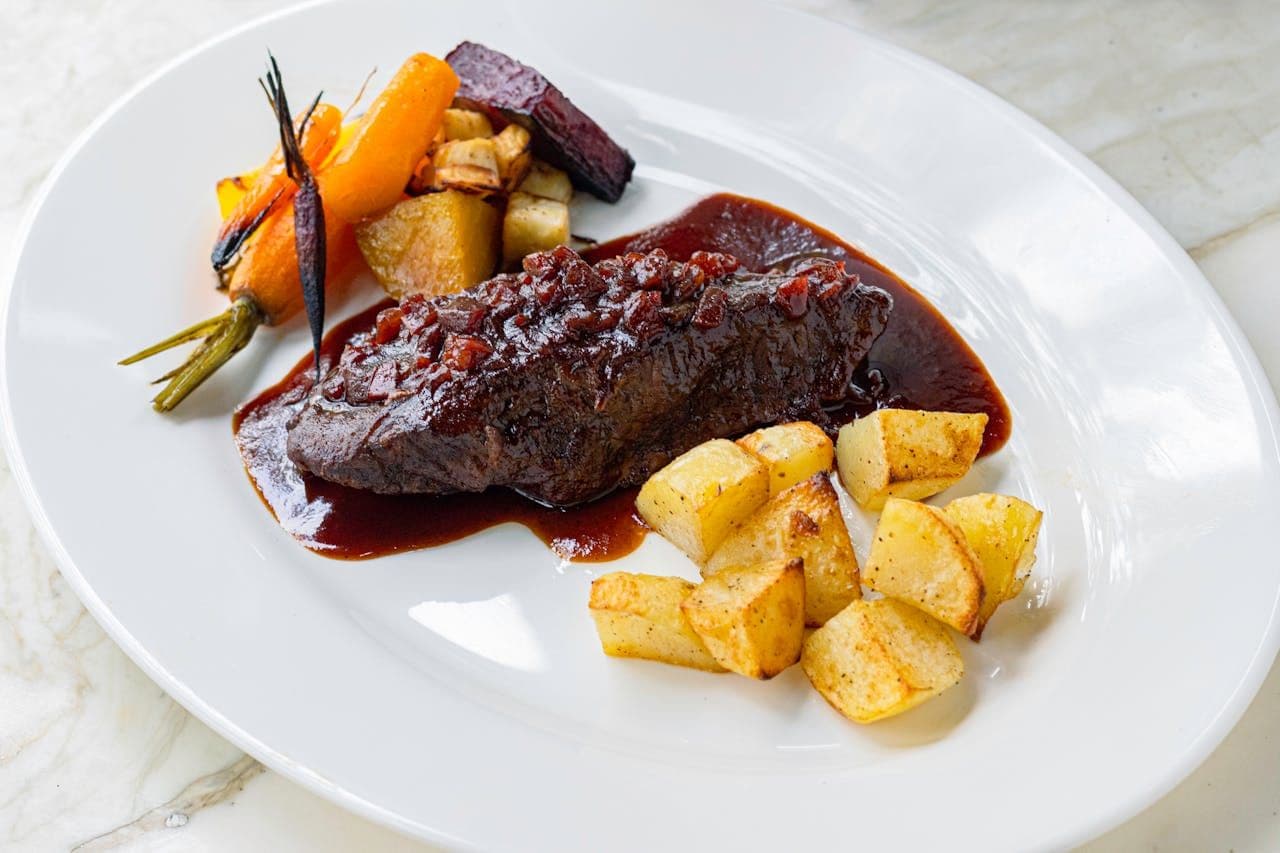
For many, the idea of eating nothing but meat, salt, and water feels restrictive or socially isolating. A modified carnivore diet offers a compelling middle ground.
This approach retains the healing power of animal-based nutrition while allowing selected plant foods for metabolic flexibility. It is designed for those who want health benefits without absolute rigidity.
In this guide, I will explain how to structure this diet, which plants are safe, and how to customize it for your bio-individuality.
What is a modified carnivore diet?
This eating pattern prioritizes nutrient-dense animal foods but rejects the dogmatic "zero plant" rule found in strict circles. It effectively shifts the focus from purely "carnivore" to a broader "animal-based" spectrum that honors bio-individuality.
Defining the animal-based spectrum
The core concept dictates that 85–90% of your calories should come from ruminant meat, eggs, and organs. The remaining 10–15% is comprised of carefully selected, well-tolerated plant foods.
This is not a "cheat" diet or a standard omnivorous approach. It is a structured protocol that keeps inflammation low while providing specific fuels for activity.
Strict Lion Diets or zero-carb protocols eliminate all plant matter entirely. In contrast, this modification views certain plants as tools rather than toxins.
Why strict elimination isn't always permanent
Many people transition from strict carnivore to a modified version after the initial healing phase. I often see this shift occur due to persistent electrolyte retention issues or simple palate boredom.
Social friction is another common driver; eating out becomes significantly easier when you can tolerate small amounts of spices or sauces. For athletes, zero-carb can sometimes limit explosive power output.
A modified version serves as a sustainable long-term maintenance phase. It replaces the acute healing phase typically used for the first 30–90 days of an elimination diet.
To understand if this flexibility is right for you, it helps to see exactly how the rules differ from the standard protocol.
Key differences at a glance
Understanding the distinction between strict carnivore and its modified cousins helps set realistic expectations for your metabolic health. The following comparison highlights where the boundaries soften.
Strict Carnivore vs. Modified Protocols
The table below outlines the primary differences in food choices and lifestyle impact. It illustrates the increased flexibility available in the modified approach.
| Feature | Strict Carnivore | Modified Carnivore |
|---|---|---|
Allowed Foods | Meat, Water, Salt | Meat, Fruit, Honey, Select Veg |
Carbohydrate Intake | Zero / Trace | Variable (Low to Moderate) |
Social Ease | Low | Moderate / High |
Fiber Content | None | Low / Moderate |
Understanding toxicity vs. tolerance
The underlying philosophy here is "low toxicity" rather than "no plants." Unlike a standard diet that embraces all vegetables, the modified carnivore diet only permits plants that you tolerate well.
These are usually foods low in defense chemicals like lectins, oxalates, and phytates. By selecting these options, you avoid inflammatory triggers while gaining flavor variety.
Because 'modified' is a broad term, most adherents find success by following one of these four established variations.
4 popular variations of the diet
There is no single way to modify this diet, but four distinct variations have emerged as the most successful for long-term adherence. I find that most people naturally gravitate toward one of these sub-types based on their activity levels and palate.
The Meat and Fruit (Paul Saladino) method
This popular variation includes meat, organs, fruit, and honey. Fruit is viewed as the "intended" food of the plant, lacking the harsh defense chemicals found in leaves, stems, and seeds.
This approach is excellent for active individuals who need glycogen for intense workouts. Athletes often target 100g or more of carbohydrates using this framework.
When following this method, tracking intake can be helpful to ensure you hit your protein goals. I often recommend Carnimeat to help organize recipes and track progress.
The Ketovore approach
This variation leans heavily on meat but includes low-carb, non-starchy vegetables like leafy greens or crucifers. It allows for variety in texture while maintaining very low blood sugar levels.
Users typically remain in deep ketosis, often measuring above 0.5 mmol/L. This variation is generally best for those focused on weight loss or managing insulin resistance.
The 'Carnivore-ish' social approach
This is a lifestyle-focused variation where the user eats strict carnivore at home about 90% of the time. However, it allows for flexibility during social meals, permitting spices, sauces, and occasional sides.
The primary benefit here is mental health and sustainability. It significantly reduces dietary anxiety when dining out with friends or family.

The Seasonal Ancestral framework
This approach involves eating strictly meat during the winter months and adding local fruits or vegetables in the summer. It connects your eating habits to circadian biology and seasonal availability.
Our ancestors likely ate this way based on what was naturally available in their environment. This method mimics natural metabolic cycles of feast and famine.
Once you have chosen your variation, the next step is knowing exactly which foods fall into the 'safe' zone and which remain off-limits.
The 'Safe' Plant List: What to eat and what to avoid
The success of this modification depends entirely on choosing plant foods that have low defense chemicals and high nutrient density. Navigating this "grey area" correctly prevents the bloating often associated with reintroducing plants.
Low-toxicity fruits and non-sweet fruits
The safest options typically tolerated by those on a modified carnivore diet include squash, cucumber, zucchini, avocado, and olives. These are botanical fruits that act as vegetables in culinary settings.
Removing skins and seeds is a crucial step for many of these items. Pro tip: This mechanical processing reduces the lectin load by up to 50%, making them much easier to digest.
Raw dairy and fermented foods
Raw cheese, heavy cream, kefir, and yogurt are often staples in modified protocols. Fermented options like kefir are frequently better for those who are sensitive to lactose.
Dairy serves as a potent source of calcium and healthy fats. It adds richness to meals that might otherwise feel repetitive.
Natural sweeteners and condiments
Honey and maple syrup are often allowed in the fruit-based variation due to their digestibility. Artificial sweeteners, however, are generally discouraged due to their impact on the gut microbiome.
Simple salts, fresh herbs, and clean single-ingredient spices are generally accepted. They provide flavor without the heavy antinutrient load of seed-based spices.
Beverages beyond water
Strict carnivore often eliminates caffeine entirely, but modified versions usually permit coffee and tea. This is acceptable provided they do not trigger anxiety or digestive issues.
I suggest keeping intake under two cups daily to manage cortisol levels. Prioritize Swiss water process decaf if you are sensitive to stimulants.
The 'No-Go' list: Foods to keep eliminated
Certain foods remain banned even in modified versions due to their high toxicity or inflammatory potential. Industrial seed oils (corn, canola, soy) and processed grains should always be avoided.
High-oxalate vegetables like spinach and almonds are also on this list. Caution: These items are most likely to trigger autoimmune flares or joint pain.
Relaxing these rules isn't just about taste; for many, it unlocks specific health benefits that a zero-carb approach may miss.
Potential health benefits of adding flexibility
While strict elimination is powerful for acute healing, adding strategic flexibility can often improve long-term hormonal health. This is particularly true for women and high-output athletes.
Digital tools for personalization
Implementing these changes requires planning to ensure you don't accidentally rely too heavily on carbs. Apps like Carnimeat provide personalized meal plans and trackers that simplify this balance.
Having access to 500+ carnivore-friendly recipes and light workouts helps maintain consistency. It transforms the diet from a guessing game into a structured lifestyle.
Metabolic flexibility and athletic performance
Reintroduced carbohydrates from fruit or honey can support explosive movements and glycogen replenishment. This occurs without causing the systemic inflammation associated with grains.
Metabolic flexibility is the ability to switch between burning fat and sugar efficiently. A modified approach trains the body to utilize both fuel sources effectively.
Thyroid and hormonal support
Long-term ketosis can sometimes downregulate thyroid function, specifically T3 conversion, in sensitive individuals. Small amounts of carbohydrates can signal abundance to the body.
This signal can potentially support reproductive hormones and help balance cortisol. Many women find their cycles become more regular with this inclusion.
Improved electrolyte retention
Electrolyte dumping is a common issue in zero-carb diets due to low insulin levels. A small amount of insulin stimulation from natural plants helps the kidneys retain sodium.
This can significantly reduce the need for constant electrolyte supplementation. Better hydration often leads to improved energy and fewer headaches.
If you are ready to experiment with these benefits, it is vital to reintroduce foods methodically to avoid setbacks.
How to transition safely without digestive distress
Whether you are coming from a Standard American Diet or a strict carnivore phase, rapid changes can upset your gut microbiome. A slow, methodical titration is the safest path to finding your personal tolerance levels.
Start with the animal protein foundation
Secure your 85% baseline first before experimenting. Ensure you are eating enough fatty meat and eggs to stay satiated.
This protein anchor prevents you from binging on carbs due to hunger. The plant foods should be a garnish, not the main event.
The 'one new food' rule
Introduce only one new plant food every 3–4 days. This isolation allows you to pinpoint exactly which food causes a reaction.
If you experience bloating, skin issues, or brain fog, you will know immediately what the culprit is. Remove it and wait for symptoms to subside before trying something else.
Monitoring your bio-feedback
Keep a simple food log to track how you feel after meals. Listen to your body rather than following a rigid list of "allowed" foods.
When to seek care: If you experience persistent digestive pain, blood in stool, or rapid, unexplained weight fluctuations, consult a professional. Your body's signals are your best guide.
FAQ
Can I eat rice on a modified carnivore diet?
Some active individuals tolerate white rice well because it is low in toxins, though it is technically a grain. It is generally considered a "grey area" food for athletes rather than a staple.
Will I stay in ketosis on a modified carnivore diet?
It depends on the volume of carbohydrates you consume. If you stick to low-carb vegetables (Ketovore), you likely will, but higher fruit intake will likely cycle you out of ketosis.
Is fiber necessary on this diet?
Research shows fiber is not essential for bowel movements when eating a high-fat animal-based diet. However, some people find small amounts of fruit fiber helpful for gut motility.
Can I use protein powder on a modified plan?
Clean whey isolate or beef protein isolate is acceptable if it lacks artificial additives. Real food is always preferred, but these can be useful supplements for hitting protein targets.
Conclusion
The modified carnivore diet offers a sustainable bridge between strict ancestral eating and modern social life. By focusing on nutrient density and low toxicity, you can reap the benefits of animal-based nutrition without feeling restricted.
Experiment slowly, track your results, and prioritize how you feel over rigid rules. This flexibility might be the key to making this lifestyle a permanent change.
Related Articles

10 Foods Associated With Slower Biological Aging
Nutrition5 min read

8 Signs Your Gut Needs Help and How to Restore Balance Naturally
Nutrition5 min read

How Much Protein Do You Need to Build Muscle, Lose Fat, and Age Strong
Nutrition5 min read

High Diet App Review: What's Inside, What It Costs, and How To Manage It
Nutrition5 min read

Flame Diet App Review: What You Get, What It Costs, and How To Cancel
Nutrition5 min read

Senior Diet App Review: What's Included, What It Costs, and How To Cancel
Nutrition5 min read
Comments
(0)Leave a comment
Your email will not be published. All fields are required.