Personalized carnivore plans for better results
Explore carnimeat options
Can You Have Honey on Carnivore Diet?
By: Healthtime Editorial
Fact checked by: QA Team
Updated on: October 12, 2026
0
3741
8 min
In this article
- The Great Debate: Strict Carnivore vs. Animal-Based
- Is Honey Technically an Animal Product?
- Benefits of Consuming Honey on Carnivore
- Potential Drawbacks and Considerations
- How to Incorporate Honey Effectively
- Who Should Avoid Honey Completely?
- FAQ
- Conclusion
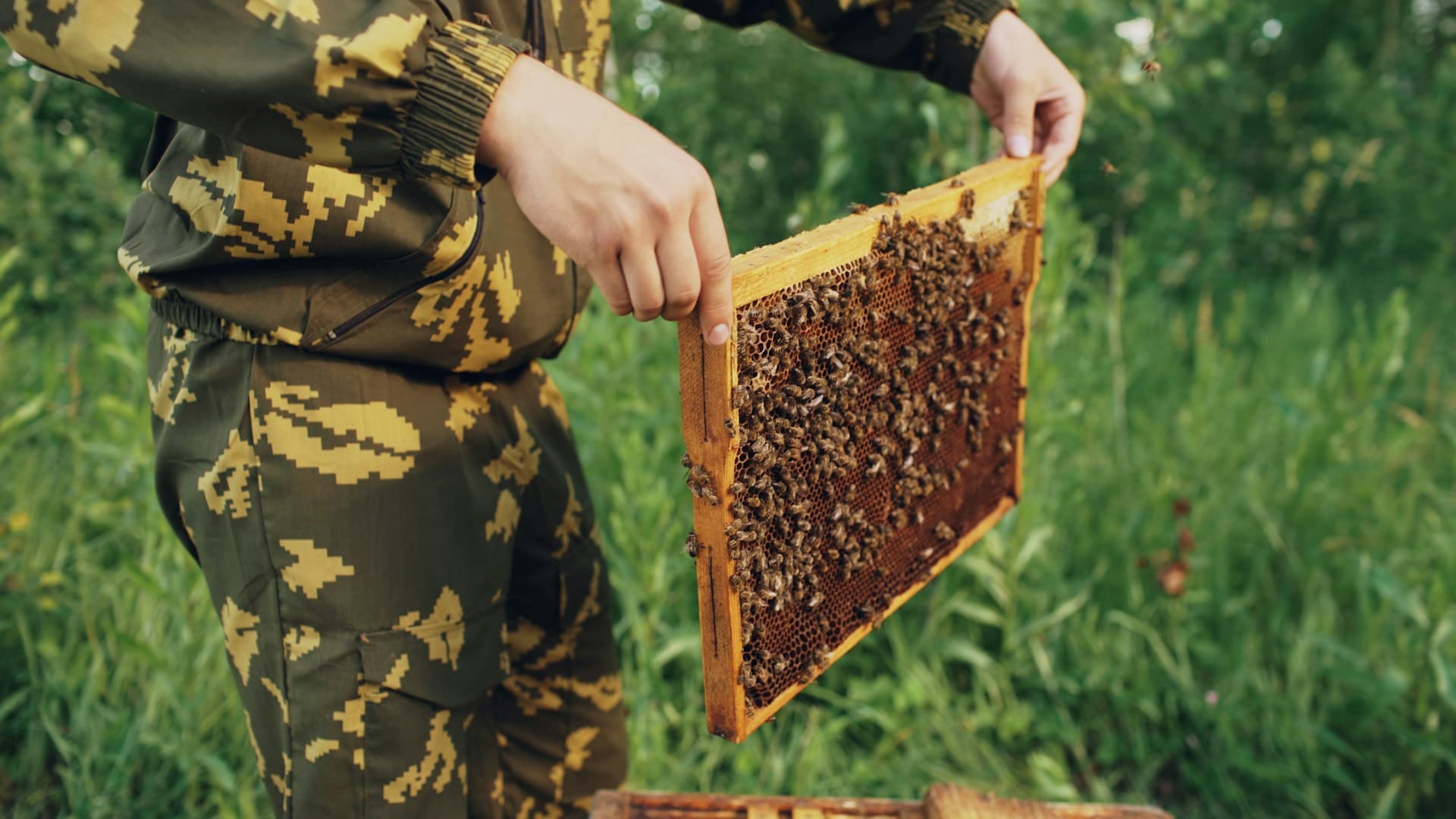
Can you have honey on the carnivore diet? The short answer is that it depends entirely on your specific health goals and which variation of the diet you follow.
Strict purists avoid it completely to maintain zero-carb ketosis, while 'animal-based' proponents embrace it as a vital fuel source. This article explores the benefits, risks, and proper protocols for including honey in your regimen.
The Great Debate: Strict Carnivore vs. Animal-Based
The answer depends entirely on which version of the protocol you follow. The community is split between purists who consume only meat and water, and proponents of 'animal-based' nutrition who allow low-toxicity carbohydrates.
The Lion Diet and Zero-Carb Purism
The Lion Diet is the strictest form of elimination, consisting solely of ruminant meat, salt, and water. In this context, honey is strictly forbidden because it is a sugar that halts ketosis immediately.
The goal of this approach is total gut rest and the elimination of all potential immune triggers. Even natural sugars are excluded to ensure zero tolerance for inflammation.
The Animal-Based Evolution
The 'Animal-Based' diet, popularized by figures like Dr. Paul Saladino, takes a different view on carbohydrates. Logic suggests that honey is a non-toxic, evolutionarily consistent food that our ancestors consumed opportunistically.
This approach shifts the priority from constant ketosis to metabolic flexibility. It views fruit and honey as valuable tools for electrolyte balance and hormonal health.
Comparison: Ketosis vs. Metabolic Flexibility
Understanding the metabolic difference is key to making your choice. Here is how the two states compare regarding fuel and function.
| Feature | Strict Ketosis | Metabolic Flexibility |
|---|---|---|
Primary Fuel Source | Ketones (Fat) | Glucose & Fat |
Insulin Response | Minimal / Flat | Moderate / Pulsatile |
Ideal User | Autoimmune Healing | Athletic Performance |
Carbohydrate Intake | Near Zero | Strategic / Cyclical |
Beyond the dietary rules, we must look at the biological definition of the food itself.
Is Honey Technically an Animal Product?
A common point of confusion is whether honey falls under the 'animal kingdom' umbrella. While it is produced by bees, its raw materials are floral.
The Bee-Production Process
Bees collect nectar from flowers and enzymatically modify it within their stomachs before storing it in the hive. This biological processing distinguishes honey from plant syrups like maple or agave.
Technically, it is an animal byproduct because it cannot exist without the insect's intervention. This makes it unique compared to purely plant-derived sugars.
Why Purists Still Classify it as Plant-Based
Despite the bee's involvement, strict carnivores often classify honey as plant-based due to its origin. Since the source material is flower nectar consisting of fructose and glucose, they view it as a plant sugar.
For this group, 'animal-based' implies muscle meat and fat, not insect-processed sugar. Classification aside, the most important factor is how honey impacts your health and performance.
Benefits of Consuming Honey on Carnivore
For many adherents, adding honey resolves stalling energy levels and hormonal imbalances. Viewing food through a lens of utility rather than dogma can highlight specific advantages.
Optimizing Your Meal Plan
Navigating the inclusion of carbohydrates can be tricky without a structured approach. I often recommend using digital tools like Carnimeat to access personalized plans that account for these adjustments.
This platform provides trackers and over 500 recipes, making it easier to balance honey intake with animal proteins. It helps ensure you don't accidentally overconsume sugar while seeking benefits.
Improved Electrolyte Retention
A strategic insulin spike from honey helps the kidneys retain sodium. This mechanism of sodium-sparing is crucial for long-term adherence to low-carb diets.
Many people find this alleviates 'keto flu' symptoms like leg cramps and heart palpitations. It provides a buffer against the rapid electrolyte dumping often seen in strict ketosis.
Thyroid and Hormonal Support
Long-term zero-carb eating can sometimes downregulate thyroid function, specifically the conversion of T4 to T3. Honey provides the glucose signal needed to optimize hormonal health in sensitive individuals.
Research indicates that insulin is a necessary signal for proper thyroid hormone conversion. Adding small amounts of honey can revive a sluggish metabolism and improve libido.
Glycogen for Athletic Performance
Athletes often use honey as an 'intra-workout' or pre-workout fuel to maximize output. It replenishes muscle glycogen faster than gluconeogenesis, allowing for explosive power.
For heavy lifting or sprinting, this readily available glucose can prevent performance plateaus.
Better Sleep and Serotonin Production
A small dose of honey before bed can significantly improve sleep quality. The insulin release helps tryptophan enter the brain, where it converts to serotonin and melatonin.
This can effectively solve carnivore-induced insomnia or wakefulness. However, honey is a concentrated sugar, and it isn't suitable for everyone's healing journey.
Potential Drawbacks and Considerations
While natural, honey is undeniably high in fructose and glucose. Adding it to a meat-heavy diet requires careful monitoring of your body's response.
Impact on Ketosis and Weight Loss
Eating honey will temporarily pause ketosis by spiking insulin levels. For those seeking rapid weight loss or therapeutic ketosis for epilepsy, honey is likely counterproductive.
If your primary goal is fat adaptation, frequent honey consumption may hinder your progress. You must weigh the metabolic benefits against your weight loss timeline.
Triggering Sugar Cravings
The psychology of eating sweet foods is a major factor for many carnivores. For those with a history of sugar addiction, the hyper-palatability of honey can trigger binges.
It can reawaken cravings for non-carnivore foods, making adherence difficult. Honest self-assessment is required before reintroducing any sweeteners.
Fructose and Gut Issues
Individuals with SIBO (Small Intestinal Bacterial Overgrowth) or fructose malabsorption may experience bloating. Fructose requires different transporters than glucose and can ferment if gut dysbiosis is present.
If you notice gas or discomfort, your gut may not be ready for this addition. If you decide the benefits outweigh the risks, the next step is implementing it correctly.
How to Incorporate Honey Effectively
If you choose to include honey, treating it as a targeted supplement rather than a beverage or dessert is key to success in 2025. Random consumption can lead to unwanted energy crashes.
Select Raw, Unpasteurized Honey
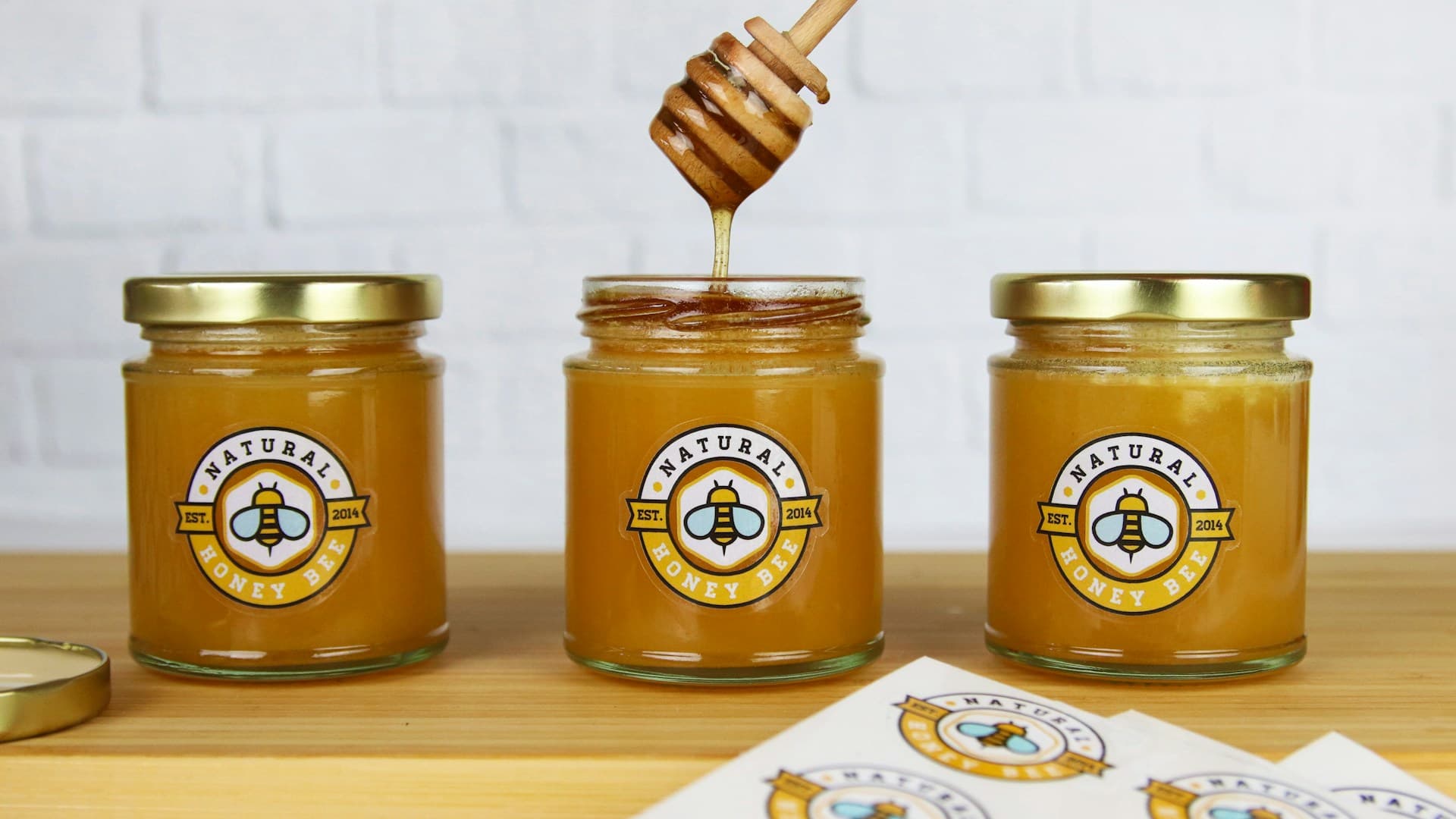
Always choose 'raw' and 'local' varieties over commercial options. Pasteurization kills beneficial enzymes like amylase and antioxidants, turning the product into simple syrup.
Look for crystallized textures as a sign of quality and low processing. These varieties retain the pollen and propolis that offer immune benefits.
Determine Your Ideal Dosage
Start small to test your individual tolerance and metabolic response. I suggest 1–2 teaspoons daily as a starting point to gauge energy levels.
The goal is the 'minimum effective dose' for energy, not a full carbohydrate refeed. You can increase slightly if your activity levels demand it.

Time Intake Around Activity
Consume honey 30 minutes pre-workout or immediately post-workout. This timing directs the glucose into muscle cells for glycogen synthesis rather than fat storage.
Sedentary consumption is more likely to result in blood sugar fluctuations. Targeted timing maximizes the utility of the carbohydrates.
Pair with Animal Fats
Eat honey alongside butter, tallow, or fatty meat to buffer the absorption. The fat matrix slows gastric emptying, leading to a much flatter glucose curve.
Never consume it on an empty stomach without a protein or fat source. This combination mimics how our ancestors would have eaten the honeycomb with the larvae.
Monitor for Autoimmune Reactions
Keep a 3-day symptom journal when you first introduce honey. If skin issues like eczema or general inflammation return, your body may be signaling a need for the strict zero-carb version.
Even with the right approach, there are specific groups who should likely skip the honey jar entirely.
Who Should Avoid Honey Completely?
Despite the flexibility of the animal-based approach, certain metabolic contexts demand strict adherence to zero-carb protocols. Honey is not a universal fix.
Individuals with Severe Insulin Resistance
Those with unmanaged diabetes or severe metabolic syndrome should proceed with extreme caution. Healing baseline insulin sensitivity via strict carnivore is often necessary before introducing concentrated carbs.
If blood sugar remains unregulated, consult a physician before adding honey. It is safer to wait until metabolic markers have normalized.
Those Treating Candida or SIBO
Sugar, even from natural honey, feeds yeast and bacterial overgrowth. I suggest waiting until gut dysbiosis is fully resolved, which often takes 3–6 months of strict adherence.
Testing honey too early can reverse weeks of gut healing progress. Patience is critical for long-term resolution of these conditions.
FAQ
Will eating honey kick me out of ketosis?
Yes, eating honey will temporarily pause ketosis due to the insulin response required to process the glucose and fructose. However, many active individuals return to ketosis quickly once the sugar is utilized for energy.
Is Manuka honey better for the carnivore diet?
Manuka honey contains higher levels of methylglyoxal, giving it potent antibacterial properties. While beneficial, it is still a sugar and should be treated with the same dosage moderation as regular raw honey.
How much honey can I eat on carnivore?
Most animal-based proponents recommend starting with 1–2 teaspoons per day. Active athletes may tolerate up to 1–2 tablespoons, but it should always be titrated based on metabolic health.
Can I have honey if I am doing carnivore for weight loss?
It is generally better to avoid honey during the initial weight loss phase to maximize fat oxidation. Once you reach your maintenance weight or if you hit a plateau, you can experiment with small amounts.
Conclusion
Including honey on a carnivore diet is a personal choice that bridges the gap between strict zero-carb and an animal-based lifestyle. For many, it offers a solution to electrolyte imbalances and low energy without relying on toxic plant foods.
However, it requires honest self-monitoring and should be viewed as a tool rather than a treat. Listen to your body's signals to determine if this ancestral addition aligns with your health goals.
Related Articles

Harmony Diet App Review: What's Inside, What It Costs, and How To Manage It
Nutrition5 min read

10 Foods Associated With Slower Biological Aging
Nutrition5 min read

8 Signs Your Gut Needs Help and How to Restore Balance Naturally
Nutrition5 min read

How Much Protein Do You Need to Build Muscle, Lose Fat, and Age Strong
Nutrition5 min read

High Diet App Review: What's Inside, What It Costs, and How To Manage It
Nutrition5 min read

Flame Diet App Review: What You Get, What It Costs, and How To Cancel
Nutrition5 min read
Comments
(0)Leave a comment
Your email will not be published. All fields are required.