Get personalized meal plans and trackers for your carnivore journey.
Try carnimeat today
Ozempic and Carnivore Diet: A Guide to Combining GLP-1s with Animal-Based Nutrition
By: Healthtime Editorial
Fact checked by: QA Team
Updated on: October 9, 2026
0
211
8 min
In this article
- Why Combine Ozempic and the Carnivore Diet?
- Key Differences at a Glance
- Adjusting the Carnivore Diet for Ozempic Users
- Managing Digestive Adaptation
- Safeguarding Muscle and Metabolism
- Long-Term Considerations and Outlook
- FAQ
- Conclusion
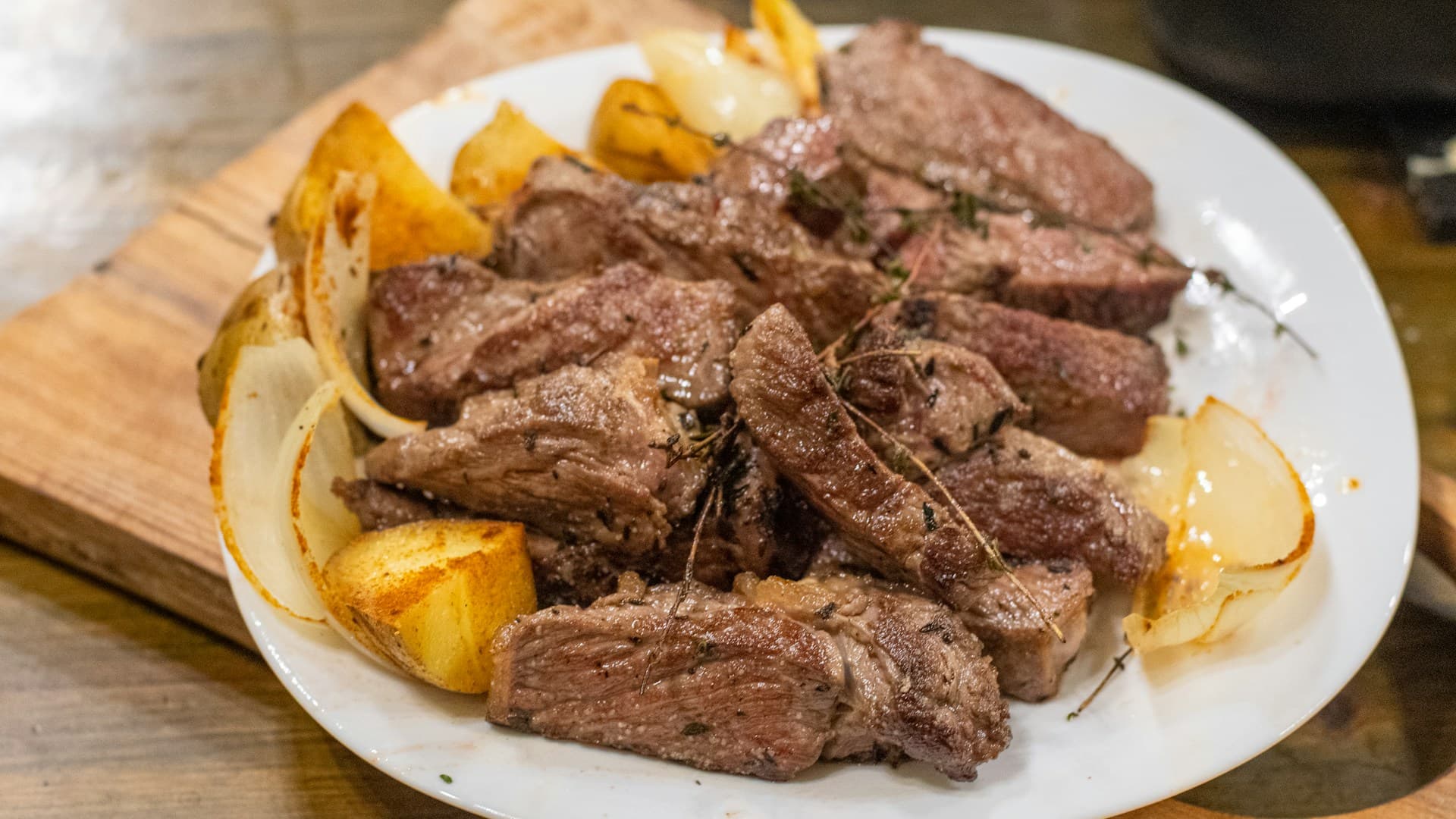
Managing metabolic health often feels like navigating a maze of conflicting advice and restrictive protocols. Many people find themselves overwhelmed by the noise of calorie counting and complex meal prepping.
Combining the medication Ozempic and carnivore diet principles has emerged as a potent strategy for those seeking simplicity. This approach layers pharmaceutical support with a nutrient-dense elimination diet.
However, merging these two powerful interventions requires careful planning to avoid digestive distress. This guide explores how to safely integrate animal-based nutrition with GLP-1 therapy for optimal results.
Why Combine Ozempic and the Carnivore Diet?
Both Ozempic (semaglutide) and the carnivore diet are powerful tools for managing insulin resistance and promoting satiety. By layering them, many individuals aim to create a synergistic effect that tackles metabolic health from two distinct angles.
Amplified Appetite Suppression
Combining delayed gastric emptying with high-protein satiety results in drastically reduced food noise for most people. The medication slows digestion, while the diet triggers natural satiety signals like peptide YY.
This dual mechanism creates a powerful buffer against cravings and impulsive snacking. I often observe that this combination naturally extends fasting windows from 12 to over 16 hours without conscious effort.
Stabilizing Blood Glucose Levels
The most significant outcome of this pairing is the potential for 'flatlined' glucose curves throughout the day. The carnivore diet removes the primary source of spikes—carbohydrates—while Ozempic works to lower baseline glucose levels.
On a standard diet, a meal might spike glucose to 180 mg/dL, requiring a strong insulin response. In contrast, zero-carb nutrition often keeps levels stable, rarely exceeding 100 mg/dL post-prandially.
Simplifying Dietary Decisions
Eliminating decision fatigue provides immense mental clarity for those navigating weight loss. The binary rule of 'eat meat, drink water' complements the naturally lower appetite caused by the medication.
Removing sides and vegetables saves significant time on shopping, prep, and tracking. Many find they save 15–20 minutes per meal simply by skipping the complex vegetable preparations.
However, before diving into a meat-only menu, it is helpful to understand how the medication and the diet function differently.
Key Differences at a Glance
While often used together, Ozempic and the carnivore diet operate through different mechanisms and require different commitments. This quick comparison helps clarify the role of each in your health journey.
Medication vs. Lifestyle Intervention
Understanding the distinction between a biochemical intervention and a nutritional strategy is vital. The table below outlines the primary differences in how they function.
| Feature | Description |
|---|---|
Mechanism of Action | Mimics GLP-1 hormone vs. Eliminates inflammatory triggers |
Primary Cost | Monthly prescription vs. Higher grocery bill |
Adaptation Period | Nausea/GI upset vs. Keto flu/Fatigue |
Maintenance Requirement | Indefinite use vs. Flexible cycling |
One acts directly on your hormonal signaling, while the other reshapes your metabolic fuel source.
Sustainability Factors
Long-term adherence varies significantly between a prescription and a diet. GLP-1 therapy is typically indefinite, whereas the carnivore diet offers flexibility and can be cycled.
Some individuals stay strict carnivore for six months to maximize weight loss before introducing variety. A common transition involves moving to a 'ketovore' approach for maintenance while continuing the medication.
Once you understand the basics, the challenge lies in tailoring the diet to accommodate the medication's physical effects.
Adjusting the Carnivore Diet for Ozempic Users
Standard carnivore protocols often encourage high fat intake, but this can be problematic when your digestion is chemically slowed. To thrive on this combination in 2025, you must modify traditional meat-based advice to suit your medicated state.
Prioritizing Leaner Cuts Initially
Reducing overall fat load is essential to preventing nausea during the adaptation phase. Swapping heavy, rendered fats for lighter proteins helps mitigate gastrointestinal stress.
I recommend choosing 90/10 ground beef or sirloin instead of 70/30 blends or fatty ribeyes. This adjustment can be difficult to plan for if you are used to traditional keto recipes.
Tools like Carnimeat can simplify this by providing personalized meal plans that filter for leaner options. Access to tailored recipes ensures you stay compliant without triggering digestive upset.
Managing Meal Volume and Frequency
The 'One Meal A Day' (OMAD) norm popular in carnivore circles often clashes with Ozempic. Smaller, more frequent meals are necessary to prevent reflux and uncomfortable fullness.
Try splitting one large 16oz steak into two or three separate 5–6oz meals throughout the day. This reduces the mechanical load on your stomach while maintaining protein intake.
Hydration and Electrolytes
Preventing the 'keto flu' is critical, as medication-induced dehydration can compound the symptoms. Both ketosis and GLP-1 agonists act as diuretics, flushing water and salt from the body.
1. Salt liberally — Add quality salt to every meal to replace lost sodium.
2. Supplement magnesium — Take a nightly dose to support muscle function and hydration.
A simple pro-active step is adding a pinch of sea salt to every glass of water you drink.
Incorporating 'Gentle' Animal Foods
Foods that require less mechanical digestion can soothe a sensitive stomach. Options like white fish, poached eggs, and poultry are often better tolerated than dense red meat.
Using a cup of bone broth as a meal replacement is an excellent strategy when appetite is too suppressed for solid food. It provides essential nutrients without the bulk.
The Role of Dairy
Dairy can be a double-edged sword, potentially causing inflammation or stalling weight loss for some. If you experience bloating, it is wise to test your tolerance.
1. Eliminate — Remove all dairy for two weeks.
2. Reintroduce — Test heavy cream first to see if bloating subsides.
Even with the right food choices, your body will go through an adjustment period that requires careful management.
Managing Digestive Adaptation
The 'meat and meds' combination creates a unique set of digestive challenges as your body adapts to ketosis while dealing with slowed motility. Being proactive can prevent common pitfalls like the 'keto flu' overlapping with medication side effects.
Combating Constipation
Maintaining regularity without fiber is a primary concern for many on this protocol. Meat is low-residue, but medication-slowed motility can still cause issues.
Increasing water intake and adding electrolytes are the first lines of defense. If no movement occurs for 48 hours, taking 400mg of magnesium citrate before bed often helps.
Dealing with Nausea and Aversions
Maintaining adequate protein intake can be tough when you experience meat aversions. Modifying the temperature and texture of your food can make a significant difference.
Many people find that cold sliced chicken or roast beef triggers less nausea than hot, greasy steaks. Keeping foods bland and cool often bypasses the smell triggers that cause queasiness.
Recognizing 'Sulfur Burps'
Sulfur burps are a specific side effect caused by protein fermenting in the stomach due to delayed emptying. They can be unpleasant but are usually manageable.
Digestive enzymes can assist in breaking down protein more efficiently. Avoiding water for 30 minutes after meals also helps keep stomach acid concentrated for digestion.
When to Seek Care
It is crucial to recognize severe complications like pancreatitis or extreme dehydration. Red flags include severe abdominal pain radiating to the back or an inability to keep liquids down for 24 hours.
These symptoms are not normal side effects and require immediate medical attention. Always err on the side of caution and consult a doctor if symptoms persist.
Beyond digestion, preserving your lean body mass is the next priority when weight loss accelerates.
Safeguarding Muscle and Metabolism
Rapid weight loss from this potent combination can sometimes lead to muscle loss (sarcopenia) if protein intake isn't sufficient. Protecting your metabolic engine is essential for long-term health.
Meeting Protein Goals
Appetite suppression should never lead to starvation or protein deficiency. Prioritizing protein before added fats ensures you feed your muscles first.
Aim for at least 0.8 to 1 gram of protein per pound of your ideal body weight daily. This baseline supports muscle maintenance even in a caloric deficit.
Resistance Training Essentials
Strength training is non-negotiable for shaping body composition during rapid weight loss. While diet strips away the weight, muscle is what drives your metabolism.
Commit to 2–3 full-body resistance sessions per week to signal your body to hold onto lean tissue. This doesn't require a gym; bodyweight exercises are effective starting points.
Monitoring Energy Levels
Distinguishing between low energy from a caloric deficit versus 'keto flu' takes practice. Always check your salt intake first before assuming you need more food.
If sodium levels are adequate but you still hit an afternoon slump, try adding more fat. A tablespoon of butter or tallow added to a meal can provide a necessary energy boost.
Finally, let's look at what the road ahead looks like for those committing to this lifestyle.
Long-Term Considerations and Outlook
Combining Ozempic with a carnivore diet is often a temporary intervention to restore metabolic flexibility, though some choose it as a permanent lifestyle. Understanding the long game helps you set realistic expectations.
Digital Tools for Consistency
Consistency is the hardest part of any lifestyle change, especially when managing medication protocols. Services like Carnimeat provide a centralized platform for tracking progress and accessing community challenges.
Using a dedicated app helps maintain motivation by visualizing your water intake, weight trends, and fasting windows. While technology isn't mandatory, it significantly reduces the mental load of daily tracking.
Transitioning Off Medication
Many people use the carnivore diet as a maintenance tool after their medication course ends. The high satiety of animal proteins helps prevent weight regain after stopping GLP-1s.
A common strategy involves continuing the high-protein approach while slowly tapering the medication dosage. This allows your body to adjust to natural hunger signals over several months.
Social and Lifestyle Impact
Eating meat-only while managing medication side effects can be socially challenging. However, most restaurants can accommodate a simple request for plain meat.
For example, ordering double burger patties without the bun is an easy way to stay compliant at a fast-food stop. With confidence, navigating social gatherings becomes second nature.
FAQ
Can I eat high fat on Ozempic?
Many people find that very high fat intake causes nausea due to delayed gastric emptying. It is often better to start with leaner proteins and gradually increase fat as your body adapts.
Will I lose muscle combining Ozempic and carnivore?
Rapid weight loss can cause muscle loss if protein intake is too low. You can mitigate this by eating at least 0.8g of protein per pound of ideal body weight and resistance training.
Do I need fiber supplements while on this combination?
Most people do not need fiber supplements, as meat is almost fully absorbed by the body. If constipation occurs, focus on hydration and electrolytes like magnesium before adding fiber.
Is it safe to do the carnivore diet long-term?
Many individuals thrive on this diet for years, reporting sustained energy and weight maintenance. Regular blood work is recommended to monitor your individual response to the diet over time.
Conclusion
Combining Ozempic with the carnivore diet offers a powerful, dual-pronged approach to metabolic health. By leveraging the appetite suppression of medication and the nutrient density of animal foods, you can achieve profound results.
However, success requires listening to your body and adjusting your fat and protein ratios to prevent digestive issues. With careful planning and the right support, this combination can be a transformative step in your health journey.
Try carnimeat today
Related Articles

10 Foods Associated With Slower Biological Aging
Nutrition5 min read

8 Signs Your Gut Needs Help and How to Restore Balance Naturally
Nutrition5 min read

How Much Protein Do You Need to Build Muscle, Lose Fat, and Age Strong
Nutrition5 min read

High Diet App Review: What's Inside, What It Costs, and How To Manage It
Nutrition5 min read

Flame Diet App Review: What You Get, What It Costs, and How To Cancel
Nutrition5 min read

Senior Diet App Review: What's Included, What It Costs, and How To Cancel
Nutrition5 min read
Comments
(0)Leave a comment
Your email will not be published. All fields are required.