The Mediterranean Stance on Oat Milk
Nutritional Benefits and Considerations
Key Differences at a Glance: Oat Milk vs. Dairy
How to Select the Healthiest Oat Milk
Creative Ways to Use Oat Milk in Mediterranean Meals
Other Plant-Based Milk Alternatives
FAQ
Yes, oat milk is allowed if you choose unsweetened, minimally processed varieties. It serves as a plant-based alternative rather than a direct replacement for fermented dairy.
This guide covers how to fit oat milk into the Mediterranean lifestyle without compromising your health goals. We will explore nutritional benefits, smart shopping tips, and daily usage.
Many people ask about oat milk on mediterranean diet plans because traditional guidelines prioritize cow or goat milk. The answer lies in how you use it.
The Mediterranean Stance on Oat Milk
The
Mediterranean diet is more of a lifestyle template than a strict rulebook. It focuses on whole, plant-based foods rather than rigid exclusions.
Oat milk can find a comfortable home here if we treat it as a lightly processed grain product. It should not be viewed as a direct nutritional clone of cow's milk.
Fitting plant-based milks into the pyramid
Modern adaptations of the diet welcome plant-based beverages alongside traditional options. While olive oil and vegetables are the foundation, oat milk fits well as a daily hydration option.
I often suggest positioning it alongside herbal teas. It provides variety without displacing essential nutrient sources like leafy greens.
The importance of the 'minimally processed' rule
A core tenet of this lifestyle is eating whole foods versus processed derivatives. The closer the milk is to simple oats and water, the better it fits the diet's philosophy.
Contrast a simple 3-ingredient carton against one with a long list of stabilizers. Simplicity is the key to maintaining dietary integrity.
Balancing oat milk with traditional fermented dairy
One shouldn't necessarily replace all Greek yogurt or kefir with oat milk unless vegan. Fermented dairy offers unique probiotic benefits that oat milk lacks.
A balanced approach works best for most people. Consider using oat milk in coffee while keeping Greek yogurt for breakfast to maintain probiotic intake.
Understanding where it fits is the first step. Next, we need to look at what it actually does for your body.
Nutritional Benefits and Considerations
From a metabolic perspective, oat milk offers a unique profile distinct from both dairy and nut milks. Its primary asset is beta-glucan, a type of soluble fiber known to support heart health.
However, it requires careful integration to avoid blood sugar spikes. Balancing these factors is essential for long-term success.
Smart Dietary Planning
Navigating nutritional trade-offs can be challenging for beginners. I have found that personalized tools often make this transition smoother.
Services like
no.Diet simplify this by creating custom meal plans that align with your body's needs. This helps ensure your choices, including oat milk, fit your overall macros.
Beta-glucan and heart health
Beta-glucan fiber found in oats is a powerful ally for cardiovascular wellness. It helps trap cholesterol in the digestive tract, preventing absorption.
Research suggests aiming for about 3g of beta-glucans per day to see cholesterol benefits. A glass of oat milk contributes significantly to this daily target.
The glycemic impact of liquid oats
Enzyme processing can turn oat starch into simpler sugars like maltose. This can lead to a faster rise in blood glucose compared to whole oats.
1. Pair strategically — Consume oat milk with fats or proteins.
2. Avoid isolation — Don't drink it alone on an empty stomach.
3. Monitor portion — Stick to standard serving sizes.
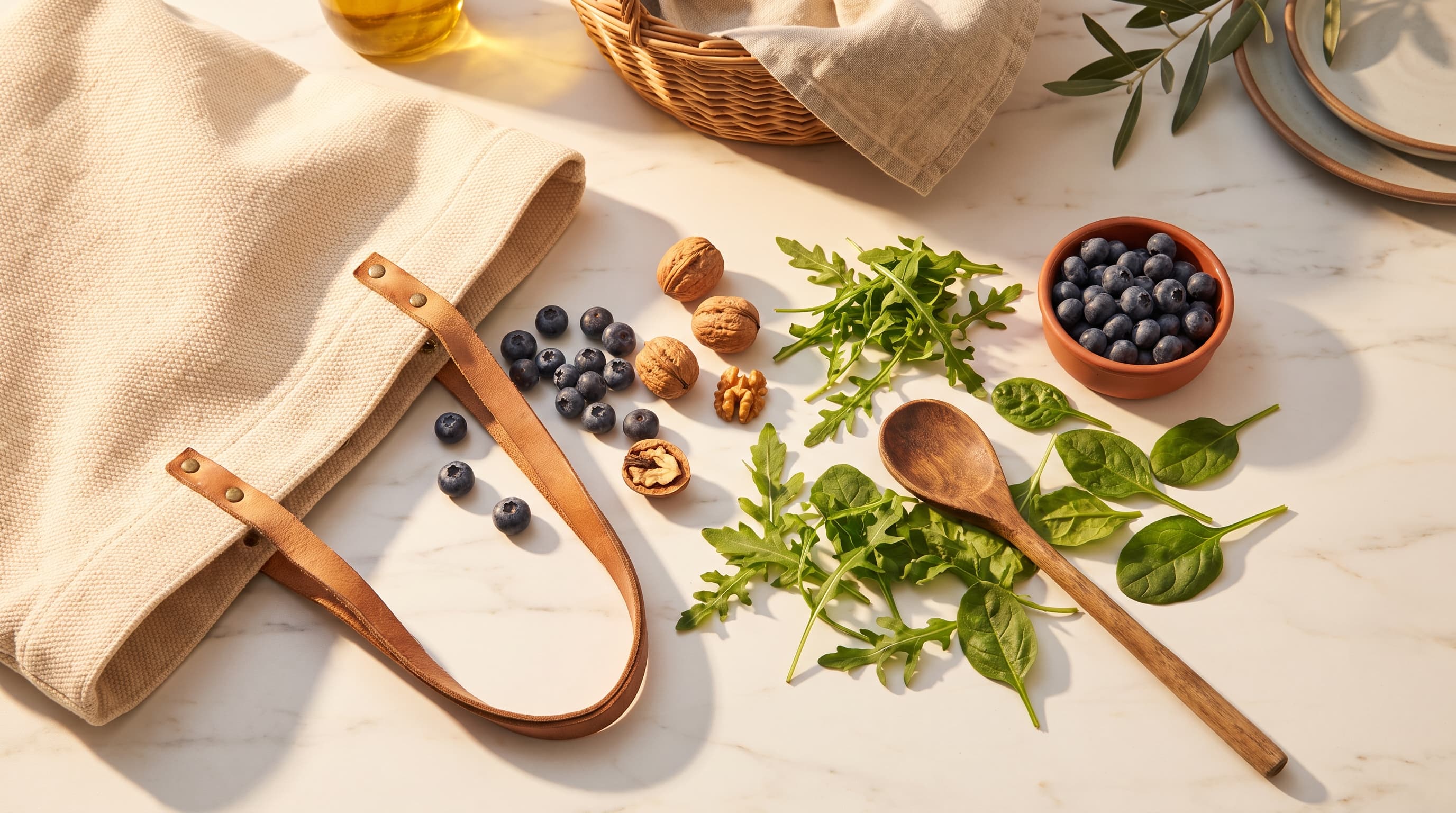
I recommend pairing oat milk lattes with a handful of walnuts. This simple addition helps mitigate potential blood sugar spikes.
Protein differences vs. cow's milk
Oat milk is generally lower in protein than cow's milk or soy milk. This matters for satiety and muscle maintenance, especially in older adults.
Dairy milk typically provides about 8g of protein per cup, whereas oat milk offers around 3g. You must supplement with other protein sources like eggs or
legumes.
Fortification: Calcium and Vitamin D
Oats naturally lack the high calcium content found in dairy. Choosing fortified versions bridges this important nutritional gap.
Look for labels indicating 20–30% DV of Calcium and Vitamin D. This ensures your bone health remains a priority.
Gut health and digestion notes
Oat milk is generally gentle on the stomach for those with lactose intolerance. It offers a creamy texture without the digestive distress of dairy.
However, persistent bloating after switching milks warrants attention. It could indicate sensitivities to gums or fillers used in certain brands.
Knowing the nutrition is vital. Seeing how it stacks up directly against traditional options helps clarify the choice.
Key Differences at a Glance: Oat Milk vs. Dairy
To make the best choice for your personal health goals, it helps to see the direct trade-offs. Here is how modern oat milk compares to traditional Mediterranean dairy.
Each option serves a distinct function within a balanced diet. Review the metrics below to decide what fits your needs.
When to choose oat milk
Oat milk is the superior choice for specific dietary restrictions. Use it when targeting lower LDL cholesterol through increased soluble fiber intake.
It is also ideal for strict vegan adherence during religious fasting periods like Lent. The flavor profile is often more palatable for coffee drinkers than soy.
When to stick with traditional dairy
Traditional dairy wins when protein density is the priority. Prioritize Greek yogurt for children or seniors who need support for growth and muscle preservation.
Fermented dairy also provides essential probiotics not found in standard oat milk. These are crucial for maintaining a healthy gut microbiome.
Once you've decided to include oat milk, the challenge becomes shopping. You must find a brand that isn't hiding unwanted ingredients.
How to Select the Healthiest Oat Milk
Not all cartons are created equal; some are closer to a milkshake than a health food. Reading the ingredient label is the single most important step in maintaining dietary integrity.
Marketing claims on the front often hide poor nutritional value on the back. You need to know exactly what to look for.
Analyzing the ingredient list
A 'clean' label should list minimal ingredients: oats, water, salt, and perhaps enzymes. Be wary of long lists containing unrecognized chemical names.
Avoid brands listing 'dipotassium phosphate' if you have sensitive digestion. Simplicity indicates a higher quality product.
Identifying added sugars
The word 'original' on a package often implies sweetened. You should look specifically for 'Unsweetened' on the front of the carton.
Advise aiming for strictly 0g of
Added Sugar on the nutrition panel. This prevents unnecessary insulin spikes throughout your day.
Navigating seed oils in oat milk
Rapeseed or sunflower oil is commonly added to create a creamy texture. While the Mediterranean diet prioritizes olive oil, small amounts of these oils are generally acceptable.
Seek out 'oil-free' specific brands if you are strictly minimizing omega-6 intake. This is a personal choice based on your overall fat consumption.
Organic vs. conventional oats
Glyphosate concerns are often associated with non-organic oat production. Choosing organic helps reduce exposure to herbicide residues.
Look for the specific 'USDA Organic' seal to align with the clean eating ethos. This small switch can reduce your chemical load over time.
Barista blends vs. standard versions
Barista blends usually contain higher fat and sometimes phosphates for better foaming. These should be used sparingly rather than as a primary beverage.
Treat barista blends as a weekend treat rather than a daily staple. Standard unsweetened versions are better for everyday use.
With the right carton in your fridge, you can start cooking. Oat milk incorporates easily into daily meals without breaking your diet's rhythm.
Creative Ways to Use Oat Milk in Mediterranean Meals
Oat milk's creamy texture and subtle sweetness make it a versatile player in the Mediterranean kitchen. It works surprisingly well in both sweet and savory applications.
You don't need to limit it to cereal. Experimenting with different recipes keeps your diet interesting.
Creamy morning porridges
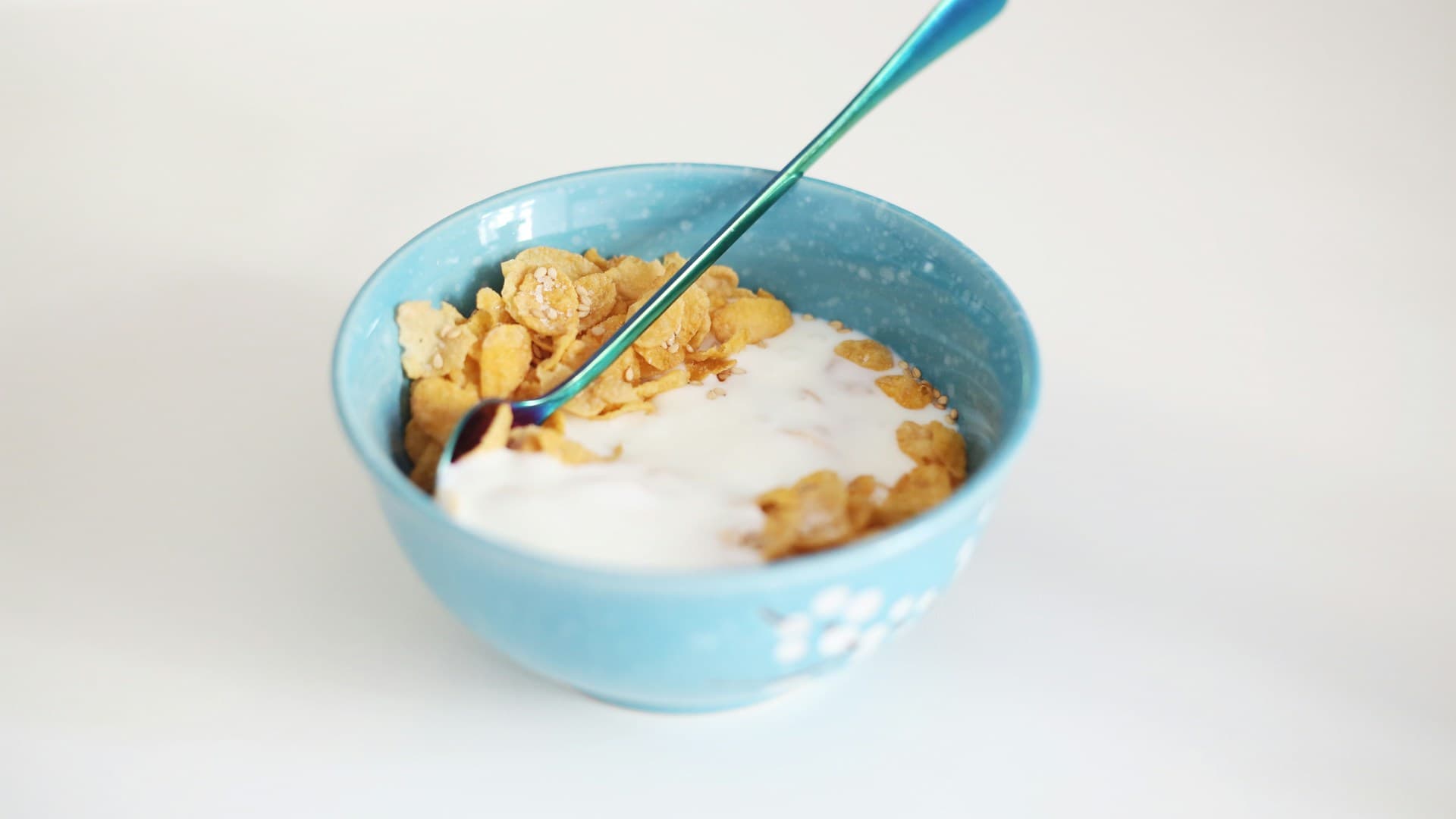
Use oat milk as the liquid base for oatmeal or overnight oats for extra richness. It complements the natural flavor of grains perfectly.
Add 1 tablespoon of chia seeds and fresh berries to boost the omega-3 profile. This creates a nutrient-dense start to your morning.
Elevating coffee and tea rituals
Oat milk is widely considered the gold standard for non-dairy lattes. The social aspect of coffee is a key part of the Mediterranean lifestyle.
Steam oat milk to a maximum of 60°C to prevent separation in acidic coffee. This preserves the silky texture you want in a cappuccino.
Thickening soups and stews
You can use oat milk to add creaminess to vegetable soups without using heavy cream. It provides body without the saturated fat load.
Use it to finish a roasted butternut squash soup for a velvety texture. Just a splash can transform the mouthfeel of a dish.
Baking and smoothie bases
Oat milk works well as a 1:1 swap for dairy milk in most baking recipes. It keeps the crumb moist while keeping the recipe dairy-free.
Use oat milk in an olive oil cake recipe for excellent results. It also adds a nice consistency to
green smoothies.
If oat milk doesn't quite suit your taste or nutritional needs, don't worry. The Mediterranean diet is flexible enough to accommodate other plant sources.
Other Plant-Based Milk Alternatives
While oat milk is popular, variety is a cornerstone of good nutrition. You might find other plant milks serve different purposes in your rotation.
Comparing options helps you build a more robust nutritional plan. Here are three common alternatives.
Almond milk
Almond milk offers a significantly lower calorie count and a distinct nutty flavor. It is a light option for those strictly managing energy intake.
Note its significantly lower protein content and high water usage in production compared to oats. It is less sustainable and less satiating.
Soy milk
Soy milk is the closest protein match to cow's milk among plant beverages. It contains a complete amino acid profile.
With 7-9g of protein per cup, it is a better choice for post-workout recovery smoothies. It provides the structural support muscles need.
Hemp and flax milk
Hemp and flax milks are excellent sources of Omega-3 fatty acids. This aligns beautifully with the anti-inflammatory nature of the Mediterranean diet.
They often have a stronger, earthier taste that some people enjoy. Rotating these in can boost your healthy fat intake.
FAQ
Is oat milk inflammatory?
Generally, no, unless you are sensitive to gluten or specific additives. Choosing organic and additive-free brands minimizes any risk of inflammation.
Can I drink oat milk every day on the Mediterranean diet?
Yes, daily consumption is acceptable as part of a balanced diet. Just be mindful of the calorie and carbohydrate content relative to your activity level.
Does oat milk cause weight gain?
It can contribute to weight gain if consumed in large quantities due to its carbohydrate density. Monitoring portion sizes is important for weight management.
Is homemade oat milk better for this diet?
Homemade is often cleaner as it lacks gums, oils, and preservatives. However, it will not be fortified with calcium or Vitamin D like store-bought versions.








Comments
(0)Leave a comment
Your email will not be published. All fields are required.