Transform your body with a personalized Mediterranean meal plan.
Try no.Diet today
Mediterranean Diet Sauces: Essential Flavours for a Heart-Healthy Kitchen
By: Healthtime Editorial
Fact checked by: QA Team
Updated on: October 7, 2026
0
9162
8 min
In this article
- The Health Benefits of Mediterranean Sauces
- Creamy Yogurt and Cheese-Based Sauces
- Plant-Based Dips and Purees
- Herb-Forward Green Sauces
- Spicy and Savory Condiments
- How to Choose and Use Mediterranean Sauces
- FAQ

Many people find that healthy eating fails not because of a lack of willpower, but due to a lack of flavour. Dry chicken and plain steamed vegetables are rarely sustainable long-term.
Mediterranean sauces offer the perfect solution, transforming simple ingredients into vibrant, satisfying meals. This guide explores the nutritional benefits of these condiments and how to integrate them into your daily routine.
I will cover the best dairy, plant-based, and herb-forward options to keep your heart healthy and your palate engaged.
The Health Benefits of Mediterranean Sauces
The primary nutritional advantage of these sauces lies in their reliance on monounsaturated fats and anti-inflammatory ingredients. Unlike many commercial dressings, they avoid refined sugars and saturated fats.
As a writer focused on nutrition, I often recommend them as 'flavour bridges'. They make eating nutrient-dense whole foods more enjoyable and sustainable.
Healthy Fats as a Nutritional Foundation
Most Mediterranean sauces are built on a foundation of cardiovascular champions: extra virgin olive oil, sesame seeds, and nuts. These ingredients are rich in monounsaturated fatty acids (MUFAs), which are crucial for heart health.
Research shows that MUFAs help reduce bad cholesterol levels and lower the risk of heart disease. Furthermore, these healthy fats are essential for absorbing fat-soluble vitamins like A, D, E, and K.
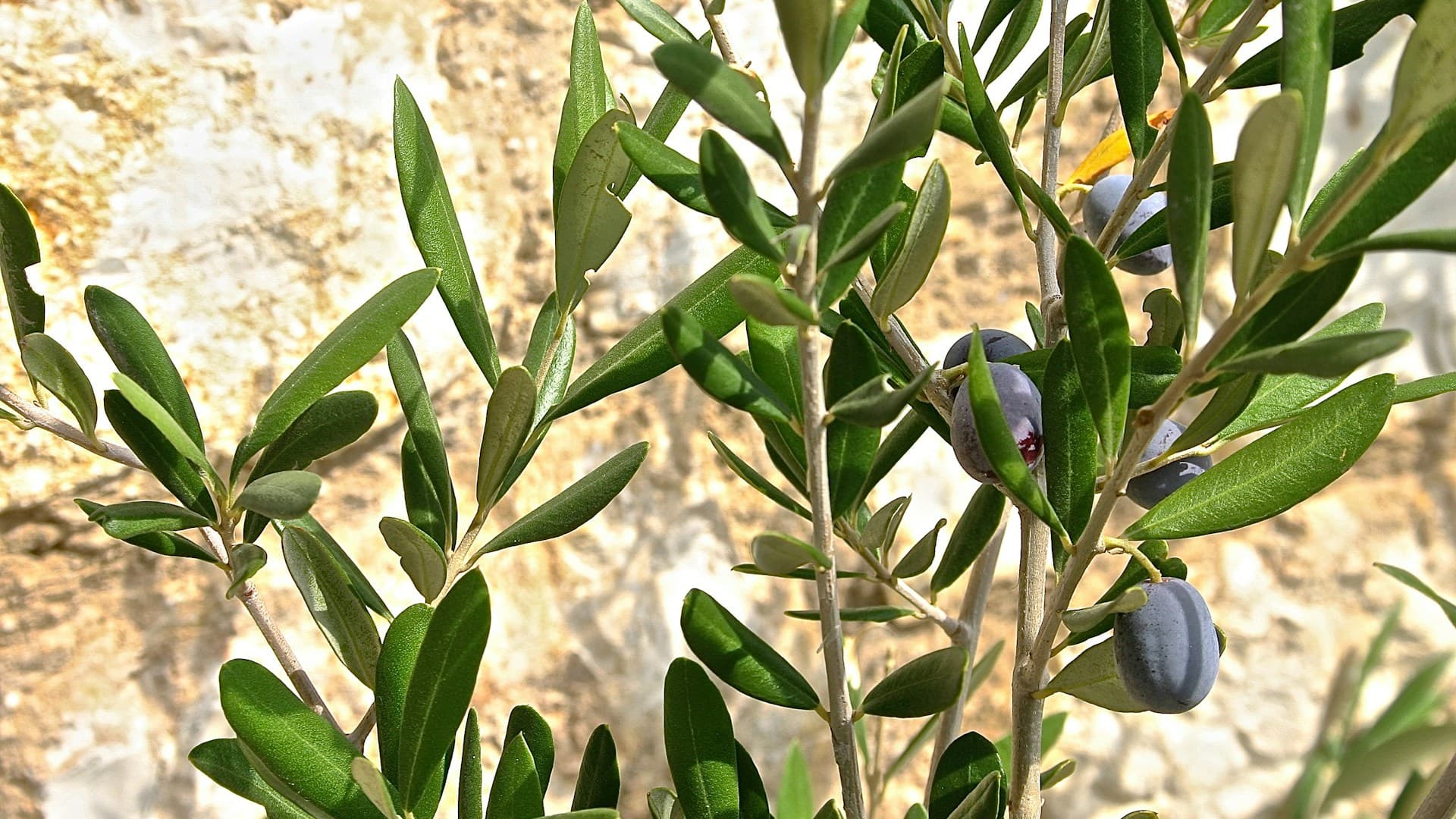
Without adequate dietary fat, your body simply cannot utilise the nutrients from the vegetables you are dipping. This contrasts sharply with inflammatory seed oils found in processed dressings.
Antioxidant Power of Fresh Herbs and Spices
Herbs in this cuisine are not mere garnishes; they are potent sources of compounds that combat oxidative stress. I encourage viewing ingredients like oregano and basil as functional components of your meal.
Key Herb Benefits
- Oregano: Contains high polyphenol content to fight inflammation.
- Basil: Rich in flavonoids that protect cellular structures.
- Parsley: Provides significant Vitamin K for bone health.
- Garlic: Offers sulphur compounds that support immune function.
Probiotics and Gut Health in Dairy Bases
Fermented dairy products like Greek yogurt and labneh are staples in the Mediterranean pantry. Traditional preparation methods preserve probiotics, which are vital for supporting microbiome diversity.
These sauces also provide a substantial protein boost. This helps with satiety, ensuring you feel full longer compared to using mayonnaise-based alternatives.
While the health benefits are universal, the specific nutritional profile depends on the base ingredient, starting with the popular category of yogurt-based dips.
Creamy Yogurt and Cheese-Based Sauces
Yogurt-based sauces offer a cooling counterpoint to spicy dishes and grilled meats. They provide a significant dose of calcium and protein essential for bone density.
These sauces are typically lower in caloric density than oil-based emulsions. This makes them excellent tools for weight management.
Tzatziki: The Quintessential Cucumber Dip
Traditional Tzatziki is composed of strained yogurt, grated cucumber, garlic, and fresh herbs like dill or mint. It is prized for its hydration properties and incredibly low calorie density.
When preparing this at home, I always recommend squeezing the grated cucumber thoroughly to remove excess water. This prevents the dip from becoming soupy and concentrates the flavour.
Full-fat yogurt is often a better choice than non-fat versions for satiety. For those managing complex dietary needs, digital tools like no.Diet can help track these macros and provide personalised meal plans.
Haydari: Feta and Herb Spread
Haydari is a thicker Turkish yogurt dip that incorporates salty feta cheese and fresh herbs. It offers a distinctively tangy profile that differs from the mildness of Tzatziki.
There is a nutritional trade-off to consider here. While it is higher in sodium due to the feta, it provides a rich source of calcium.
The savoury intensity means you can use less of it to flavour a dish. This often reduces the need for added salt in your main protein or vegetable.
Labneh: The Versatile Strained Yogurt
Labneh is essentially yogurt that has been strained until it reaches the consistency of cream cheese. It serves as a healthy substitute for heavier dairy spreads.
Simple Home Preparation
- Mix — Stir a pinch of salt into full-fat yogurt.
- Strain — Place the mixture in a cheesecloth-lined sieve over a bowl.
- Wait — Let it drain in the fridge for 12 to 24 hours until thick.
Once prepared, it becomes a perfect canvas for olive oil and za'atar. It offers the richness of cream cheese with the probiotic benefits of yogurt.
Tirokafteri: Spicy Feta Dip
This spicy spread combines feta, roasted red peppers, and chili for a robust flavour kick. The combination creates a nutritional synergy between the protein in the cheese and Vitamin C in the peppers.
Vitamin C helps improve the absorption of non-heme iron from plant foods. However, moderation is key with Tirokafteri.
The sodium content from the feta can accumulate quickly. I suggest using it as a potent condiment rather than a heavy dip.
For those avoiding dairy or seeking plant-based richness, the Mediterranean diet offers an impressive array of nut, seed, and vegetable-based options.
Plant-Based Dips and Purees
Legumes, nuts, and roasted vegetables form the backbone of many Mediterranean sauces. These options offer high fibre content and clean plant-based protein.
I find these particularly beneficial for stabilising blood sugar levels. They also help improve cholesterol profiles thanks to their soluble fibre.
Hummus: The Chickpea Superfood
Hummus is a nutritional powerhouse made from chickpeas, tahini, olive oil, and lemon. It provides a perfect balance of complex carbohydrates, protein, and healthy fats.

| Version | Sodium (2 tbsp) | Primary Oil |
|---|---|---|
Average Store-Bought | High (~150mg+) | Soybean/Canola |
Traditional Homemade | Controlled (~50mg) | Extra Virgin Olive Oil |
Making it at home allows you to avoid preservatives like potassium sorbate. You also ensure you are consuming anti-inflammatory olive oil rather than cheap fillers.
Baba Ganoush: Smoky Eggplant Dip
Baba Ganoush relies on roasted eggplant as its base, giving it a lighter profile than hummus. The roasting process concentrates the flavours and imparts a distinct smokiness.
Eggplants are rich in anthocyanins, powerful antioxidants found in their purple skin. These compounds are linked to improved cognitive function and heart health.
This dip is an excellent way to increase vegetable intake without feeling like you are eating a salad. The fibre content also aids in digestive health.
Tahini Sauce: Liquid Gold
Tahini sauce is simply sesame paste thinned with water, lemon juice, and garlic. It is incredibly rich in essential minerals like magnesium, calcium, and iron.
The healthy fats in tahini are excellent for supporting hormone health. I often recommend it as a dairy-free creamy dressing that adds richness to greens.
Romesco: Roasted Pepper and Nut Sauce
Romesco is a Spanish sauce crafted from roasted tomatoes, red peppers, almonds or hazelnuts, and garlic. This combination creates a nutrient-dense topping high in Vitamin C and Vitamin E.
Vitamin E is a potent antioxidant that protects cells from damage. Romesco serves as a heart-healthy alternative to sugary ketchup or heavy cream sauces for fish and poultry.
Skordalia: Garlic and Potato Dip
Skordalia is a thick Greek dip made by emulsifying garlic with a starchy base like potatoes or stale bread and walnuts. While it is more carb-heavy than other dips, its benefits are substantial.
The intense garlic content offers significant immune-boosting properties. However, due to the starch base, portion control is more important here than with vegetable-based dips.
While creamy dips are popular, some of the most potent antioxidants are found in the vibrant green herb sauces used to finish dishes.
Herb-Forward Green Sauces
Herb-based sauces are concentrated sources of micronutrients and polyphenols. Because they rely heavily on fresh produce and quality oil, they serve as powerful tools to reduce oxidative stress.
They add brightness to meals without the heavy caloric loads found in dairy or sugar-laden condiments. A small spoonful often provides enough flavour for an entire plate.
Italian Salsa Verde
Unlike its Mexican namesake, Italian Salsa Verde is a blend of parsley, capers, garlic, anchovies, and vinegar. The parsley provides a massive dose of Vitamin K, essential for blood clotting and bone health.
The anchovies contribute a beneficial boost of omega-3 fatty acids. This zesty sauce is the perfect accompaniment to boiled meats or poached fish.
Gremolata: A Zesty Milanese Condiment
Gremolata is typically a dry garnish made of lemon zest, garlic, and parsley, though it can be slightly oiled. It is virtually calorie-free yet adds immense aromatic flavour to any dish.
The Vitamin C present in the lemon zest enhances the absorption of iron from leafy greens. It is a simple way to elevate a meal's nutritional value instantly.
Pesto Genovese: The Basil Classic
Traditional basil pesto combines basil, pine nuts, parmesan, garlic, and olive oil. While it is nutrient-dense, the nuts and oil make it high in calories.
I advise treating it as a nutrient booster where a little goes a long way. You can also experiment with walnuts or spinach to vary the nutrient profile.
Beyond fresh herbs, some Mediterranean regions utilise spices and peppers to create sauces that boost metabolism and circulation.
Spicy and Savory Condiments
Spicy Mediterranean sauces utilise peppers and warming spices to stimulate metabolism. They add incredible depth to simple grains and vegetables.
These condiments are particularly effective for those looking to reduce salt intake. The heat from peppers can often mimic the satisfaction of salinity.
Harissa: North African Pepper Paste
Harissa is a paste made from roasted red peppers, chili peppers, and spices like cumin and coriander. The capsaicin in the chilies provides a metabolic boost and supports pain relief.
Spices like cumin add their own anti-inflammatory properties to the mix. It is incredibly versatile, working as a marinade or a flavourful stir-in for stews.
Toum: The Garlic Cloud
Toum is a Lebanese garlic sauce made by emulsifying garlic and oil, similar to mayonnaise but without the egg. It offers all the cardiovascular benefits of consuming raw garlic, including blood pressure support.
However, the raw garlic is potent and can cause gastrointestinal irritation in sensitive individuals. It is best enjoyed in small quantities alongside grilled meats.
Knowing which sauce to choose is only half the battle; integrating them into a daily routine requires understanding proper pairing and selection.
How to Choose and Use Mediterranean Sauces
Incorporating these sauces is one of the easiest ways to transition to a Mediterranean-style diet without feeling deprived. I recommend keeping 2–3 different types on hand to ensure variety.
Aim for one creamy, one oil-based, and one spicy option. This ensures you always have the right nutritional balance for any meal.
Pairing for Nutrient Absorption
Pairing fat-based sauces with raw vegetables is a strategic move to maximise the absorption of fat-soluble vitamins. The lipids in Tahini or Romesco unlock the nutrients in your crudités.
Best Pairings
- Hummus + Carrots: Boosts Vitamin A absorption.
- Tzatziki + Grilled Chicken: Adds moisture and probiotics to lean protein.
- Pesto + Tomato Salad: Enhances lycopene uptake.
Store-Bought vs. Homemade Considerations
When buying pre-made sauces, always read the nutrition labels carefully. Many 'Mediterranean-style' dressings use inflammatory soybean or canola oil instead of olive oil.
Watch for added sugars, particularly in balsamic glazes or tomato-based sauces. Simple homemade prep is usually superior for controlling sodium and ensuring ingredient quality.
Portion Awareness for Caloric Density
While healthy, oil and nut-based sauces are energy-dense. I frame them as potent nutrient sources rather than unlimited dips.
A serving size of 2 tablespoons usually provides satiety and benefits without leading to a caloric surplus. For precise management, apps like no.Diet are helpful for tracking these nutrient-dense additions within a balanced plan.
Now, let's address some common questions about these flavourful additions.
FAQ
What is the healthiest Mediterranean sauce?
There is no single 'best' sauce, but Tzatziki and Hummus are top contenders. Tzatziki is excellent for low-calorie hydration and protein, while Hummus offers fiber and sustained energy.
Are store-bought Mediterranean sauces healthy?
It depends on the ingredients list. Many contain seed oils, preservatives, and excess sodium, so reading labels is essential; homemade is almost always superior nutritionally.
Can I eat Mediterranean sauces if I am dairy-free?
Absolutely, as many staples like Hummus, Baba Ganoush, and Tahini are naturally plant-based. Pesto can also be made dairy-free by omitting the parmesan or using nutritional yeast.
How long do homemade Mediterranean sauces last?
Most homemade dips last 3–5 days in the refrigerator when stored in an airtight container. Sauces with high acidity or oil content, like vinaigrettes or Pesto, may last slightly longer.
Related Articles
10 Foods Associated With Slower Biological Aging
Nutrition5 min read
8 Signs Your Gut Needs Help and How to Restore Balance Naturally
Nutrition5 min read
How Much Protein Do You Need to Build Muscle, Lose Fat, and Age Strong
Nutrition5 min read
High Diet App Review: What's Inside, What It Costs, and How To Manage It
Nutrition5 min read

Flame Diet App Review: What You Get, What It Costs, and How To Cancel
Nutrition5 min read

Senior Diet App Review: What's Included, What It Costs, and How To Cancel
Nutrition5 min read
Comments
(0)Leave a comment
Your email will not be published. All fields are required.