Personalized meal plans for better health.
Explore no.Diet plans
The Pescatarian Mediterranean Diet: A Complete Guide
By: Healthtime Editorial
Fact checked by: QA Team
Updated on: October 8, 2026
0
487
8 min
In this article
- What is the Pesco-Mediterranean Diet?
- Key differences: Pescatarian vs. Traditional Mediterranean
- Evidence-based health benefits
- What to eat and avoid: A 2025 food list
- The intermittent fasting connection
- Important considerations and safety
- 7-day sample meal structure
- FAQ
- Conclusion

Many people seek the profound heart-health benefits of the Mediterranean lifestyle but prefer to skip land animals entirely. This is where the pescatarian mediterranean diet shines as a powerful alternative.
This approach combines the plant-rich foundation of Southern European eating with the omega-3 potency of seafood. It eliminates the ambiguity of "occasional meat" often found in standard guidelines.
In this guide, I will break down exactly how to implement this protocol for maximum longevity and inflammation reduction.
What is the Pesco-Mediterranean Diet?
This diet merges two of the most researched nutritional strategies into a single, cohesive plan focused on longevity and inflammation reduction. It refines the broad Mediterranean guidelines by placing strict boundaries on land-based meats.
Researchers have identified this specific variation as a potent tool for optimizing lipid profiles. It simplifies decision-making by removing beef, pork, and poultry completely.
The plant-forward foundation
Despite the name suggesting a focus on fish, the caloric hierarchy remains deeply rooted in the soil. The bulk of the plate by volume consists of vegetables, fruits, legumes, whole grains, and nuts.
It is essential to understand that this is not simply "eating fish" as a main course for every meal. It is a regimen of eating plants *plus* fish.
Seafood as the star protein
The primary shift in this diet is the source of protein and fat. We move away from the saturated fats found in red meat and towards the polyunsaturated marine fats found in seafood.
Fish and shellfish replace the red meat and poultry that dominate the standard Western diet. This substitution dramatically alters the nutrient density of your protein intake.
The role of dairy and eggs
Secondary animal products like low-fat dairy and eggs are permitted but play a supporting role. I usually suggest consuming these items in moderation, perhaps 2–4 times weekly.
This differs from standard vegetarian diets where eggs and cheese might become primary protein sources. Here, they are merely accents to the plant and marine base.
Understanding this definition is the first step. Seeing how it stacks up against the standard Mediterranean diet reveals why many experts prefer this specific variation.
Key differences: Pescatarian vs. Traditional Mediterranean
While both diets share a healthy chassis, the pescatarian variation tightens the rules on animal proteins to optimize lipid profiles. The standard version allows for flexibility that the pescatarian version removes.
Comparison at a glance
It helps to visualize exactly where the boundaries lie between these two popular approaches. The table below outlines the critical distinctions in protein sources.
| Feature | Standard Mediterranean | Pesco-Mediterranean |
|---|---|---|
Primary Protein | Plants, small amounts of meat | Plants and Seafood |
Red Meat Allowance | Occasional (monthly) | None (strictly excluded) |
Poultry Allowance | Moderate (weekly) | None (strictly excluded) |
Omega-3 Focus | High | Very High |
Why eliminate poultry and red meat?
The clinical reasoning behind removing even lean poultry and occasional red meat involves specific inflammatory markers. Red meat contains heme iron and saturated fats that may contribute to oxidative stress.
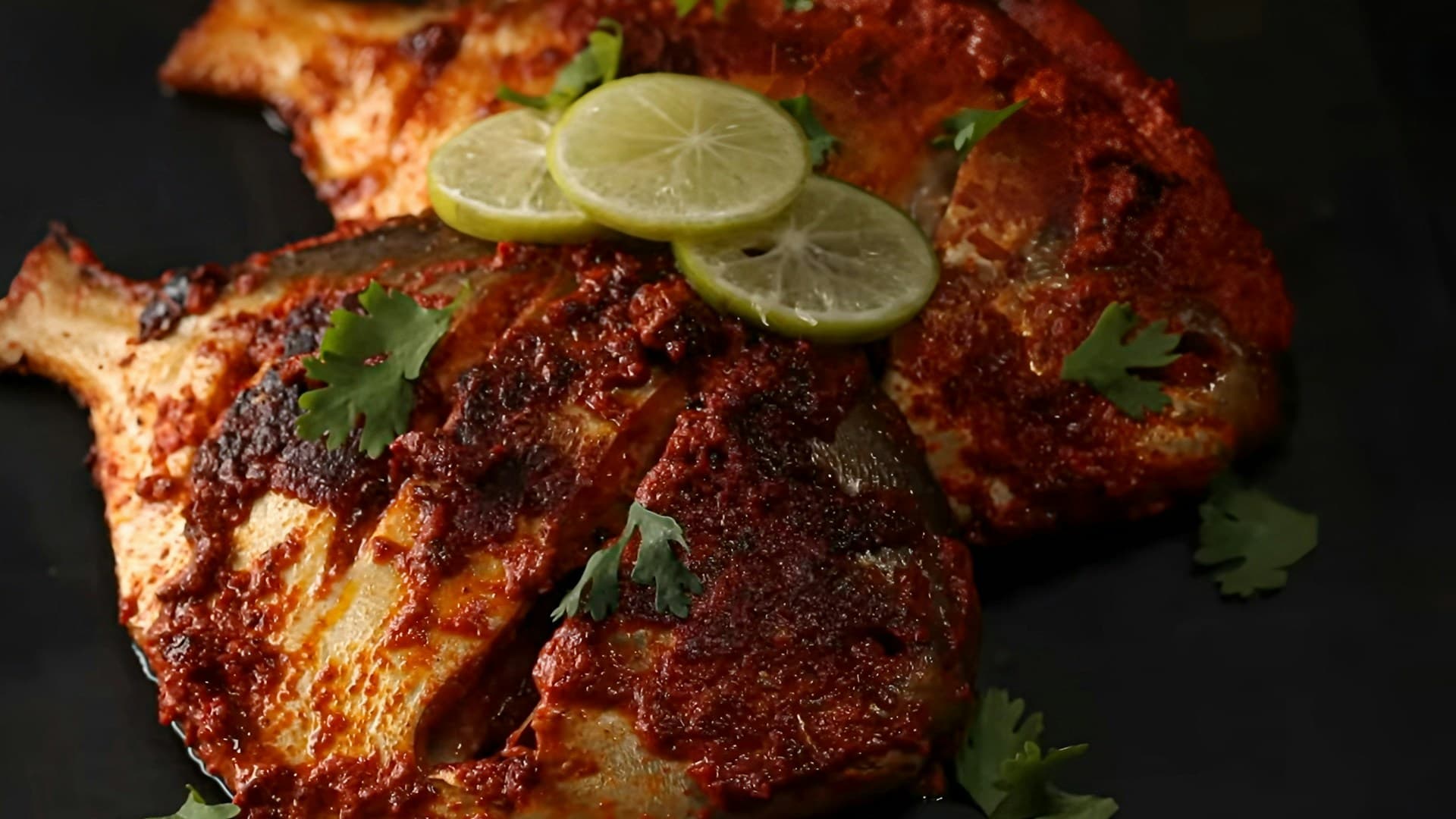
By eliminating these sources entirely, you reduce the overall burden of pro-inflammatory compounds in the diet. This creates a cleaner metabolic slate for the body.
Omega-3 to Omega-6 ratio
Focusing solely on marine protein drastically improves the ratio of anti-inflammatory omega-3s compared to pro-inflammatory omega-6s. Omega-6 fatty acids are prevalent in grain-fed land animals and industrial oils.
Shifting this balance is crucial for cellular health and systemic inflammation control. These strict protein parameters translate directly into measurable health outcomes, particularly for the heart and brain.
Evidence-based health benefits
Adopting this specific dietary pattern offers potent advantages that go beyond simple weight management. The synergy of high-quality fats and phytonutrients creates a shield against chronic disease.
Streamlining your nutrition planning
Implementing a new dietary protocol can be overwhelming without a structured plan. I often recommend using digital tools like no.Diet to create personalized meal plans that align with these strict pescatarian guidelines.
Services like no.Diet help bridge the gap between theory and daily practice by tracking macros and suggesting recipes. This support is invaluable for maintaining consistency in the early stages.
Superior cardiovascular protection
The heart health benefits of this diet are well-documented in cardiology literature. The abundance of long-chain omega-3 fatty acids (EPA and DHA) helps lower triglycerides and stabilize heart rhythm.
Recent studies in 2025 continue to highlight the Pesco-Mediterranean approach as a gold standard for lipid management. It naturally reduces LDL cholesterol while elevating protective HDL levels.
Cognitive longevity and brain health
There is a strong link between high fish consumption, olive oil intake, and a reduced risk of cognitive decline. This diet fuels the brain with necessary fats while reducing vascular damage that can affect memory.
Many researchers believe that the combination of antioxidants from plants and DHA from fish offers neuroprotective effects. It effectively feeds the brain the specific nutrients it needs to age gracefully.
Sustainable weight management
The satiety mechanisms in this diet are powerful. The high protein content of fish combined with the fiber of the plant-based base makes it easier to maintain a healthy weight.
You avoid the blood sugar spikes associated with processed foods, which leads to fewer cravings. To reap these benefits, however, you must choose the right types of seafood and plants; not all fish are created equal.
What to eat and avoid: A 2025 food list
Success on this diet relies on prioritizing nutrient-dense whole foods over processed alternatives. I have compiled this hierarchy to help you build your grocery list effectively.
Prioritize fatty fish and shellfish
- Salmon: Rich in EPA and DHA.
- Sardines: Sustainable and low in mercury.
- Mackerel: Excellent source of healthy fats.
- Herring: Nutrient-dense and affordable.
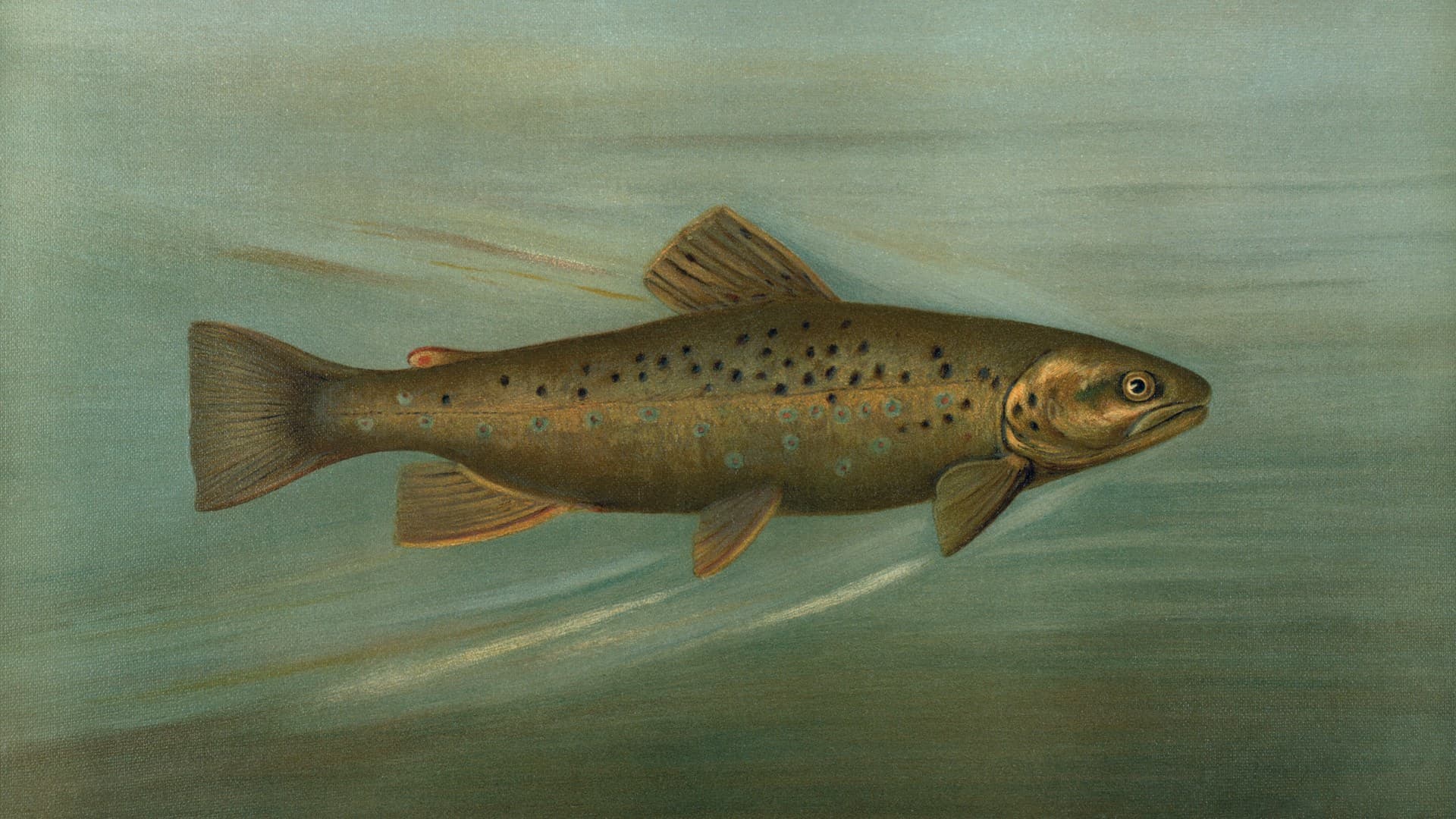
- Lake Trout: A good freshwater option.
These are preferred over lean white fish for their potent health benefits. However, leaner options like cod or tilapia are still allowed as protein sources.
High-polyphenol fats
Extra Virgin Olive Oil (EVOO) should be your primary cooking fat and dressing. Nuts like walnuts and almonds, along with seeds, are critical daily staples for texture and nutrient density.
Vegetables, legumes, and grains
You should aim for a 'rainbow' of vegetables to ensure a broad spectrum of phytonutrients. Chickpeas, lentils, and ancient grains like farro and quinoa serve as the perfect vehicle for your healthy fats.
Foods to limit or strictly avoid
You must strictly avoid all red meats, including beef, pork, and lamb. Poultry, such as chicken and turkey, is also excluded from this specific protocol.
Processed meats like bacon and deli slices are forbidden due to their nitrate and sodium content. Highly processed refined carbohydrates should also be minimized.
Beverage guidelines
Water remains the primary beverage for hydration throughout the day. Moderate consumption of red wine is optional, while tea and coffee are allowed if they are free of sugary additives.
Beyond just *what* you eat, recent research suggests that *when* you eat can amplify the effects of this diet significantly.
The intermittent fasting connection
Emerging clinical guidelines often pair the Pesco-Mediterranean diet with intermittent fasting (IF) for compounded results. This combination is gaining traction in medical circles for metabolic health.
Why combine IF with Pesco-Mediterranean?
The diet provides high-quality fuel, while the fasting window allows for cellular repair known as autophagy. General medical consensus suggests that this combination optimizes insulin sensitivity more effectively than either strategy alone.
Typical fasting windows
Accessible fasting protocols include 14:10, where you eat within a 10-hour window, or the more popular 16:8 method. The nutrient density of seafood and plants makes fasting easier to sustain because you feel fuller for longer.
While this diet is robustly healthy, a diet heavy in seafood requires specific awareness regarding environmental toxins and nutrient balance.
Important considerations and safety
A seafood-centric diet requires vigilance regarding heavy metals and specific nutrient gaps. Being proactive helps you mitigate these risks effectively.
Managing mercury intake
I always advise following the 'SMASH' acronym (Salmon, Mackerel, Anchovies, Sardines, Herring) because these fish are low in mercury. You should be cautious with high-mercury species like swordfish, shark, and tilefish.
This is especially critical for pregnant women or nursing mothers. Choosing smaller fish lower on the food chain naturally reduces toxic exposure.
Monitoring Iron and B12
While fish contains B12 and iron, the heme iron is less concentrated than in red meat. I suggest pairing plant iron sources like spinach and lentils with Vitamin C to boost absorption.
When to seek care
If you experience persistent fatigue, it could indicate anemia, while a metallic taste might suggest a need for a heavy metal check. It is always wise to consult a doctor before making major dietary changes.
Ready to switch? Here is a simple, practical way to structure your first week.
7-day sample meal structure
You do not need to cook elaborate seafood dinners every night to follow this plan. This skeleton outline shows how to balance convenience with nutrition.
Breakfast: Plant-based starts
Fish is rarely eaten at breakfast in this plan, so focus on high-fiber options.
1. Greek Yogurt - topped with walnuts and berries;
2. Avocado Toast - on whole grain bread with hemp seeds.
1. Greek Yogurt - topped with walnuts and berries;
2. Avocado Toast - on whole grain bread with hemp seeds.
Lunch: Legumes and leftovers
Lunches should be easy to assemble. Try lentil soups, tuna salads with olive oil instead of mayo, or leftover grilled fish served cold over leafy greens.
Dinner: The seafood spotlight
Use a weekly rotation strategy to keep things interesting. Plan for 3 nights of fatty fish, 2 nights of vegetarian meals using beans or lentils, and 2 nights of shellfish or lean fish.
FAQ
Can you lose weight on the pescatarian Mediterranean diet?
Yes, many people lose weight because the diet is high in protein and fiber, which promotes satiety. Eliminating processed meats and refined sugars also naturally lowers calorie intake.
Is the pescatarian Mediterranean diet expensive?
It can be, but prioritizing frozen fish, canned sardines, and plant-based proteins like lentils keeps costs down. Seasonal vegetables are also more affordable than imported produce.
How many times a week should I eat fish?
Aim for at least 3 servings of fish per week, with an emphasis on fatty fish. The remaining days can feature vegetarian protein sources.
Do I need supplements on this diet?
Most nutrients are available through food, but some people may need Vitamin D or iron supplements. A blood test can help determine if you have any specific deficiencies.
Conclusion
The pescatarian mediterranean diet is more than just a list of allowed foods; it is a scientifically robust lifestyle choice. By combining the best of the sea with the best of the earth, you create a powerful defense against inflammation.
Start by making small swaps, like replacing your Friday steak with salmon, and gradually adjust your pantry staples. With time, these changes become second nature, leading to lasting health benefits.
If you are ready to take control of your nutrition, explore the personalized plans at no.Diet to get started.
Related Articles
10 Foods Associated With Slower Biological Aging
Nutrition5 min read

8 Signs Your Gut Needs Help and How to Restore Balance Naturally
Nutrition5 min read

How Much Protein Do You Need to Build Muscle, Lose Fat, and Age Strong
Nutrition5 min read
High Diet App Review: What's Inside, What It Costs, and How To Manage It
Nutrition5 min read

Flame Diet App Review: What You Get, What It Costs, and How To Cancel
Nutrition5 min read

Senior Diet App Review: What's Included, What It Costs, and How To Cancel
Nutrition5 min read
Comments
(0)Leave a comment
Your email will not be published. All fields are required.