Get personalized meal plans and easy tracking tools.
Try carnimeat today
Sugar Free Drinks on Carnivore Diet: What is Allowed?
By: Healthtime Editorial
Fact checked by: QA Team
Updated on: October 5, 2026
0
458
8 min
In this article
- Key differences at a glance: Strict vs. Flexible choices
- Approved drinks for a strict carnivore approach
- Navigating commercial sugar free drinks on carnivore diet
- The science of artificial sweeteners and insulin
- Electrolytes and hydration essentials
- Hidden pitfalls: Drinks to approach with caution
- FAQ
- Conclusion
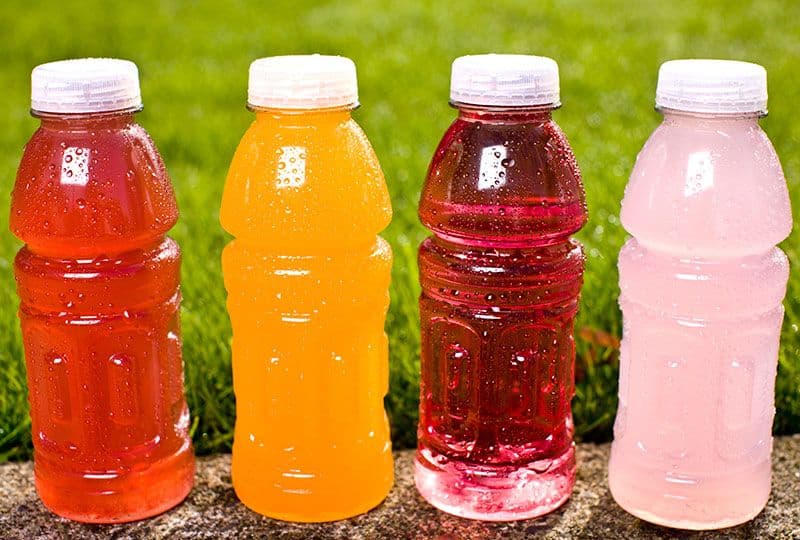
Yes, you can have sugar-free drinks on the carnivore diet if your goal is weight loss or flexibility, but strict healing protocols typically exclude them.
Understanding this distinction is crucial for long-term success. Many people use zero-calorie beverages as a bridge to help them transition away from standard diets.
However, those with severe autoimmune conditions often need to eliminate everything except water and salt.
This guide explores the complete spectrum of allowed beverages and the science behind them.
Key differences at a glance: Strict vs. Flexible choices
Defining your goals is the first step in deciding which beverages belong in your daily routine. This comparison highlights the distinction between optimal healing protocols and a more sustainable, real-world approach for beginners.
Digital Tools That Simplify Sourcing
Tracking your intake and finding compliant recipes can be overwhelming at first. I often recommend Carnimeat to help streamline the process with personalized plans and progress trackers.
Services like this remove the guesswork from your daily routine. Having a structured resource allows you to focus on consistency rather than constantly questioning your choices.
Comparison table: Strict vs. Dirty Carnivore
Once you understand where your diet falls on this spectrum, we can look at the best options for those prioritizing maximum healing.

| Drink Type | Primary Goal | Potential Drawbacks |
|---|---|---|
Water & Salt | Deep Healing | Flavor fatigue |
Bone Broth | Gut Repair | Preparation time |
Diet Soda | Adherence | Trigger cravings |
Coffee/Tea | Mental Focus | Sleep disruption |
While strict adherence offers the fastest healing, many people find long-term success by broadening their options to include commercial beverages.
Approved drinks for a strict carnivore approach
For those seeking to resolve autoimmune issues or severe gut inflammation, limiting liquids to the bare essentials is often the most effective strategy. In my experience, keeping it simple eliminates variables that might be stalling your progress.
Water and mineral water
Water is the foundation of hydration and should be prioritized above all else. I recommend choosing filtered or mineral water to avoid potential contaminants like chlorine found in tap sources.
Drink to thirst rather than forcing yourself to drink a certain volume, as overhydration can flush out essential electrolytes. Mineral waters like Gerolsteiner often provide natural calcium and magnesium (30mg+ per liter).
Bone broth and meat stocks
Bone broth is excellent for gut lining support and electrolyte replenishment. Slow-simmering bones extracts collagen and amino acids that are highly beneficial for digestion.
Strict adherents should avoid plant-based aromatics like onion or garlic during preparation. A standard cup provides approximately 9g of protein and essential sodium.
Salted water (Sole water)
Adding high-quality unrefined salt to water is a common practice for immediate energy stabilization. This helps mitigate the 'keto flu' symptoms that often occur during the adaptation phase.
Sip this mixture whenever headaches or fatigue strike during the day. Simple recipe - dissolve 1/2 tsp of Redmond Real Salt in your morning glass.
While strict adherence offers the fastest healing, many people find long-term success by broadening their options to include commercial beverages.
Navigating commercial sugar free drinks on carnivore diet
If you are using the carnivore diet primarily for weight loss or metabolic health, you may have more wiggle room for flavored beverages. This section explores the most popular non-caloric options and how to incorporate them without derailing your results.
Sparkling waters and club soda
Unflavored carbonated waters are generally safe as they contain only water and CO2. These offer a palatable variety for those who miss the sensation of fizzy drinks.
'Natural flavors' remain a gray area but are acceptable for most non-medical carnivores. Topo Chico or San Pellegrino are popular compliant choices found in most stores.
Diet sodas and zero-calorie soft drinks
Diet sodas can serve as a bridge that helps prevent sugar relapses during social events. I advise monitoring your hunger cues after consumption, as sweetness can trigger appetite in some people.
A 12oz Coke Zero offers a familiar taste with 0g carbs, making social situations easier. If weight loss stalls for more than two weeks, cut these drinks first to test your sensitivity.
Stevia and Monk Fruit sweetened drinks
Natural sweeteners like stevia are often preferred over aspartame for their lower impact on insulin. These provide low-glycemic enjoyment without the chemical aftertaste of some artificial options.

Choose liquid drops over powders to avoid fillers like dextrose or maltodextrin. Liquid stevia typically has a glycemic index of 0 compared to powdered blends.
Sugar-free energy drinks
These drinks offer pre-workout focus but require analyzing the trade-off between caffeine benefits and ingredient risks. Ingredients like taurine and artificial flavors can be problematic for those with sensitive guts.
Caution is advised due to acidity and additives that may irritate the stomach lining. High-caffeine brands like Bang often contain 300mg of caffeine, which is potent in a fasted state.
Coffee and tea considerations
While coffee and tea are plant extracts, many carnivores tolerate them well for mental clarity and ritual. It is best to consume them black or with animal fats like butter or ghee to maintain ketosis.
Limit intake to 1–2 cups before noon to ensure sleep quality isn't compromised. Including these drinks makes the diet easier, but it is vital to understand how even zero-calorie ingredients might affect your body's chemistry.
The science of artificial sweeteners and insulin
A common question I hear is whether a sweet taste alone can spike insulin, even without sugar. The answer is nuanced, and understanding the 'cephalic phase response' can help you make better decisions.
The cephalic phase insulin response
The cephalic phase response occurs when the brain tastes 'sweet' and signals the pancreas to release insulin in anticipation of sugar. This mechanism affects individuals differently and can impact metabolic goals.
Studies suggest this response may occur in approximately 20–30% of people, potentially blunting ketosis. If you feel tired after a diet soda, this might be the cause.
Impact on gut microbiome
Certain artificial sweeteners may alter gut bacteria balance, which can lead to digestive issues. If you experience bloating, removing these sweeteners could be the cure you need.
Some research links sweeteners like sucralose to a reduction in beneficial gut flora. Monitoring your digestion is the best way to gauge your personal tolerance.
Cravings and the sweet tooth loop
Continuing to consume sweet drinks can perpetuate sugar cravings and make adherence harder. A 'palate reset' period allows you to eventually appreciate the natural sweetness of meat.
It often takes 14–21 days of total abstinence to reset taste bud sensitivity. Beyond sweeteners, the most critical fluid factor on a zero-carb diet is actually sodium and electrolyte management.
Electrolytes and hydration essentials
When you remove carbohydrates, your kidneys excrete water and sodium at a much faster rate. Staying hydrated requires more than just water; it requires a balance of essential minerals.
Why water alone isn't enough
Drinking plain water without salt can worsen dehydration due to the diuretic effect of ketosis. This imbalance is the primary cause of the 'keto flu' symptoms many beginners face.
If you experience severe heart palpitations or fainting, seek medical attention immediately. Daily sodium needs often rise to 3000–5000mg on this diet.
Choosing a sugar-free electrolyte supplement
Select supplements with high sodium, magnesium, and potassium, ensuring they contain zero sugar or maltodextrin. Unflavored raw mixes are generally the safest option to avoid additives.
Look for at least 1000mg sodium per serving in a high-quality mix. Finally, let's look at a few 'sugar-free' items that might seem safe but contain hidden ingredients that can cause issues.
Hidden pitfalls: Drinks to approach with caution
Not all sugar-free labels tell the whole story, especially when you are trying to avoid plant toxins or inflammatory agents. Reading the fine print is essential to maintaining a clean diet.
Plant-based milks and creamers
Avoid almond or oat milks labeled 'unsweetened' as they often contain seed oils, gums, and oxalates. These ingredients contradict carnivore principles and can cause inflammation.
One cup of almond milk often contains gums like gellan or locust bean that can irritate the gut. Heavy cream is a superior, animal-based alternative.
Alcohol on carnivore
Occasional social enjoyment is possible, but caution is required as alcohol pauses fat metabolism. Clear spirits like vodka or tequila are the best low-carb options.
Alcohol hits harder in the absence of carbs, so moderation is key. A 1.5oz shot of plain vodka has 0g carbs, whereas low-carb beer still contains residual plant matter.
Making the right choice comes down to listening to your own body's feedback.
FAQ
Can I drink Coke Zero on a carnivore diet?
Yes, many people drink it on a 'dirty' carnivore diet for weight loss without issues. However, the artificial sweeteners and additives make it unsuitable for a strict, gut-healing protocol.
Does lemon water break a carnivore diet?
Strictly speaking, lemon is a plant product and contains trace carbs and fructose. However, most people focused on weight loss tolerate a wedge of lemon in their water without breaking ketosis.
What is the best alcohol for a carnivore diet?
Clear, unflavored spirits are the best option because they contain zero carbohydrates and sugar. Vodka, gin, tequila, and whiskey are generally preferred over wine or beer.
Will stevia knock me out of ketosis?
Pure stevia has a glycemic index of zero and generally does not spike blood sugar or insulin. It is unlikely to kick you out of ketosis, though some individuals may still experience cravings.
Conclusion
Choosing the right drinks on a carnivore diet depends entirely on your personal goals and sensitivity levels. While water and bone broth are the gold standards for healing, sugar-free drinks can be useful tools for adherence.
Listen to your body's signals regarding cravings and digestion to find the balance that works for you. Start with strict options if possible, and reintroduce others slowly.
If you are ready to optimize your nutrition plan, explore Carnimeat for comprehensive guides and meal tracking.
Related Articles
10 Foods Associated With Slower Biological Aging
Nutrition5 min read
8 Signs Your Gut Needs Help and How to Restore Balance Naturally
Nutrition5 min read

How Much Protein Do You Need to Build Muscle, Lose Fat, and Age Strong
Nutrition5 min read
High Diet App Review: What's Inside, What It Costs, and How To Manage It
Nutrition5 min read

Flame Diet App Review: What You Get, What It Costs, and How To Cancel
Nutrition5 min read

Senior Diet App Review: What's Included, What It Costs, and How To Cancel
Nutrition5 min read
Comments
(0)Leave a comment
Your email will not be published. All fields are required.