8 Signs You Are In Ketosis I Noticed In My First 4 Weeks
By: Tasha Greene
Fact checked by: QA Team
Updated on: September 25, 2026
0
2081
8 min
In this article
Why Knowing the Signs You Are in Ketosis Matters
The 8 Signs You Are in Ketosis That I Spotted Myself
How to Apply These Signs to Your Keto Journey
FAQ
I started my low-carb journey in early 2026, dropping my intake to under 50g of carbs daily. The first few days left me feeling fatigued and unsure if the process was working.
Once I learned to spot the positive signs you are in ketosis, everything clicked into place. The journey shifted from confusing to motivating as my body adapted.
These physical clues helped me push past the rough transition period. Soon after, I began enjoying steady energy and reliable appetite control.
1.
Fruity or metallic breath from early acetone production.
2.
A sudden drop in appetite and eliminated snack cravings.
3.
Steady energy that lasts through long workdays.
4.
Sharper mental focus and clear thoughts.
5.
Quick initial weight loss on the scale.
6.
Increased thirst requiring constant hydration.
7.
Fading flu-like symptoms after the first week.
8.
Improved mood and overall stability.
Why Knowing the Signs You Are in Ketosis Matters
I remember feeling lost during those first few days of cutting carbs. I constantly wondered if my early headaches meant I was doing it right or if I needed to quit.
Recognizing the changes in my body became my personal guide to staying consistent. It helped me enjoy the process instead of just white-knuckling through the days.
They Turn Uncertainty Into Motivation During the Early Weeks
I found that knowing the signs you are in ketosis kept me from giving up when the transition hit hard. My fatigue peaked around days three through seven.
Research shows these symptoms usually resolve within one to two weeks. Your body just needs time to shift after glycogen depletion occurs in the first 48 hours.
Focusing on hydration, electrolytes, and fiber helped me see the discomfort as temporary progress. It made a clear difference for my long-term consistency on a busy schedule.
They Help You Separate Normal Adaptation From Problems
When I tested my own symptoms against what the science says, I felt more secure. I learned to tell the difference between safe nutritional adaptation and serious issues.
Nutritional ketosis involves blood beta-hydroxybutyrate levels between 0.5 and 3.0 mmol/L. This distinction gave me confidence instead of worry while chasing my weight loss goals.
Here is a quick breakdown of how I distinguished safe adaptation from medical concerns.
Metabolic State
Blood BHB & Safety
Nutritional Ketosis
0.5-3.0 mmol/L (Safe)
Ketoacidosis
Over 10 mmol/L (Emergency)
I learned to track clusters of signs rather than isolating one symptom. Now that I have covered why these signs matter, let us look at the specific clues I spotted.
The 8 Signs You Are in Ketosis That I Spotted Myself
After monitoring my body closely during my first month, certain patterns emerged. I ranked these eight signs by how early and clearly they appeared for me.
Each small change gave me a win that kept me motivated on my path. Here is exactly what I experienced.
1. Fruity or Metallic Breath
I noticed a distinct fruity scent on my breath about four days into my new routine. This happens when your body switches to fat fuel and exhales acetone as a byproduct.
This sensory sign reassured me I was on track even before other changes kicked in. Chewing sugar-free gum helped me manage it in social situations until it faded.
2. A Sudden Drop in Appetite
One of my favorite surprises was how my hunger naturally decreased after the first week. Science points to ketones lowering ghrelin and raising CCK, as detailed in 2015 Paoli research.
I used Ketoway to log my daily meals and monitor my fat intake closely. The app's visual tracking features helped me see exactly how my specific macros correlated with my fading hunger.
It took the guesswork out of hitting my targets and made the transition smoother. If you struggle with cravings, this sign feels like freedom.
3. Steady Energy That Lasts All Day
After pushing through short-term fatigue, I experienced consistent energy without the usual afternoon crash. This happened once I hit full adaptation around the two to four-week mark.
The science explains that your brain efficiently uses ketones after your glycogen stores drop. This steady fuel source provides a great advantage for active people.
4. Sharper Mental Focus and Clarity
My brain fog lifted completely around week two, giving me laser focus. I credit this to my brain adapting to ketone bodies as an alternative fuel source.
This positive shift happened after limiting my carbs to 50g daily. I no longer relied on caffeine to power through my afternoon tasks.
5. Quick Initial Weight Loss
I dropped a few kilograms in the first seven days, largely from water and glycogen loss. Reviews confirm this is common, and it gave me an encouraging boost.
Seeing the scale move confirmed my body had made the metabolic switch. This early win motivated me to stick with my routine.
6. Increased Thirst and More Bathroom Trips
I started drinking way more water and visiting the bathroom often. My body was flushing electrolytes during the metabolic switch on lower carbs.
While not the most glamorous sign you are in ketosis, it reminded me my system was adjusting properly. Staying ahead of hydration prevented worse symptoms.
7. Keto Flu Symptoms That Gradually Fade
The headaches and tiredness hit me early but eased up after a week or two. I focused on replenishing my electrolytes to help my body adapt.
I tracked this shift daily and felt excited when the mental fog finally cleared. Moving past this rough patch showed I was transitioning into real adaptation.
8. Improved Mood and Fewer Cravings
After the first two weeks, my mood stabilized and my sweet cravings basically vanished. This change is directly tied to stable blood sugar and appetite-suppressing ketones.
It helped me tackle lifestyle challenges with more enthusiasm than before. Recognizing these clues in real time is powerful, but application is what drives results.
How to Apply These Signs to Your Keto Journey
I tested plenty of approaches during my first month on this plan. I learned that the real value comes from using what you observe to tweak your habits.
Here is how I turned these physical signs into practical steps. These methods worked well for my routine and lifestyle.
Track Symptoms With Consistent Timing
I journaled my signs daily and tested my blood beta-hydroxybutyrate levels in the morning. I aimed for the 0.5 to 3.0 mmol/L range for objective confirmation.
This helped me link how I felt to actual data and catch hidden carbs early. Patience during the first two weeks is key since full adaptation takes longer.
Digital Tools That Simplify Tracking
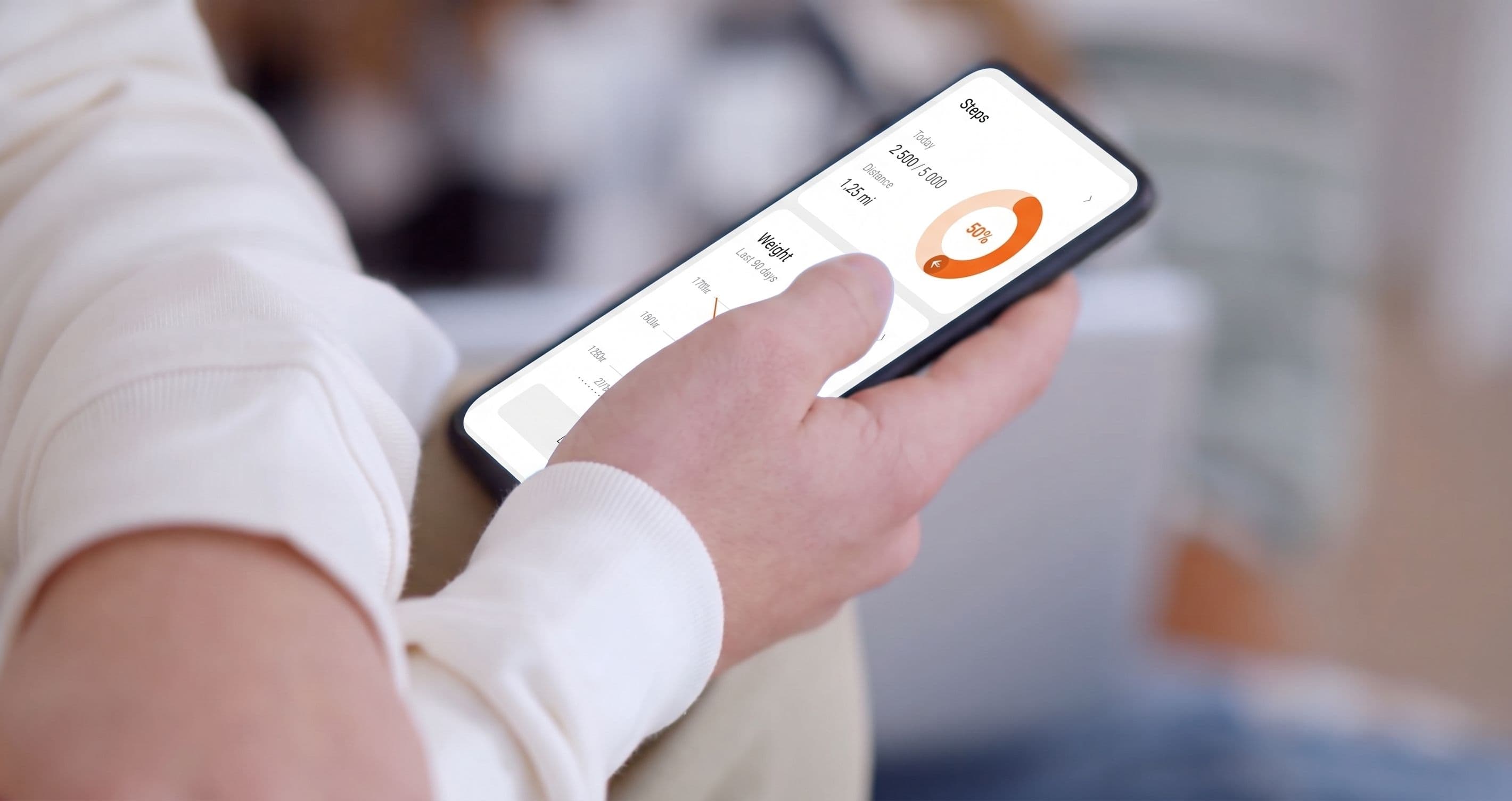
For anyone starting out, Ketoway offers personalized keto meal plans that adapt automatically to your progress and goals. The app tracks your daily water intake, weight changes, and fasting windows across the week to keep you accountable.
What sets it apart is the guided lifestyle challenge feature that encourages small, sustainable habit changes over time. I found the daily step counter perfect for maintaining light activity without feeling overwhelmed during my transition.
It gave me a clear visual of my progress and kept me motivated when the scale seemed stuck. It is a practical way to stay on top of your habits without extra effort.
Manage Transition Effects to Reach Benefits Sooner
I reduced my carb intake gradually instead of going cold turkey. I also added plenty of low-carb fibrous vegetables to shorten the uncomfortable phase.
Here are the specific tweaks I made to ease my transition:
Daily habit adjustments
Gradual carb reduction — dropping by 10g every few days
Electrolyte supplementation — prioritizing sodium and potassium
Fat intake optimization — aiming for 60 percent of calories
Research shows this approach helps most people see positive signs like steady energy sooner. Supplementing electrolytes made the first week much easier to handle.
Know When to Seek Professional Advice
If any sign persisted severely past two weeks, I checked in with my doctor. This helped rule out other issues and distinguish harmless symptoms from ketoacidosis.
Always prioritize your safety, especially if you have existing health conditions. This responsible approach let me focus safely on sustainable weight management.
FAQ
How long does it take to enter ketosis and see signs?
I started noticing signs you are in ketosis within four days of eating under 50g of carbs daily. This aligns with standard Cleveland Clinic guidance.
While initial clues appeared fast, full adaptation for energy and focus took a few weeks. I encourage using hydration and electrolytes to ease the process.
What does keto breath smell like and does it go away?
My breath took on a fruity, metallic scent from acetone excretion during the first week. This is a classic early sign you are in ketosis and usually appears after a few days.
I found that sugar-free gum and good oral care helped manage it socially. It goes away once your system balances out and adapts to its new fuel.
Is keto flu a sign I'm in ketosis or doing something wrong?
The fatigue, headaches, and nausea I felt were normal signals of the metabolic shift. They were not mistakes, and they typically resolve within two weeks with proper electrolytes.
Once they faded, the positive signs like stable energy quickly appeared. Frame this phase positively as the gateway to all the benefits.
Do symptoms alone confirm ketosis or should I test?
While I loved observing the physical signs, I confirmed them with blood tests targeting beta-hydroxybutyrate. Seeing levels between 0.5 and 3.0 mmol/L gave me accuracy.
Combining both symptoms and morning testing gave me the clearest picture during those first four weeks. This helps you track data without turning it into a daily obsession.
What's the difference between nutritional ketosis and ketoacidosis?
Nutritional ketosis is a safe state with normal blood sugar that I experienced positively. Ketoacidosis is a medical emergency with high ketones and high blood sugar, usually in uncontrolled diabetes.
I always monitored for severe symptoms and consulted my doctor if I felt worried. Understanding this difference gave me peace of mind.
Why might I not lose weight even with clear signs of ketosis?
I hit an early plateau where my appetite was reduced, but the scale movement slowed down. Sustainable loss takes time, and benefits like appetite control still support long-term success.
If you hit a frustrating plateau, checking your logging data in Ketoway can quickly reveal hidden carbs. The app provides in-depth nutrition guides and makes it simple to adjust your customized plan.
I loved using it to get back into fat-burning mode without overthinking my meals. Focus on non-scale victories and trust the process.
How do I reduce headaches or fatigue while watching for signs?
Prioritizing electrolytes and drinking plenty of water helped minimize my rough patches within two weeks. I also ate fiber-rich, low-carb vegetables and reduced my carbs gradually.
These steps helped the positive signs like mental clarity emerge much faster. Proper hydration makes the journey much more comfortable.
Can exercise or fasting speed up noticing signs you are in ketosis?
I found that light guided exercises and occasional fasting helped deplete my glycogen stores faster. Signs appeared within just a few days on low carbs because of this.
However, I kept my activity low-impact during the first week to avoid worsening my fatigue. Balancing activity with proper nutrition kept me progressing without experiencing early burnout.
Share this article
Link copied!
Comments
(0)
Leave a comment
Your email will not be published. All fields are required.







.jpg&w=3840&q=75)
Comments
(0)Leave a comment
Your email will not be published. All fields are required.