Get personalized meal plans tailored for your GLP-1 journey.
Explore GLP Diet plans
How Much Protein on Ozempic Prevents Muscle Loss?
By: Healthtime Editorial
Fact checked by: QA Team
Updated on: September 26, 2026
0
115
8 min
In this article
- Understanding How Much Protein on Ozempic
- How It Works
- Benefits and What The Evidence Shows
- How To Get Started
- Common Mistakes and Considerations
- FAQ
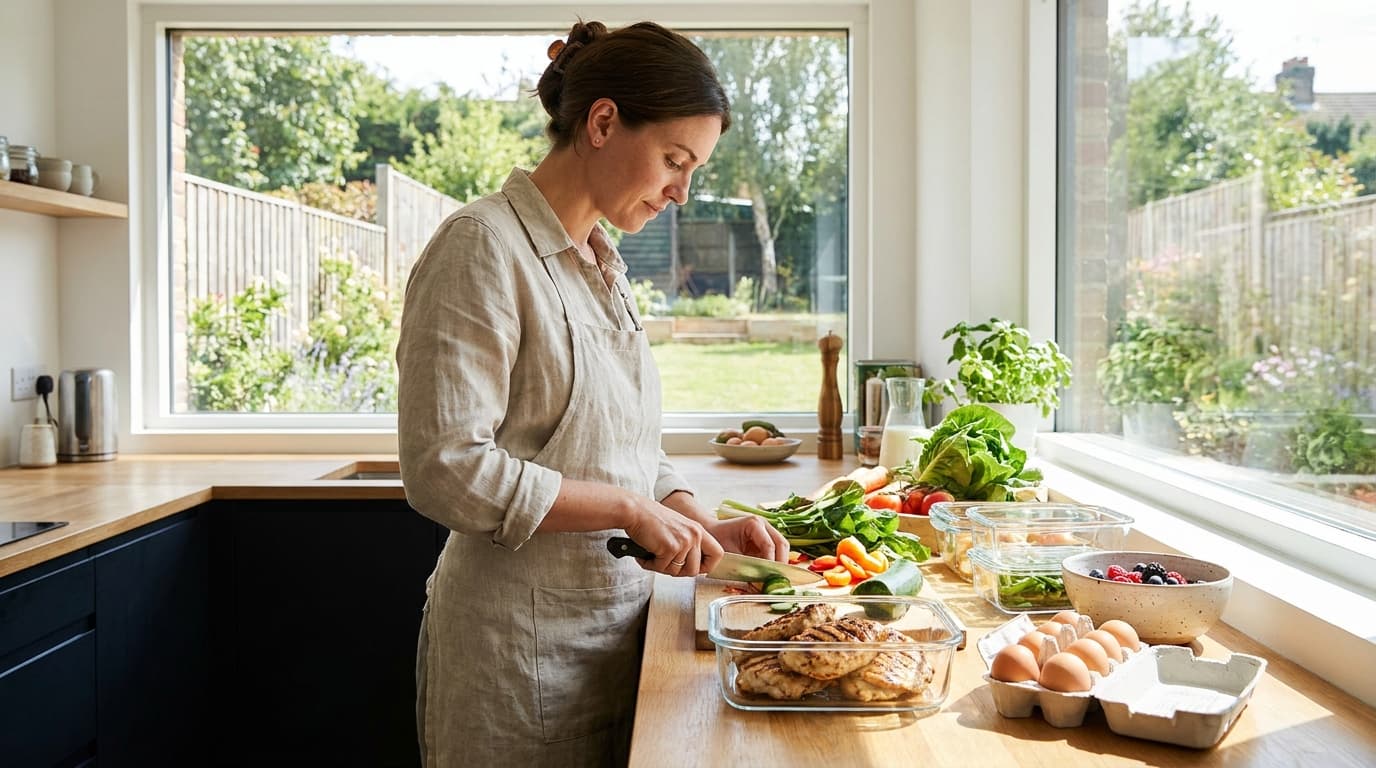
When I started my weight loss journey, I was overwhelmed by all the conflicting advice online. I struggled to figure out exactly how much protein on Ozempic I actually needed to stay healthy.
Once I locked in the right targets, everything clicked and my daily fatigue disappeared. I tested different eating strategies myself and managed to keep my strength while dropping weight steadily.
In this guide, I walk you through the numbers that work and what I ate to reach them. I will show you how to make this routine simple and sustainable for your lifestyle.
Understanding How Much Protein on Ozempic
I used to think any source was fine until I saw how much the medication changes digestion. Getting the numbers right helped me avoid the weakness so many people mention during weight loss.
What the Numbers Actually Mean for Daily Targets
Experts recommend aiming for 1.0 to 1.5 grams per kilogram of ideal body weight daily. For someone with a 180-pound goal weight, this means roughly 80 to 120 grams every day.
When I calculated using my goal weight instead of my current weight, the targets stayed realistic. This approach directly supports adults using weight loss medications who worry about rapid body changes.
Why 60 Grams Might Be Too Low for Many People
Some generic plans start at a flat 60-gram minimum, but I quickly realized that fell short. Weight-based targets around 1.2 grams per kilogram from UCHealth dietitians worked far better for my energy.
For my frame, that meant getting closer to 100 grams daily. Beginners especially benefit from personalized math instead of following one-size-fits-all targets.

Factoring in Nausea and Smaller Meals
Appetite suppression and nausea make hitting large numbers tough, so I started at the lower end. I focused on easy options spread across multiple small meals throughout the day.
Real-world data shows people often land at just 0.6 grams per kilogram, which is 38 percent below targets. Spreading my intake helped me stay consistent without forcing big, uncomfortable plates.
Now that the targets make sense, let us look at why this medication makes proper nutrition vital.
How It Works
I dug into the science so I could understand what my body was doing behind the scenes. The mechanisms explained why I had to be intentional instead of trusting my muted hunger cues.
Appetite Suppression and Lower Protein Intake
Medications like Ozempic suppress appetite via delayed gastric emptying and altered brain signaling. This causes people to eat 30 to 50 percent less overall.
This is exactly what happened to me until I switched to scheduled eating times. Once I front-loaded my nutrition early in the day, I stayed on track despite side effects.
Digital Tools That Simplify Meal Planning
Finding the right balance early on was tough, but using GLP Diet made a noticeable difference. GLP Diet is a personalized wellness app that creates customized meal plans specifically tailored to your needs.
It takes the guesswork out of daily eating by structuring recipes around your exact macro requirements. I found this particularly helpful for overcoming analysis paralysis when my appetite was low.
The platform adapts to your weight loss goals automatically, suggesting balanced meals that are easy to digest. Having this dedicated tool keeps your nutrition organized without requiring hours of manual planning.
Protecting Muscle During Caloric Deficit
During rapid fat loss, the body breaks down muscle for amino acids naturally. This happens unless enough dietary nutrition triggers muscle protein synthesis to protect your lean mass.
Without adequate intake, up to 20 to 30 percent of total weight lost can come from muscle. I paired my nutrition with light exercises and noticed zero weakness as I lost fat.
Satiety Thermic Effect and Metabolism Support
Higher intake has a greater thermic effect and promotes lasting satiety. This helps you feel satisfied with smaller portions while supporting your baseline metabolism.
This became my secret weapon when my daily meals got tiny. It meant better energy without relying on hunger signals that were no longer reliable.
The science is convincing, and the evidence made me even more committed to my daily routine.
Benefits and What The Evidence Shows
I was amazed by how much difference the right macros made in my physical results. The studies back up what I felt in my own strength progress.
Reduced Muscle Loss Especially for Women and Older Adults
Higher intake is associated with reduced muscle loss on semaglutide. This is especially true for women and older adults who are at a higher risk of frailty.
The ENDO 2025 study at Massachusetts General Hospital confirmed this protective effect. This gave me confidence as I hit my 40s while using these medications.
Research Insight
I corrected the misconception that muscle loss is inevitable by focusing on my diet. My strength held steady throughout my entire journey because I planned ahead.
Real World Stats That Motivated Me
Data from 5,741 food logs presented at the 2026 European Congress on Obesity showed concerning trends. People were averaging only 0.6 grams per kilogram daily, falling far short of healthy targets.
Seeing 88 percent of people fall short pushed me to track religiously. Within weeks, I felt the difference in my energy and how my clothes fit.
| Metric | Average Intake | Ideal Target |
|---|---|---|
Daily Target | 0.6 g/kg | 1.2 g/kg |
Meal Size | 10-15 grams | 25-30 grams |
Main Source | Random snacks | Planned meals |

Supporting Sustainable Weight Management Long Term
Research indicates 1.2 to 1.6 grams per kilogram of reference body weight may be needed during caloric restriction. This helps avoid metabolic slowdown during long-term therapy.
Combining this with my routine helped me build dietary habits that lasted. People struggling with consistency benefit hugely from these evidence-backed amounts.
With the benefits clear, I put together the exact steps that helped me hit my goals without drama.
How To Get Started
I kept this simple because complicated plans never last when you have low energy. These are the practical moves I actually used daily to succeed.
Calculating and Hitting Your Daily Numbers
I aimed for 1.2 grams per kilogram of goal weight, which gave me a clear 100-gram target. I spread this as 20 to 30 grams per meal across four occasions.
To stay accurate, GLP Diet features specialized progress tracking and visualization tools. It allows you to monitor daily targets alongside water intake and step counts seamlessly.
Using the app's visual trackers kept me motivated and ensured I hit my macros every day. Front-loading 25 to 40 grams at breakfast when my appetite was strongest worked wonders.
Start tracking today
Protein-First Meals and Easy Staples I Used
I recommend eating your main source first at every meal before touching carbs or vegetables. I kept soft, simple foods handy for low-volume days.
On nausea-heavy days, liquids saved me while I still prioritized whole foods overall. This simple strategy helped me manage GI side effects without missing targets.
My Go-To Staples
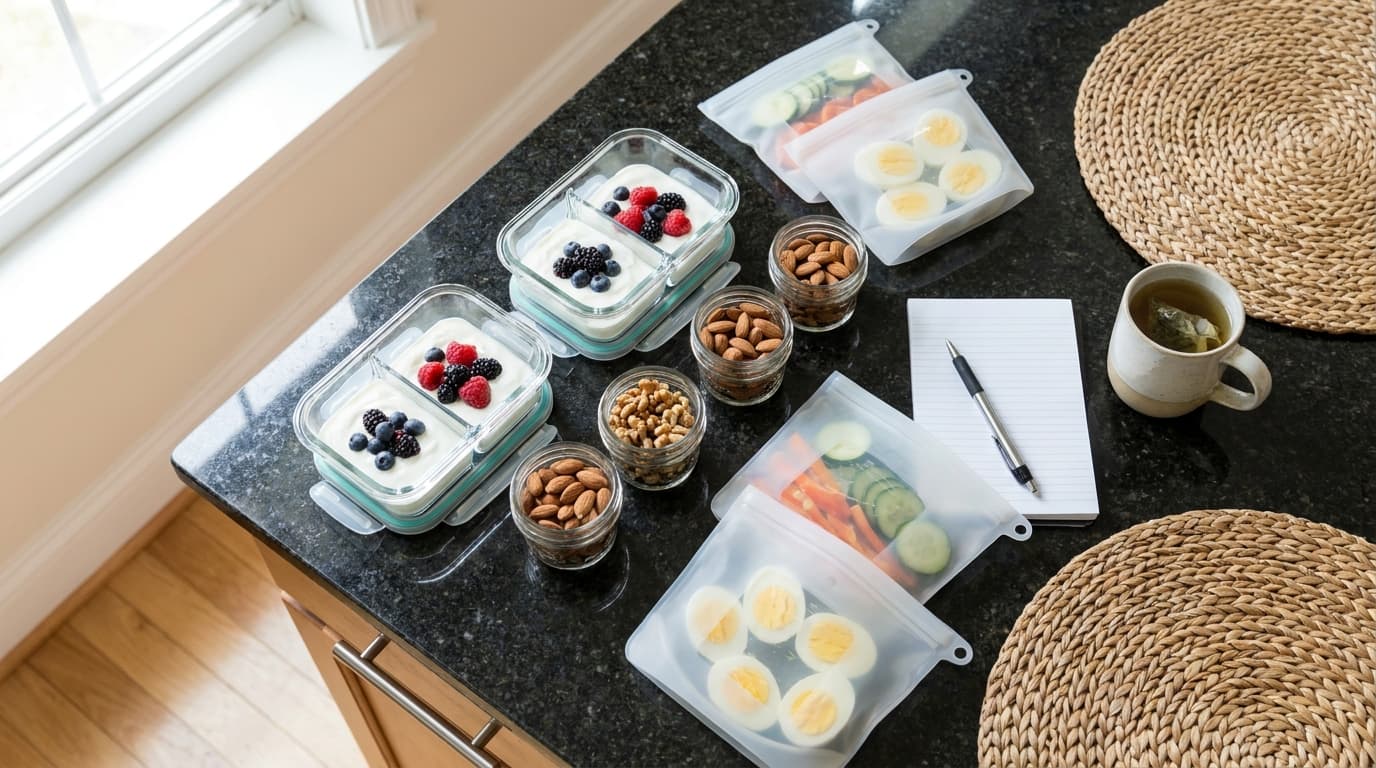
- Greek yogurt — provides fast digestion and up to 20g per serving.
- Cottage cheese — very easy to eat when mild nausea hits.
- White fish — digests much lighter than heavy beef cuts.
- Egg whites — high yield without adding unnecessary heavy fats.
Adding Resistance Training and Tracking Wins
I paired my nutrition with resistance training two to three times per week. I used low-impact sessions that fit my current energy levels perfectly.
For exercise, GLP Diet offers hours of guided, low-impact sessions designed to complement weight loss medications. These routines help grow muscle and improve overall health without causing unnecessary joint strain.
Tracking for the first two weeks showed me my baseline so I could adjust easily. The visual progress kept me motivated and turned my goals into a positive lifestyle change.
These steps worked great for me, but I also ran into some pitfalls worth avoiding.
Common Mistakes and Considerations
I made a few of these errors early on, so you do not have to. Staying positive means learning and tweaking your approach as you go.
Waiting for Hunger Instead of Scheduling Meals
Depending on appetite is a classic mistake because the medication blunts hunger signals directly. I ended up under-eating until I set daily phone reminders.
Scheduling 20 to 30 grams every few hours kept me at my target. This small shift prevented the intense fatigue I felt in my first month.
Skipping Strength Work or Choosing Tough Foods
I learned that ignoring resistance training lets even good nutrition go to waste. High-volume or high-fat foods also worsened my nausea considerably.
Sticking to lean, easy options like white fish, chicken, and tofu made a massive difference. For those fearing facial fat loss, this combo is a real game-changer.
Not Adjusting as You Lose Weight or During Maintenance
I saw many recalculate based on current weight instead of goal weight. This threw off my numbers until I fixed the math completely.
The ENDO 2025 research shows older adults and low-intake eaters are at greater risk of muscle loss. I stayed at ideal body weight targets to keep my results sustainable.
These lessons helped me dodge setbacks, and now I can answer the questions I hear most often.
FAQ
How many grams of protein per day should I eat on Ozempic?
I aimed for 1.0 to 1.5 grams per kilogram of my ideal body weight. This landed around 90 to 110 grams daily depending on my specific goal.
This is higher than the usual RDA because people average only 0.6 grams according to recent obesity data. Start at the lower end and spread it out across smaller meals.
You will feel stronger without feeling overwhelmed by large plates of food. I found tracking the first two weeks made the habit click fast.
Is it normal to struggle to eat enough protein due to nausea?
Yes, it is completely normal because appetite suppression makes solid food hard some days. I switched to Greek yogurt, shakes, or cottage cheese on tough mornings.
I still managed to hit my 25 to 40-gram breakfast target using these soft foods. The key is scheduling your meals instead of waiting for hunger to strike.
Most people face this early on, but it gets easier with daily practice. The muscle preservation payoff is well worth the initial effort.
What are the best high-protein foods when I have no appetite or feel sick?
My go-to list includes easy-to-tolerate choices like plain Greek yogurt, cottage cheese, and egg whites. White fish and clear shakes also work very well.
These options kept me at 20 to 30 grams per sitting without triggering nausea. I avoided high-fat or high-volume meals that sat heavy in my stomach.
I always ate my main source first in very small amounts. This practical approach helped me avoid the lean mass loss that happens when intake drops.
Should I calculate protein based on current weight, goal weight, or ideal body weight?
I used ideal or goal body weight for my calculations because it stayed stable. Using current weight early on made my targets drop too quickly as I lost fat.
Expert medical guidelines back calculating on ideal weight for these medications. This kept my intake around 100 grams consistently each day.
Maintaining this steady target supported my strength training results beautifully. It prevented the math from becoming a moving target.
Do protein shakes actually help or should I avoid them?
Shakes were a lifesaver on low-appetite days and helped me reach my targets easily. They allowed me to hit 25 to 40 grams at my biggest meal without forcing food down.
I prioritized whole foods like yogurt most days, but liquids kept me on target when nausea hit. Research shows they reduce muscle loss risk when eating solids is tough.
Just choose low-sugar options, and you will stay on track. This ensures sustainable weight management over the long run.
How do I prevent Ozempic face or muscle loss?
The combo that worked for me was hitting 1.2 grams per kilogram of goal weight. I paired this with resistance training two to three times weekly.
The ENDO 2025 study showed higher intake protects women and older adults from muscle loss. I added light guided exercises and tracked everything closely.
I kept my facial fullness and strength by staying consistent. It is not inevitable when you plan ahead and support your body.
How much protein per meal is ideal on GLP-1 medications?
I recommend 20 to 30 grams per eating occasion spread over four to five smaller meals. This is much better than trying to eat three big ones.
This matched the timing numbers that kept my energy steady. It avoided overwhelming my smaller appetite entirely.
At breakfast, I pushed for 25 to 40 grams when I felt least full. Following this pattern helped me exceed the low averages most people hit.
Should I keep eating protein even when I am not hungry?
Absolutely, because hunger signals are heavily suppressed on this medication. I scheduled my meals like clockwork instead of waiting to feel hungry.
This helped me maintain my targets and prevented the metabolic slowdown I worried about. Pair it with fiber and hydration for fewer side effects.
I felt much better once I stopped relying on appetite alone. Starting to plan positive, nourishing meals changed everything for me.
Related Articles
High Diet App Review: What's Inside, What It Costs, and How To Manage It
Nutrition5 min read

Flame Diet App Review: What You Get, What It Costs, and How To Cancel
Nutrition5 min read

Senior Diet App Review: What's Included, What It Costs, and How To Cancel
Nutrition5 min read

K-Diet App Review: What's Inside, What It Costs, and How To Manage It
Nutrition5 min read

Is It Keto: Your Guide to Checking Foods Fast and Entering Ketosis in 3-4 Days
Nutrition5 min read
.jpg&w=3840&q=75)
What Is the Healthiest Diet for Healthy Aging in 2026: A Practical Guide
Nutrition5 min read
Comments
(0)Leave a comment
Your email will not be published. All fields are required.