Get personalized carnivore meal plans designed for your specific body weight goals.
Explore Carnimeat options
Carnivore Diet Macros By Body Weight: My 4-Week Guide For Fat Loss
By: Tasha Greene
Fact checked by: QA Team
Updated on: October 1, 2026
0
574
8 min
In this article
- Understanding Carnivore Diet Macros by Body Weight
- How It Works
- Benefits and What The Evidence Shows
- How To Get Started
- Common Mistakes and Considerations
- FAQ

I was lost figuring out how much ribeye or ground beef to eat when I went carnivore until I learned to calculate macros by body weight. Using ideal weight instead of my current scale number helped me drop fat, keep energy steady, and ditch the guesswork.
In this guide, I walk you through the exact steps I tested to find the carnivore diet macros by body weight that worked. I will show you how to set your protein ratios and make the diet practical without obsessing over numbers.
Understanding Carnivore Diet Macros by Body Weight
Let's kick things off with the basics so you see why this method beats generic diet advice. I discovered these principles by digging into top resources and testing them in my own kitchen.
What This Approach Actually Is
I set my protein at 0.8 to 1.2 grams per pound of ideal body weight on this zero-carb meat plan. Fat then fills the rest of my daily calories to provide steady energy.
When I transitioned from keto, I was confused about exact meat quantities without carb numbers to track. This body weight approach cleared it up fast and supported my fat loss goals.
I tested free calculators and found they emphasize using ideal rather than current weight. This ensures you avoid eating too much protein, which can stall your progress.
Who This Works Best For
I explain to friends that this is perfect for fitness enthusiasts and people like me who feel frustrated with plant-based diets. It works well if you want autoimmune relief, metabolic health, or simplicity.
My pain point was worrying about too much protein or too little fat causing low energy. This method fixed that by focusing on satiety and repeatable meat routines.
Many people start with apps for initial tracking to learn the ropes. After a few weeks of adaptation, I found it easy to transition into intuitive eating.
How It Works
I found the concepts straightforward once I stopped overcomplicating them. Here is how I apply the numbers from my own daily experiments.
Why Ideal or Goal Body Weight Beats Current Weight
I use my ideal body weight of 170 pounds instead of my current 200 pounds for all calculations. This ensures my protein intake does not get inflated by extra fat tissue.
This simple math prevents overconsumption and matches a healthy body composition target. I tested this approach and loved it for sustainable, long-term results.
Top tools rely on this by calculating a Katch-McArdle BMR on lean body mass. They multiply that by activity factors, then adjust 10 to 25 percent for fat loss.
Protein Targets and Fat Ratios Explained
I anchor my protein at 0.8 grams per pound of ideal body weight. Then, I scale fat to a 1:1 gram ratio for fat loss or up to 2:1 for therapeutic effects.
This usually means hitting 65 to 80 percent of my total calories from fat. When my energy lagged during hard training, I bumped the ratio up and felt the ketosis benefits immediately.
This setup uses fat as the primary energy source. Meanwhile, the protein supports muscle repair and creates a strong thermic effect for digestion.
Adjusting for Activity, Gender, and Goals
I personalize things further by bumping protein toward 1.6 grams per kilogram for high activity or muscle gain goals. I then tweak my total calories down slightly to encourage fat loss.
For women or busy schedules, I found smaller adjustments around workouts kept things sustainable. The whole system lets you start with guided tracking before shifting focus to natural hunger cues.
When adjusting these daily ratios, Carnimeat simplifies the process with personalized carnivore meal plans that adapt to your specific body weight goals. The app tracks your daily macros automatically, which helps you visualize progress without doing the math yourself.
What sets it apart is the library of over 500 carnivore recipes that filter directly based on your customized 0.8g protein target. I found the daily fasting and weight trackers useful for building consistency during my first month on the diet.
This digital tool took the guesswork out of my weekly grocery runs and kept my meals varied. It allowed me to focus on eating rather than calculating spreadsheets.
Benefits and What The Evidence Shows
I dug into the data to see what backed up my positive experience. Here is what the science shows without any hype.
Weight Loss, Satiety, and Health Marker Wins
I often look at the self-reported survey of 2029 carnivore dieters published in PubMed 34934897. It showed improved health status, diabetes and GI benefits, high satisfaction, and few adverse effects.
In my case, the increased satiety let me simplify meals around ribeye and eggs. This natural fullness helped me lose fat steadily over my first four weeks.
A scoping review on PubMed 41599961 also notes positive effects on inflammatory conditions and weight reduction. However, researchers do call for more rigorous trials to confirm these initial findings.

Muscle Preservation and Thermic Effect Advantages
I noticed that hitting 1 to 1.6 grams per kilogram of protein helps drive hypertrophy. It also has a 20 to 30 percent thermic effect of food that actively aids fat loss.
Pairing this target with resistance training preserved my muscle much better than lower-protein diets I tried before. It kept my strength up even as the scale dropped.
I want to correct the misconception that carnivore means minimizing fat. Adequate fat is essential for energy and prevents protein toxicity symptoms.
Realistic Long-Term Outlook
Evidence is mixed for very long-term use, but I focus on case reports showing carnivore-ketogenic diets may improve IBD symptoms. These findings in PMC11409203 match my own improved digestion.
For me, the benefits like stable energy outweighed the risks when done thoughtfully with organ meats. No strong evidence supports high protein damaging healthy kidneys, but I always suggest chatting with a doctor first.
To support long-term adherence, Carnimeat offers guided lifestyle challenges and workout libraries that complement this high-protein approach. I use the app's exercise videos to build strength at home, ensuring I preserve muscle while losing fat.
This feature keeps my routine fresh and prevents the boredom that ruins most diets. It is a great way to stay active without leaving the house.
How To Get Started
This is where I show you the repeatable process I used for my first four weeks. It delivered real results without any daily overwhelm.
Step 1: Calculate Your Baseline Numbers
I multiply 0.8 grams by my honest ideal body weight in pounds. A 150-pound ideal target equals 120 grams of protein that stays fixed while you adjust the fat.
I start with a 1:1 fat-to-protein gram ratio for fat loss. I use standard BMR and TDEE tools to check my total calories.
I did this for two to four weeks of strict tracking before relying on my intuition. I saw a consistent 0.5 to 2 pounds of weekly progress using this math.
Step 2: Build Meals and Track Lightly
I recommend fatty ruminant meats like ribeye or 80/20 ground beef. I also add one to two weekly organ servings to hit targets naturally and avoid rabbit starvation.
When I set up my meal structure, Carnimeat generated a smart shopping list tied exactly to my 1:1 fat-to-protein ratio. The app curates in-depth nutrition guides from experts, which helped me understand how to balance these specific meat cuts.
It completely removed the daily math from my plate, letting me enjoy my meals. You can split these macros across two or three meals, or try OMAD if you prefer.
My Daily Setup Priorities
- Fatty cuts first — Choose 80/20 ground beef or ribeye to secure your fat baseline.
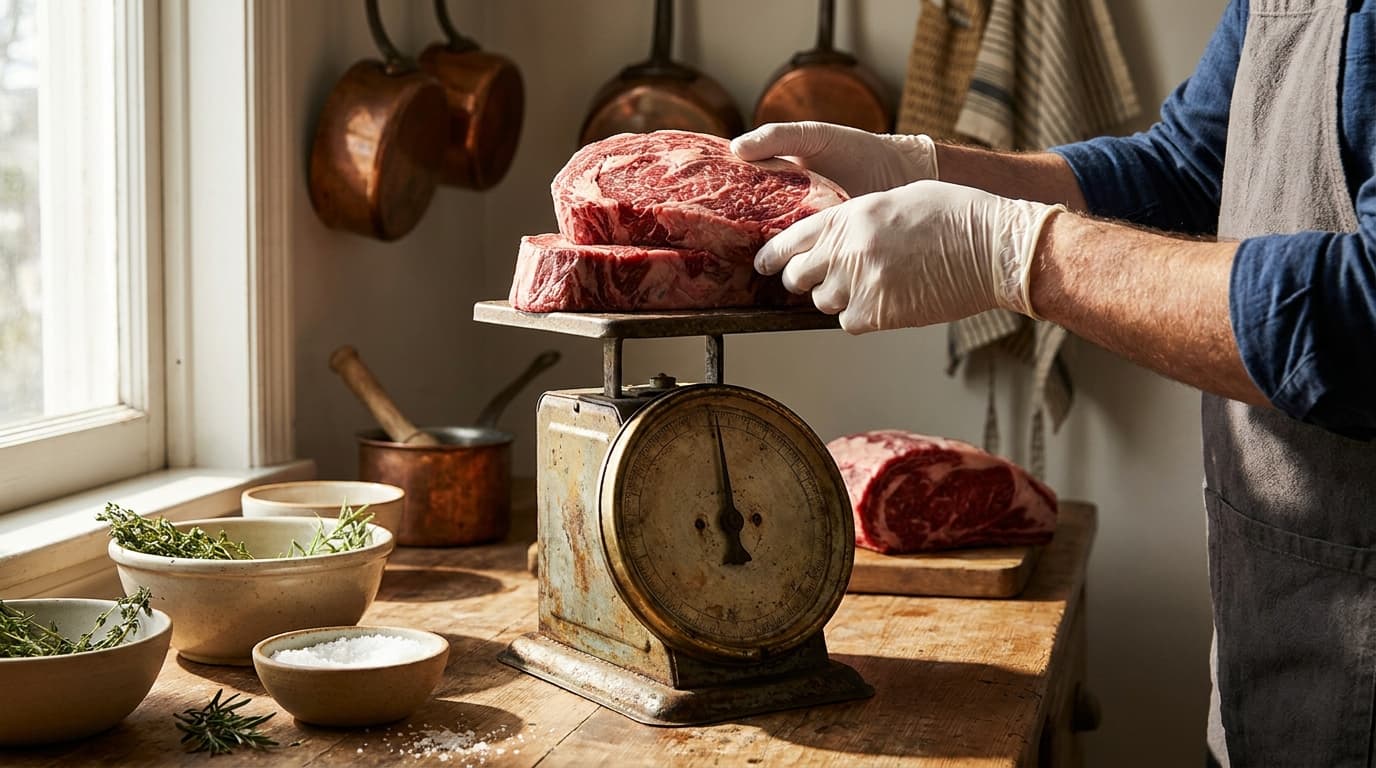
- Track the protein — Weigh your portions to ensure you hit that 0.8g per pound goal.
- Include organs — Add a small side of liver weekly for essential micronutrients.
Step 3: Monitor, Adjust, and Transition
I check my weight, energy, hunger, and digestion on a weekly basis. I reduce fat, not protein, if fat loss plateaus, or I increase it if I feel fatigued.
I reassess every four to eight weeks or whenever my body composition goals change. After adaptation, I moved from strict tracking to eating to satiety while still hitting my macros.
| Goal | Protein Target | Fat Ratio |
|---|---|---|
Fat Loss | 0.8g/lb | 1:1 |
Maintenance | 1.0g/lb | 1.5:1 |
Muscle Gain | 1.2g/lb | 2:1 |
Common Mistakes and Considerations
I made several errors myself, so you do not have to repeat them. Let's keep it real about what can go sideways and how to stay on track.
Macro Calculation and Food Choice Pitfalls
I caution against using your current weight if you carry extra body fat. It leads to too much protein and not enough fat for daily energy.
Eating exclusively lean meats caused my early low-energy spells. I quickly switched to 80/20 beef and added tallow to fix the issue.
Watch for signs like fatigue or constipation. If these happen, boost your fat intake immediately and monitor weekly instead of daily.

Tracking Obsession and Long-Term Realism
The biggest myth I busted is that you must count every gram forever. I shifted to intuitive eating after four weeks and felt much freer.
The evidence from PubMed surveys is encouraging, but long-term controlled trials remain limited. I recommend consulting a provider, especially for women experiencing hormonal shifts.
Include a variety of organ meats to cover your micronutrients. This helps you avoid potential deficiencies over months of eating zero carbs.
Adjusting for Your Unique Situation
I found that activity level, gender, and goals require tweaking your base ratios. Higher fat intake helped my hard workouts, while a slight calorie drop accelerated my fat loss.
Do not ignore your digestion or energy signals, even if the scale moves in the right direction. Listen to your body and adjust the fat grams accordingly.
This approach shines when paired with consistent habits. Using daily visualization tools and lifestyle challenges keeps my motivation high.
FAQ
How much protein should I eat per pound of body weight on carnivore?
I target 0.8 to 1.2 grams of protein per pound of my ideal body weight, so a 170-pound goal means 136 to 204 grams daily. I tested this and it kept me full while supporting my muscles.
After four weeks, I mostly ate to satiety instead of weighing every ounce. I still saw great energy and weekly progress.
Should I calculate carnivore diet macros using current weight or ideal body weight?
I always use ideal or goal weight because calculating off my heavier current weight gave me too much protein and not enough fat early on. Top calculators agree this matches healthy composition and avoids rabbit starvation symptoms.
It made my fat loss smoother and more sustainable over time.
What fat-to-protein ratio is best for weight loss on carnivore?
For weight loss, I start with a 1:1 fat-to-protein gram ratio and adjust up to 1.5:1 if my energy dips. This lands calories at 65 to 80 percent from fat, which kept me in ketosis without hunger.
I found it practical with ribeye and ground beef and monitored weekly to drop fat grams if loss slowed.
Do I need to track macros and calories forever on carnivore?
No, I tracked strictly for the first four weeks using a calculator, then switched to intuitive eating once adapted. Most guides recommend this shift to avoid obsession.
I still hit my protein target naturally and check my energy weekly instead.
What are signs I am eating too little fat on carnivore?
I noticed fatigue, constipation, and stalled scales when my fat was too low. Increasing to a 1.5:1 ratio with extra butter or fatty cuts fixed it fast.
The research shows adequate fat prevents protein toxicity and supports hormones. I now watch hunger and digestion cues rather than obsessing over exact grams.
How do I include organ meats to meet carnivore diet macros?
I add one to two servings of liver or heart weekly to cover micronutrients without messing up my protein target. They fit easily into my ratio meals, and the variety prevented boredom.
Apps that generate shopping lists make this simple to maintain long term.
Is the carnivore diet safe long-term according to the evidence?
The self-reported survey of 2029 people on PubMed 34934897 showed high satisfaction and health improvements with few side effects. I feel great after months, but evidence is still limited on very long-term use.
I consult my doctor and focus on variety with organs to stay safe. For me, the benefits like stable energy continue to outweigh risks.
How does carnivore macro calculation differ for women?
For women, I pay extra attention to hormonal cycles and may increase fat during certain phases to support energy. The base protein per ideal pound still applies, but I adjust calories more gently.
It helped my symptoms when paired with tracking tools and weekly progress checks.
Related Articles

8 Signs Your Gut Needs Help and How to Restore Balance Naturally
Nutrition5 min read

How Much Protein Do You Need to Build Muscle, Lose Fat, and Age Strong
Nutrition5 min read

High Diet App Review: What's Inside, What It Costs, and How To Manage It
Nutrition5 min read

Flame Diet App Review: What You Get, What It Costs, and How To Cancel
Nutrition5 min read

Senior Diet App Review: What's Included, What It Costs, and How To Cancel
Nutrition5 min read

K-Diet App Review: What's Inside, What It Costs, and How To Manage It
Nutrition5 min read
Comments
(0)Leave a comment
Your email will not be published. All fields are required.