Start building functional strength at home with personalized bodyweight routines.
Try Calistway today
The Life-Changing Benefits of Strength Training: How 30 Minutes Weekly Transforms Longevity and Health
By: Healthtime Editorial
Fact checked by: QA Team
Updated on: November 4, 2026
0
1935
10 min
In this article
- What Strength Training Really Does for Your Body
- How Resistance Training Actually Changes Your Physiology
- Evidence-Backed Benefits for Longevity and Vitality
- How to Build a Sustainable Strength Routine from Home
- Common Mistakes and Practical Considerations
- FAQ

Strength training is no longer reserved for gym purists and athletes; it is now recognized as a foundational pillar of preventative medicine. Observational data reveals that modern adults spend most of their days sedentary, slowly losing functional vitality without realizing it.
Unlocking the benefits of strength training does not require exhausting hours in the weight room. Small, consistent efforts rewrite health markers from the ground up.
Brief weekly sessions provide enough stimulus to trigger cellular adaptations that protect bone density and metabolic health. Building muscle at any age is an accessible, realistic goal.
What Strength Training Really Does for Your Body
Most people picture intimidating iron barbells and bodybuilders when they hear the word strength. In clinical practice, strength training simply refers to moving any resistance to stimulate muscle tissue.
Whether lifting a dumbbell or manipulating personal body weight, the biological response remains the same. The goal is building capable, resilient tissue.
The Modern Muscle Deficit and Age-Related Decline
Strength remains essential for daily living rather than just an athletic bonus. Inactive adults gradually shed muscle mass with advancing age, a process that silently contributes to fatigue, joint stiffness, and a slowing metabolic baseline.
Muscle tissue serves as the body's primary metabolic sink, making proactive resistance work essential.
| Age Range | Estimated Muscle Loss |
|---|---|
30 to 40 | 3% to 5% |
40 to 50 | 5% to 8% |
50 and beyond | Up to 10% per decade |
Shattering the Bulky Myth for Beginners
A stubborn myth suggests that picking up resistance training inevitably leads to massive, bulky muscles. Building huge muscle mass requires aggressive caloric surpluses and specific hormonal profiles that average adults do not maintain.
Standard resistance work actually produces athletic tone, better posture, and tighter physical composition. Lean tissue creates natural shape and firmness rather than excessive bulk.

Functional Freedom for Everyday Tasks
Strength training pays immediate dividends outside the gym environment. Movement patterns like squats and hinges mirror daily requirements such as carrying groceries, climbing stairs, or lifting children.
Many people notice everyday physical tasks feel noticeably lighter within just three weeks of consistent movement. Functional capacity stands as the true prize of building stronger connective tissues.
Understanding what strength training provides is helpful, but looking at the biological mechanisms reveals why the body responds so dramatically.
How Resistance Training Actually Changes Your Physiology
Moving against tension initiates complex cellular signals that upgrade human biology. These adaptations protect skeletal integrity, improve coordination, and clear blood sugar quickly.
The body views resistance as a puzzle to solve, building sturdier infrastructure in response to the challenge. This natural remodeling process happens almost immediately.
Wolff's Law and Bone Density Reinforcement
Lifting forces bones to remodel and thicken over time according to Wolff's Law. Muscular contractions tug on tendons, signaling osteoblasts to lay down fresh mineral density.
This mechanical feedback loop acts as an internal shield against progressive osteoporosis. Bones act like living structural scaffolding that gets sturdier under appropriate physical loads.
Neuromuscular Adaptations in the First 4 Weeks
Beginners rapidly gain physical strength before any visible muscle growth occurs. The central nervous system improves motor unit recruitment and firing synchronization during the initial month of training.
Tools like Calistway help beginners navigate these initial neuromuscular adaptations by providing personalized bodyweight plans. The platform automatically adjusts the difficulty of early workouts based on physical feedback and progress tracking.
This automated guidance ensures the nervous system adapts efficiently without overwhelming the body. These early neuromuscular upgrades provide an instant confidence boost before structural changes emerge.
GLUT4 Activation and Non-Insulin Glucose Clearance
Powerful metabolic chemistry happens whenever muscle fibers contract against resistance. Mechanical tension stimulates GLUT4 glucose transporters to move straight to cell surfaces, clearing sugar directly from the bloodstream.
This non-insulin-dependent pathway provides an immediate boost to metabolic flexibility. Working muscles act as active biological sponges for dietary carbohydrates, supporting stable energy levels.
These cellular mechanisms create real-world health outcomes that scientific literature documents in striking detail.
Evidence-Backed Benefits for Longevity and Vitality
Modern epidemiological data confirms that regular resistance training alters long-term health trajectories. The data shows measurable drops in disease risks and enhanced resting caloric burn.
Mental health also benefits from the hormonal cascades triggered by lifting. Consistent strength work creates a buffer against both physical and psychological decline.
Resistance Training and Mortality Risk Reduction
Regular muscle-strengthening activity correlates with meaningful improvements in long-term health and survival outcomes. Brief weekly sessions of resistance work demonstrate protective effects against multiple chronic disease pathways.
Combining strength training with baseline aerobic activity appears to produce additive protective effects. More is not always better, as health benefits emerge within modest weekly commitments.

Resting Metabolic Rate and Waistline Protection
Adding lean muscle mass to the body delivers a continuous metabolic payoff. A progressive resistance program builds lean tissue that increases resting metabolic rate.
Resistance training plays a decisive role in controlling abdominal fat over time. Muscle burns calories around the clock, even while resting or sleeping.
Mood Regulation and Cognitive Resilience
Working against resistance offers profound neurochemical perks for the brain. Structured resistance exercise alleviates symptoms of mild-to-moderate anxiety and depression through natural hormone regulation.
Muscle contractions trigger brain-derived neurotrophic factor (BDNF) release, keeping cognitive pathways sharp over time. Resistance sessions act as an effective buffer against daily psychological burnout.
Knowing the science is inspiring, but putting together a practical, sustainable starter routine is where real progress happens.
How to Build a Sustainable Strength Routine from Home
Starting out does not mean signing up for an expensive facility or purchasing complex machinery. A realistic weekly blueprint relies on foundational body mechanics and sensible volume.
Focusing on consistent progression yields far better results than occasional, exhausting workouts. Simple bodyweight routines provide an excellent starting point.
Master the Five Foundational Movement Patterns
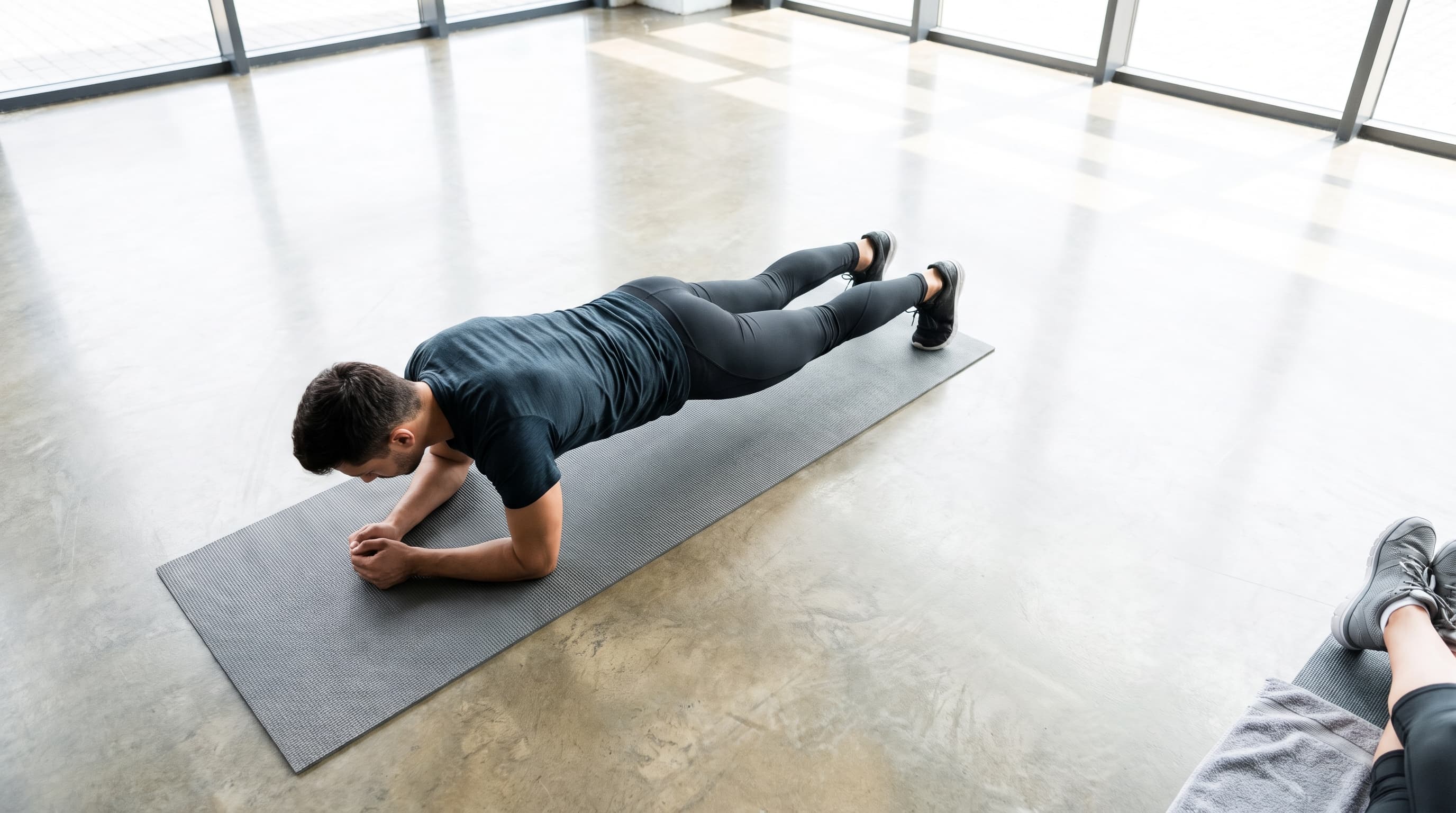
Building workouts around fundamental human movement archetypes ensures balanced muscular development. Beginners only need one focused exercise per pattern to spark genuine physical adaptations.
Focusing on compound movements works more muscle mass in fewer total sets, easily keeping sessions under 30 minutes. Mastering the movement path counts for far more than the weight being moved.
The Five Human Movement Patterns
- Pushing - Movements like push-ups that engage the chest, shoulders, and triceps.
- Pulling - Exercises like inverted rows or pull-ups that target the back and biceps.
- Squatting - Knee-dominant patterns that build the quadriceps and glutes.
- Hip Hinging - Glute bridges and deadlifts that strengthen the posterior chain.
- Carrying - Loaded carries or core stability holds that build systemic tension.
Progressive Overload Without Heavy Gym Weights
Bodyweight calisthenics stimulates identical physiological mechanisms to barbells when taken close to a muscular challenge. Creating this progressive overload at home requires strategic planning rather than random effort.
Calistway excels here by delivering a personalized calisthenics plan that systematically increases leverage and tempo over time. The app tracks completed repetitions and adjusts the difficulty for the next session automatically.
Try logging your sets immediately after finishing them to ensure the algorithm provides accurate progression targets. This removes the guesswork from progression while keeping workouts under 30 minutes, helping users build essential consistency during the crucial first month.
Frequency, Recovery, and the 48-Hour Rule
The ideal beginner cadence targets full-body sessions on non-consecutive days per week. Leaving 48 to 72 hours between workouts allows for necessary tissue repair.
Stopping each set with 1 to 3 repetitions in reserve stimulates growth without triggering extreme muscular breakdown. Consistency always beats heroic workouts that leave the body sore for an entire week.
Even with an organized blueprint, navigating a few universal beginner pitfalls will save joints and ensure smooth long-term results.
Common Mistakes and Practical Considerations
Excitement early on often leads people to push too hard, too fast. Avoiding predictable errors preserves joint comfort and keeps the fitness habit completely enjoyable.
Learning to pace the effort guarantees that the body can recover effectively. Smart training focuses on quality over sheer quantity.
Training to Grunting Failure on Every Set
The belief that every set must end in total physical collapse is a common error. Training to technical failure spikes systemic fatigue and increases injury risks without delivering meaningful extra growth.
Prioritize clean movement execution and maintain eccentric control by taking 2 to 3 seconds to lower the body. Sustainable gains come from repeatable sets done with crisp, composed form.
Treating Dynamic Warm-Ups as Optional
Jumping straight into loaded movements with cold joints and tight connective tissues invites discomfort. Instead of passive static stretching, use 5 minutes of dynamic mobility prior to training.
Movements like cat-cows, hip circles, and arm sweeps lubricate joints with synovial fluid. This brief preparation primes neuromuscular pathways and keeps joints feeling smooth during the workout.
Ignoring Sleep and Dietary Protein Needs
Workouts merely supply the biological stimulus, while recovery handles the actual structural rebuilding. Skimping on restful sleep or consuming inadequate protein blunts muscle synthesis.
For those struggling to align their diet with training, Calistway offers a personalized meal plan featuring over 1,000 nutritionist-created recipes. The app includes daily water intake and fasting trackers to ensure recovery habits match the physical effort.
Viewing hydration and nutrition as equal partners to exercise guarantees long-term progress. To help clear up any lingering doubts before the first session begins, here are answers to the most common beginner questions.
FAQ
How many days a week should a beginner do strength training?
A sound beginner approach involves training on non-consecutive days per week. Guidelines indicate that 30 to 45 minutes per session offers ample stimulus for full-body results.
Taking 48 hours of recovery between sessions gives muscles and connective tissues sufficient time to repair. Daily strength training is unnecessary and often counterproductive for beginners.
Can you get the full benefits of strength training with just body weight?
Yes, bodyweight calisthenics produces the exact same physiological benefits as free weights. Muscles respond to mechanical tension, not the specific tool creating the load.
Adjusting angles, leverage, and rep tempos allows bodyweight movements to safely stimulate bone density and muscle growth. A well-designed home routine is highly effective for metabolic health.
Does strength training help burn stubborn belly fat?
While spot reduction is a myth, resistance training plays a decisive role in total abdominal fat loss. Resistance training supports healthy body composition changes through multiple metabolic pathways.
Building lean tissue elevates the resting metabolic rate, meaning the body burns more total calories around the clock. This metabolic shift supports sustainable fat reduction over time.
Will lifting weights make women look bulky?
No, developing bulky muscle mass requires years of extreme caloric surpluses and high levels of testosterone. Standard resistance training tightens physical composition and improves overall posture.
Strength training creates a firm, athletic physique rather than excessive bulk. Most people find they look leaner and more compact after adding resistance work to their routine.
Is it safe to start strength training after age 50 or 60?
Starting resistance training in later decades is not only safe but considered clinically essential for healthy aging. Progressive training reverses muscle loss and stimulates osteoblasts even in older adults.
Starting with controlled, joint-friendly movements improves balance, joint lubrication, and fall prevention. Consistency is key, and results vary depending on individual starting points.
How long does it take to see tangible results from strength training?
Neuromuscular improvements happen within the first 2 to 4 weeks, making everyday movements feel noticeably lighter. The brain becomes much more efficient at recruiting existing muscle fibers.
Measurable muscle tone, resting metabolic shifts, and bone density adaptations typically become noticeable after 8 to 12 weeks of consistent work. Visual changes follow the early strength gains.
Why is modest weekly volume considered optimal for longevity?
Research indicates that resistance training creates mortality and cardiovascular disease reduction benefits. The data demonstrates that health advantages emerge within accessible weekly training volumes.
Brief, focused workouts yield meaningful health returns without demanding exhausting hours in a gym. A simple, consistent routine is all that is required for maximum longevity benefits.
Start Your Home Routine
Related Articles
The Life-Changing Benefits of Strength Training: How 30 Minutes Weekly Transforms Longevity and Health
Fitness5 min read

3 Things Pilates Is Doing to Your Hormones: A Practical 8-Week Reset Guide
Fitness5 min read

Why Magnesium Matters: Does Hitting 400 mg Restore Sleep and Energy?
Fitness5 min read

Activities That Support Hormonal Health and Bone Strength: A Practical Walkthrough for Long-Term Vitality
Fitness5 min read

Habits That Rebuild Aging Muscle: 5 Practical Steps To Restore Strength After 50
Fitness5 min read

How to Get 10k Steps in a Day: A Practical Routine for Busy Adults
Fitness5 min read
Comments
(0)Leave a comment
Your email will not be published. All fields are required.