Combine mindful movement and step tracking seamlessly.
Try Walking Yoga
How to Get 10k Steps in a Day: A Practical Routine for Busy Adults
By: Healthtime Editorial
Fact checked by: QA Team
Updated on: October 13, 2026
0
494
7 min
In this article
- Why Ten Thousand Steps Matter for Busy Workers
- How Daily Stepping Works in the Body
- Evidence-Backed Benefits of Daily Stepping
- A Step-by-Step Daily Architecture to Reach 10,000 Steps
- Common Mistakes and How to Avoid Overuse Fatigue
- FAQ
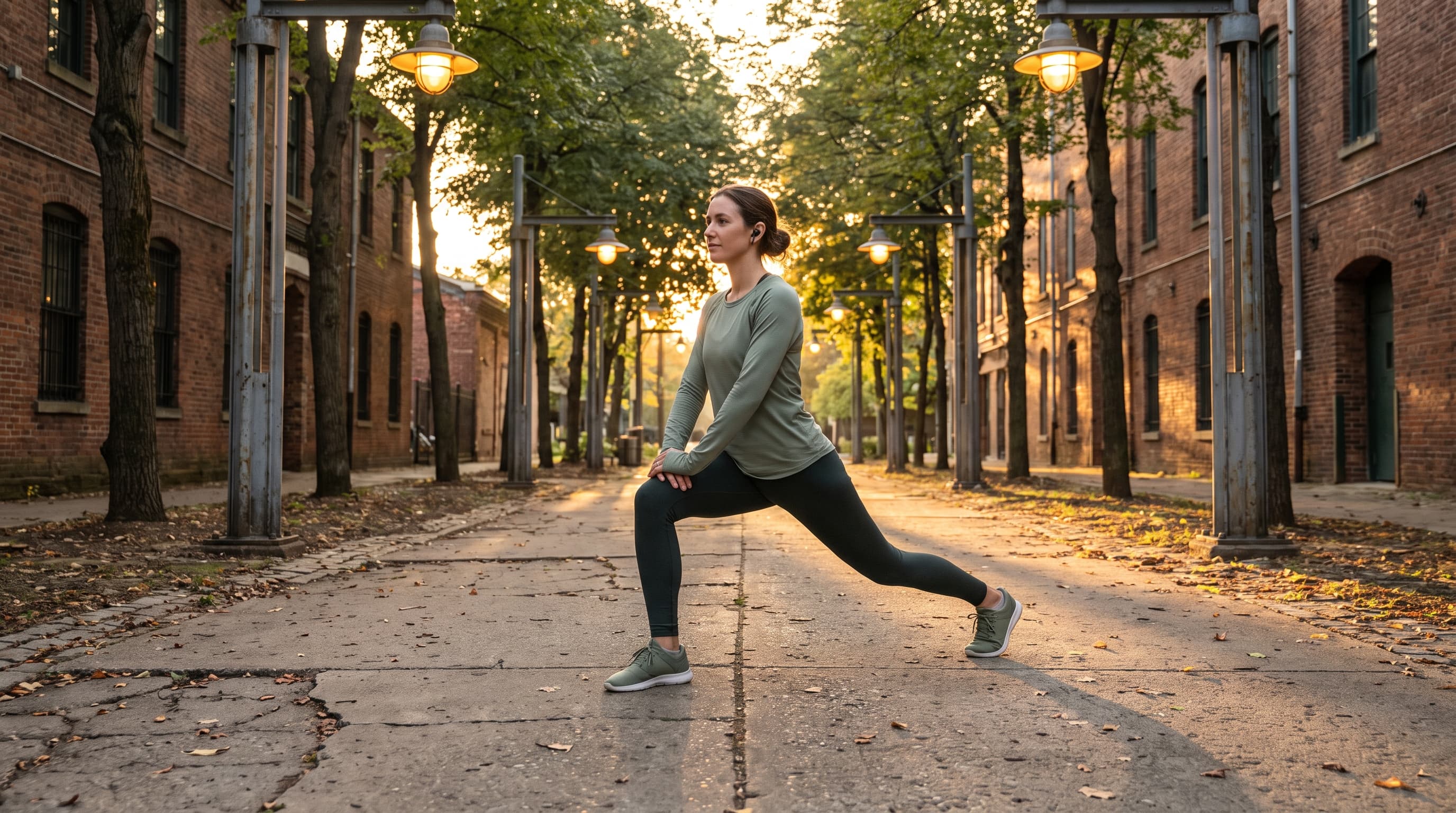
Hitting ten thousand daily steps feels intimidating when desk jobs keep modern professionals seated for eight straight hours. Office workers often finish their day with barely two thousand steps logged.
The goal becomes achievable when built through small, strategic habits spread throughout the day. Treating movement as brief intervals allows busy adults to accumulate significant distance without derailing productivity.
Understanding how daily stepping protects heart health reveals why regular walkers successfully cross the finish line.
Why Ten Thousand Steps Matter for Busy Workers
Accumulating ten thousand daily steps requires understanding the physical distance and why office workers fall short. A concrete plan removes guesswork from daily movement routines.
Breaking Down the Daily Math
Ten thousand steps converts to roughly 4.5 to 5 miles, depending on individual stride length. This total distance translates to 80 to 100 total minutes of movement spread across the full day.
Most walkers take between 3,000 and 4,000 steps during a standard 30-minute brisk walk. Maintaining a moderate pace keeps the heart rate elevated while rapidly increasing the daily count.
| Time Walked | Estimated Steps |
|---|---|
15 minutes | 1,500 steps |
30 minutes | 3,000 steps |
60 minutes | 6,000 steps |
Why Desk Schedules Create Step Deficits
Office employees often reach the end of the workday with fewer than 3,000 recorded steps. Prolonged sitting creates a severe movement deficit that casual evening pacing rarely corrects.
Professionals feel drained despite resting in an office chair. Intentional movement patterns provide an energizing solution without disrupting productivity.
How Daily Stepping Works in the Body
Stepping throughout the day triggers immediate biological adaptations that sitting stalls. Breaking up sedentary hours engages key metabolic mechanisms to keep energy high and inflammation low.
Supercharging Non-Exercise Activity Thermogenesis
Non-Exercise Activity Thermogenesis, known as NEAT, dictates a massive portion of daily metabolic burn beyond planned workouts. Frequent low-intensity strolling can burn between 300 and 500 extra calories each day.
Keeping muscles active between meetings ensures baseline metabolic rates stay elevated. Small movement breaks prevent the metabolic slowdown during the mid-afternoon slump.
Activating the Lower Leg Venous Pump
Rhythmic calf contractions compress deep leg veins to push pooled blood back to the heart. Regular walking intervals enhance vascular function and prevent fluid accumulation in the lower ankles.
Just two minutes of movement every hour combats the stiff, sluggish feeling caused by prolonged sitting. The Walking Yoga app provides guided movement breaks with step tracking to help desk workers reach their goals.
Improving Postprandial Glucose Clearance
Contracting skeletal muscles absorb circulating glucose independent of insulin. Taking a short 10-minute walk after meals blunts post-lunch blood sugar spikes and eliminates afternoon brain fog.
Establishing a post-meal walking habit improves metabolic control while chipping away at the daily step goal.
Evidence-Backed Benefits of Daily Stepping
Clinical research confirms that major cardiovascular improvements appear well before hitting extreme activity thresholds. Regular walking protects the heart and extends lifespan effectively.
Longevity Gains and Movement Volume
Regular daily walking demonstrates significant reductions in premature mortality risk compared to sedentary lifestyles. Consistent stepping delivers cardiovascular protection through dose-responsive mechanisms as walking volume increases.
While the 10,000-step target began as a Japanese pedometer marketing campaign, the broader longevity benefits are rooted in measurable physiological adaptations.
Movement Insight
Consistent daily stepping actively protects cardiovascular health. You do not need to hit the full ten thousand to see profound metabolic benefits.
Why Sustained Walking Bouts Matter
Accumulating steps in sustained 15-minute bouts offers greater cardiovascular protection than scattered bursts. Dedicated blocks of brisk stepping optimize arterial flexibility and vascular conditioning.
Key benefits of sustained pacing bouts
- Arterial compliance - Sustained walking keeps blood vessels flexible.
- Endurance building - Longer bouts train the aerobic energy system.
- Mental clarity - Continuous movement provides a mental break from screen time.
Partial Step Goals Deliver Real Results
Failing to reach a full 10,000 steps does not render a walking routine useless. Moderate daily stepping volumes still deliver significant health protections.

Every step increase represents a physical win for metabolic health and joint mobility. Celebrate partial milestones instead of abandoning the habit when schedules get tight.
A Step-by-Step Daily Architecture to Reach 10,000 Steps
Reaching ten thousand steps without spending two continuous hours in a gym comes down to smart scheduling. Breaking the target into distinct phases ensures steady progress.
The Three-Block Walking Schedule
Start with a brisk 20-minute morning stroll that banks up to 2,500 steps before the workday begins. Add two 10-minute walks around lunch and dinner for another 2,500 steps, leaving roughly 5,000 steps to accumulate through regular activities and a final evening session.
A relaxed 30-minute evening stroll effortlessly covers the remaining distance to cross the ten-thousand mark. Segmenting the routine prevents physical exhaustion and fits easily around meal times.
Workplace Movement Hacks
Pair wireless earbuds with audio calls to log steps during conversations. Use an under-desk walking pad at 1.5 mph during webinars or take stairs on different floors. Parking farther away adds quick distance to daily commutes.
Indoor Sessions and Walking Yoga
Bad weather or packed schedules often trap people indoors with a step deficit. The Walking Yoga app combines indoor walking workouts with gentle yoga flows. Its built-in step tracker helps close evening gaps while following expert-guided routines.
Try Walking Yoga
Avoiding physical pitfalls ensures the body stays healthy as step counts increase.
Common Mistakes and How to Avoid Overuse Fatigue
Jumping straight into higher step volumes without preparing the body triggers unnecessary discomfort. Spotting common pacing errors early protects the joints and keeps motivation high.
The Zero-to-Ten-Thousand Ramp Trap
Jumping from a 3,000-step baseline to 10,000 overnight frequently results in shin splints and plantar fasciitis. Gradual weekly ramp-ups of 500 to 1,000 daily steps allow tissues to adapt safely.
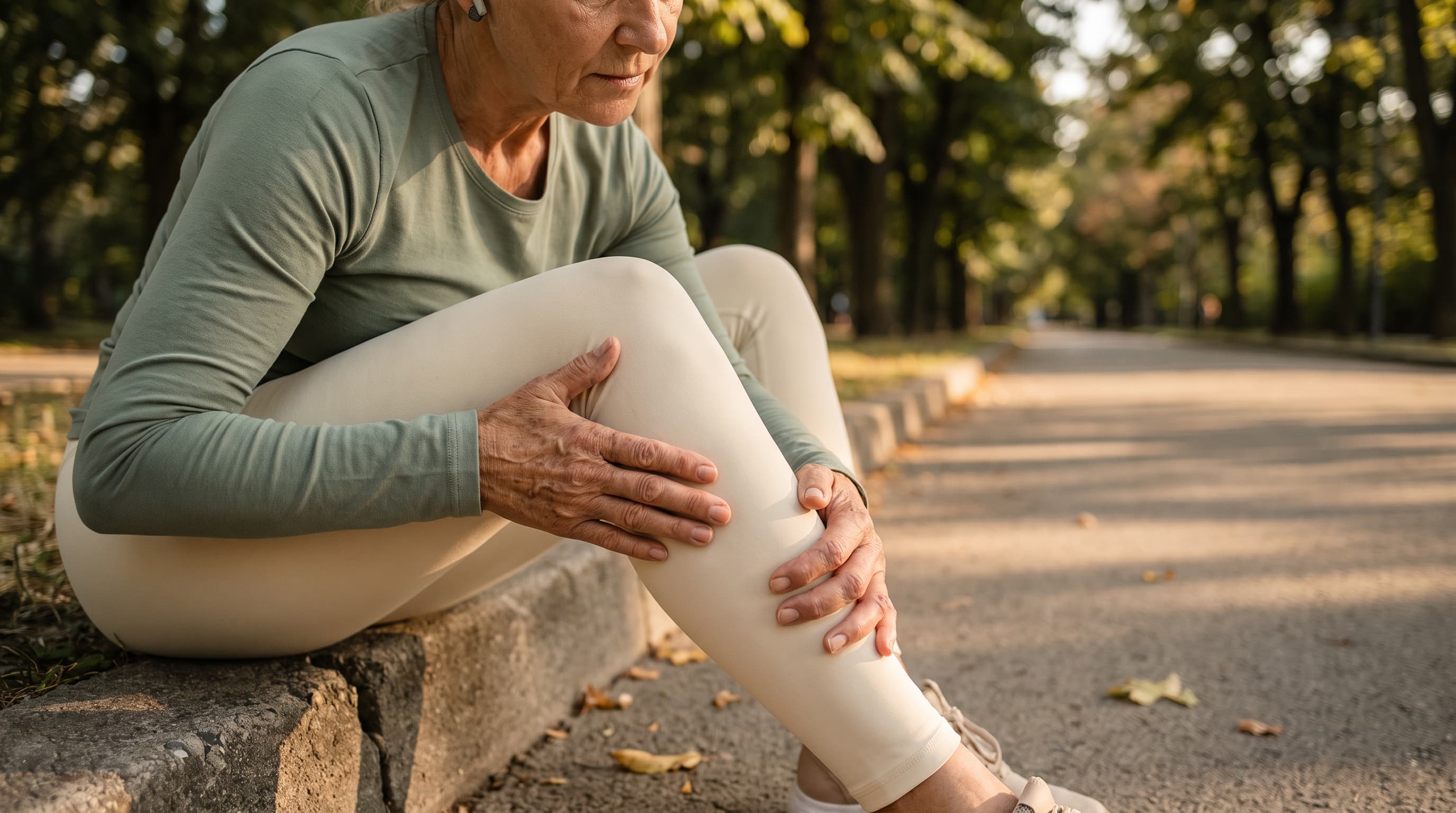
Progressive layering builds durable aerobic stamina without causing acute lower body fatigue.
Neglecting Lower-Body Recovery and Mobility
Logging thousands of repetitions without stretching leads to tight calves, stiff hip flexors, and lower back tension. Incorporating basic mobility exercises after longer bouts restores muscle length and prevents nagging aches.
FAQ
These insights help clear up confusion regarding mileage, pacing, and indoor alternatives.
How many miles is 10,000 steps on average?
Ten thousand steps equals roughly 4.5 to 5 miles for an adult with an average stride length. This translates to 7.2 to 8.0 kilometers of total distance.
How long does it take to walk 10,000 steps in minutes?
Logging this distance typically requires between 80 and 100 total minutes across a full day. Breaking the time into three 30-minute sessions covers most of the goal.
Can someone lose weight just by walking 10,000 steps a day?
Walking this distance burns approximately 300 to 500 calories through elevated metabolic activity. Sustainable weight loss depends on mindful nutrition alongside the physical activity.
What happens if a daily count only reaches 7,000 or 8,000 steps?
Significant cardiovascular benefits occur at these moderate step levels. There is no physiological penalty for falling slightly short of the ten-thousand mark.
Do indoor steps and pacing around the house count toward the total?
Pedometers and fitness trackers record all vertical ground reaction forces whether walking outside or pacing indoors. Climbing stairs offers excellent cardiovascular stimulation, with one flight equaling roughly 38 steps.
How can an office worker hit 10k steps with an 8-hour desk job?
Tactical habits include using an under-desk treadmill and pacing during phone calls. A 10-minute post-lunch stroll and parking farther away chip away at the total. Front-loading 2,500 steps before work ensures success without late-night scrambling.
Is walking 10,000 steps every day hard on the knees and joints?
Walking is a low-impact activity that stimulates synovial fluid circulation to lubricate joints. Proper pacing increments of 500 to 1,000 steps per week allow cartilage to adapt safely. Supportive footwear and mindful cool-downs keep the lower body mobile and pain-free.
Related Articles

Habits That Rebuild Aging Muscle: 5 Practical Steps To Restore Strength After 50
Fitness5 min read
How to Get 10k Steps in a Day: A Practical Routine for Busy Adults
Fitness5 min read

Menletics App Review: What's Inside, What It Costs, and How To Manage It
Fitness5 min read
Calistway App Review: What's Inside, What It Costs, and How To Manage It
Fitness5 min read

7 Training Myths You Should Know to Stop Wasting Effort and Build Real Strength
Fitness5 min read

Which Exercise Burns the Most Calories: Time-Efficient Routines
Fitness5 min read
Comments
(0)Leave a comment
Your email will not be published. All fields are required.