Align your nutrition and workouts with your natural hormonal phases.
Explore Cycle Diet today
Activities That Support Hormonal Health and Bone Strength: A Practical Walkthrough for Long-Term Vitality
By: Healthtime Editorial
Fact checked by: QA Team
Updated on: October 21, 2026
0
2989
10 min
In this article
- How Hormonal Shifts and Bone Remodeling Work Together
- How It Works: The Cellular Conversation Between Muscle, Bones, and Hormones
- Benefits and What The Evidence Shows
- How To Get Started: A Practical Movement Protocol
- Common Mistakes and Considerations to Protect Your Framework
- FAQ

Endocrine signals and bone remodeling are deeply intertwined, dictating how the skeletal system ages over time. Shifting hormones can feel unpredictable, but bones respond eagerly to mechanical input at any stage of life.
This guide delivers an actionable movement blueprint to protect skeletal density while keeping key hormones balanced. Proactive habits build a resilient framework for the future, ensuring long-term vitality.
How Hormonal Shifts and Bone Remodeling Work Together
Bone is a dynamic, living tissue constantly communicating with the endocrine system. Getting the right mix of movement ensures both systems thrive together instead of working against each other.
The Hormonal Lifeline of Skeletal Density
Sex hormones actively dictate bone turnover rates, especially during pivotal reproductive and menopausal transitions. When estrogen levels drop during menopause, bone mineral density decreases as osteoclasts remain active longer and strip away bone minerals faster.
Proactive exercise steps in as a vital mechanical signal when circulating estrogen recedes. It replaces the hormonal trigger with a physical one, forcing the body to maintain skeletal mass.
Who Benefits Most from Targeted Movement
Individuals facing hormonal shifts gain the highest return from bone-supportive workouts. Sedentary behavior accelerates bone loss and increases fracture risk, particularly in the hip and spine.
Let's be real: whether navigating perimenopause, PCOS, or cycle irregularities, structured movement restores essential metabolic signals. This approach acts as a physical insurance policy against age-related decline.
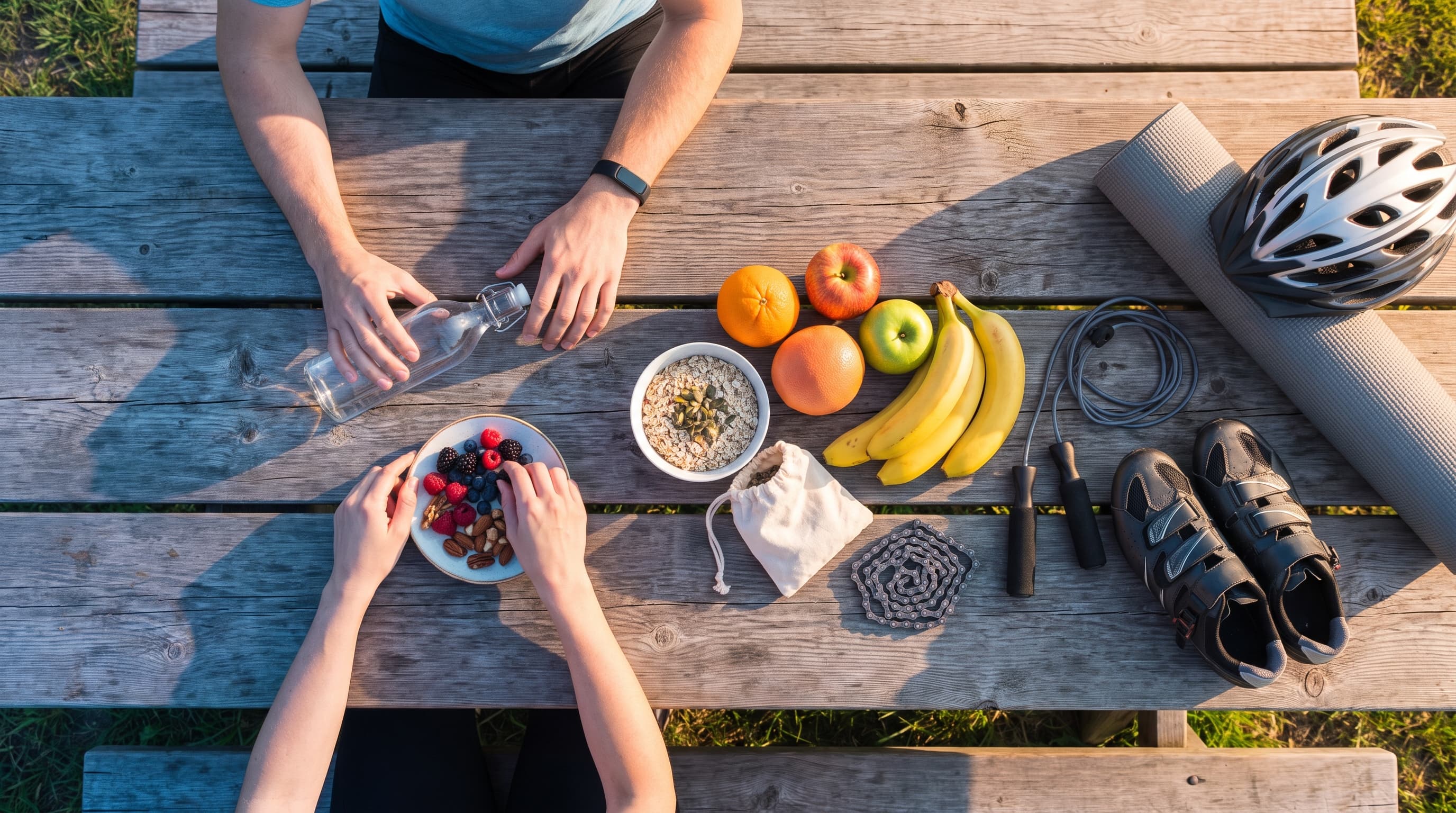
Beyond Basic Aerobics: The Real Stimulus Bones Need
Casual walking or floating laps in a pool simply do not make the cut for bone remodeling. Bone needs gravitational resistance and mechanical deformation to register a growth response, which low-impact cardio fails to provide.
Targeted physical activities create high-yield muscular tension that directly tells bone cells to reinforce their internal architecture. Understanding who needs this stimulus is only half the battle; knowing the cellular machinery behind it makes every workout feel purposeful.
How It Works: The Cellular Conversation Between Muscle, Bones, and Hormones
The body translates physical strain into chemical signals in seconds. When a person lifts or jumps, a cascade of cellular events directly triggers bone fortification and endocrine harmony.
Mechanotransduction and Wolff's Law in Plain English
Mechanical loads generate fluid shear stress through the lacunar-canalicular network of bone tissue. Embedded osteocytes detect this physical strain, dampening the protein sclerostin and firing up the canonical Wnt/β-catenin signaling pathway.
This cellular green light prompts osteoblasts to lay down brand-new, calcified bone matrix. The skeleton adapts precisely to the loads placed upon it, becoming thicker and stronger.
The Estrogen-Osteoclast Brake System
Estrogen acts as a natural brake on bone breakdown by prompting the release of osteoprotegerin (OPG), a decoy receptor that stops RANKL from activating bone-degrading osteoclasts. When hormonal levels fluctuate, osteoclasts stay active longer and strip away bone minerals faster.
Mechanical training steps up to restore this balance by promoting bone building right when endocrine support dips. Managing this delicate transition requires precise nutritional support tailored to hormonal phases.
This is where Cycle Diet delivers essential guidance by tracking daily hormonal shifts and suggesting aligned macronutrient targets. The platform offers over 500 cycle-based recipes designed to provide the exact minerals needed when estrogen drops.
Users can easily monitor their cycle phases and receive daily nutrition recommendations that support osteoblast activity. Syncing meal plans during the luteal phase prevents the nutritional gaps that often accelerate bone loss, making the app an excellent tool for long-term consistency.
Try Cycle Diet today
Myokine Signaling and Irisin Release
Working skeletal muscle operates like an endocrine organ by releasing beneficial signaling peptides known as myokines. Irisin is a specific myokine secreted during resistance exercise that actively communicates with skeletal tissue to keep osteocytes resilient.
Every muscle contraction is quite literally sending survival nutrients directly to surrounding bones. These cellular pathways sound impressive on paper, but the real-world evidence backing their effectiveness is where things get truly exciting.
Benefits and What The Evidence Shows
Clinical trials consistently demonstrate that targeted movement produces measurable changes in endocrine markers and skeletal density. The science confirms that bones retain an extraordinary capacity to rebuild.
Proven Increases in Lumbar and Hip Bone Density
The 2025 Frontiers in Reproductive Health scoping review shows that combining progressive resistance training with impact loading 2 to 3 days per week increases bone mineral density in the lumbar spine and femoral neck. This targeted loading stabilizes the exact skeletal regions most vulnerable to osteoporotic fractures.
Structured load-bearing provides tangible, clinical improvements in bone architecture. The physical changes translate directly into a lower risk of future mobility issues.
| Training Type | Bone Density Impact |
|---|---|
Heavy Resistance | High structural adaptation |
Impact Plyometrics | Site-specific strain |
Brisk Walking | Minimal bone changes |
Swimming | No mechanical load |
Natural Hormonal Upregulation via Resistance Work
Progressive resistance exercise stimulates natural anabolic endocrine pathways, prompting healthy rises in growth hormone and insulin-like growth factor 1 (IGF-1). Findings from the Journal of Sports Medicine and Physical Fitness show how these hormones act synergistically to produce collagen matrix and mineral accrual.
This metabolic lift also sharpens insulin sensitivity without overtaxing adrenal pathways. The body becomes more efficient at utilizing nutrients for structural repair.
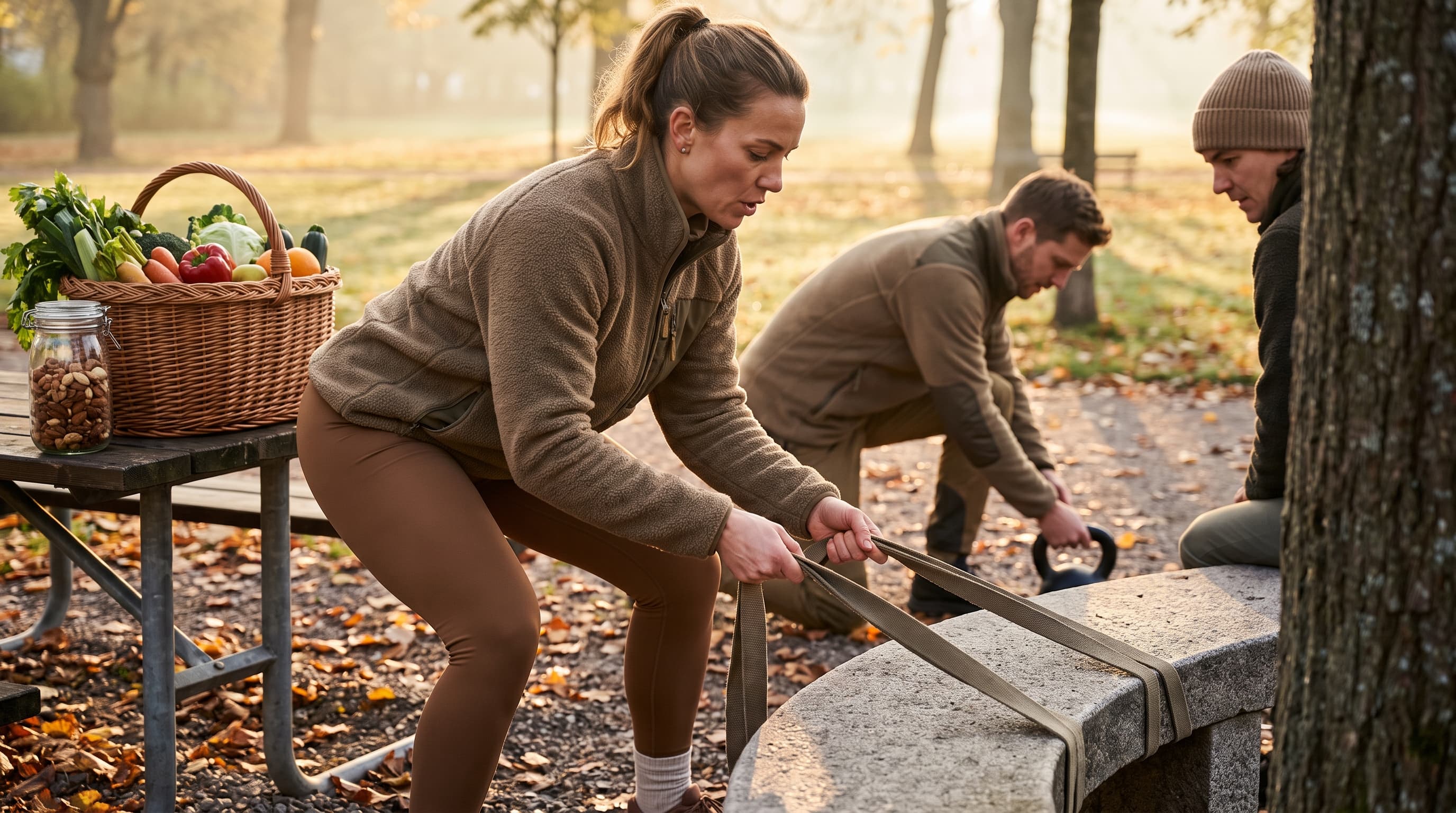
Busting the Myth: Weight Lifting Does Not Harm Female Hormones
A stubborn myth suggests that lifting heavy weights damages female hormonal health or sends stress hormones through the roof. Controlled, progressive resistance training actually lowers resting cortisol levels and prevents the muscle-wasting catabolic cascades linked to chronic stress.
Lifting smart builds hormonal resilience rather than hormonal chaos, giving women permission to pick up real weights with total confidence. Armed with the clinical proof, putting these scientific insights into a realistic weekly schedule is simpler than most people think.
How To Get Started: A Practical Movement Protocol
Building an effective weekly routine does not require living at the gym or pushing through joint pain. A smart, sustainable plan hinges on a few proven movements performed with consistent progressive effort.
Laying Down the Progressive Resistance Blueprint
Schedule progressive resistance training 2 to 3 days per week in dedicated 30-to-45-minute sessions. Focus on foundational compound movements like goblet squats, Romanian deadlifts, overhead presses, and bent-over rows with progressively challenging loads.
Allow 48 hours of recovery between sessions targeting the same muscle groups so bone and connective tissue can properly adapt. Establishing this baseline structure prevents overtraining while maximizing tissue response.
Standard protocol steps
- Warm up thoroughly - Prime joints with dynamic mobility work for 5 minutes.
- Select compound lifts - Focus on squats and deadlifts that load the axial skeleton.
- Track progressive overload - Gradually increase weight or repetitions every week.
Integrating Dynamic Impact and Balance Drills
Adding brief, multi-directional impact bursts creates site-specific bone strain that steady lifting alone might miss. Introduce daily stomps, heel drops, or skipping patterns across 3 days each week to surprise bone architecture.
Consistent balance and impact work reduces fall risk, particularly in those at higher risk for fractures. This combination ensures bones are both dense and protected from accidental fractures.
Syncing Recovery and Fueling with Cycle Diet
Pairing mechanical strain with adequate fuel is critical, requiring 1.2 to 1.6 grams of protein per kilogram of body weight alongside essential micronutrients. Wellness tools like Cycle Diet help coordinate personalized cycle-based meal plans with over 100 dedicated workouts.
This ensures women avoid the low energy availability that silently degrades bone mass. Keeping calories aligned with training phases stops stress spikes and preserves bone-building momentum.
For example, using Cycle Diet to adjust fasting periods during the luteal phase guarantees the body has enough steady energy for heavy lifting days. While setting up the routine is straightforward, avoiding common execution errors is what ensures these gains last for decades.
Common Mistakes and Considerations to Protect Your Framework
More is not always better when it comes to bone density and endocrine health. Dodging classic training traps keeps joints happy and hormones functioning smoothly.
The Chronic Cortisol and Under-Fueling Trap
Pushing through grueling high-intensity workouts without proper caloric support triggers chronic cortisol elevation. Sustained stress hormones can impair bone remodeling by slowing bone formation and accelerating bone breakdown.
Keep strenuous sessions under 45 to 60 minutes and weave in restorative strolls or breathwork to protect the endocrine system. Giving the body adequate downtime is non-negotiable for skeletal repair.
Recovery Insight
Rest periods are when the actual bone remodeling occurs. Constant physical stress without caloric support forces the body into a catabolic state.
Hazardous Spinal Flexion and Rotational Torque
Certain movement patterns pose severe risks for individuals diagnosed with osteopenia or osteoporosis. Avoid explicitly loaded forward spinal flexion, such as weighted sit-ups or machine crunches, and rapid, forced torso twisting.
These movements threaten fragile anterior vertebral bodies. Focus on neutral-spine core stabilizers like bird-dogs, pallof presses, and planks to protect against wedge fractures.
Dropping Progressive Overload During Fatigue Dips
A major mistake is completely abandoning resistance training whenever natural energy dips occur across monthly or seasonal cycles. Adjusting intensity during the luteal or menstrual phases makes intuitive sense, but dropping mechanical loading entirely stalls bone adaptations that require 6 to 12 months to show on DXA scans.
Instead of quitting, use lighter deload sets or tempo modifications to maintain the habit. Cycle Diet makes this seamless by offering customized light yoga and meditation guides perfectly timed for low-energy phases.
This keeps the metabolic signaling active without overtaxing the nervous system. Addressing these key considerations clears the deck for answering the most common questions people have about bone and hormone care.
Consistency with moderate loads builds more bone over a year than sporadic periods of intense lifting.
FAQ
Can walking 10,000 steps a day build bone density?
While 10,000 steps offers fantastic cardiovascular and metabolic perks, casual walking does not generate enough mechanical force or strain rate to build bone density. Bones require progressive resistance or dynamic impact to stimulate osteoblasts, though walking remains a wonderful low-stress recovery activity.
How long does it take for bone density improvements to appear on a DXA scan?
Bone remodeling is a slow biological process requiring patience. Clinical studies require 6 to 12 months of consistent progressive resistance and impact training before measurable changes in bone mineral density register on a DXA scan, so focus on strength and balance gains as early milestones.
Can exercise completely replace hormone replacement therapy for bone health?
While mechanical training stimulates bone deposition independently, it acts synergistically with hormone replacement therapy rather than serving as an identical biological replacement. Always consult an endocrinologist or physician to tailor an integrated treatment strategy.
Why aren't swimming and cycling enough to protect my bones?
Non-weight-bearing activities like swimming and road cycling remove the gravitational load necessary for bone strain. Despite their exceptional cardiovascular value, they do not trigger fluid shear stress inside osteocytes and must be paired with land-based resistance work.
What exercises are strictly contraindicated if I have osteopenia?
Avoid weighted forward spinal flexion, such as traditional crunches or toe touches with weights, and explosive torso twisting. These movements place extreme compressive force on the anterior vertebral bodies, increasing the risk of wedge fractures in thinning bone.
Does heavy lifting spike cortisol enough to harm female hormones?
Brief cortisol elevations from lifting sessions under 45 to 60 minutes are healthy and trigger adaptive remodeling. It is only chronic overtraining paired with under-eating that creates hormone-disrupting catabolic states.
How can I align cycle syncing with the progressive overload needed for bones?
There is no need to pause lifting during lower-energy phases. Modifying volume and utilizing cycle-tracking tools like Cycle Diet ensures adequate nutrient intake keeps bone remodeling fueled throughout the month without causing burnout.
Related Articles
Activities That Support Hormonal Health and Bone Strength: A Practical Walkthrough for Long-Term Vitality
Fitness5 min read

Habits That Rebuild Aging Muscle: 5 Practical Steps To Restore Strength After 50
Fitness5 min read
How to Get 10k Steps in a Day: A Practical Routine for Busy Adults
Fitness5 min read
Menletics App Review: What's Inside, What It Costs, and How To Manage It
Fitness5 min read

Calistway App Review: What's Inside, What It Costs, and How To Manage It
Fitness5 min read

7 Training Myths You Should Know to Stop Wasting Effort and Build Real Strength
Fitness5 min read
Comments
(0)Leave a comment
Your email will not be published. All fields are required.