Build lasting fitness habits with personalized challenges designed for your goals.
Start your first challenge today
30-Day Fitness Challenges: Do They Actually Work for Weight Loss?
By: Healthtime Editorial
Fact checked by: QA Team
Updated on: September 18, 2026
0
630
5 min
In this article
- The Psychology Behind Why Challenges Work
- What Nordletics Challenges Actually Look Like
- How the Tracker Turns Challenges Into Visible Progress
- Do Challenges Produce Real Weight Loss Results?
- The Transparency Factor
- Building a Challenge Habit With Nordletics
- The Bottom Line
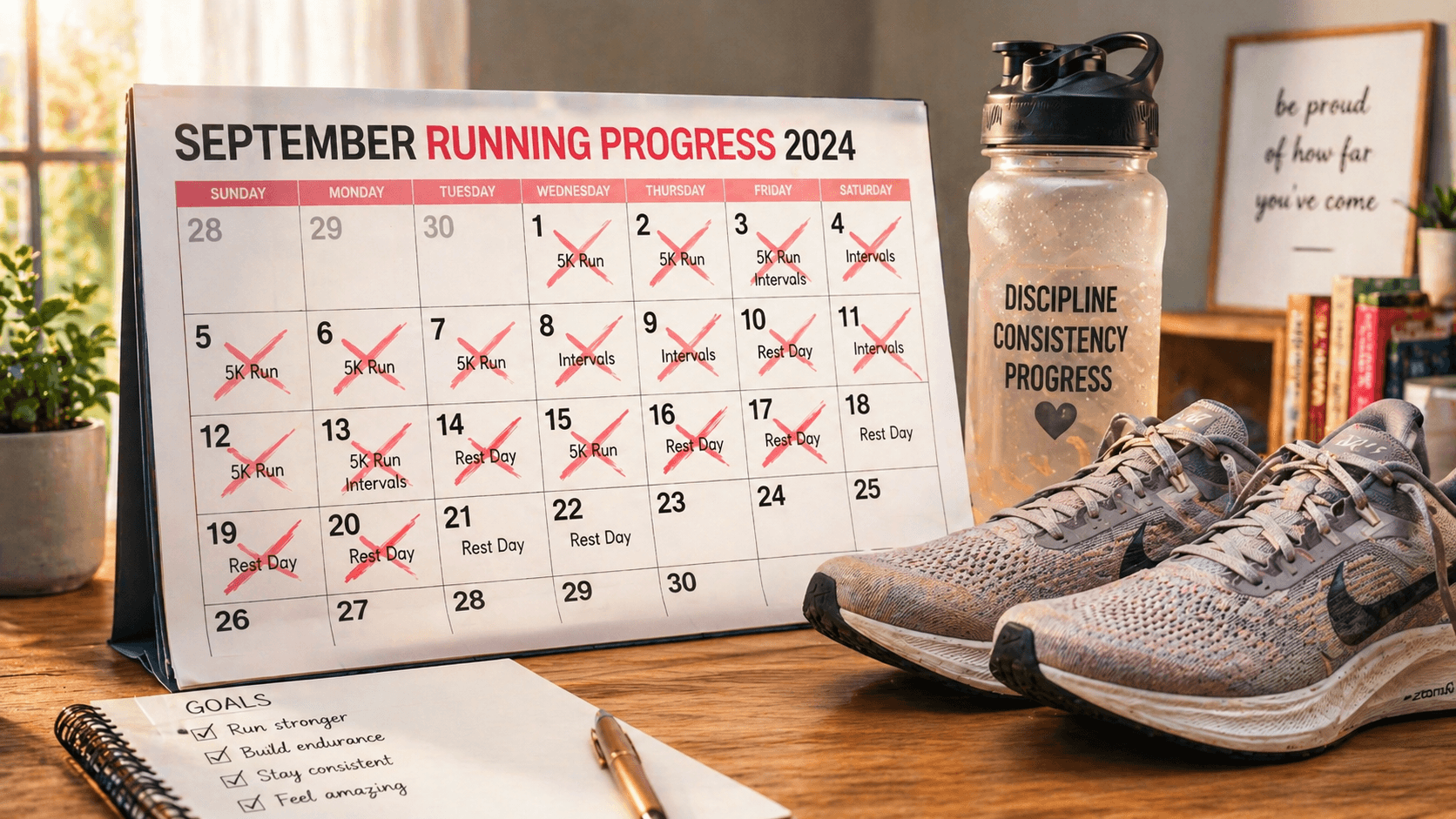
The internet is full of 30-day fitness challenges. Thirty days of squats. Thirty days without sugar. Thirty days of walking. The concept is everywhere–but so is the skepticism.
Do these short-term challenges actually produce meaningful results, or are they just motivational content dressed up as a fitness strategy? The answer, backed by behavioral science and exercise research, is more nuanced than either enthusiasts or critics typically acknowledge.
And when challenges are built into a structured platform like Nordletics, the results are considerably more reliable than the typical social media challenge format.
The Psychology Behind Why Challenges Work
Behavioral research consistently shows that time-limited commitments are significantly easier to maintain than open-ended ones.
Telling yourself "I will exercise every day" is a vague, indefinite commitment that the brain struggles to act on consistently.
Telling yourself "I will complete this 20-day mindful eating challenge" creates a defined endpoint, a clear daily action, and a measurable sense of progress–all of which are powerful psychological drivers of follow-through.
This is not a motivational platitude–it reflects well-documented principles from habit formation research. Specifically, the concept of implementation intentions: pre-decided, specific plans for when, where, and how a behavior will occur.
Challenges operationalize this principle naturally. You know what you are doing, when you are doing it, and for how long.
That clarity dramatically reduces the daily decision burden that causes most fitness intentions to fade within weeks.
What Nordletics Challenges Actually Look Like
Nordletics' challenges are not generic–they are specifically designed around behavioral change and sustainable habit formation rather than short-term intensity.
Current challenges include a 20-day mindful meals program, a 19-day sugar-free challenge, and a 10-day discovering new spices challenge–among others.
These are not punishment-based restrictions. They are structured explorations of healthier habits, designed to feel engaging and achievable rather than grueling and deprivating.
The variety matters. Someone who is not ready for an intense workout challenge might find a mindful eating challenge entirely manageable–and completing it successfully builds the confidence and habit infrastructure that makes the next challenge easier to commit to.
Nordletics understands that the entry point into healthy behavior change looks different for different people, and its challenge library reflects that understanding.
How the Tracker Turns Challenges Into Visible Progress
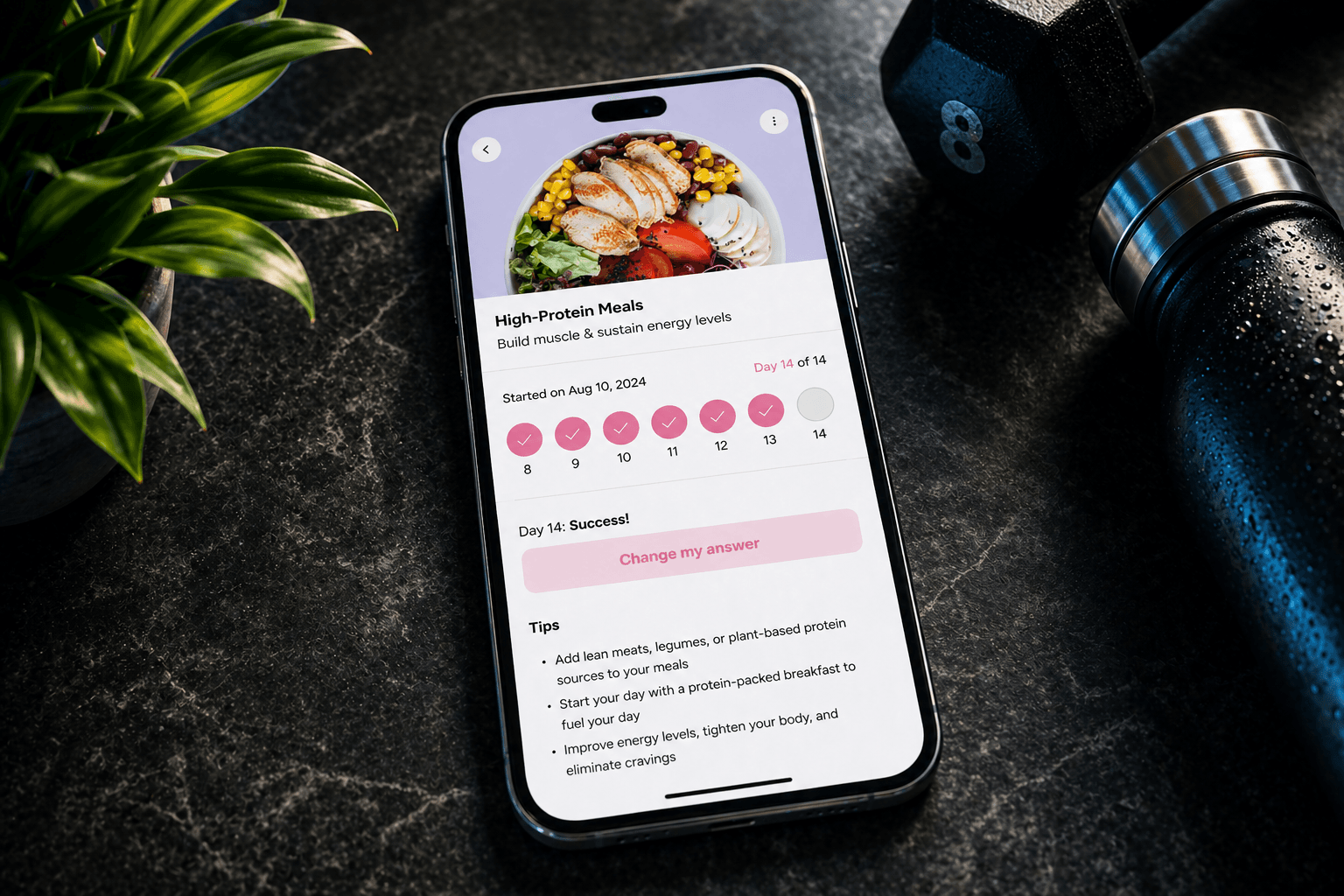
Completing a challenge is motivating. Seeing your completion streak, your step count trending upward, your water intake hitting targets day after day–that visibility compounds the motivational effect significantly.
Nordletics' integrated tracker covers steps, water intake, body weight, and fasting windows alongside challenge progress, creating a dashboard of consistent improvement that makes the abstract concept of "getting healthier" feel concrete and real.
This combination of challenge structure and progress visibility is what separates Nordletics from simply deciding to do something for 30 days and hoping for the best.
The platform creates accountability that does not depend on willpower alone–you can see your streak, your data, and your trajectory, which makes continuing feel rewarding and stopping feel like a genuine loss worth avoiding.
Do Challenges Produce Real Weight Loss Results?
The honest answer is that challenges alone are rarely sufficient for significant weight loss–but that is not their primary function. Their function is habit installation.
A 19-day sugar-free challenge does not produce dramatic fat loss in isolation, but it does meaningfully reset sugar cravings, demonstrate that life without processed sugar is entirely manageable, and install a new behavioral baseline that supports long-term dietary improvement.
Weight loss follows from the habits, not from the challenge itself.
Research on habit formation suggests that behavioral automaticity–the point at which a behavior happens without conscious effort–begins to develop around 21 days of consistent repetition for simple behaviors, and longer for more complex ones.
Nordletics challenge durations are calibrated around this research, providing enough repetition to begin genuine habit installation rather than just a temporary behavior change that evaporates when the challenge ends.
The Transparency Factor
A common frustration with fitness apps in this category is discovering that what seemed like a straightforward sign-up involves unexpected charges or confusing subscription structures down the line.
Nordletics approaches this differently–subscription terms are presented clearly during onboarding, before any payment is made, so users know exactly what they are committing to from the start.
The challenges, tracker, personal workouts, and AI coach are all part of the core platform rather than hidden behind additional paywalls discovered after sign-up. In a market where billing surprises are unfortunately common, that clarity is worth noting.
Building a Challenge Habit With Nordletics
The most effective way to use Nordletics' challenge system is sequentially–completing one challenge, allowing the habit to consolidate, then beginning the next.
This approach builds a compounding foundation of healthy behaviors over months rather than attempting to overhaul everything simultaneously.
Combined with Nordletics' tracker providing continuous visibility into progress across multiple health metrics, the challenge system becomes a genuinely powerful tool for sustainable behavior change–one that makes the process feel more like a game than a grind.
The Bottom Line
Thirty-day challenges work when they are designed thoughtfully, embedded in a system that tracks progress, and varied enough to stay engaging over time.
Nordletics delivers all three–a challenge library built around sustainable habit formation, an integrated tracker that makes progress visible and motivating, and enough variety across challenge types to meet people wherever they are in their health journey.
For anyone who has struggled to make healthy habits stick through willpower alone, the structured, gamified approach of Nordletics' challenge system offers something meaningfully different: a system that makes consistency feel rewarding rather than effortful.
Related Articles

6 Reasons to Walk Everyday: How This Habit Boosts Mood, Heart Health, and Longevity in 2026
Fitness5 min read

Walking Yoga App Review: My Results After 30 Days of 15-Minute Sessions for Weight Loss and Calm
Fitness5 min read

Nord Yoga App Review: How 5 Minutes Daily Lifted My Jawline in 4 Weeks
Fitness5 min read

Taioga Review: Can 10–15 Minute Tai Chi Sessions Really Build Balance and Energy?
Fitness5 min read

Calistway Review: How Busy Parents Achieve 33% Aerobic Gains With 15-25 Minute Personalized Home Plans
Fitness5 min read

Koi Yoga Review: Qigong Results For Busy Adults
Fitness5 min read
Comments
(0)Leave a comment
Your email will not be published. All fields are required.