Get personalized Mediterranean recipes and targeted workouts.
Explore no.Diet plans
Mediterranean Diet Gut Health: Healing Your Microbiome
By: Healthtime Editorial
Fact checked by: QA Team
Updated on: May 4, 2026
0
0
8 min
In this article
- How the Mediterranean Pattern Transforms Your Microbiome
- Core Gut-Healing Nutrients in the Mediterranean Diet
- Foods to Prioritise and Limit for Optimal Digestion
- A Practical Mediterranean Diet Meal Plan for Gut Health in 2026
- Navigating Initial Digestive Changes and Challenges
- Lifestyle Pillars That Amplify Dietary Benefits
- FAQ
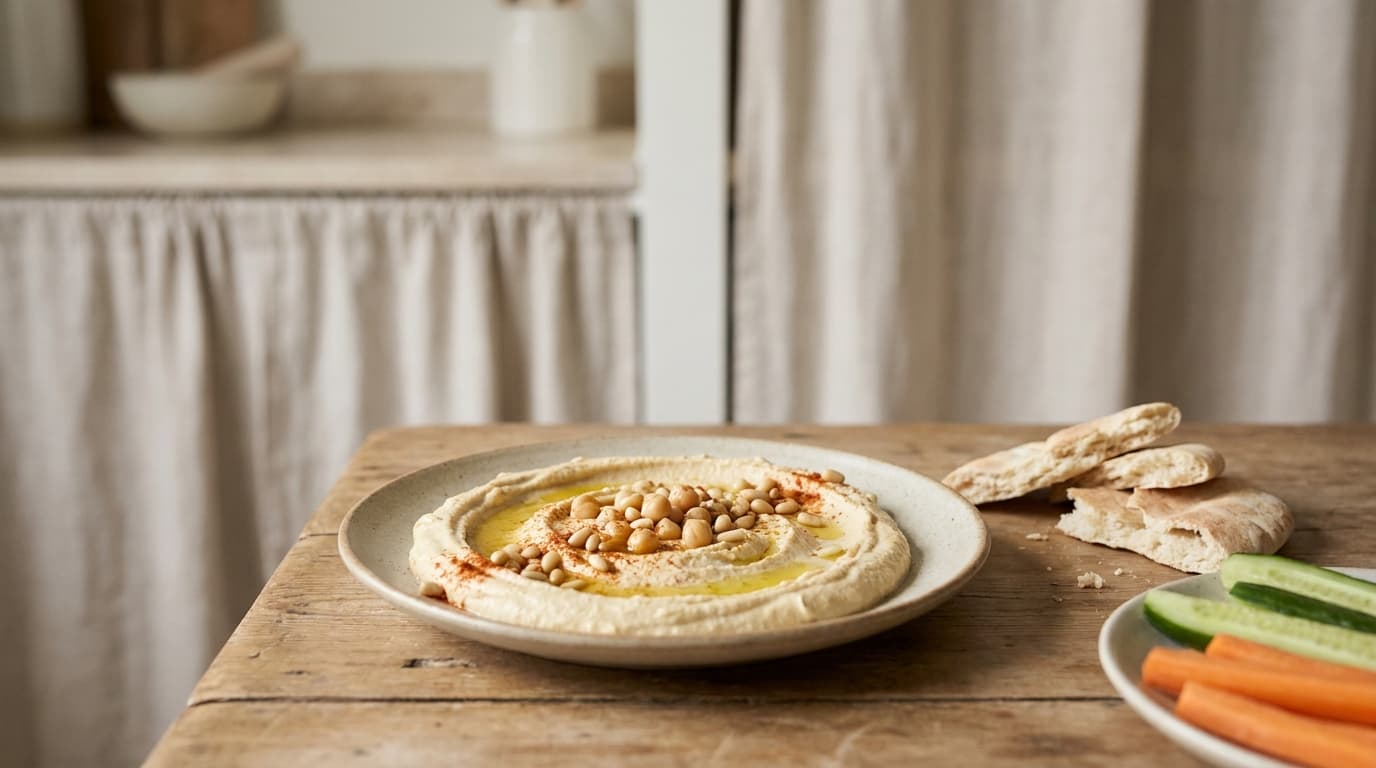
The foundation of a robust digestive system begins with the foods we consume every single day. If you struggle with unpredictable digestion or sluggish energy, focusing on Mediterranean diet gut health principles can be transformative.
Many people find that adopting this plant-forward eating pattern actively reshapes their internal ecosystem for the better. By crowding out inflammatory foods with nutrient-dense staples, you create an environment where beneficial bacteria thrive.
This guide explores how these traditional dietary habits can heal your microbiome from the inside out. We will cover the core nutrients, practical meal planning, and lifestyle shifts that support lasting digestive wellness.
How the Mediterranean Pattern Transforms Your Microbiome
The foundation of a robust digestive system lies in the balance and diversity of its microorganisms. By adopting this plant-forward eating pattern, you actively reshape your internal ecosystem for the better.
Boosting Microbial Diversity
Building a resilient, diverse microbiome is the ultimate goal of any digestive healing journey. Research shows that eating 30 or more different plant species weekly directly encourages the growth of highly beneficial bacterial strains.
Plant Diversity ensures that various microbial families receive the specific prebiotic fuels they need to multiply and thrive. When I track my weekly intake, I notice that hitting this target significantly improves my overall digestive consistency.
Incorporating fresh herbs, mixed seeds, and varied greens makes reaching this ambitious number surprisingly achievable. A wider variety of plants directly translates to a more robust defence against opportunistic intestinal pathogens.
Increasing Short-Chain Fatty Acids (SCFAs)
Nourishing the colon lining is another incredible benefit of this traditional eating style. When complex carbohydrates ferment in the lower intestine, they produce powerful short-chain fatty acids like butyrate.
These compounds act as the primary energy source for your colonocytes, keeping the intestinal wall healthy and robust. Studies indicate that following this pattern can lead to a remarkable 20% increase in butyrate production.
How to Maximise Butyrate Production
- Consume resistant starches — Incorporating cooled lentils provides slow-digesting fuel that reaches the colon intact.
- Add soluble fibre — Eating oats and barley feeds the specific bacteria responsible for synthesising these fatty acids.
- Time your meals — Allowing digestion to complete between meals optimises the fermentation process naturally.
Strengthening the Intestinal Barrier
Preventing intestinal permeability is essential for keeping systemic inflammation at bay over the long term. Healthy fats and antioxidants work synergistically to maintain the tight junctions between your intestinal cells.
Gut Permeability is actively reduced when these nutrients protect the mucosal lining from chronic oxidative stress. Many people discover that this dietary shift leads to substantially reduced zonulin levels, a key marker of barrier integrity.
To understand exactly how this transformation happens, we need to look at the specific dietary components that fuel it.
Core Gut-Healing Nutrients in the Mediterranean Diet
Specific components of this diet act as medicine for your digestive tract. Understanding these key nutrients helps you make targeted choices that maximise your microbial health.
Fibre-Rich Complex Carbohydrates
Providing the primary fuel for gut microbes is the main job of complex carbohydrates. Aiming for at least 30g of daily fibre ensures your microbiome has the resources it needs to flourish.
Prebiotic Fibre comes in both soluble and insoluble forms, and getting a mix of both is crucial. Tracking these macronutrients properly can make a massive difference in your daily digestive comfort.
For those implementing this at home, no.Diet offers a personalised Mediterranean meal plan that calculates these fibre targets automatically. The app meticulously tracks your daily progress across all meals, adjusting portion recommendations as your digestive capacity naturally improves.
What sets it apart is the extensive database of over 500 Mediterranean recipes that filter specifically for high-fibre, gut-friendly ingredients. I found the built-in tracking features incredibly useful for building consistency during the first critical month of my transition.
You can easily learn more to seamlessly streamline your new daily routine. This tool beautifully removes the guesswork from calculating complex prebiotic requirements.
| Food Source | Soluble Fibre | Insoluble Fibre |
|---|---|---|
Lentils | High | Moderate |
Whole Wheat | Low | High |
Green Bananas | High | Low |
Polyphenols from Colourful Produce
Suppressing gut inflammation relies heavily on consuming a wide spectrum of plant compounds. Polyphenols act as potent prebiotics because they safely bypass early digestion to reach the colon.
Antioxidant Power is easily maximised by including just one cup of mixed berries in your daily routine. Once in the colon, these compounds are metabolised by bacteria into anti-inflammatory metabolites that soothe the digestive tract.
Extra-Virgin Olive Oil (EVOO)
Balancing microbial populations is directly supported by the daily consumption of quality liquid fats. High oleic acid content directly reduces gastrointestinal inflammation while supporting the growth of beneficial Bifidobacteria.
Healthy Lipids are most effective when you aim for two to three tablespoons of high-quality EVOO daily. I always recommend using it primarily as a finishing oil over cooked vegetables and fresh salads to preserve its delicate compounds.
Omega-3 Fatty Acids
Lowering systemic inflammation originating in the gut is a major advantage of essential fatty acids. Marine sources provide highly bioavailable compounds that rapidly calm irritated intestinal tissues.
Marine Omega-3s are best obtained by eating two servings of fatty fish per week. This specific nutrient profile fundamentally changes the inflammatory tone of the entire digestive system.
Adding Omega-3s to Your Diet
- Select small fish — Sardines and mackerel offer high concentrations of EPA and DHA with minimal heavy metals.
- Include plant sources — Walnuts and chia seeds provide ALA, which supports microbial diversity alongside marine fats.
Fermented Foods in the Mediterranean Tradition
Introducing beneficial live cultures helps continuously reseed your digestive tract with friendly organisms. Traditional Greek yoghurt or kefir support gut flora by providing transient bacteria that improve the local environment.
Live Cultures can easily be incorporated by enjoying a daily half-cup serving of unsweetened traditional yoghurt. These fermented staples also produce organic acids that lower the intestinal pH, discouraging pathogenic overgrowth.
Knowing the nutrients is important, but translating them into your daily grocery list is where the real healing begins.
Foods to Prioritise and Limit for Optimal Digestion
Building a gut-friendly plate requires knowing which foods to celebrate and which to minimise. Focus on abundant whole foods while crowding out the highly processed items that disrupt microbial harmony.
Plant-Based Staples to Prioritise
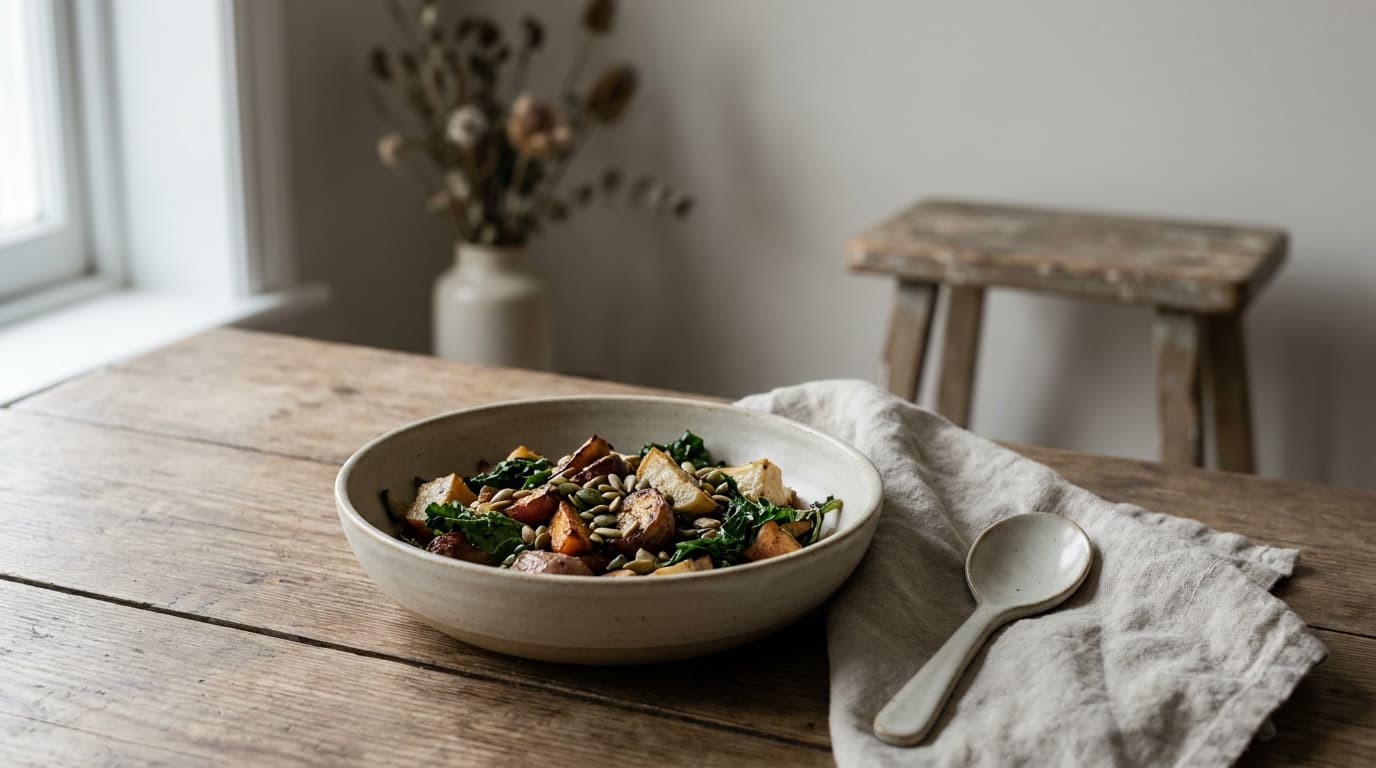
Building the bulk of your daily meals around plants is the cornerstone of this lifestyle. Lentils, chickpeas, and artichokes provide unparalleled nourishment for your deepest microbial populations.
Daily Staples should ideally add up to a goal of five servings of vegetables daily. Consistently hitting this mark provides the structural framework for lasting digestive wellness.
High-Quality Proteins and Fats
Sustaining energy without disrupting gut flora means choosing your protein sources carefully. Heavy reliance on fatty meats can encourage the growth of putrefactive bacteria that generate inflammatory byproducts.
Lean Proteins digest efficiently and leave minimal residue to irritate the lower intestinal lining. Focusing on sustainable, high-quality sources keeps your system running smoothly.
Sourcing Quality Proteins
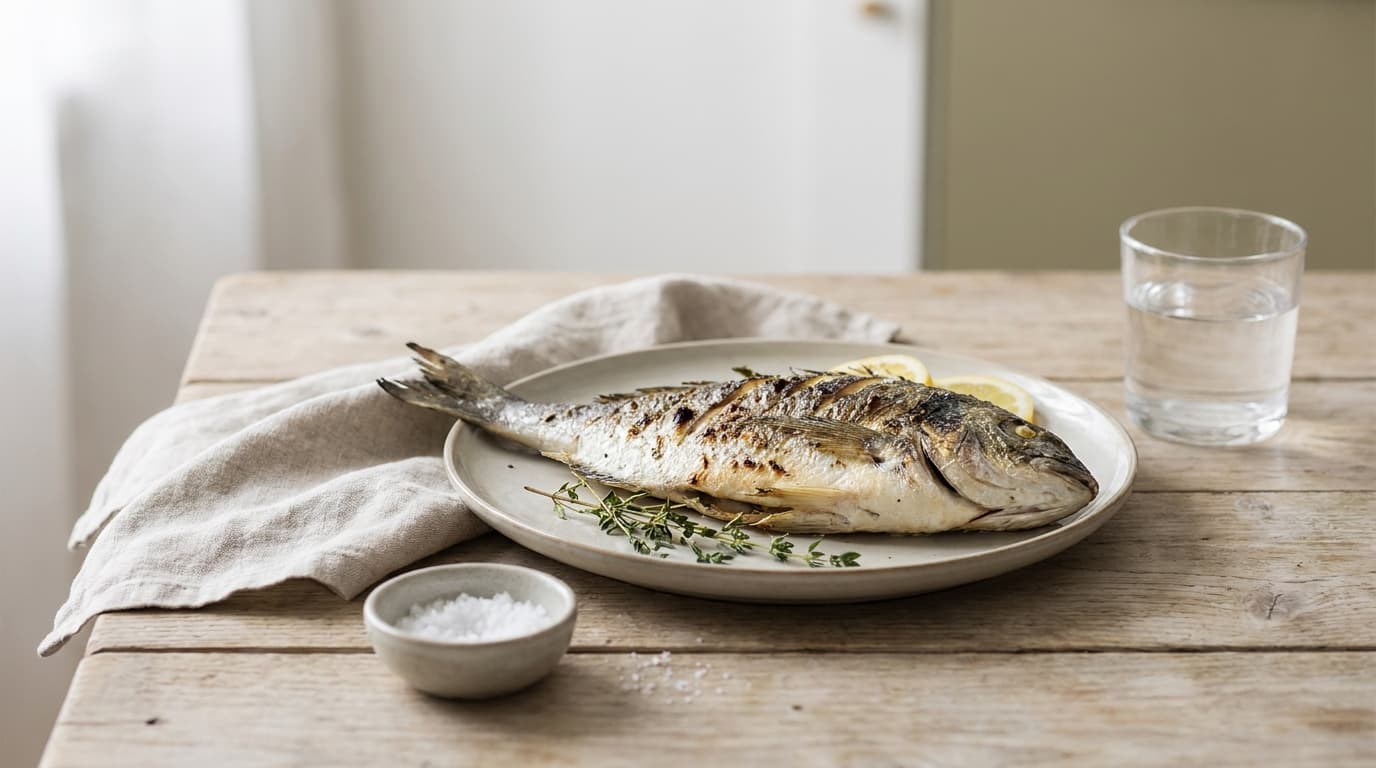
- Prioritise wild seafood — Opt for wild-caught fish which offers superior fatty acid profiles for tissue repair.
- Embrace plant fats — Rely heavily on olives, avocados, and their cold-pressed oils for daily energy needs.
- Minimise red meat — Keep beef and lamb consumption to under 340 grams weekly to prevent dysbiosis.
Ultra-Processed Foods to Limit
Protecting the gut mucosa and making room for beneficial foods requires a critical look at packaged goods. Emulsifiers and refined flours actively strip the protective mucous lining from your intestinal walls.
Processed Additives disrupt the careful separation between your immune system and your gut bacteria. A helpful rule is avoiding items with more than five artificial ingredients to maintain a pristine digestive environment.
Added Sugars and Artificial Sweeteners
Preventing dysbiosis is much easier when you eliminate synthetic sugar substitutes and excessive fructose. These compounds can rapidly shift your microbiome toward a more inflammatory, insulin-resistant profile.
Natural Sweeteners offer a much safer alternative, though capping added sugars at under 25g daily remains crucial. Using whole-food sweeteners in moderation preserves your bacterial balance.
| Sweetener | Daily Limit | Gut Impact |
|---|---|---|
Raw Honey | Under 15g | Neutral |
Cane Sugar | Under 10g | Slight Dysbiosis |
Sucralose | 0g (Avoid) | Severe Dysbiosis |
To help you put these principles into action, I have outlined a sample eating schedule.
A Practical Mediterranean Diet Meal Plan for Gut Health in 2026
Transitioning to a new way of eating is easiest when you have a clear, actionable roadmap. Here is how I suggest structuring your meals to ensure you are getting a rich variety of gut-supporting nutrients every day.
Breakfast: Fibre and Fermented Focus
Kickstarting your day with prebiotics and probiotics sets a positive tone for your digestion. A bowl of Greek yoghurt topped with walnuts and chia seeds perfectly balances protein with essential fats.
Morning Fuel should ideally provide around 10g of fibre to get your motility moving right away. This combination ensures steady blood sugar and sustained energy throughout your busiest mornings.
Lunch: Omega-3s and Leafy Greens
Midday nourishment that digests smoothly prevents the dreaded afternoon energy slump. Creating a robust salad provides the perfect vehicle for both raw fibres and quality proteins.
Midday Nourishment is incredibly easy to manage when utilising the intuitive meal planning features within no.Diet. The platform suggests quick, 15-minute lunch recipes that perfectly balance your macronutrients while keeping the ingredient list refreshingly simple.
I love that the platform generates automated grocery lists, meaning you always have fresh greens ready to go. Having these structural supports prevents you from reaching for highly processed convenience foods during a busy workday.
Building a Better Salad
- Build the base — Start with a minimum 3-cup greens base like rocket or baby spinach.
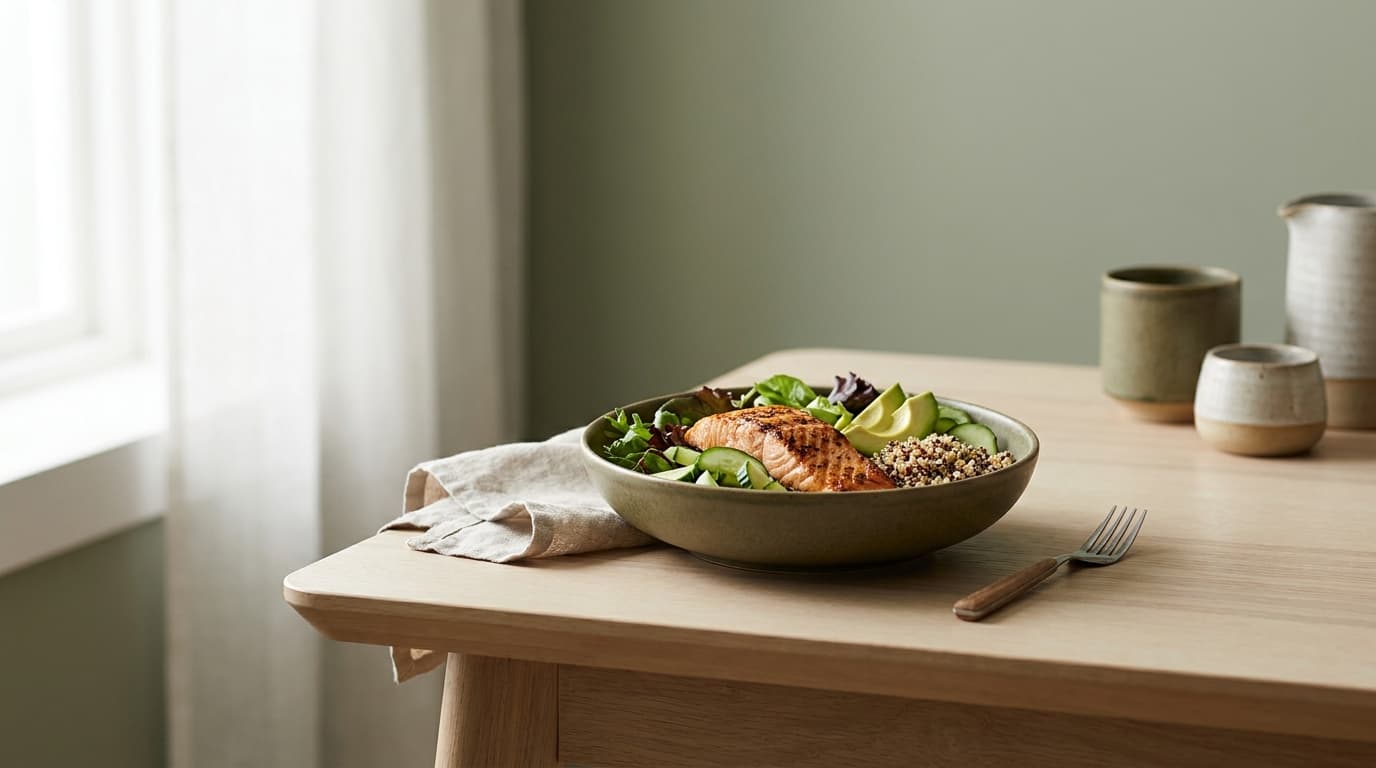
- Add quality protein — Top the greens with sustainably caught sardines or a portion of grilled chicken.
Dinner: Plant Proteins and Cooked Veggies
Evening restoration without heavy nighttime digestion promotes better sleep and morning motility. A comforting lentil stew paired with roasted courgette is incredibly soothing for the intestinal lining.
Evening Restoration meals should aim for at least 15g of plant protein to support overnight tissue repair. Cooking your vegetables thoroughly for dinner reduces the mechanical breakdown required by your digestive system while you rest.
Prep-Ahead Tips for Success
Making daily adherence effortless is the secret to long-term dietary success. Investing a little time on weekends completely removes the friction from weekday meal choices.
Batch Preparation ensures that you always have gut-friendly options readily available when hunger strikes. Establishing these routines makes the transition feel natural and stress-free.
Weekend Prep Habits
- Cook grains ahead — Batch-cook enough quinoa or brown rice for four days in advance.
- Wash fresh produce — Clean and chop your sturdy vegetables immediately after returning from the market.
- Portion your snacks — Divide walnuts and almonds into small, accessible containers for quick energy.
As you introduce these high-fibre meals, your body may need a brief period to adapt.
Navigating Initial Digestive Changes and Challenges
Increasing your fibre and plant intake can sometimes lead to temporary digestive adjustments. Knowing what to expect ensures you can transition smoothly without unnecessary discomfort.
Managing Temporary Bloating from Fibre
Transitioning smoothly without unnecessary discomfort requires a gradual approach to your new diet. Mild bloating happens because your microbiome is rapidly shifting, and the new bacteria are producing extra gas as they ferment novel fibres.
Fibre Adaptation is best managed by introducing just a 5g weekly increase to your baseline intake. Seek medical care if you experience severe abdominal pain, unexplained weight loss, or persistent changes in bowel habits that last more than a few weeks.
Always increase your fluid intake proportionally whenever you add more fibre to your daily meals.
Adjusting Portion Sizes and Hydration
Helping fibre pass smoothly through your gastrointestinal tract requires adequate fluid intake. Without enough water, increased fibre can actually cause the very constipation you are trying to prevent.
Hydration Needs must be prioritised alongside your food choices for the best possible results. Many people find that drinking herbal teas counts wonderfully toward this daily goal.
Hydration Best Practices
- Drink consistently — Ensure an intake of at least 8 glasses (roughly 1.9 litres) of water daily.
- Monitor your body — Fibre acts like a sponge, so increase your fluids whenever you increase your vegetable portions.
Diet is crucial, but true Mediterranean wellness extends far beyond the plate.
Lifestyle Pillars That Amplify Dietary Benefits
What you eat is only one part of the gut-health equation. The traditional Mediterranean lifestyle incorporates holistic habits that profoundly influence your digestive environment.
The Role of Social Dining and Stress Reduction
Activating the 'rest and digest' parasympathetic nervous system is vital for proper nutrient absorption. The gut-brain axis is deeply influenced by how we eat, making relaxed meals with family incredibly therapeutic.
Mindful Eating involves sitting down, breathing deeply, and taking a minimum of 20 minutes per meal. This simple practice significantly reduces cortisol levels, which in turn decreases intestinal permeability and inflammation.
Expert Insight
Eating in a relaxed, parasympathetic state is just as crucial for your microbiome as the physical nutrients on your plate.
Physical Activity and Gut Motility
Improving gastrointestinal motility to prevent constipation is easily achieved through regular, gentle exercise. Daily movement mechanically massages the digestive organs and helps speed up transit time naturally.
Daily Movement doesn't require extreme exertion; a simple 15-minute post-dinner walk works wonders for blood sugar control and digestion. To support this habit, no.Diet features over 100 light guided exercises that perfectly complement this holistic lifestyle approach.
The platform's integrated step and water trackers help you maintain these crucial habits effortlessly throughout the week. Monitoring these metrics visually provides excellent motivation to stay consistent with your physical activity.
Start your journey
Let's clear up a few remaining questions you might have about adopting this gut-healing lifestyle.
FAQ
How quickly will my gut health improve on the Mediterranean diet?
Many people find that initial improvements in bloating and regularity can occur within just a few days. The microbiome is highly responsive, and bacterial populations begin shifting almost immediately after dietary changes.
However, deep healing of the intestinal lining and reducing systemic inflammation typically takes several months of consistency. Results vary by individual and depend heavily on your starting point and overall adherence to the lifestyle.
Is the Mediterranean diet safe for irritable bowel syndrome (IBS)?
This eating pattern is generally fantastic for long-term digestive health, but it does contain many high-FODMAP foods. Items like garlic, onions, and certain legumes might trigger temporary symptoms in sensitive individuals.
I often suggest modifying the diet initially by sticking to low-FODMAP Mediterranean staples like courgette and fish. As your microbiome strengthens, you can slowly reintroduce more complex fibres to test your tolerance.
Should I avoid carbohydrates altogether for better gut health?
Eliminating all carbohydrates starves the beneficial bacteria that rely on prebiotic fibres to survive. Complex carbohydrates from whole grains and legumes are essential for producing healing short-chain fatty acids.
Instead of avoiding them completely, focus on replacing refined flours and sugars with intact, fibre-rich plant sources. This approach nourishes your internal ecosystem rather than depleting it of its primary fuel source.
Can I follow the Mediterranean diet on a strict budget?
Eating this way can actually be incredibly cost-effective if you focus on the right ingredients. Dried lentils, beans, and whole grains are some of the most affordable and nutrient-dense foods available.
You can also rely on frozen vegetables and canned sardines, which are budget-friendly and packed with nutrients. Planning your meals around seasonal produce naturally lowers your grocery bill while maximising flavour.
Related Articles
Mediterranean Diet Gut Health: Healing Your Microbiome
Health5 min read

Chest Pain Before Period: Causes, Symptoms, and Relief
Health5 min read

How to Avoid Weight Gain During IVF?
Health5 min read

How Many Days Can Stress Delay Your Period?
Health5 min read

Is It Normal to Be Tired Before Your Period?
Health5 min read

Is Hair Loss a Sign of Pregnancy?
Health5 min read
Comments
(0)Leave a comment
Your email will not be published. All fields are required.