Manage weight with personalized cycle-based diet plans.
Try Cycle Diet today
Is It Normal to Be Tired Before Your Period?
By: Healthtime Editorial
Fact checked by: QA Team
Updated on: October 25, 2026
0
4094
8 min
In this article
- Why Premenstrual Fatigue Happens: The Biological Basics
- Normal PMS vs. Other Conditions: Key Differences at a Glance
- 5 Secondary Causes of Pre-Period Exhaustion
- How to Manage Period Fatigue Naturally
- When to Seek Care: Is My Tiredness Too Extreme?
- Embracing Cycle Syncing for Better Energy
- FAQ

Yes, feeling exhausted before menstruation is a completely normal physiological response known as premenstrual fatigue. Research suggests that nearly 90% of women experience some degree of energy fluctuation during the days leading up to their period.
This article explains exactly why your energy drops and provides actionable steps to manage it. We will cover biological causes, how to distinguish normal tiredness from other conditions, and effective natural remedies.
Why Premenstrual Fatigue Happens: The Biological Basics
Understanding the 'why' behind your exhaustion can help you stop blaming yourself for feeling lazy. Your body is undergoing a massive hormonal shift that requires significant energy to manage.
The drop in estrogen and serotonin
Estrogen acts as a natural stimulant for the brain, promoting alertness and mental clarity. When estrogen levels plummet after ovulation, serotonin—the 'feel-good' neurotransmitter—often falls alongside it.
This chemical shift causes specific 'brain fog' where focusing on standard work tasks feels twice as hard as usual. The brain literally has less of the chemical support it needs to maintain high energy.
The sedative effect of progesterone
While estrogen drops, progesterone rises to prepare the uterus for potential pregnancy. This hormone interacts with GABA receptors in the brain to produce a significant calming and sedative effect.
The result is often a physical heaviness in the limbs or an irresistible urge to nap in the mid-afternoon. It is not just in your head; your body is being chemically signalled to slow down and rest.
Metabolic changes during the luteal phase
The premenstrual body has increased caloric demands that are often overlooked. The Basal Metabolic Rate (BMR) can rise by 2.5% to 10% during the luteal phase to support endometrial growth.
If caloric intake remains exactly the same as the rest of the month, this creates a hidden energy deficit that manifests as tiredness. Fueling this increased burn is essential for maintaining steady energy levels.
While hormones are the main culprit, it helps to distinguish this normal fatigue from other similar conditions.
Normal PMS vs. Other Conditions: Key Differences at a Glance
It is easy to confuse pre-period tiredness with early pregnancy or more severe conditions. This quick comparison helps distinguish standard PMS fatigue from other potential causes.
Comparison Table: PMS vs. PMDD vs. Pregnancy
Use this guide to identify the nature of your symptoms based on intensity and timing.
| Condition | Intensity | Timing | Assoc. Symptoms | Relief Factors |
|---|---|---|---|---|
PMS Fatigue | Manageable | Stops at bleeding | Cramps, bloating | Rest, ibuprofen |
PMDD | Debilitating | Stops at bleeding | Severe mood swings | Medical therapy |
Early Pregnancy | Persistent | Continues past due date | Nausea, aversion | Time, snacks |
Distinguishing fatigue from depressive exhaustion
PMS fatigue is usually a physical, somatic need for sleep where the body feels heavy. Depressive exhaustion, conversely, often involves apathy, emotional numbness, and a lack of motivation rather than just sleepiness.
If the tiredness persists for more than two weeks of the cycle, it likely warrants a mental health screening rather than just PMS management. Tracking these patterns is crucial for getting the right support.
Beyond the hormones themselves, several secondary factors can worsen how tired you feel.
5 Secondary Causes of Pre-Period Exhaustion
Fatigue often stems from a combination of hormonal triggers and lifestyle factors that collide right before menstruation. Addressing these secondary causes can sometimes offer the fastest relief.
Disrupted sleep architecture
The thermogenic effect of progesterone raises basal body temperature by about 0.3°C to 0.5°C. This slight fever-like state can inhibit deep REM sleep, causing you to wake up feeling unrefreshed.
Even after a full 8 hours in bed, the quality of rest may be compromised due to this temperature shift. Cooling down your bedroom environment can help counteract this biological heater.
Unstable blood sugar levels
Insulin sensitivity decreases before a period, making the body less efficient at processing glucose. Eating simple carbohydrates leads to sharper spikes and crashes during this phase compared to other times of the month.

That 3 PM sugar craving might provide a 20-minute boost followed by a 2-hour energy slump. Stabilising these levels is critical for sustained energy.
Iron levels and sub-clinical anemia
Women with borderline iron levels (ferritin) often feel depleted as the body prepares for blood loss before bleeding even starts. This can result in shortness of breath or dizziness when climbing stairs.
If reserves are already low, the looming menstruation exacerbates the feeling of exhaustion. Increasing iron-rich foods beforehand can mitigate this drop.
Dehydration and bloating
There is a paradox of fluid retention where tissues hold water while cells may lack it. Changes in electrolyte balance cause this shift, leading to cellular dehydration and general sluggishness.
Avoid cutting water intake to reduce bloat; drinking more water actually signals the kidneys to flush excess fluid. Proper hydration supports cellular function and energy production.
Fortunately, you can counteract these energy dips with specific, natural strategies.
How to Manage Period Fatigue Naturally
You do not have to simply endure the exhaustion until your period starts. Small, strategic adjustments to your routine can reclaim your energy levels during the luteal phase.
Streamlining nutritional planning
When fatigue hits, deciding what to eat becomes a major mental burden. I often recommend using Cycle Diet to automate this process with meal plans specifically designed for your luteal phase.
By following a plan that accounts for your hormonal needs, you ensure you get the right nutrients without the stress of planning. You can learn more about how this tailored approach supports energy levels.
Prioritize complex carbohydrates
Swapping simple sugars for slow-burning fuel is one of the most effective changes you can make. Choose foods rich in fibre to stabilize blood glucose and prevent the crashes associated with insulin resistance.
Eating sweet potatoes or steel-cut oats provides a steady release of energy. These foods also support serotonin production without the subsequent insulin crash.
Adjust your exercise intensity
High-Intensity Interval Training (HIIT) can spike cortisol when the body is already stressed during the luteal phase. Modifying your workout routine to match your energy reserves is a smarter approach.
Recommend switching to Low-Intensity Steady State (LISS) cardio or yoga for the 3–5 days pre-period. This maintains movement and circulation without causing further depletion.
Strategic caffeine timing
Caffeine metabolism slows down during the luteal phase, meaning coffee stays in your system longer. I recommend a strict cut-off time, such as 12:00 PM, to prevent sleep disruption.
This ensures that adenosine levels can build up naturally for better sleep quality at night. Better sleep at night directly translates to better energy the next day.
Magnesium and Vitamin B6
Magnesium is widely recognised for its ability to aid in muscle relaxation and sleep quality. Vitamin B6 is crucial because it supports the synthesis of neurotransmitters like dopamine and serotonin.
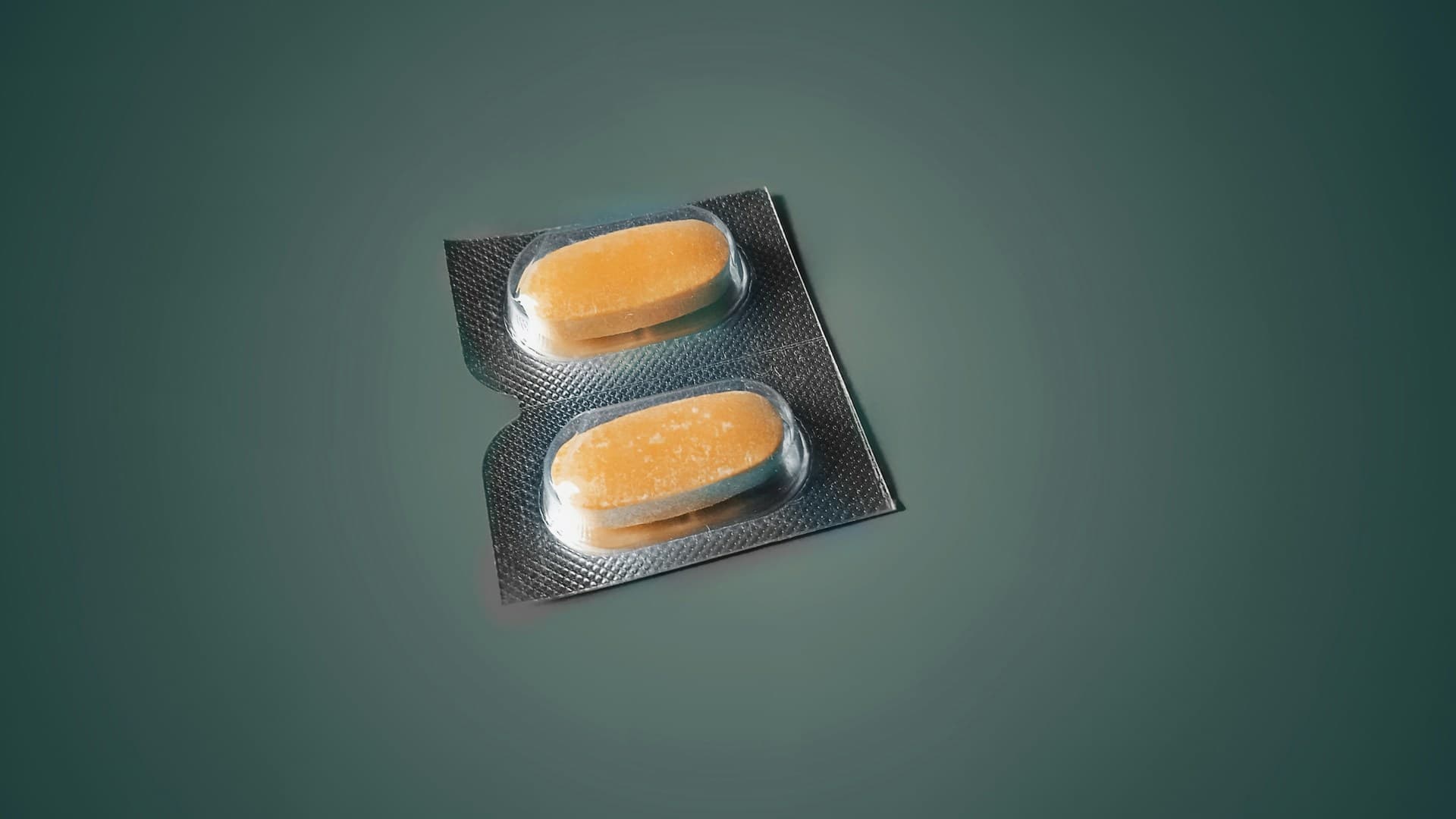
While supplements are an option, standard dietary sources include leafy greens, nuts, and chickpeas. Consuming these regularly can help build a buffer against PMS symptoms.
Hydration with electrolytes
Drinking water enhanced with electrolytes (sodium, potassium, magnesium) is often more effective than plain water. Plain water alone may not be enough if fluid shifts are severe in the body.
Aim for consistent hydration to reduce the 'heavy' feeling associated with water retention. This helps maintain blood volume and combats the dizziness some experience.
While lifestyle changes usually help, there are times when fatigue signals a medical necessity.
When to Seek Care: Is My Tiredness Too Extreme?
While feeling sleepy is normal, being unable to function is not. It is important to recognize when fatigue crosses the line into a medical concern that requires intervention.
Signs of Premenstrual Dysphoric Disorder (PMDD)
PMDD is a severe, disabling form of PMS affecting about 5% of women. Key warning signs include debilitating fatigue that prevents work, severe mood swings, or feelings of hopelessness.
If these symptoms track consistently with your cycle every month, medical evaluation is necessary. Treatment options exist and can significantly improve quality of life.
Ruling out thyroid dysfunction
Hypothyroidism symptoms often mirror PMS fatigue but typically persist throughout the entire month. If tiredness does not resolve after menstruation begins, ask a doctor for a TSH panel.
A simple blood test can differentiate hormonal fatigue from thyroid issues. This distinction is vital because thyroid issues require different treatment protocols.
When to see a doctor
1. Unintentional Sleep — If you fall asleep unintentionally during the day, this could signal narcolepsy or sleep apnea.
2. Physical Changes — If fatigue is accompanied by significant hair loss or unexplained weight gain.
3. Safety Risks — If the fatigue impacts your ability to drive safely or operate machinery. These signs warrant immediate professional consultation.
Understanding your cycle allows you to work with your body rather than fighting against it.
Embracing Cycle Syncing for Better Energy
Instead of fighting the urge to rest, many find success by aligning their schedule with their biology. This concept, often called cycle syncing, validates the body's need for recovery.
Scheduling rest days proactively
Review your calendar in advance to anticipate when your energy will dip. Suggest lightening the social load or work deadlines during the expected 3–5 days of the luteal phase.
Rescheduling a high-stress presentation or social gathering can prevent 'social burnout' when energy is naturally low. This proactive approach reduces stress and preserves energy for essential tasks.
The mental health benefit of acceptance
There is immense psychological relief in accepting 'maintenance mode' for a few days. Productivity is cyclical, not linear, and pushing through often leads to longer recovery times.
By resting without guilt during the pre-period phase, women often report higher energy and focus during the follicular phase that follows. Giving in to the rest now pays dividends later.
FAQ
Why am I so tired 3 days before my period specifically?
This timing correlates with the absolute peak of progesterone and the sharpest decline in estrogen. The combination creates a maximum sedative effect right before bleeding begins.
Does period fatigue go away once bleeding starts?
Typically, yes. Once menstruation begins, estrogen levels slowly start to rise again and progesterone drops, usually lifting the 'brain fog' within 24 to 48 hours.
Can early pregnancy feel like pre-period tiredness?
Yes, high progesterone levels in early pregnancy cause similar fatigue. However, pregnancy fatigue often persists and may be accompanied by nausea, whereas PMS fatigue usually resolves as the period starts.
What vitamins help with tiredness before a period?
Vitamin B12, Iron, and Magnesium are the most helpful. B vitamins support energy production, while Iron prevents anemia-related exhaustion.
Related Articles

Top Signs You're Overstimulated and How to Reset Your System in 15 Minutes
Health5 min read

Hormone Types And Functions: A Practical Guide To How 50+ Messengers Direct Energy, Mood, And Metabolism
Health5 min read

What Time Should You Go to Bed? Science-Backed Windows for Better Sleep
Health5 min read

"Health Maxxing" For Millennials: How To Optimize Energy And Longevity In 90 Days
Health5 min read

What Increases Cortisol: Everyday Triggers for Busy 25-55 Year Olds and Positive Habits to Support Healthy Rhythm
Health5 min read

Postbiotics vs Probiotics: Which Delivers Faster Gut Relief
Health5 min read
Comments
(0)Leave a comment
Your email will not be published. All fields are required.