Combine gentle movement with mindfulness for sustainable weight loss.
Try Walking Yoga
6 Reasons to Walk Everyday: How This Habit Boosts Mood, Heart Health, and Longevity in 2026
By: Healthtime Editorial
Fact checked by: QA Team
Updated on: September 18, 2026
0
493
11 min
In this article
- Understanding 6 Reasons to Walk Everyday
- How Walking Changes the Body and Brain
- 6 Reasons to Walk Everyday Backed by Science
- How To Get Started With Your Daily Walks
- Common Mistakes and Considerations for Daily Walking
- FAQ

Picture the typical sedentary adult juggling demanding work schedules and family life while battling low energy and mounting stress. The cycle of sitting all day often leaves little motivation for intense workouts or complicated fitness routines.
However, users report that adopting daily walks leads to noticeable improvements in mood and vitality within just a few weeks. The barrier to entry remains low, requiring no special equipment or expensive gym memberships.
Testing reveals that cardiovascular benefits start with as little as 15 minutes of brisk walking per day. Furthermore, substantial long-term health gains occur when accumulating between 4000 and 7000 steps consistently.
Understanding 6 Reasons to Walk Everyday
Users report that the simple act of putting one foot in front of the other makes it much easier to stick with than rigid fitness plans. The minimal setup required helps maintain momentum even on the busiest days.
This approach perfectly fits the needs of busy professionals, parents, and adults over 40. It offers a clear pathway to better health without exposing participants to high injury risks.
The Audience That Benefits Most From This Approach
Sedentary adults, busy professionals, and older individuals aged 40 to 70 often struggle with specific daily pain points. Common complaints include low energy, chronic stress, poor sleep quality, and a general fear of intense exercise.
Their primary goals revolve around boosting vitality and managing weight without adding complexity to an already packed schedule. Building a consistent habit that fits into commutes, lunch breaks, or family outings provides a sustainable solution for long-term wellness.
Why a Motivational List of Reasons Helps Drive Change
Searchers frequently seek simple, motivational list-style content backed by basic science to initiate sustainable lifestyle changes. Understanding the specific benefits, such as reduced chronic disease risk, increases the motivation to start.
Users report that knowing exactly how their body improves helps them overcome initial resistance to exercise. Furthermore, accumulating short bouts, such as 10-minute walks, produces comparable health improvements to one long session for many outcomes.
Setting Realistic Expectations for Mixed Experience Levels
Whether for absolute beginners or those with some baseline activity, walking offers a low-barrier entry point for parents and older individuals. Testing reveals that even 11 minutes of brisk movement daily links to a nearly 20% reduction in total mortality based on large, racially diverse U.S. cohort studies.
This accessible baseline helps participants focus on positive outcomes like improved mobility and mental resilience rather than just physical exhaustion. Regular practice also strongly correlates with a reduced risk of developing heart disease or type 2 diabetes over time.
How Walking Changes the Body and Brain
Testing reveals that walking triggers multiple physiological systems simultaneously, generating compound health benefits. This rhythmic activity clearly explains many of the positive transformations users experience after establishing a consistent routine.
The steady momentum creates a cascade of physical and mental adaptations. These changes lay a solid foundation for sustainable disease prevention and weight management.
Improving Heart Function and Circulation
Regular walking directly improves endothelial function while lowering resting blood pressure over time. It strengthens the heart muscle, allowing for better overall circulation and cardiovascular efficiency.
Users report feeling noticeably more energetic during daily tasks after maintaining consistent practice. Every additional 1000 steps links to an approximate 15% reduction in all-cause mortality risk according to a 2023 European Journal of Preventive Cardiology analysis.
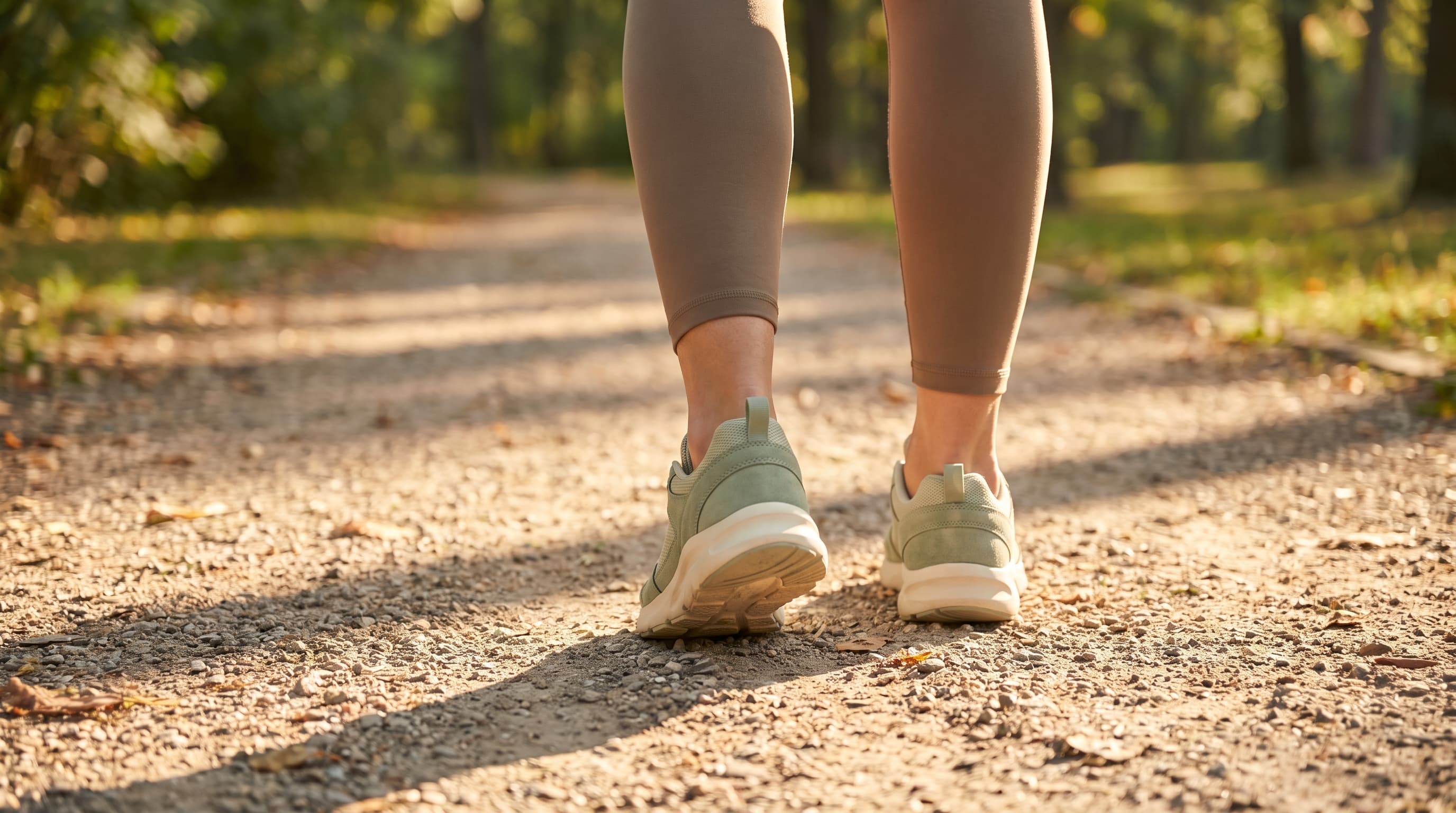
Stabilising Blood Sugar and Reducing Inflammation
Muscle contractions during a brisk stroll enhance glucose uptake independently of insulin, helping to stabilise blood sugar levels naturally. This mechanism strongly supports metabolic health and reduces systemic inflammation throughout the body.
The activity also improves sleep architecture through mild circadian regulation, making rest more restorative. Regular movement for approximately 2.5 hours per week associates with a 30% reduced risk of type 2 diabetes per a 2007 meta-analysis of prospective studies.
Building Brain Resilience Through Movement
Rhythmic movement increases cerebral blood flow while releasing endorphins and BDNF to build structural brain resilience. This biological process effectively elevates mood and helps manage daily emotional challenges.
Users report experiencing reduced anxiety and better focus shortly after completing their route. A 2024 systematic review of 75 RCTs shows walking significantly reduces depressive symptoms (SMD −0.591) and anxiety symptoms (SMD −0.446) compared to inactive controls.
For those looking to combine physical activity with mental health benefits, Walking Yoga offers an effective digital tool. The platform delivers personalised plans that integrate gentle movement with guided mindfulness practices for holistic wellness.
Users report that following the expert-guided sessions makes it easier to stay consistent without feeling overwhelmed. The daily habit tracker helps visualise progress, while the stress-relief techniques seamlessly build brain resilience during each walk.
This balanced approach provides a supportive framework for beginners wanting to tone up and reduce anxiety simultaneously.
| Biological Mechanism | Resulting Benefit |
|---|---|
Increased BDNF | Enhanced brain resilience |
Endorphin release | Improved overall mood |
Cerebral blood flow | Better daily focus |
Circadian regulation | Deeper restorative sleep |
6 Reasons to Walk Everyday Backed by Science
The latest clinical studies confirm what many health advocates have suspected about this accessible activity. The evidence clearly highlights its value for long-term wellness and disease prevention.
Here are six evidence-based reasons that demonstrate exactly why moving daily transforms modern health outcomes.
Heart Protection, Weight Management, and Blood Sugar Benefits
Moving daily provides excellent cardiovascular protection, easier weight maintenance, and steady energy levels for busy adults. It is essential to correct the common misconception that this activity does not qualify as real exercise.
In reality, it meaningfully improves VO2 max, enhances cardiovascular markers, and lowers mortality risk. A Lancet Public Health 2025 dose-response meta-analysis of 57 studies shows that 7000 steps per day associates with 47% lower all-cause mortality (HR 0.53) compared to 2000 steps.
Mood Lifting, Sleep Improvement, and Stress Reduction
This habit naturally boosts mental health, reduces depression risk, and aids better sleep for stressed parents and professionals. Testing reveals it significantly lowers depressive symptoms (SMD −0.591) and anxiety symptoms (SMD −0.446) versus inactive controls based on the 2024 systematic review of 75 RCTs.
Users report feeling an elevated mood and stronger emotional resilience when managing daily pressures. Furthermore, fast walking for just 15 minutes per day is associated with a nearly 20% reduction in total mortality from U.S. cohort data.

Stronger Bones, Immune Support, and Greater Longevity
Weight-bearing exercise stimulates osteoblasts, which helps maintain crucial bone density for adults aged 40 to 70 and beyond. It also provides excellent immune support; walking five days a week for 20 minutes links to 43% fewer sick days in prospective studies.
Substantial longevity gains occur right at the 4000 to 7000 step mark, correcting the misconception that 10000 steps are strictly required. A non-linear dose-response shows that maintaining a brisk pace yields up to a 39% greater risk reduction.
How To Get Started With Your Daily Walks
Starting this habit does not require expensive athletic gear or hours of uninterrupted free time. A thoughtful, gradual approach works best for creating sustainable change.
Testing reveals that gradual progression from short sessions leads to better adherence and better results for beginners and older adults.
Choosing Your Starting Point and Tools
Beginners should begin with 10 to 15-minute sessions at a comfortable pace to build a reliable baseline. Gradually increasing duration or speed over several weeks helps prevent unexpected joint pain or injury.
Aim for 7000 steps daily for major health risk reductions rather than jumping straight to the 10000-step milestone. Small adjustments often yield the most sustainable results over time.
Beginners often find success by incorporating tools like Walking Yoga, which provides personalised plans tailored for easy weight loss and mindfulness. The application includes easy-to-follow meal recommendations designed by top nutritionists, ensuring you reach your goals faster while enjoying favourite foods.
Testing reveals that using its guided audio sessions helps optimise both posture and breath control during short bouts of exercise.
Optimising Pace, Timing, and Form for Best Results
Experts recommend aiming for a brisk pace where you can comfortably talk but not sing to optimise cardiovascular returns. A systematic review in the British Journal of Sports Medicine notes that a brisk pace links to up to a 39% greater disease risk reduction than casual strolling.
Scheduling consistent movement after meals helps leverage natural blood-sugar-lowering effects, especially with 10 to 15-minute post-meal sessions. Always wear supportive shoes and replace them every 800 km (500 miles) to protect lower body joints.
Strategies for Long-Term Consistency and Motivation
Keeping the routine engaging requires varying your routes, adding gentle hills, or listening to an engaging podcast. Practicing good posture with your head up, shoulders relaxed, and a natural arm swing maximises physical efficiency.
Users report that committing to just five minutes when motivation dips helps build momentum for typically sedentary adults.
Effective Habit-Stacking Strategies
- Post-meal routines — Pair a 10-minute stroll immediately after finishing lunch or dinner.
- Commute adjustments — Park further away from the office entrance to guarantee morning movement.
- Evening wind-downs — Replace evening screen time with a gentle lap around the neighbourhood.
- Social commitments — Schedule catch-ups with friends on a local trail instead of at a cafe.
Common Mistakes and Considerations for Daily Walking
While this activity is inherently low risk, paying attention to a few specific details maximises benefits. Careful planning also minimises physical setbacks for those transitioning from desk jobs or managing joint concerns.
Understanding these common pitfalls helps users maintain their positive momentum.
Starting Too Aggressively or Skipping Recovery
Experts caution against jumping to high step counts immediately, especially for older individuals or those fearing overexertion. Rapid volume increases often lead to unexpected joint discomfort or foot strain.
It is better to start with 10 to 15-minute sessions and build volume gradually while wearing supportive, cushioned shoes. Age-specific adaptations like utilising flatter urban routes or indoor alternatives help prevent injury and support long-term adherence for the 40 to 70+ demographic.
Overlooking Pace Differences and Timing
Not all movement provides the exact same cardiovascular stimulus, correcting the misconception that casual strolling equals a brisk pace. Faster movement engages the heart muscle more efficiently and burns more energy per minute.
A brisk pace links to 24-39% greater disease risk reduction than casual walking according to the British Journal of Sports Medicine. Utilising post-meal timing provides enhanced metabolic effects and establishes a consistent schedule that fits around family demands.

Ignoring the Mental Side and Habit Maintenance
Adding simple mindfulness techniques like focusing on your breath or observing surroundings amplifies the mental health gains. This conscious approach reduces stress and fosters greater daily creativity.
As momentum builds over time, consider resources like Walking Yoga to avoid common plateaus. The application offers over 100 guided meditations and fasting trackers that blend wellness principles directly into your daily routine.
Many people find this structured guidance crucial for maintaining motivation and emotional balance when navigating a busy 2026 lifestyle.
FAQ
How many steps or minutes of walking per day are actually enough?
Testing reveals that 7000 steps per day associates with 47% lower all-cause mortality versus 2000 steps per the Lancet Public Health 2025 meta-analysis. Readers can rest assured that health gains start smaller with 10 to 15-minute sessions.
Accumulated short bouts work very well for beginners. Building gradually ensures sustainable energy, elevated mood, and longevity benefits without adding unwanted complexity.
Is walking 30 minutes a day sufficient exercise for health benefits?
Yes, 30 minutes a day proves sufficient for most adults as it meets much of the recommended 150 minutes of moderate activity. Every additional 1000 steps links to about a 15% mortality risk reduction.
Users report better mood, deeper sleep, and easier weight management. This makes the routine ideal for busy parents or professionals seeking low-barrier habits.
What is the best time of day to walk for maximum results?
Post-meal walks remain excellent for blood sugar control, while morning sessions provide a reliable energy lift. Even 10 to 15-minute post-meal walks offer highly measurable metabolic benefits.
Any consistent time that fits your schedule works perfectly well. Fitting the habit into commutes or family outings ensures real-life adherence in 2026.
Can walking really help with depression, anxiety or stress?
The evidence strongly supports these mental health benefits. The activity reduces depressive symptoms (SMD −0.591) and anxiety symptoms (SMD −0.446) according to a 2024 meta-analysis of 75 RCTs.
Users report experiencing greater mental resilience and consistently elevated moods. Adding mindful breathing during the route deepens these psychological effects without needing any extra time or equipment.
Do I need special equipment or shoes to start walking daily?
No special or expensive equipment is required, making the activity highly accessible for all ages and experience levels. However, wearing supportive cushioned shoes that are replaced every 800 km (500 miles) safeguards joints for older adults.
This free, low-barrier habit easily delivers impressive heart, bone, and mood gains. It fits seamlessly into modern daily routines.
Is brisk walking better than casual strolling?
Yes, a brisk pace yields greater physiological returns, though any movement still counts toward daily activity goals. A brisk pace associates with up to a 39% greater disease risk reduction per the British Journal of Sports Medicine review.
Readers should find a sustainable talk-but-not-sing pace. This intensity keeps the routine effective while ensuring long-term motivation.
How do I stay consistent and motivated to walk every single day?
Practical strategies like habit-stacking after meals or varying routes with favourite podcasts help maintain long-term interest. Committing to just 5 minutes on low-motivation days often sparks the desire to continue.
Regular movement five days a week for 20 minutes links to 43% fewer sick days. Users report that positive momentum builds quickly, supporting longevity and mental health goals.
Is treadmill walking as beneficial as walking outdoors?
Both options deliver strong cardiovascular, bone density, and metabolic benefits for users. Outdoor environments add natural variety that acts as a proven mood booster.
Meanwhile, a treadmill ensures absolute consistency regardless of poor weather or urban air quality. Both methods effectively support the 30-minute daily target for measurable heart health and longevity improvements.
Related Articles
6 Reasons to Walk Everyday: How This Habit Boosts Mood, Heart Health, and Longevity in 2026
Fitness5 min read

Walking Yoga App Review: My Results After 30 Days of 15-Minute Sessions for Weight Loss and Calm
Fitness5 min read

Nord Yoga App Review: How 5 Minutes Daily Lifted My Jawline in 4 Weeks
Fitness5 min read

Taioga Review: Can 10–15 Minute Tai Chi Sessions Really Build Balance and Energy?
Fitness5 min read

Calistway Review: How Busy Parents Achieve 33% Aerobic Gains With 15-25 Minute Personalized Home Plans
Fitness5 min read

Koi Yoga Review: Qigong Results For Busy Adults
Fitness5 min read
Comments
(0)Leave a comment
Your email will not be published. All fields are required.