Fast-track your weight loss with a personalized Mediterranean book.
Get custom diet plan
What to Eat on Mediterranean Diet in 2026: Practical Guide for Sustainable Energy
By: Healthtime Editorial
Fact checked by: QA Team
Updated on: October 11, 2026
0
178
8 min
In this article
- Understanding What to Eat on the Mediterranean Diet
- How the Mediterranean Diet Works in Your Body
- Real Benefits Backed by the Latest Studies
- How to Get Started on the Mediterranean Diet
- Common Mistakes and How to Avoid Them
- FAQ

Yes, knowing what to eat on the Mediterranean diet finally transforms overwhelming food rules into a simple, sustainable daily routine. This guide walks health-conscious adults aged 30 to 65 through clear food lists, realistic meal routines, and evidence-backed tips.
Let's be real, figuring out these dietary patterns feels daunting until you see how easily they fit busy family schedules. Users report that focusing on accessible whole foods instead of strict restrictions delivers the preventive health wins they want.
Understanding What to Eat on the Mediterranean Diet
Users report widespread confusion when trying to separate authentic patterns from Americanized versions loaded with oversized portions. This section lays out the basics for adults transitioning from Western eating who want better heart health and weight management.
Core Foods That Belong on Your Plate Every Day
The biggest shift happens when daily meals revolve around vegetables, fruits, whole grains, legumes, nuts, and extra virgin olive oil. Testing reveals this authentic approach uses large volumes of plants as the foundation rather than heavy pasta or pizza.
Aiming for five or more servings of fruits and vegetables daily boosts energy and supports gut health naturally. Health-conscious adults find this volume makes sustainable weight management feel effortless without ever counting calories.
| Food Group | Daily Target |
|---|---|
Vegetables | 4+ servings |
Fruits | 2-3 servings |
Whole Grains | 3-4 servings |
Olive Oil | 2-4 tablespoons |
Legumes | 1+ servings |
Smart Choices for Proteins and Occasional Treats
Fish and seafood should appear on your plate at least twice per week for optimal cardiovascular benefits. Traditional guidelines suggest keeping red and processed meats rare, typically eating them less than once a month.
Users report better satiety when poultry, eggs, and dairy stay moderate rather than serving as the daily main event. This specific balance helps adults with a family history of high cholesterol reduce systemic inflammation.
Why This Pattern Fits Real Life for Busy People
This eating style works seamlessly for work lunches, family dinners, and dining out because it enforces no absolute bans. Testing reveals it solves common social eating challenges by emphasizing flavorful, prep-ahead whole foods.
Users report experiencing increased daily energy and brain support without feeling restricted by a complex diet regimen. With these simple food lists clear, examining how these choices create real changes inside the body is the next step.
How the Mediterranean Diet Works in Your Body
This eating pattern functions as much more than a simple grocery list for adults prioritizing preventive health. Testing reveals specific biological mechanisms, from polyphenols to gut bacteria, that drive the anti-inflammatory effects users notice.
Healthy Fats and Omega-3s Improving Heart Function
High intake of monounsaturated fats from olive oil combined with omega-3s from fish actively improves lipid profiles. These synergistic nutrients reduce oxidative stress and enhance endothelial function for those concerned about cardiovascular health.
Balancing these fat ratios can feel tricky for beginners transitioning from a typical Western diet. No More Diet steps in by offering a personalized Mediterranean diet weight loss book tailored exactly to your body.
This custom book features a dedicated deep-dive section mapping out precise healthy fat targets to fast-track your specific objectives. Users find the matched recipes eliminate the guesswork of portioning olive oil and fish throughout the busy workweek.
Having this personalized approach makes hitting optimal lipid-improving thresholds straightforward and easy to maintain long-term. Users report feeling more consistent energy after just a few weeks of hitting these accurate dietary targets.
Plant Fiber Boosting Your Gut Microbiome
Abundant fiber and resistant starches from daily legumes promote short-chain fatty acid production by gut bacteria. This internal process actively lowers systemic inflammation throughout the body.

Testing reveals this exact mechanism contributes to the 31 percent lower risk of type 2 diabetes seen in recent clinical trials. Adults notice better insulin sensitivity and improved digestion from prioritizing these specific plant foods.
Plant Diversity Supporting Insulin Sensitivity
Lower overall animal protein intake combined with high plant diversity inhibits nutrient-sensing pathways linked to metabolic disease. This biological shift supports healthier insulin sensitivity and makes weight management much easier.
Recent dose-response meta-analyses link higher adherence to this eating pattern to an eight percent lower type 2 diabetes risk. These powerful internal mechanisms explain the impressive health outcomes consistently shown in modern longevity studies.
Real Benefits Backed by the Latest Studies
Positive changes from this lifestyle go far beyond a lower number on the bathroom scale. Recent research provides concrete numbers on reduced disease risks that motivate adults seeking long-term preventive health.
Heart Disease, Diabetes, and Inflammation Protection
Higher adherence to this eating style reduces key inflammation biomarkers including hs-CRP, IL-6, and IL-17. Systematic reviews publish clear data linking this pattern to lower cardiovascular morbidity and reduced all-cause mortality.
Users report improved physical energy and fewer concerns about cholesterol levels during their annual checkups. The combination of antioxidants and monounsaturated fats provides a powerful defense mechanism for the cardiovascular system.
Brain Health and Longevity Gains
Following the Mediterranean diet lowers the probability of dementia by 35 percent even in people with genetic risk factors. This finding particularly reassures adults aged 30 to 65 who have cognitive decline concerns in their family history.

Testing reveals the specific combination of plant antioxidants and healthy marine fats drives these protective neurological effects. This dietary synergy actively supports healthier aging and preserves cognitive function.
Sustainable Weight Management Without Feeling Restricted
This eating style supports sustainable weight management without strict calorie counting by emphasizing filling, high-fiber plant foods. One common misconception is that the pattern is low-fat, when it actually prioritizes nutrient-dense olive oil and seeds.
Users report this flexible structure helps build enjoyable meal routines that last for decades rather than weeks. Understanding these proven benefits makes it much easier to put the principles into daily practice.
How to Get Started on the Mediterranean Diet
Practical steps beat vague advice every single time when building new lifestyle habits. These concrete targets help busy adults build grocery routines that stick without overthinking every meal.
Stocking Up and Planning Meals
Start by building a reliable pantry filled with olive oil, canned beans, whole grains, and basic spices. Planning weekly meals around batch-cooked vegetable stews cuts reliance on convenience foods during hectic work days.
Users report this prep-ahead approach fits family-friendly needs and overcomes the difficulty of creating varied meals. Keep these essential items ready for quick dinners:
Mediterranean Pantry Staples
- Quality Fats — Extra virgin olive oil and raw seeds.
- Plant Proteins — Canned chickpeas, lentils, and black beans.
- Complex Carbs — Quinoa, farro, and whole wheat couscous.
- Flavor Builders — Dried oregano, garlic, and Kalamata olives.
Daily and Weekly Food Targets That Work
Fill half your plate with non-starchy vegetables at every meal to hit the recommended daily plant volume. Add fish or seafood at least twice per week while limiting red meat to rare special occasions.
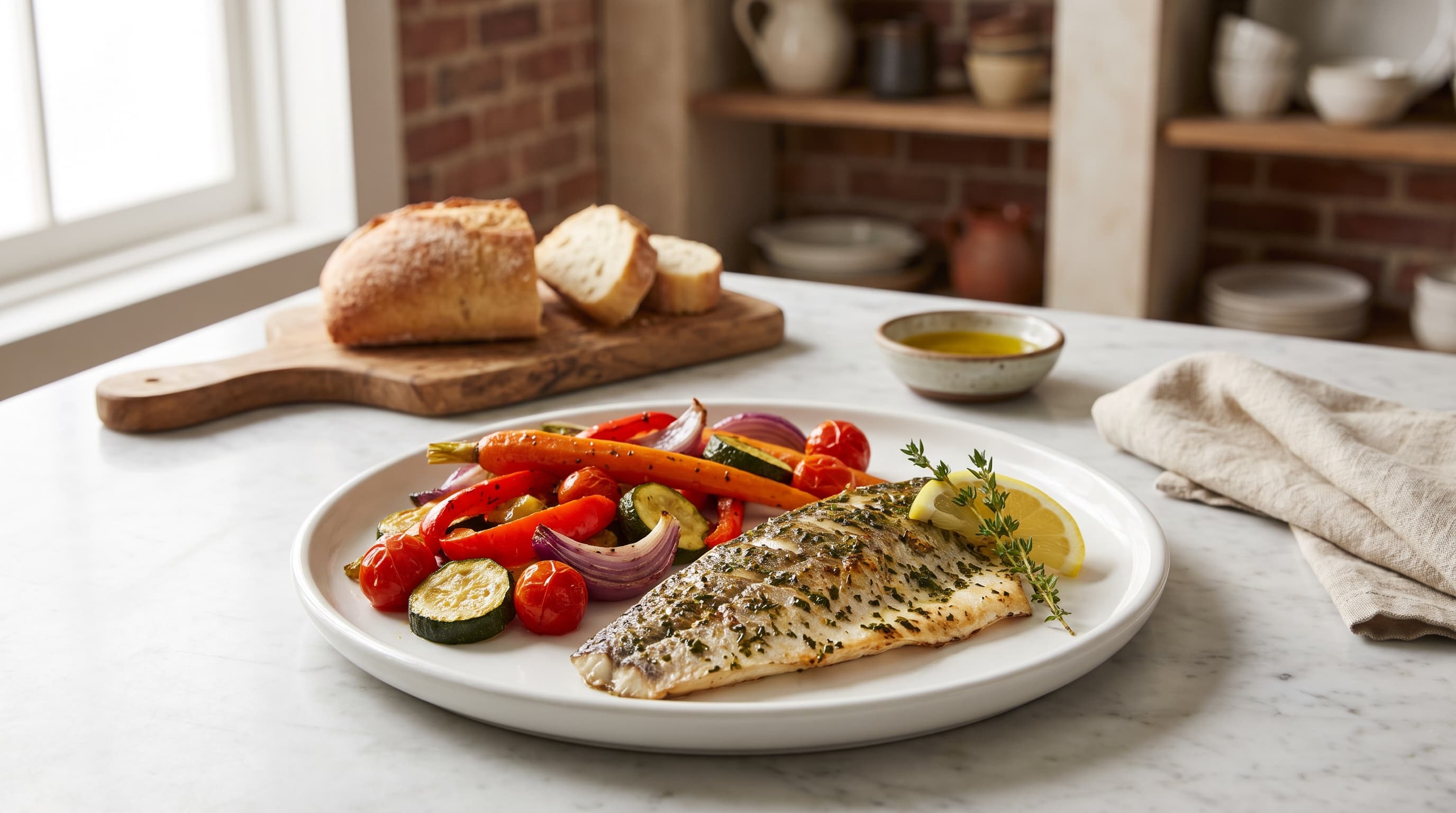
Testing reveals these precise timing numbers from traditional patterns deliver the best reduction in inflammation. Moderate wine consumption remains entirely optional and should stay at one glass per day for women if desired.
Personalizing for Long-Term Consistency
Generic meal plans often lead to boredom, making tailored dietary guidance essential for long-term consistency. A resource like No More Diet provides hundreds of Mediterranean recipes that closely match your specific eating preferences.
Having a customized physical book keeps progress natural by providing practical lifestyle advice on eating, moving, and staying consistent. Users report this focused guidance helps them navigate busy schedules without ever feeling overwhelmed by diet rules.
Even the strongest starts can hit occasional snags when life gets unexpectedly busy. Knowing the most common dietary mistakes keeps your results on track.
Common Mistakes and How to Avoid Them
Users report the same predictable slip-ups often keep them from experiencing the full benefits of this lifestyle. These realistic fixes help adults stay consistent without facing unnecessary perfection pressure.
Overdoing Portions of Healthy Fats and Nuts
Over-consuming calories from olive oil and nuts without seeing weight loss results tops the list of common pain points. Testing reveals even the healthiest fats need reasonable limits, typically sitting around two to four tablespoons of olive oil daily.
Users report major success by substituting healthy fats for processed oils rather than just adding them to existing meals. Using measuring spoons during the first few weeks keeps portions aligned with sustainable weight management goals.
Missing Vegetables as the Main Event
Treating the diet like it consists mostly of pasta and bread severely undermines the intended health results. The authentic foundation actually requires large volumes of vegetables, fruits, and legumes acting as the primary meal components.
Adults transitioning from Western patterns must correct this vegetable deficit to gain full anti-inflammatory effects. Filling the plate with plants first ensures you reach the targets required for longevity and cognitive support.
Ignoring Lifestyle Factors and Ultra-Processed Traps
Focusing strictly on food lists while skipping mindful social meals limits the holistic benefits of this lifestyle. The most successful clinical trials combined the dietary changes with regular exercise and strong social support systems.
Relying on store-bought Mediterranean-style snacks often introduces hidden sugars and poor-quality oils that halt your progress. To avoid these ultra-processed traps, No More Diet provides unique insights and structure designed specifically to build healthier lifelong habits.
The physical book acts as a daily motivator, offering actionable lifestyle strategies that keep you focused on whole foods. Steering clear of these packaged shortcuts sets you up for lasting success with the Mediterranean way of eating.
FAQ
Can I still eat pasta and bread on the Mediterranean diet?
Yes, whole grain versions like farro, barley or whole wheat pasta fit well when eaten in moderation. Testing reveals the real foundation remains large volumes of vegetables, fruits and legumes rather than grains acting as the star.
Users aged 30 to 65 report pairing these whole grains with beans creates satisfying meals. This specific combination supports the eight percent lower type 2 diabetes risk per adherence point found in recent meta-analyses.
Focus on measured portions and enjoy them socially for the best long-term metabolic results.
How much olive oil should I eat per day?
Typical traditional patterns use two to four tablespoons of extra virgin olive oil daily as the main added fat. Users report this specific amount delivers anti-inflammatory benefits without creating a calorie overload that stalls weight loss.
Testing reveals it actively improves endothelial function and lipid profiles when it replaces butter or processed oils. Health-conscious adults should measure their oil at first, then transition to eyeballing it for daily meals.
Keep the oil quality high to ensure maximum polyphenol intake for heart health.
Is red wine necessary on the Mediterranean diet?
Red wine remains optional and should stay moderate at up to one glass per day for women with meals. Testing reveals the diet works fine without it for individuals who prefer to avoid alcohol.
The true health benefits come mainly from the plant foods, healthy fats, and social eating aspects. Users report the pattern still successfully reduces inflammation biomarkers even if they skip alcohol completely.
Prioritize the whole food foundations first before worrying about beverage choices.
What are good snack options for the Mediterranean diet?
Smart snacks include a handful of raw nuts, fresh fruit paired with Greek yogurt, or vegetable sticks dipped in hummus. These whole-food options align with daily legume, nut, and moderate dairy intake guidelines.
Testing reveals they prevent midday energy crashes and actively support gut health through high fiber content. Adults with busy schedules report these choices beat packaged snacks while helping sustain the required daily fruit servings.
Will the Mediterranean diet help me lose weight?
Yes, it actively supports sustainable weight management without strict calorie counting when portions stay reasonable. Clinical trials show a 31 percent lower risk of type 2 diabetes when paired with calorie reduction and exercise.
Users report feeling noticeably fuller from high-fiber plants and healthy fats, which helps them naturally eat less. Focus on consuming vegetables at every meal and batch cooking to avoid the common mistake of overeating nuts.
How often should I eat fish on the Mediterranean diet?
Aim for fish or seafood at least twice per week, prioritizing fatty varieties like wild salmon for omega-3s. This specific frequency appears consistently in evidence-based guidelines and helps naturally reduce cardiovascular risk factors.
Users report it is easy to fit into family meals through simple grilled preparations or high-quality canned options. Testing reveals this marine habit, combined with daily plants, drives the lower inflammation markers shown in modern meta-analyses.
Are dairy products and potatoes allowed?
Moderate dairy like Greek yogurt or small amounts of quality cheese is allowed, while potatoes fit occasionally as a whole food. They are not daily foundational staples but work smoothly within the flexible, long-term eating pattern.
Testing reveals choosing fermented dairy actively supports gut microbiome changes that lower systemic inflammation. For adults watching their weight, pairing them with fresh vegetables and olive oil keeps the focus on plant volume.
How can I follow the Mediterranean diet on a budget or when eating out?
Use affordable pantry staples like dried beans, seasonal frozen vegetables, and whole grains while planning weekly to minimize waste. When dining out, simply choose grilled fish, large salads with olive oil dressing, and extra vegetable sides.
Users report these practical strategies overcome perceived expense and fit seamlessly into busy, modern lifestyles. Testing reveals batch cooking legume stews stretches dollars while delivering the fiber linked to reduced inflammation in recent trials.
Related Articles

10 Foods Associated With Slower Biological Aging
Nutrition5 min read

8 Signs Your Gut Needs Help and How to Restore Balance Naturally
Nutrition5 min read

How Much Protein Do You Need to Build Muscle, Lose Fat, and Age Strong
Nutrition5 min read

High Diet App Review: What's Inside, What It Costs, and How To Manage It
Nutrition5 min read

Flame Diet App Review: What You Get, What It Costs, and How To Cancel
Nutrition5 min read

Senior Diet App Review: What's Included, What It Costs, and How To Cancel
Nutrition5 min read
Comments
(0)Leave a comment
Your email will not be published. All fields are required.