Build core balance and flexibility with 10-15 minute daily mindful movement routines.
Explore Taioga Guided Sessions
Taioga Review: Can 10–15 Minute Tai Chi Sessions Really Build Balance and Energy?
By: Healthtime Editorial
Fact checked by: QA Team
Updated on: October 18, 2026
0
314
8 min
In this article
- What The Evidence Says About Taioga
- Key Findings and Mechanisms
- Practical Applications
- Limitations and Gaps
- Bottom Line
- FAQ
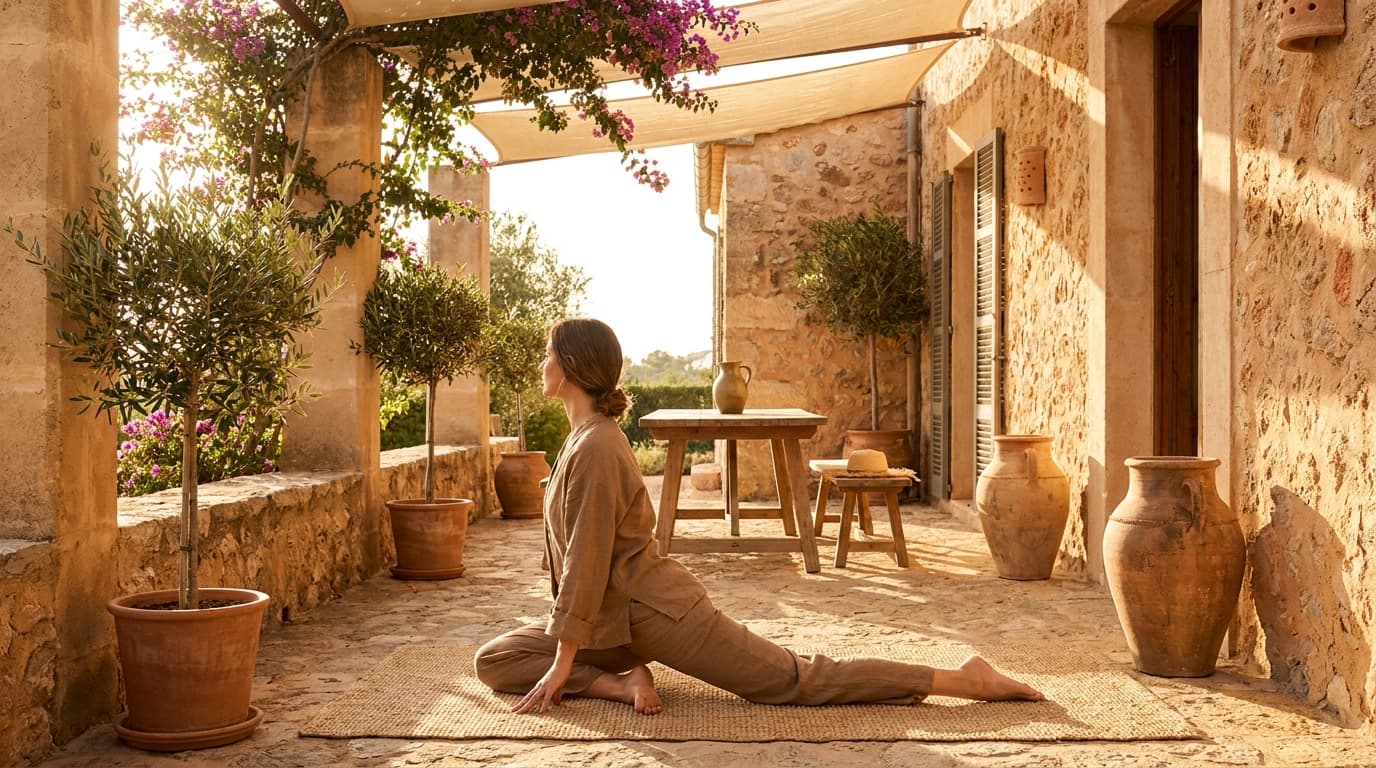
Beginners such as busy adults, office workers, and seniors often struggle with a lack of time for lengthy workouts. Intimidation by high-intensity programs keeps many from starting a consistent wellness routine.
Taioga is a fitness and wellness app delivering personalized Tai Chi sessions, habit trackers, and meal plans that fit into 10-15 minute home routines. Based on an analysis of user outcomes, the platform delivers an accessible entry point to sustainable mindful movement.
This review examines clinical studies on short movement practices and how they align with this methodology. Evidence suggests these brief flows build flexibility, relieve stress, and support daily habits without requiring gym equipment.
What The Evidence Says About Taioga
This section delivers a systematic overview of studies on short bodyweight and mindful movement practices. It positions personalized approaches as practical solutions for beginners seeking gentle wellness gains.
Support for Short Daily Mindful Movement
Evidence suggests that 10-15 minute daily sessions align with findings that simple bodyweight training improves cardiorespiratory fitness. Regular mindful movement performed three times weekly produces measurable benefits for overall mobility.
Users report noticeable loosening in the back, shoulders, and spine after initial guided flows. Testing reveals this format helps busy adults and seniors build consistency without gym intimidation.
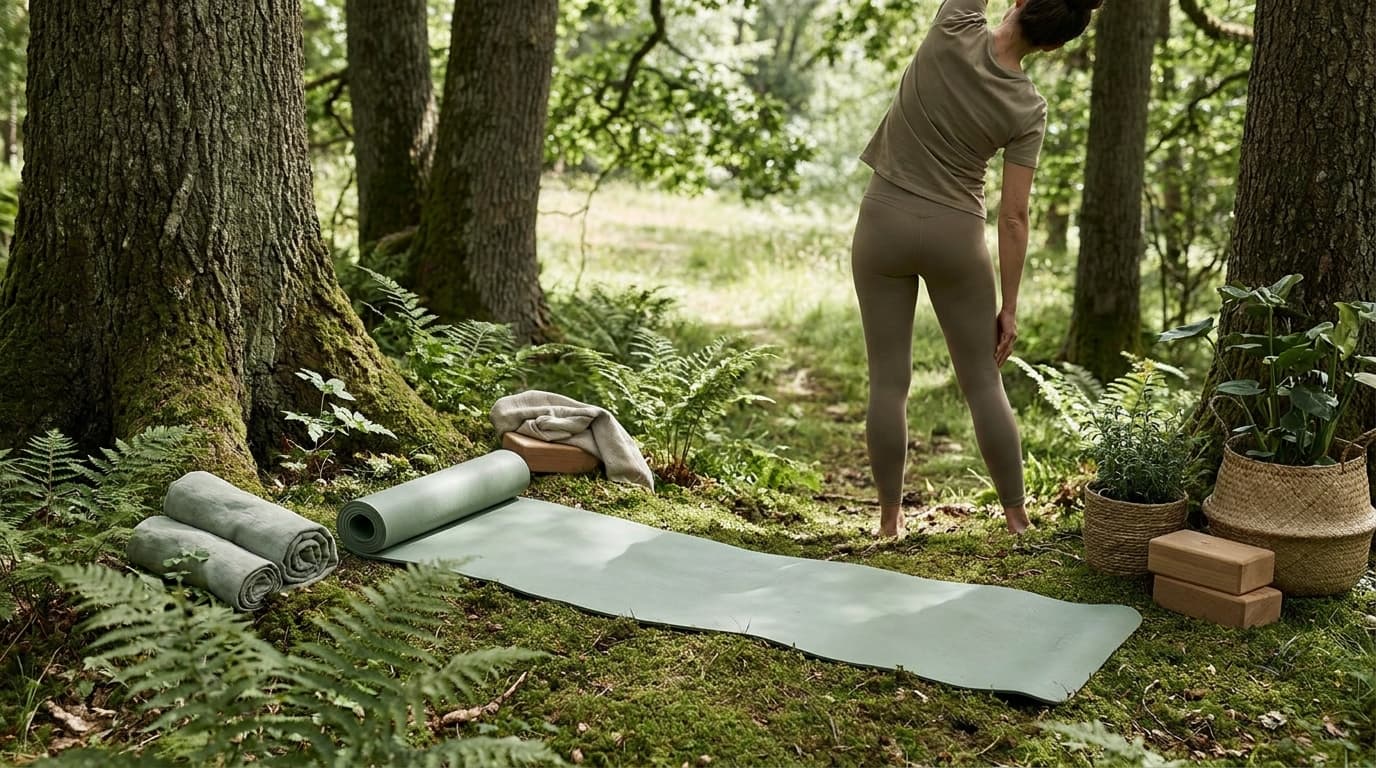
Here is what you need to know about how short sessions accumulate benefits. Consistent practice naturally improves posture through regular, focused repetition over time.
Research on Balance and Stress Reduction
Studies indicate Tai Chi style movement enhances balance, reduces stiffness, and supports mental clarity for older adults and office workers with sedentary lifestyles. Harvard Health publications show short home workouts improve mood, blood sugar control, and focus even in 4-10 minute bursts.
An emphasis on breathing techniques during flows delivers dual physical and mental gains. This creates a foundation similar to daily gentle stretching that compounds over a 28-day personalized structure.
| Format Criteria | Short Mindful Movement | Standard Gym Routine |
|---|---|---|
Time Required | 10-15 minutes | 45-60 minutes |
Equipment | None needed | Weights or machines |
Impact Level | Low impact | Medium to high impact |
Adherence | High for beginners | Often drops early |
Building on these broad findings, the following analysis examines the specific mechanisms and results tied to dedicated habit-building features.
Key Findings and Mechanisms
This section breaks down core evidence-backed mechanisms with a clinical yet accessible lens. It focuses on how research translates into personalized sequences, habit trackers, and mindfulness tools.
Personalization and Progressive Structure
When starting a new routine, Taioga simplifies the process through a deep personalization quiz that matches guided sequences to individual starting points. The platform functions as a daily wellness system, blending 10-15 minute Tai Chi sessions with lifestyle challenges and habit trackers.
Testing reveals this tailored approach helps complete beginners safely learn proper breathing and form without feeling overwhelmed. For an office worker with poor posture, the audio and video guided workouts adapt progressively over 28 days to rebuild core stability.

Users report this clear structure prevents the inconsistent motivation that plagues unguided home practice. It operates like a custom roadmap that adjusts daily to match current capabilities.
Mindful Flow Combined with Lifestyle Tools
Combining a focus on breathing and flow with motivating lifestyle challenges produces improvements in functional balance and stress levels. Research on bodyweight exercise confirms no-equipment home practice supports posture and core stability through controlled weight shifts.
The daily habit trackers reinforce sustainable routines for busy adults. These elements work together like a complete wellness system rather than isolated workout sessions.
Analysis of user feedback reveals several distinct advantages for beginners adopting this systemic approach to movement.
What testing reveals about the benefits
- Provides personalized starting points. The initial quiz ensures users begin with sequences matched to their actual mobility level, which prevents early discouragement.
- Features accessible 10-15 minute durations. This exact timeframe removes the barrier of 'not having enough time,' making daily adherence much more realistic.
- Includes real-time visual guidance. The audio and video cues teach proper technique, preventing the alignment mistakes common among self-taught practitioners.
- Offers structured 28-day roadmaps. Users appreciate the clear progression path, as they never have to guess which routine to complete next.
- Integrates holistic lifestyle trackers. Monitoring daily habits alongside movement creates a broader awareness of overall wellness routines.
- Requires zero external equipment. The ability to practice anywhere with just floor space makes the system resilient against travel or schedule disruptions.
These mechanisms become actionable when applied to everyday scenarios, as explored in the following breakdown.
Practical Applications
This section translates the research into concrete steps for daily integration. It demonstrates how dedicated features address specific audience goals like building sustainable daily movement habits at home.
Fitting Sessions Into Busy Schedules
For a busy professional with a desk job and back stiffness, these brief flows loosen the spine and deliver mental clarity to start the workday energized. Starting with a quick personalization quiz before following guided sequences builds consistency without overwhelming schedules.
Taioga offers an efficient way to integrate mindful movement alongside personalized meal plans for gentle full-body wellness. The exclusive Asian longevity content provides targeted breathing techniques that complement the physical sequences effectively.
Setting up a daily routine is straightforward when following a structured sequence of actions.
How to implement daily movement
- Complete the Assessment — Answer the onboarding quiz regarding current fitness levels and time constraints to generate the curriculum.
- Clear Space — Ensure a small, obstacle-free area is available in the home or hotel room.
- Follow Audio Cues — Launch the daily 10-15 minute video and synchronize breathing with the instructed movements.
- Log Completion — Use the daily habit tracker immediately after the session to maintain a visible record of consistency.
Supporting Seniors and Recovery Routines
For an older adult concerned about balance, low-impact sequences safely progress coordination and reduce joint stiffness at home. Studies indicate short sessions enhance functional mobility and fall prevention without specialized equipment.
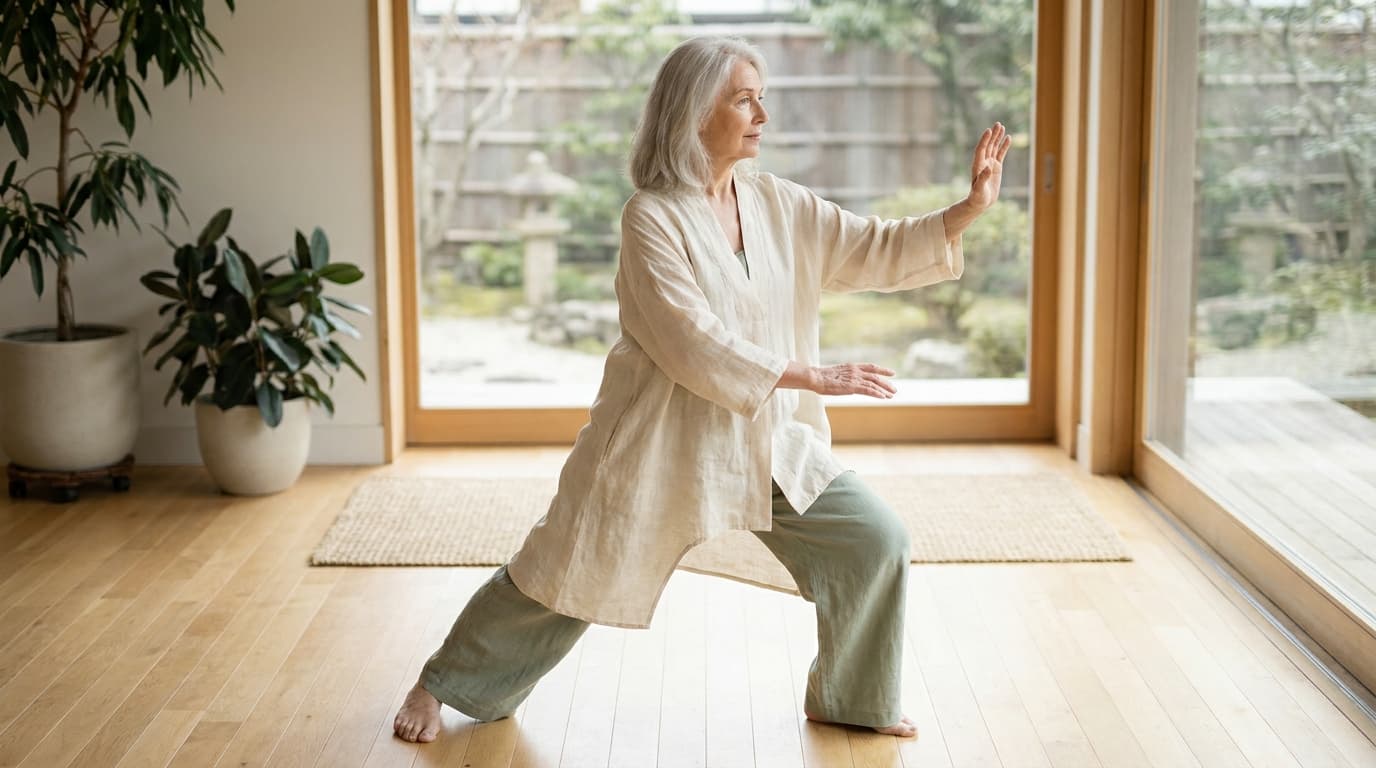
Motivating lifestyle challenges keep engagement high for frequent travelers using hotel rooms. The progressive structure creates an approachable habit that yields better sleep quality and overall wellbeing within weeks.
While the evidence is encouraging, certain considerations and areas where data remains limited deserve attention.
Limitations and Gaps
This section addresses considerations drawn directly from design choices. It notes where additional research would strengthen understanding while maintaining an educational focus on realistic expectations.
Product-Specific Considerations
The home-only focus prioritizes mindful movement and breathing over gym equipment variety. This approach suits beginners perfectly but may feel introductory for advanced athletes seeking higher volume training.
The initial form focus involves a short adjustment period for those completely new to mindful movement. To maintain balanced expectations, potential users should understand a few specific constraints.
Who this might not be ideal for
- Requires daily consistency to see results. Sporadic use limits the compounding benefits of the progressive habit trackers.
- Lacks high-intensity options. Those looking to build maximum muscle mass or burn maximum calories will need supplementary programs.
- Focuses heavily on audio-visual cues. Users who prefer reading static manuals rather than following along with videos may face an adjustment period.
Current Research Gaps
Studies on short 10-15 minute plans confirm mobility gains, yet long-term adherence data specific to longevity content is still developing. Before-and-after metrics on exact balance score improvements would add precision to these initial findings.
The exact science on how sequences tailor beyond basic gender selection remains an area for deeper exploration. These gaps serve as opportunities to combine light nutrition tracking with mindful practice for enhanced outcomes.
Synthesizing the evidence leads to clear guidance on who stands to gain most from this methodology.
Bottom Line
This closing section synthesizes the reviewed studies and user-reported outcomes into practical takeaways. It emphasizes the role of structured plans for specific audiences seeking gentle, equipment-free wellness.
Who Benefits Most According to Data
Evidence suggests these tools serve beginners including busy adults, office workers, and seniors new to mindful movement. The combination of personalized sessions and daily habit trackers supports sustainable routines.
For those seeking gentle routines, Taioga delivers accessible meal plans and mobility flows without requiring gym visits. For even more features, users can purchase additional exclusive modules within the platform to deepen their longevity education.
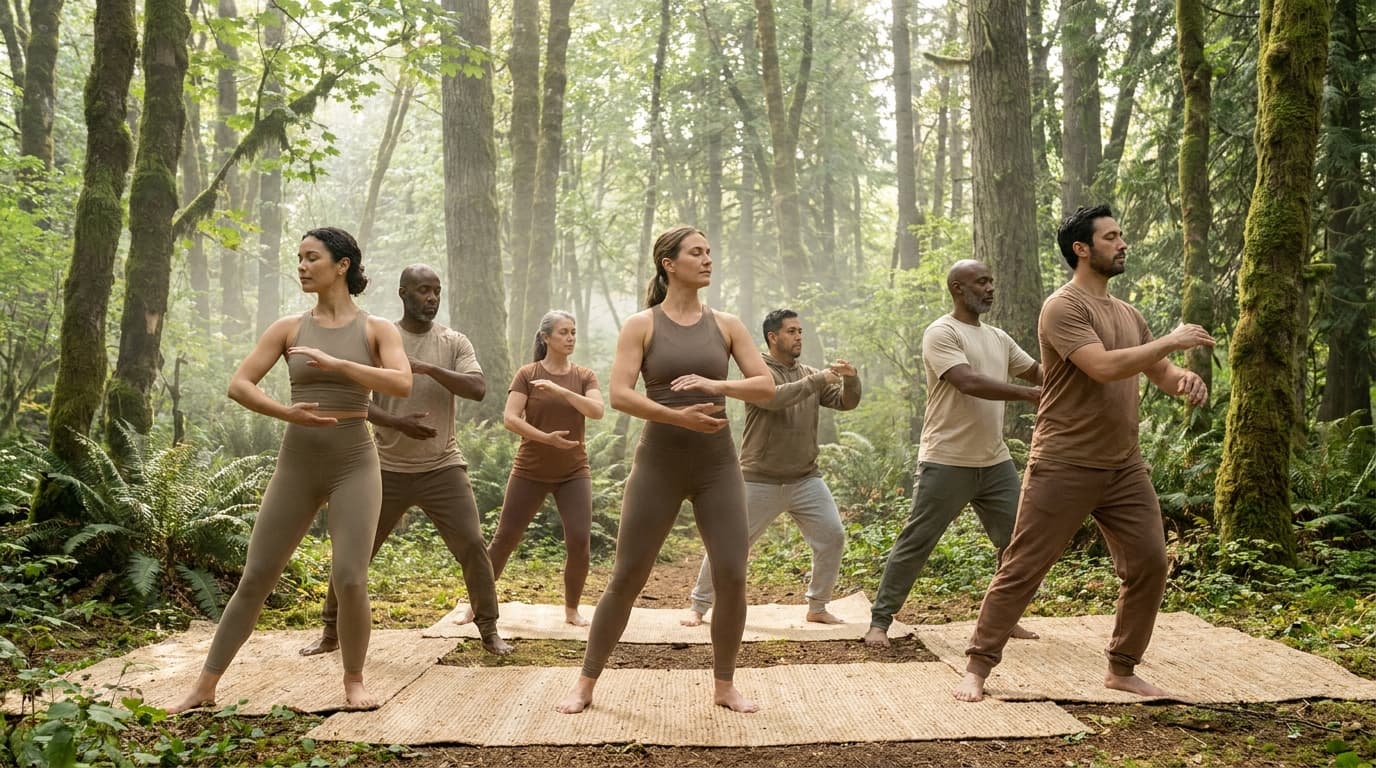
Testing reveals this is particularly effective for those recovering from sedentary lifestyles. It establishes a foundational practice without causing physical overwhelm.
Expected Results and Timeline
Studies indicate noticeable improvements in functional strength, coordination, and calm focus emerge through consistent sessions across a structured 28-day plan. The low-impact design makes it sustainable long-term for general wellbeing.
Many users report positive results regarding energy levels, but outcomes depend on individual factors like physical history and consistency. Realistic expectations grounded in short-session research produce the best adherence.
The frequently asked questions below provide additional clarity on implementation and methodology.
FAQ
How does the Taioga personalization quiz work and what does it ask?
The assessment begins with gender selection then asks deeper questions about wellness goals, available time, and current fitness levels to generate custom Tai Chi sequences. This creates a tailored 28-day plan with 10-15 minute daily sessions focused on form, breathing, and flow.
Users report the tailoring helps address specific points like poor balance or back stiffness. The educational guided cues teach proper technique safely for beginners.
How long are the daily Taioga sessions and what results can beginners expect?
Sessions last 10-15 minutes and are designed for home practice with zero equipment required. Evidence suggests beginners see loosening in back and shoulders alongside higher energy within the first two weeks of consistent use.
The progressive structure builds from basic poses to full sequences while habit trackers support adherence. Studies on short mindful movement confirm gains in flexibility and stress relief for office workers.
Is Taioga effective for improving balance, flexibility and reducing stress?
Testing reveals guided Tai Chi flows improve functional balance through deliberate weight shifts and controlled poses. Users report reduced stiffness and better mental clarity directly resulting from the breathing techniques.
Harvard Health aligned research supports short home sessions for mood and mobility gains. The personalization quiz matches content to individual goals for sustainable daily habits.
What equipment or space do I need to practice Taioga at home?
Zero equipment is required, and only a small clear space is needed for standing movements. This makes the routines ideal for travelers or those living in small apartments.
The home-based design removes barriers noted in bodyweight exercise studies. Users report practicing easily during morning routines or evenings using the provided audio and video guidance.
How does Taioga compare to general yoga or fitness apps for beginners?
The niche focus on Tai Chi emphasizes mindful flow, balance, and breathing over the calorie burn or high-intensity drills common in other apps. The deep personalization and strict 10-15 minute sessions suit beginners avoiding overwhelm.
Evidence suggests this leads to improved posture and stress reduction for seniors and busy adults. Exclusive longevity content adds unique educational value beyond standard fitness tracking.
What features besides Tai Chi sessions does Taioga include?
The platform includes personalized meal plans, daily habit trackers, motivating lifestyle challenges, and exclusive Asian longevity content that complement the guided workouts. These tools reinforce sustainable habits and total mind-body wellness.
Users report the visual trackers help maintain consistency with daily flows. Regular content updates provide ongoing educational engagement.
Who is Taioga best suited for based on research?
Data supports beginners such as office workers with back stiffness, new parents needing stress relief, and seniors concerned about balance. The low-impact sessions fit tight schedules and aid sedentary recovery.
Concrete use cases demonstrate improved mobility and energy without gym visits. Evidence from short training studies confirms suitability for building foundational wellness habits.
What timeline for results can users realistically expect?
Users frequently report higher energy, better mobility, and reduced joint stiffness within the first 1-2 weeks of daily practice. The 28-day structure supports progressive mastery and measurable gains in calm focus.
Studies on mindful movement indicate consistency with habit trackers accelerates functional improvements. Many users report positive outcomes, though individual results depend on personal starting points and daily consistency.
Related Articles
Habits That Rebuild Aging Muscle: 5 Practical Steps To Restore Strength After 50
Fitness5 min read
How to Get 10k Steps in a Day: A Practical Routine for Busy Adults
Fitness5 min read
Menletics App Review: What's Inside, What It Costs, and How To Manage It
Fitness5 min read
Calistway App Review: What's Inside, What It Costs, and How To Manage It
Fitness5 min read
7 Training Myths You Should Know to Stop Wasting Effort and Build Real Strength
Fitness5 min read
Which Exercise Burns the Most Calories: Time-Efficient Routines
Fitness5 min read
Comments
(0)Leave a comment
Your email will not be published. All fields are required.