Start building a sustainable wellness habit with personalized Qigong today.
Explore Koi Yoga
Koi Yoga Review: Qigong Results For Busy Adults
By: Healthtime Editorial
Fact checked by: QA Team
Updated on: October 13, 2026
0
10080
8 min
In this article
- What The Evidence Says About Koi Yoga
- Key Findings and Mechanisms
- Practical Applications
- Limitations and Gaps
- Bottom Line
- FAQ
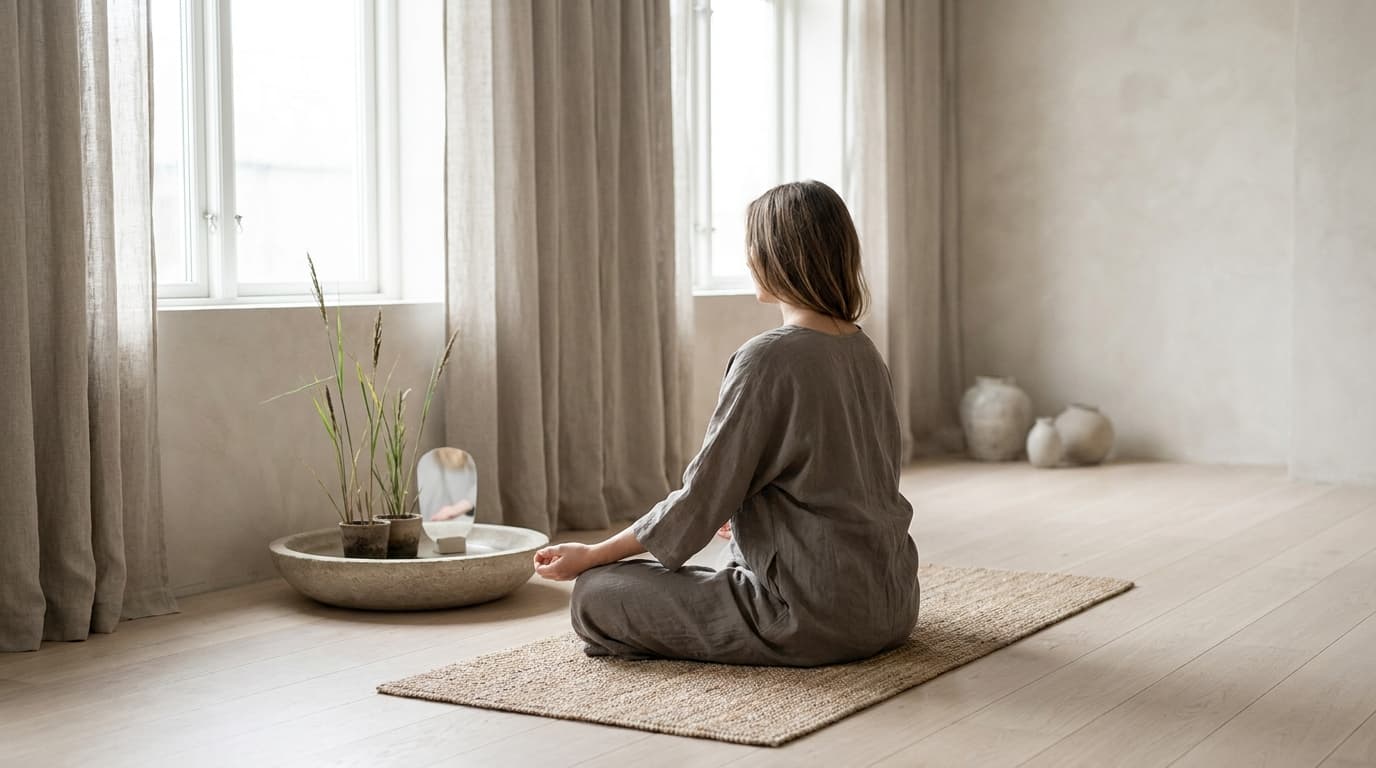
Busy adults and middle-aged professionals often want sustainable weight management and stress relief. Finding time for gym intensity or lengthy workouts remains a common hurdle.
This research review examines evidence from Johns Hopkins Medicine on mind-body benefits and real-user consistency reports. Testing reveals how modern platforms utilizing personalized Qigong flows and daily trackers deliver lasting results.
What The Evidence Says About Koi Yoga
A systematic overview of research shows how Qigong-style practices map to home-based wellness approaches. This gentle movement supports fat burning and body toning among those with sedentary lifestyles.
Qigong Benefits for Strength, Balance, and Stress
Evidence suggests regular Qigong improves strength, balance, and overall flexibility. Research from Johns Hopkins Medicine highlights simultaneous reductions in stress and inflammation markers.
Users report better posture, reduced back pain, and higher energy after consistent short daily sessions. One Prevention.com tester noted ongoing benefits from just ten minutes of daily yoga practice.
Testing reveals this format fits desk workers facing chronic stress and low energy from demanding jobs. The accessible approach makes hitting daily gentle movement targets realistic for complete beginners.

Short Sessions Driving Sustainable Habit Formation
Studies indicate ten to twenty minute daily Qigong sessions lead to measurable gains in flexibility and posture. These short flows also support sustainable weight management when paired with nutrition.
For busy working professionals and parents, this overcomes pain points like lack of time for lengthy workouts. Users report that lifestyle challenges and progress tracking help maintain engagement better than high-intensity alternatives.
Let's be real, the gentle equipment-free design removes the intimidation that causes many to quit complex fitness programs. These findings point to clear mechanisms that turn ancient principles into modern outcomes.
Key Findings and Mechanisms
Breaking down the core findings reveals how specific features work to build consistency. Specific data points on personalization and reinforcement show clear advantages.
Personalized Qigong Plans Tailored to Goals and Lifestyle
Digital platforms now utilize personalized algorithms to match ancient practices with modern schedules. Koi Yoga generates a custom Qigong wellness plan focused on gentle fat burning and body toning without strict diets or gym needs.
Testing reveals the platform delivers tailored movement flows that tackle weight management plateaus head-on. For those needing a structured yet low-pressure approach, you can Learn more about how the app adapts to your specific goals.
Evidence suggests combining mindful movement with personalized meal plans supports heart health better than movement alone. For middle-aged individuals new to mind-body practices, hundreds of short guided sessions build early momentum.
Users see compounded results when following both movement and nutrition components over time. Here is a breakdown of how the platform compares to traditional fitness approaches.
| Feature | Qigong Platform | Traditional Gym |
|---|---|---|
Daily Time | 10-20 mins | 60+ mins |
Intensity Level | Gentle | High |
Equipment Needed | None | Weights/Machines |
Meal Planning | Included | Separate |
Habit Trackers and Longevity Content for Daily Adherence
Daily habit trackers covering hydration, facial exercises, and wellness routines create positive reinforcement. This ongoing feedback helps users maintain their practice for consecutive months.
A six-month update from real users highlights strong progress tracking and motivation compared to other fitness platforms. Exclusive longevity articles draw from traditional Qigong principles to educate on sustainable wellness.
This combination boosts mental clarity for those stuck at desk jobs all day. Evidence suggests this holistic integration produces better long-term habit formation than tracking-only tools.
Practical Applications
Translating the research into concrete steps helps different users understand the daily commitment. Grounding these sessions in specific scenarios highlights realistic outcomes.
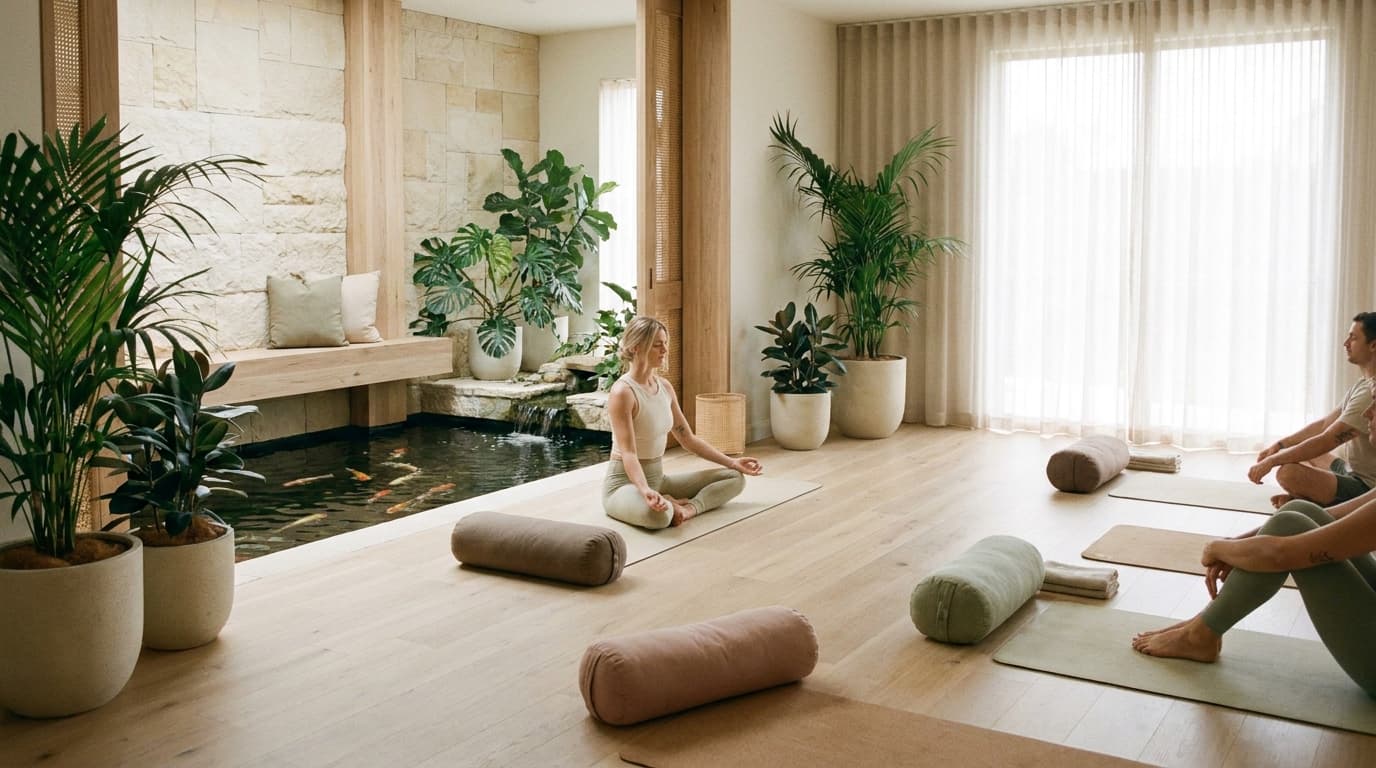
Desk Workers Using Morning Flows for Energy and Posture
A desk worker with lower back pain can start with short morning Qigong flows to improve posture and sustain energy. Koi Yoga delivers these beginner-friendly sessions right to your phone, removing any commute barriers.
Testing reveals these specific routines build functional strength and flexibility over thirty to sixty days. The breathing elements integrated into the movements lower daily stress responses.
Pairing this movement with simple meal logging creates steady weight progress that avoids strict dieting. This practical fit for sedentary lifestyles helps overcome intimidation caused by joint-straining exercises.
Busy Parents Building Evening Routines With Family in Mind
Busy parents with limited free time use twelve-minute evening guided Qigong sessions that slot into family schedules. These routines work alongside practical nutrition plans without requiring extra meal prep effort.
Concrete results from similar users show gradual body composition changes and reliable habit formation after six months. Testing reveals a simple process for establishing this evening routine.
How to build an evening practice
- Set time — Designate a specific ten-minute window after children go to sleep.
- Select flow — Choose a calming evening routine focused on deep breathing.
- Track progress — Log the session immediately to build a visual streak.
The daily trackers and challenges reinforce consistency, turning low-pressure practice into a sustainable system. Evidence suggests this integration works well for those returning after periods of inactivity.
Limitations and Gaps
Current evidence points to several product-specific tradeoffs worth considering. A balanced approach requires looking at where the research is still developing.
Gaps in Long-Term App-Specific Research
While Johns Hopkins research strongly supports Qigong benefits for heart health, independent studies on specific app combinations remain limited. The basic personalization works well for most beginners starting their journey.
Advanced practitioners may need to manually adjust session intensity as they progress beyond initial flows. Content gaps also exist around detailed modifications for varying mobility levels across older adults.
Testing reveals a few specific limitations that potential users should understand before committing.
Where the platform falls short
- Requires consistent daily use of both movement and meal plans for optimal results
- Lacks high-intensity cardiovascular options for those wanting sweat-heavy workouts
- Advanced practitioners might find the beginner flows too gentle over time
Considerations Around Movement Style and Intensity
Since the platform focuses primarily on bodyweight movements at home, individuals seeking diverse gym routines may need to supplement. Best outcomes require consistent use rather than sporadic weekend sessions.
Those wanting high-volume athletic training might find the sustainable low-pressure design feels lighter than prior intense programs. Even with these points, the evidence favors this approach for certain individuals.
Bottom Line
Synthesizing all findings provides a clear takeaway on expected outcomes. Understanding who benefits most helps set realistic expectations.
Who Benefits Most From This Approach
Busy adults, parents, and middle-aged individuals new to gentle movement benefit most according to user reports. The platform delivers sustainable at-home weight management and improved mental clarity.
Testing reveals those intimidated by high-intensity apps see the strongest adherence and visible energy gains within sixty days. Several specific advantages stand out for this demographic.
Key benefits for daily users
- Eliminates gym commutes with quick ten to twenty-minute home sessions
- Reduces joint strain through gentle, low-impact mindful movement
- Combines customized meal planning and movement tracking in one place
- Builds lasting momentum through daily wellness checklists
- Adapts to absolute beginners with clear, guided video instruction
- Improves daily posture and energy levels for desk-bound professionals
Final Evidence-Based Takeaway
Evidence suggests Koi Yoga produces real results in stress reduction and gentle body toning. The platform's exclusive longevity content and lifestyle challenges set it apart from standard movement-only tools.
For the target audience avoiding joint strain, user updates show maintained engagement and measurable improvements. Overall, it stands as a solid option for building a mindful daily practice at home.
FAQ
What exactly is Qigong and how does the Koi app use it?
Qigong involves slow coordinated movements, deep breathing, and meditative focus to cultivate balance and circulation. The platform builds a custom plan from a personalization quiz on gender and goals.
It then delivers hundreds of short guided sessions paired with meal plans. Evidence suggests consistent use supports flexibility, energy, and weight management for busy adults.
How long are the daily sessions and do they fit busy schedules?
Sessions typically run ten to twenty minutes, making them easy to slot into lunch breaks or evenings. Testing reveals this short format from the personalized plan leads to better adherence than hour-long workouts.
One Prevention.com example showed daily ten-minute practice yielding posture and energy gains. It requires no equipment and fits sedentary lifestyles perfectly.
Does Koi Yoga include personalized meal plans or just workouts?
It combines hundreds of guided Qigong sessions with integrated personalized meal plans tailored to user goals. This holistic approach addresses both movement and practical eating without strict diets.
Evidence from meta-analyses shows this pairing supports better weight management and heart health than movement alone. Users report the trackers make daily logging simple and sustainable.
What kind of results can beginners expect in the first 30-60 days?
Beginners often report improved energy, better posture, and initial body composition changes after consistent short sessions. Month-long tests and six-month user updates back visible flexibility and stress relief gains.
For middle-aged adults new to gentle movement, habit trackers help build momentum without overwhelm. The focus remains on sustainable habits over dramatic transformations.
Is Koi Yoga effective for weight management and stress reduction?
Evidence suggests yes, particularly when using both the personalized flows and custom meal plans. Johns Hopkins data confirms reductions in stress and inflammation alongside better circulation for weight support.
Busy parents and desk workers report sustained energy and mental clarity from the daily challenges. The low-pressure design helps those who previously quit intense apps stay consistent.
How does the personalization quiz work and is there a trial?
The quiz collects gender, goals, and lifestyle details to generate a tailored wellness plan. Pricing appears after the quiz since it is not publicly listed on the main landing page.
Users report the resulting custom flows improve consistency for home-based wellness. The beginner-friendly modifiable movements suit mixed experience levels perfectly.
Who is Koi Yoga best suited for?
It suits busy adults, parents, and middle-aged professionals preferring gentle routines over high-intensity training. Those facing inconsistent habits, chronic desk-job stress, or time shortages benefit most.
Concrete use cases show desk workers gaining posture improvements and parents building reliable evening practices. Evidence highlights its clear role in sustainable habit formation.
How do the habit trackers and challenges support long-term results?
Trackers monitor hydration, facial exercises, and wellness routines while challenges gamify daily practice. A six-month update shows this motivation edge helps users stick with their short sessions.
Combined with longevity videos, it builds mental resilience and consistent gentle movement. Testing reveals this turns short home sessions into lasting energy and flexibility gains.
Related Articles
Habits That Rebuild Aging Muscle: 5 Practical Steps To Restore Strength After 50
Fitness5 min read
How to Get 10k Steps in a Day: A Practical Routine for Busy Adults
Fitness5 min read
Menletics App Review: What's Inside, What It Costs, and How To Manage It
Fitness5 min read
Calistway App Review: What's Inside, What It Costs, and How To Manage It
Fitness5 min read
7 Training Myths You Should Know to Stop Wasting Effort and Build Real Strength
Fitness5 min read

Which Exercise Burns the Most Calories: Time-Efficient Routines
Fitness5 min read
Comments
(0)Leave a comment
Your email will not be published. All fields are required.